How to Fish from a Float Tube on Mountain Lakes
There's nothing quite like the allure of an Idaho mountain lake. Imagine pristine, clear waters, surrounded by towering peaks, with trout rising to the surface. It’s a dream for many anglers, but getting your gear into these often remote, hike-in locations can be a real headache. Traditional boats are out of the question, and bank fishing, while sometimes productive, often limits your reach to the most accessible, and therefore often most pressured, spots. This guide is all about embracing the freedom and stealth of float tube fishing, empowering you to explore those hidden gems on Idaho’s high-country waters and unlock incredible angling experiences.
Choosing Your Float Tube and Essential Gear for Idaho's Backcountry
Venturing into Idaho's majestic high-mountain lakes with a float tube opens up a world of possibilities, but your success and comfort hinge largely on choosing the right gear. This isn't just about picking any old tube; it's about selecting equipment that can withstand rugged trails, unpredictable weather, and perform reliably when you're far from civilization. Think of your gear as your lifeline and your key to unlocking those secluded fishing havens.
Types of Float Tubes and Why It Matters for Mountain Lakes
When you're eyeing those remote Idaho lakes, portability, durability, and paddling efficiency are paramount. Not all float tubes are created equal, and understanding the differences can make or break your mountain adventure.
- U-Shaped Tubes: These are often the most basic and budget-friendly. They offer an open front, which makes entry and exit a breeze, especially if you’re launching from shore in shallow water. However, their open design means they can be a bit slower to paddle and less stable in choppier conditions, which you might encounter on larger mountain lakes when the wind picks up. They are generally lighter, making them easier to pack for shorter hikes, but their simpler construction might not hold up as well to repeated abuse from sharp rocks or branches on rugged Idaho trails.
- V-Shaped Tubes: These are arguably the most popular choice for general float tube fishing, and for good reason. The V-shape, often with two pontoons tapering to a point at the front, cuts through the water more efficiently, making them faster and easier to maneuver with fins. This is a huge advantage when you need to cover more water or fight against a breeze on a sprawling alpine lake. They offer good stability and often come with more robust construction and ample storage pockets, which are essential for carrying extra layers, snacks, and fishing tackle for a full day out. Many V-shaped tubes can be found on platforms like Amazon, making it easy to compare models and features.
- Pontoon-Style Boats: While technically still float tubes in spirit, these are more like mini-pontoons. They typically feature two elongated pontoons with a sturdy frame that sits above the water. This design offers superior stability, allows you to sit higher out of the water, and provides ample storage space. They are often paddled with oars in addition to fins, making them incredibly efficient for covering long distances. The trade-off, however, is weight and bulk. While excellent for lakes with easier access, their size and heavier frame might make them less ideal for strenuous, multi-mile hike-ins to the highest alpine lakes in places like the Sawtooths. If your chosen lake has a short, well-maintained trail, a pontoon boat could be a fantastic option, offering an excellent fishing platform for Idaho Lake Trout Fishing Guide or larger species.
No matter the style, prioritize tubes made from heavy-duty materials like PVC or durable nylon. Mountain environments are harsh, and a puncture or tear far from the trailhead can ruin your trip. Look for reinforced seams and robust valves. When considering which tube to buy, remember that you’ll be carrying it in and out, potentially over rough terrain or through brush, so every ounce matters, but durability cannot be compromised.
Must-Have Gear Beyond the Tube Itself
Your float tube is the vessel, but a complete setup involves several other crucial pieces of equipment to ensure comfort, safety, and fishing success on Idaho's mountain lakes.
First up are waders and fins. Breathable chest waders are almost non-negotiable, even in summer. Mountain lake water is often shockingly cold, and staying dry and warm is critical to prevent hypothermia. Neoprene waders offer more warmth but are heavier and less breathable for the hike in. Pair these with quality kick fins that fit over your wader boots. These propel you efficiently across the water, freeing your hands for casting and fighting fish. Make sure the fins have a comfortable strap system that won't chafe or come loose mid-lake.
A Personal Flotation Device (PFD) is not just a good idea; it's often a legal requirement and always a safety imperative. Even if you're a strong swimmer, a PFD provides essential buoyancy and warmth if you unexpectedly end up in the frigid water. Choose a comfortable, low-profile vest that doesn't impede your casting motion.
Don't forget a pump – a hand or foot pump is essential for inflating your tube. A good quality pump will save you time and energy, especially after a long hike. Also, always carry a small repair kit specifically designed for your float tube material. A small puncture can happen, and being able to patch it on the spot means the difference between a continued fishing adventure and a long, disappointing hike back.
Storage and organization are key. Most float tubes come with built-in pockets, but you’ll want additional waterproof bags or dry bags for sensitive items like your phone, car keys, extra layers, and food. Secure these firmly to your tube. A mesh storage bag that can clip onto the back of your tube is excellent for keeping a small cooler or a stringer for fish. For larger items, a quality backpack designed for outdoor adventures is essential for carrying your disassembled tube and all your gear to and from the lake. Many experienced anglers find that browsing fishing and camping gear on Amazon offers a good way to find specialized, lightweight options perfect for backcountry trips.
Finally, think about smaller essentials: a small landing net with a long handle for scooping up fish, line clippers, forceps, and a measuring tape to ensure you're within Idaho Catch Limits and Bag Limits Explained. Having everything within easy reach means less fumbling and more focused fishing.
Safety First: Preparing for Idaho's Mountain Lake Conditions
Idaho's mountain lakes are undeniably beautiful, offering solitude and fantastic fishing. However, their remote nature and the unpredictable alpine environment demand a serious approach to safety. Being prepared for rapidly changing conditions and potential emergencies isn't just a recommendation; it's a necessity that can literally save your life.
Understanding Mountain Weather and Water Temperatures
One of the biggest hazards in the mountains is the weather's notorious unpredictability. A sunny, calm morning can quickly transform into a blustery, thundering afternoon. For float tube anglers, this can be particularly dangerous. Strong winds can quickly push you across a large lake, making it difficult or even impossible to paddle back to your launch point. Rain, hail, or even unexpected snow can lead to rapid temperature drops, turning a pleasant day into a hypothermia risk.
Cold water shock is another significant concern. Even in the height of summer, high mountain lakes are fed by snowmelt and often hover in the low 50s or even colder. Falling into water this cold can immediately incapacitate you, leading to gasping, disorientation, and a rapid loss of motor skills. This is why a properly fitted PFD is absolutely non-negotiable, and understanding How Water Temperature Affects Idaho Trout Fishing is crucial for both safety and angling strategy. Always dress in layers, avoiding cotton, which loses its insulating properties when wet. Wool or synthetic base layers, fleece mid-layers, and a waterproof/windproof outer shell are your best friends. Pack an extra set of dry clothes in a dry bag, even if the forecast looks clear. It’s better to carry a little extra weight than to risk hypothermia.
Before heading out, always check the mountain weather forecast, but be aware that these forecasts can be localized and change rapidly. Look for signs of brewing storms, such as darkening skies, increasing winds, or distant thunder. If conditions start to deteriorate, don't hesitate to cut your trip short and head for shore. No fish is worth risking your safety.
Navigation, Communication, and Emergency Preparedness
When you're deep in the Idaho backcountry, rescue isn't minutes away; it could be hours or even days. Self-reliance and careful preparation are paramount.
Navigation is critical. While many mountain lakes are well-known, trails can be faint, and visibility can drop quickly in fog or heavy rain. Always carry a physical map of the area and a compass, and know how to use them. Don't rely solely on your phone's GPS, as battery life is finite, and cell service is often non-existent in these remote areas. A dedicated handheld GPS unit or a GPS watch can be a valuable backup. For truly remote expeditions, consider a satellite communication device (like a Garmin inReach or a Zoleo). These devices allow you to send SOS messages, check in with family, and receive weather updates even when you're far off the grid.
Your emergency kit should be robust. Beyond the standard first-aid kit, which should always be with you, consider packing a whistle for signaling, a small signaling mirror, a fire starter (waterproof matches, lighter, fire steel), and an emergency blanket or bivvy. A headlamp or flashlight is also essential, even if you plan to be back before dark, as unexpected delays can happen. When venturing to specific destinations like Fishing Redfish Lake in the Sawtooths, it's always wise to inform someone of your exact itinerary, including your planned route, destination, and expected return time. This way, if you don't check in, someone knows where to start looking.
Carry more water and food than you think you'll need. Dehydration and bonking (hitting the wall from lack of calories) are real risks, especially if your hike is longer or more strenuous than anticipated. A water filter or purification tablets can also be a lifesaver if you need to replenish from a mountain stream. Remember, the goal is to enjoy the solitude and the fishing, but always with a healthy respect for the wild, untamed nature of Idaho's mountains.
Strategic Fishing from a Float Tube: Techniques for Idaho Mountain Lakes
Once you've safely navigated to your chosen mountain lake and prepared for the elements, it's time to focus on the reason you're there: fishing! Float tubes offer distinct advantages over bank fishing, allowing you to access prime holding water and present your offerings with greater stealth. But fishing from a tube also requires its own set of strategies and techniques.
Approaching the Lake and Launching Your Tube
The journey to the lake doesn't end when you arrive at the shore. Your approach to the water can significantly impact your success, especially on smaller, pristine mountain lakes where fish are often more easily spooked.
When you first reach the lake, take a moment to scout the area. Look for accessible launch points that offer gentle slopes and minimal obstacles. Avoid noisy thrashing through thick brush or clanking gear around the waterline, as this can send vibrations through the water and alert nearby fish. If possible, choose a launch site away from obvious fish-holding areas like inlets, outlets, or prominent weed beds.
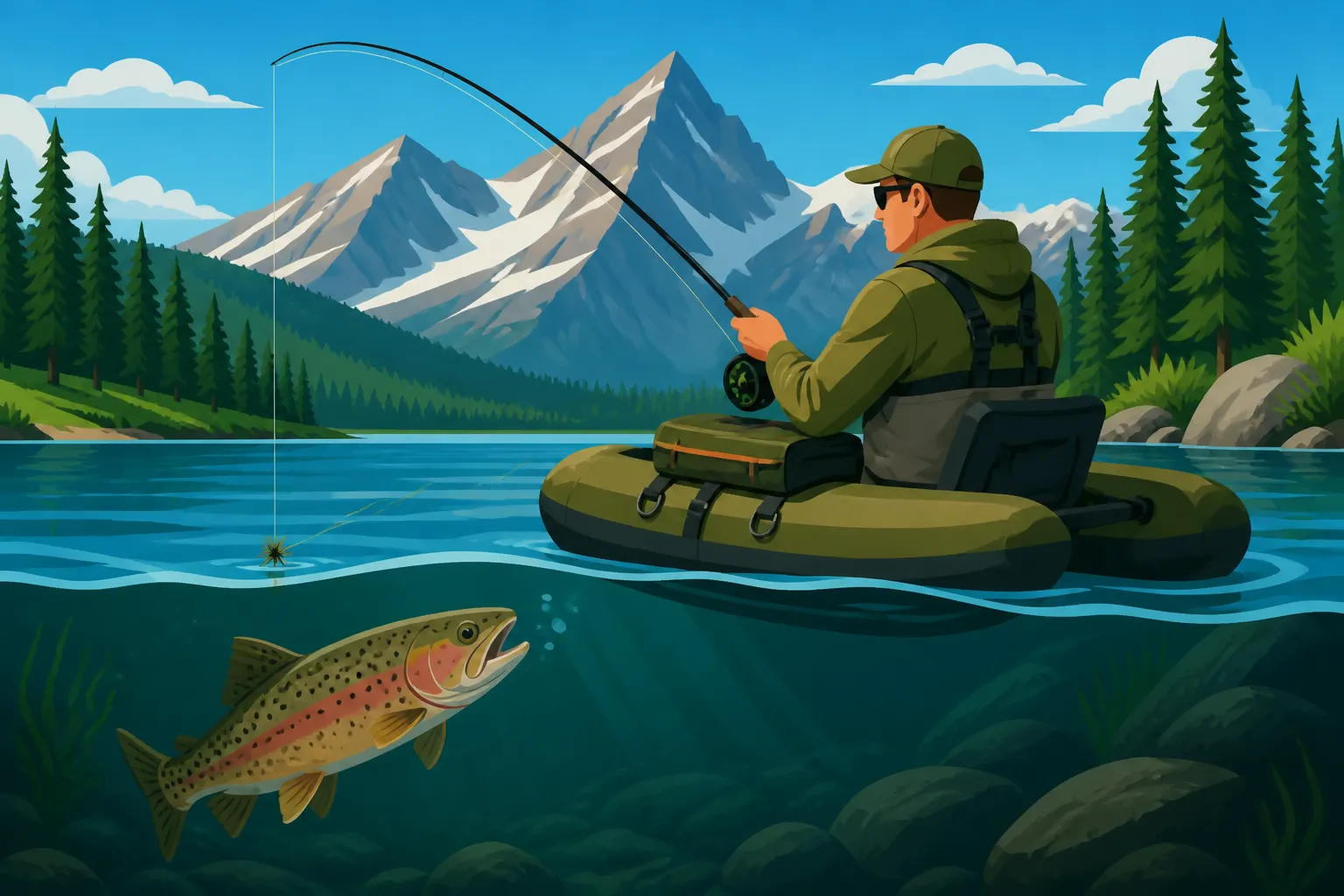
Before inflating your tube, lay out all your gear. Assemble your rod, tie on your leader and fly or lure, and make sure everything is within easy reach. Inflate your tube fully and securely attach your fins. Once ready, launch gently. Wader-clad, walk into the water until it's deep enough to float without dragging your fins. Slowly ease yourself into the tube, making as little splash and commotion as possible. The goal is to become part of the environment, not an intrusive foreign object. This quiet entry is one of the key advantages of float tube fishing, allowing you to maintain stealth as you move into prime fishing positions, a critical factor for targeting species like cutthroat trout that can be quite wary.
Effective Fishing Techniques While Afloat
From the comfortable vantage point of your float tube, you have unparalleled access to Idaho's mountain lake waters. This allows for a variety of effective techniques.
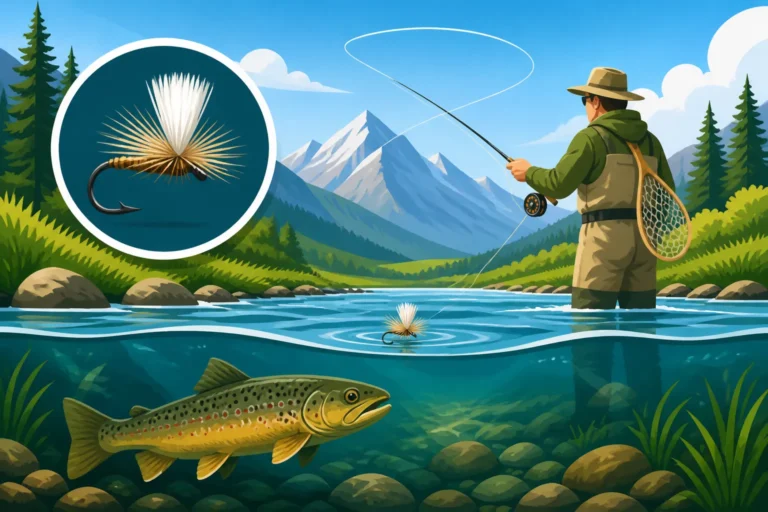
For many high mountain lakes, fly fishing is the quintessential method. A float tube provides the perfect platform for unhindered backcasts, allowing you to present flies with delicate precision to rising fish or along structure. You can easily position yourself to drift dry flies over subtle currents created by inlets or focus nymph patterns along drop-offs. Being able to slowly kick yourself into position, then remain stationary with minimal effort, is a huge advantage. Target areas where insect activity is visible, or where you observe fish rising. Using small terrestrials, emergers, or even attractor patterns can be very effective. This method is particularly fantastic for pursuing Idaho Cutthroat Trout Fishing Guide and Idaho Rainbow Trout Fishing Guide, which thrive in these environments. If you're new to fly fishing, a float tube can be a great way to practice your casting without worrying about snagging brush on the bank. You can learn a lot by observing the water from your unique vantage point.
Spin fishing is equally effective and perhaps more versatile for some situations. You can troll small spinners, spoons, or even small crankbaits behind you as you slowly kick across the lake. This allows you to cover a lot of water and present your lure at different depths until you find where the fish are holding. Jigging is another excellent technique, especially when fish are suspended or holding deep. Vertical jigging small spoons or soft plastics directly below your tube can entice strikes from deeper-dwelling trout. Focus your efforts around submerged structures, rock piles, drop-offs, and points. The ability to anchor yourself subtly with your fins or a small anchor makes this very precise. If you are targeting larger species in deeper, colder lakes, you might consider using slightly heavier tackle.
Regardless of your chosen method, stealth is paramount. Float tubes are inherently quiet, but excessive splashing, loud talking, or dropping gear can send fish scattering. Use slow, deliberate movements. Pay attention to the wind direction; it can be your friend, gently pushing you along a promising shoreline, or your foe, making it hard to maintain position. Learn to use it to your advantage.
Managing Your Catch and the Environment
Part of being a responsible angler is understanding how to manage your catch and minimize your impact on the delicate mountain ecosystem.
Idaho has specific regulations for fishing, including catch and possession limits, and sometimes even special rules for certain lakes or species. It's crucial to consult the Idaho Fishing Regulations Explained before you go. Some mountain lakes may be designated catch-and-release only, or have bait restrictions. Always have a clear understanding of what you can and cannot keep.
If you are practicing catch and release, handle fish gently and quickly. Keep the fish in the water as much as possible, using a rubberized net to minimize harm to their protective slime coat. Remove hooks quickly with forceps or pliers. If you plan to keep fish for dinner, consider a stringer or a small, soft-sided cooler attached to your tube to keep them fresh. Remember, the journey back might be long, so proper storage is important.
Always adhere to Leave No Trace principles. Pack out everything you pack in, and then some. This includes all trash, broken fishing line, and any organic waste. Don't leave bait containers, snack wrappers, or discarded leader material. The beauty of Idaho's mountain lakes relies on every visitor respecting and preserving their pristine condition. That includes disposing of any fish waste responsibly, well away from the immediate shoreline, or packing it out entirely.
Planning Your Float Tube Adventure: Logistics and Best Practices
A successful float tube trip to Idaho's mountain lakes isn't just about showing up with gear; it's about meticulous planning. From selecting your destination to packing your provisions, every detail contributes to a memorable and safe experience. Thinking through the logistics beforehand can turn a potentially frustrating outing into a truly rewarding adventure.
Selecting the Right Mountain Lake in Idaho
Idaho boasts an incredible array of mountain lakes, each with its own character and fishing opportunities. Choosing the right one for your float tube adventure involves considering several factors.
First, accessibility is key. Are you looking for a short, easy hike to a lake, or are you up for a challenging multi-mile trek into true wilderness? The weight and bulk of your float tube and associated gear become a significant factor for longer, more strenuous hikes. Some lakes, like many featured in Best High Mountain Lakes in Idaho for Fishing, are truly remote and demand a high level of physical fitness and backcountry experience. Others, while still alpine, might have shorter, more established trails, making them ideal for a first-time float tube excursion. For example, some accessible high mountain lakes near popular areas can offer a taste of this unique experience without the intense commitment.
Next, consider the species present. Are you targeting specific trout species, such as native cutthroat, rainbow, or brook trout? Or are you hoping for something larger like a lake trout? Researching the fishery of specific lakes will guide your choice. Some lakes are regularly stocked by Idaho Fish and Game, providing more consistent action, while others rely on wild, self-sustaining populations. Checking the fish stocking reports can give you insight into potential hot spots. Consider if you need an Idaho Fishing License Guide or a specific permit for certain species or waters before you go.
Finally, always check current conditions. This includes ice-out dates for early season fishing, which can vary significantly by elevation and year, and snow levels that might still block trails well into summer. Conversely, late summer might bring lower water levels in some areas. Information on these conditions is often available from local ranger stations, online forums, or by checking the Idaho Department of Fish and Game website.
Packing Smart and Efficiently
Every item you bring on a hike-in float tube trip needs to justify its weight and space. Overpacking can lead to an exhausting and unenjoyable experience, while underpacking can compromise safety or comfort.
Minimize weight without sacrificing essentials. This means choosing lightweight, compact versions of your gear whenever possible. For example, instead of a heavy conventional tackle box, opt for a small, soft-sided tackle bag with only the lures and flies you anticipate needing. Dehydrated or freeze-dried meals are excellent for lunch, and high-energy snacks like granola bars, nuts, and jerky provide essential fuel without bulk. Always pack more water than you think you need, or bring a water filter for replenishing.
Sun protection is crucial at higher altitudes where UV radiation is more intense. Wide-brimmed hats, sunglasses, and high-SPF sunscreen are non-negotiable. Don't forget bug spray, as mosquitoes and other biting insects can be prolific around mountain lakes, especially during dawn and dusk.
Consider how you’ll pack your float tube. Many tubes are designed to be disassembled and rolled or folded for transport. A dedicated float tube backpack or a large, durable dry bag can make the hike much more manageable. When researching gear, you can often find reviews and recommendations for lightweight, compact fishing accessories and apparel through online retailers like Amazon, which is a great way to discover new products optimized for backcountry adventures. Think about how each item will fit into your pack and if it serves multiple purposes. For a truly deep dive into packing, exploring resources like What Gear to Pack for a Sawtooth Backcountry Fishing Trip can provide additional insights.
Post-Trip Care for Your Gear and Yourself
The adventure doesn't end when you return to the trailhead. Proper post-trip care ensures your gear lasts longer and helps you recover for the next outing.
Once home, clean and thoroughly dry your float tube. Remove all gear, rinse the tube with fresh water to remove dirt, lake scum, and any fish residue. Pay special attention to seams and valves. Inflate it slightly and let it air dry completely in a shaded, well-ventilated area. Storing a damp tube is an invitation for mold and mildew, which can degrade the material and create unpleasant odors. Once dry, deflate, fold, and store it in a cool, dry place away from direct sunlight and extreme temperatures. Do the same for your waders and fins.
Clean your fishing tackle. Rinse rods and reels with fresh water, especially if they came into contact with lake water. Check your lines for any nicks or abrasions. Clean and dry your flies and lures. This small effort prevents corrosion and ensures your gear is ready for your next trip.
Take care of yourself. After a long day of hiking, kicking, and casting, your body will appreciate some attention. Rehydrate, refuel with a good meal, and stretch tired muscles. Review your trip: What worked well? What could have been better? Did you find that perfect spot to How to Fly Fish Henry's Fork from your tube? Note down any insights about the lake, the fish behavior, or gear performance. This reflective practice is part of becoming a seasoned float tube angler and helps you plan even better adventures in the future.
Float tube fishing on Idaho's mountain lakes is a unique and incredibly rewarding experience. It offers a sense of solitude and access that few other methods can provide. With careful planning, the right gear, and a healthy respect for the environment, you'll be well on your way to discovering some of Idaho's most beautiful and productive waters.
| Float Tube Type | Ideal Use for Mountain Lakes | Pros | Cons |
|---|---|---|---|
| U-Shaped | Shorter hikes, calmer, smaller lakes, easy entry | Lightweight, inexpensive, easy to get in/out | Slower paddling, less stable in wind, minimal storage |
| V-Shaped | Most versatile for various mountain lakes, moderate hikes | Efficient paddling, good stability, ample storage, durable | Can be heavier/bulkier than U-shaped, entry/exit slightly less open |
| Pontoon-Style | Lakes with easier access, large water to cover | Superior stability, higher seating, oars for efficiency, lots of storage | Heaviest/bulkiest, not suitable for long or rugged hike-ins |
Disclaimer
This article is for general informational purposes only and does not constitute professional advice. Laws, prices and regulations vary by location and change over time. Consult a qualified professional for guidance on your specific situation.