Do Fish Bite Better Before a Storm in Idaho?
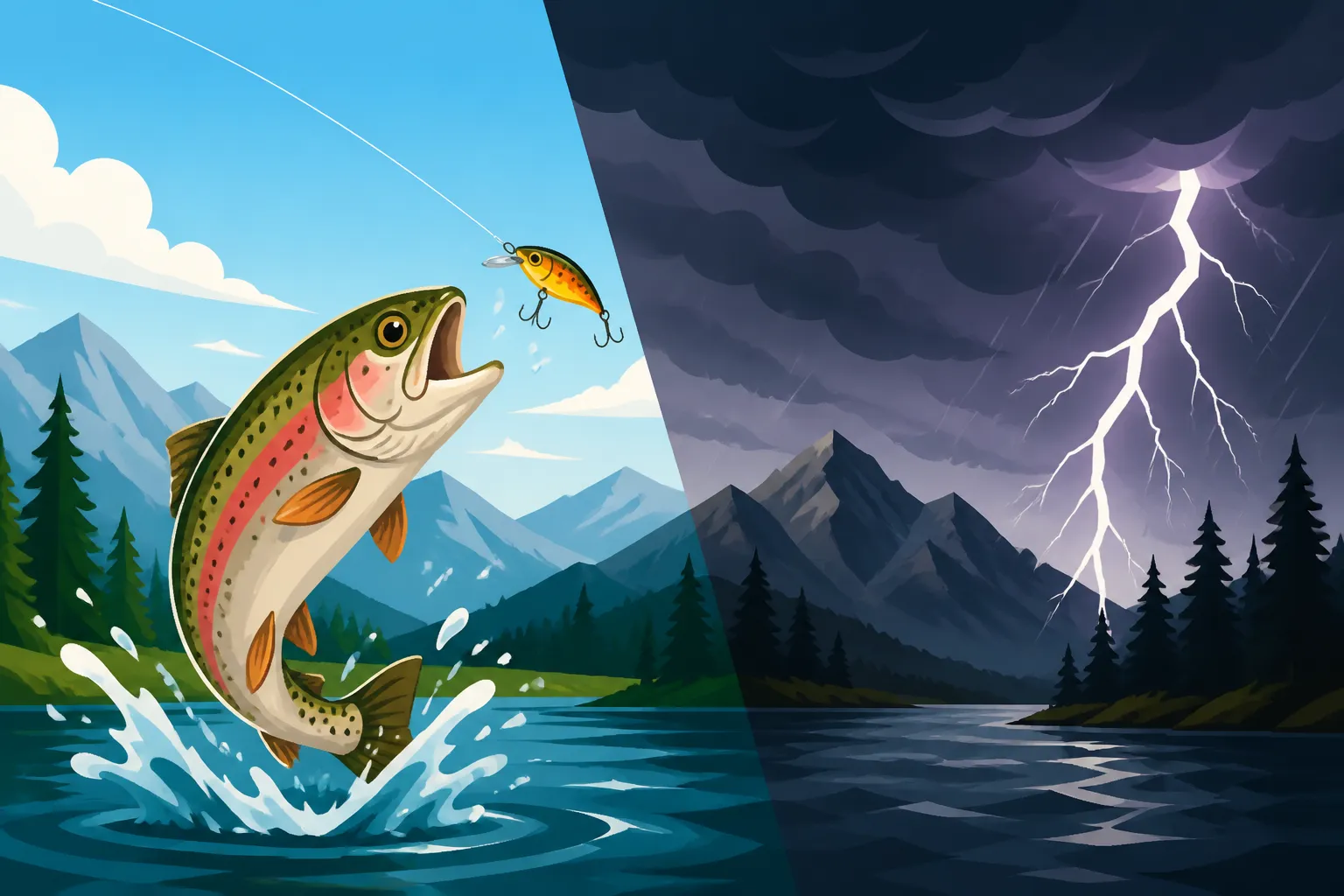
There's an age-old question that rattles around every angler's mind when the clouds gather: "Do fish bite better before a storm?" It's a tale as old as time, passed down through generations of Idaho fishing enthusiasts, often with conflicting answers and frustrating experiences. This guide will dive deep into the fascinating world of atmospheric pressure, fish physiology, and angler experience to help you understand how changing weather patterns truly affect fish activity in Idaho's diverse waters, so you can make informed decisions before your next outing.
The Allure of the Pre-Storm Bite: Is It Real?
For many anglers, the belief that fish bite better before a storm isn't just a myth; it's a deeply ingrained tradition. You've probably heard it from an old-timer by the Snake River or read it in countless fishing forums. And honestly, there's a kernel of truth to it, but it's far from a universal guarantee. The reality is much more nuanced, depending heavily on the type of storm, the species of fish, the time of year, and even the specific body of water you're targeting in Idaho. It's easy to get frustrated when one storm brings a flurry of bites and the next leaves you skunked, but understanding the underlying mechanisms can truly change your approach.
Barometric Pressure Rollercoaster
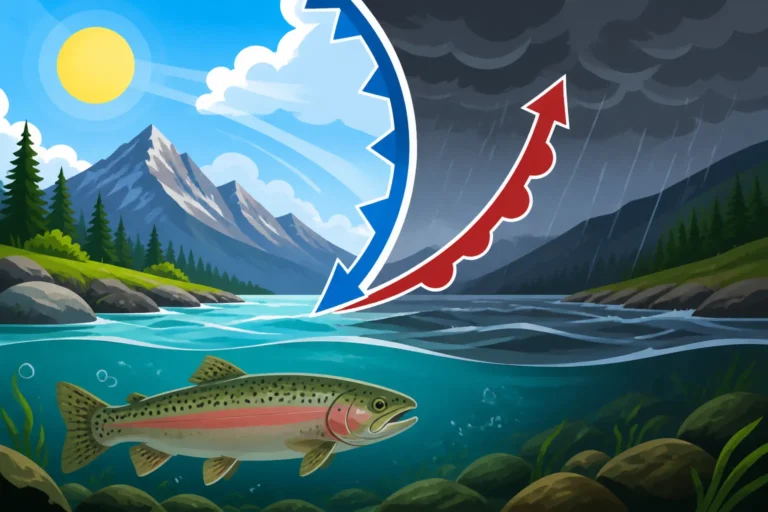
Perhaps the most significant factor at play when a storm approaches is barometric pressure. Think of it like this: fish, especially those with swim bladders, are incredibly sensitive to changes in atmospheric pressure. Their swim bladder helps them maintain buoyancy in the water column, and as the outside pressure changes, they have to work to adjust.
When barometric pressure is high and stable, fish often feel comfortable and can be found in deeper, more consistent water. They're not expending extra energy to adjust to pressure fluctuations, so their feeding might be more predictable but not necessarily aggressive. The real game-changer is often falling barometric pressure, which typically precedes a storm. As the pressure drops, it can make fish uncomfortable in deeper water. They might rise in the water column to equalize the pressure in their swim bladders, becoming more active and often more inclined to feed. This is where the "pre-storm bite" legend comes from. They're feeling a change, potentially sensing an impending weather shift, and sometimes go on a feeding frenzy to stock up before the storm hits and conditions become less favorable for foraging. However, once the storm arrives and the pressure hits its lowest point, fishing can often become very slow, as fish hunker down or become lethargic. Then, as the storm passes and pressure begins to rise again, another surge of feeding activity can occur. It's a classic rollercoaster.
Oxygen Levels and Fish Activity
Beyond pressure, the oxygen content in Idaho's waters also plays a crucial role, especially as weather patterns shift. Before a summer storm, particularly when temperatures have been high, the water can be somewhat stagnant, and dissolved oxygen levels might be lower, especially in shallower areas. A brewing thunderstorm often brings cooler air, wind, and eventually rain, which can significantly improve oxygenation.
The wind ripples the surface, increasing air-to-water gas exchange. Rain itself, especially a light shower, can introduce more oxygen into the water as it falls. This surge of fresh, oxygenated water can invigorate fish, making them more active and willing to chase a meal. Imagine a sluggish trout suddenly getting a burst of energy from a cool, oxygen-rich current. However, heavy, prolonged rainfall, especially if it leads to significant runoff from surrounding land, can sometimes have the opposite effect. This runoff can introduce sediment, organic matter, and even pollutants, which can temporarily decrease water clarity and dissolved oxygen as the organic material decomposes. This is a common concern in smaller streams and rivers, but larger bodies of water like Lake Coeur d'Alene or the main stem of the Snake River tend to be more resilient to these localized changes.
Light and Feeding Behavior
The changes in light conditions before a storm are another often-overlooked factor influencing fish behavior. As storm clouds gather, the sky darkens, and ambient light penetration into the water significantly decreases. Many fish, particularly those that are typically more wary of predators in bright sunlight, feel much safer and more confident venturing out from cover and feeding aggressively under these lower light conditions.
Think about a clear, sunny afternoon on the Henry's Fork, where the trout can be incredibly selective and easily spooked. Now, picture that same river under a thick blanket of pre-storm clouds. The reduced visibility acts like a natural dimmer switch, encouraging fish to move into shallower water or more open areas where they might not feed during midday sun. This can lead to increased success for anglers, as fish are less skittish and more focused on finding food before the full brunt of the storm hits. This "low light bite" is a well-known phenomenon, and it's one of the primary reasons many anglers eagerly anticipate cloudy, pre-storm conditions. Understanding this interaction with light can significantly enhance your Idaho Fishing Techniques Guide.
Different Fish Species, Different Reactions
It's not just if fish bite better, but which fish and how they respond to an approaching storm that matters. Idaho's diverse aquatic environments are home to numerous species, each with its own unique physiological makeup and behavioral patterns influenced by weather changes. What might trigger a feeding frenzy for one species could send another deep into hiding. Knowing these differences is key to successful Idaho Fishing.
Trout: The Finicky Forecasters
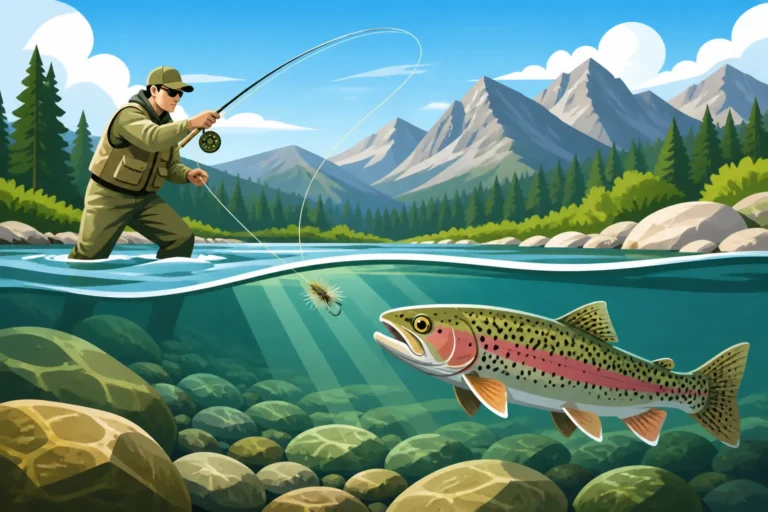
Trout—rainbows, cutthroats, and even brown trout—are often considered some of the most sensitive fish to weather changes. In many ways, they are excellent natural barometers. As barometric pressure begins to fall before a storm, especially a moderate one, trout can become incredibly active. They might move out of their usual holding lies into riffles and runs, actively looking for insects or baitfish. This is often the prime time to target them with dry flies if an insect hatch is underway, or with nymphs and streamers if they're feeding sub-surface. The cooler temperatures and increased oxygen from pre-storm winds and light rain can make them feel frisky.
However, once the storm truly hits, particularly with heavy rain and runoff, trout can quickly become less active. Turbid water reduces visibility, making it harder for them to hunt by sight, and sudden temperature drops or surges of cold snowmelt can put them off feeding. In high mountain lakes like those in the Sawtooths, a sudden squall can send them deep, only to resurface after the storm has passed and conditions stabilize. For specific guidance on catch limits, you'll want to review the Idaho Trout Limits by Water.
Bass: Riding the Pressure Wave
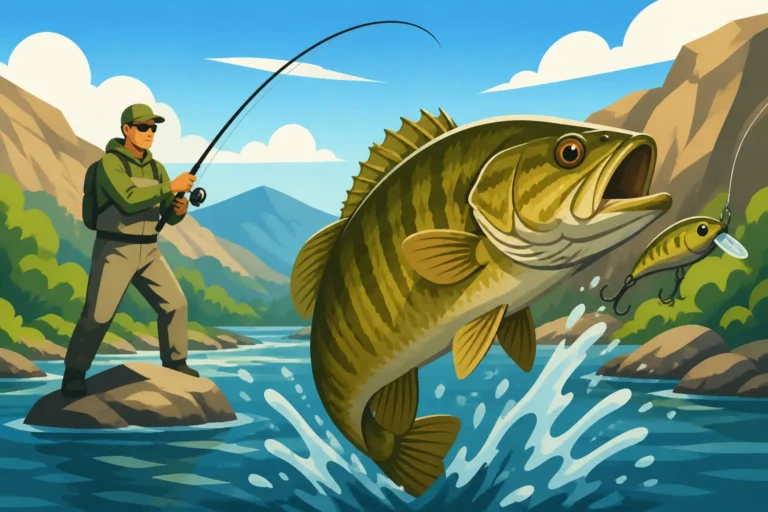
Idaho's smallmouth and largemouth bass are also very reactive to pre-storm conditions, often in a more predictable and aggressive way than trout. Many bass anglers swear by fishing before a thunderstorm. As that barometric pressure drops, bass tend to move shallower, congregating around structure like submerged logs, weed lines, or rock piles. They become highly aggressive, sensing the impending disruption and wanting to feed heavily while the opportunity lasts.
This is a fantastic window for throwing reaction baits like crankbaits, spinnerbaits, or topwater lures, especially for smallmouth in rivers like the Snake or largemouth in reservoirs like C.J. Strike. The low light from storm clouds also plays perfectly into their ambush predator nature, making them less wary. However, once the storm breaks with heavy rain, strong winds, and thunder, bass often scatter and become much harder to locate and tempt. They'll seek deep cover or simply shut down until the worst of it passes. For more in-depth advice, check out our Idaho Bass Fishing Guide.
Steelhead and Salmon: River Warriors
Steelhead and salmon, those incredible anadromous fish navigating Idaho's powerful rivers like the Salmon and Clearwater, have a somewhat different relationship with storms. Their migratory journey often pushes them to be less impacted by minor barometric fluctuations than resident fish. However, significant weather events can certainly influence their behavior.
Before a heavy rain, the falling pressure might not trigger an immediate feeding spree, as their primary drive is spawning. But increased water flows that come with or after a storm can be a huge factor. A bump in river levels, especially after a period of low, clear water, can encourage new pushes of fish upstream and make existing fish more active. The fresh water and slightly decreased visibility can make them more confident in biting a swung fly or drifted bait. However, extreme high water and very turbid conditions will often shut down the bite, making it nearly impossible to fish effectively. For serious pursuit of these magnificent fish, our Idaho Steelhead Fishing Guide is essential reading, and knowing the Best Time of Year to Fish in Idaho is key for targeting these species.
Timing Your Approach: Before, During, and After
Understanding the "why" is one thing, but knowing "when" and "how" to fish effectively around a storm in Idaho is where the real skill comes in. It's about recognizing the subtle shifts and adjusting your strategy accordingly. Many anglers miss opportunities by either staying home when conditions are prime or heading out when it's just not going to happen.
The Golden Window: Pre-Storm Frenzy
This is arguably the most talked-about and often most productive period for many Idaho fish species. As soon as you see those thunderheads building on the horizon or feel that subtle shift in the air pressure, it's time to get your gear ready. The crucial time is typically a few hours before the storm front arrives, when the barometric pressure is steadily falling, the light is dimming, and the air might be getting cooler.
During this "golden window," many fish, from trout in the Boise River to bass in C.J. Strike Reservoir, seem to sense the impending change and go on a feeding binge. They become more aggressive, less wary, and are often willing to chase a variety of baits and lures. This is a fantastic time for active presentations: think topwater lures for bass, aggressively stripped streamers for trout, or fast-retrieved spinners. It's a short-lived opportunity, sometimes only an hour or two, so being prepared and hitting the water quickly is paramount. Make sure your tackle box, perhaps stocked from a recent Amazon order, has a good variety of options.
Weathering the Storm: Fishing During the Downpour
Fishing during a storm, especially a heavy one, can be a mixed bag and often involves prioritizing safety. Light, steady rain can sometimes extend the pre-storm bite, particularly if it keeps light levels low and oxygenates the water without causing heavy runoff. These conditions are often favorable for trout and steelhead, making them more comfortable and less cautious. However, severe thunderstorms with lightning, strong winds, and torrential downpours are usually best avoided entirely. Safety on the water should always be your number one concern. Never compromise your well-being for a fish.
If you find yourself fishing during a lighter rain, consider using baits and lures that have a strong profile or create a lot of vibration. The reduced visibility means fish rely more on their lateral lines. Darker colors can also be effective, creating a stronger silhouette against the murky sky. For fly anglers, larger, darker nymphs or streamers can often draw strikes. Remember to wear appropriate rain gear – a quality waterproof jacket and pants are indispensable. Our Idaho Fishing Gear Guide by Season has excellent recommendations for staying dry and comfortable.
Post-Storm Recovery and Opportunity
Once the storm has passed and the skies begin to clear, another interesting phase begins. The immediate aftermath of a severe storm can sometimes be slow, as fish recover from the shock of dramatic changes. Water clarity might be poor, and temperatures could have fluctuated significantly. However, as conditions stabilize, a new bite can often emerge, particularly as barometric pressure begins to rise again.
After a heavy rain, rivers might see increased flows, which can stir up insects and dislodge worms and other food sources from the banks, sending them downstream. This influx of food can draw fish out to actively feed. Steelhead, in particular, can become more active after a bump in river levels. Lakes and reservoirs, once the water settles, might find fish returning to their usual haunts or even becoming more accessible if the storm has disrupted their previous patterns. This is a good time to observe the water, look for new current seams or eddies on rivers, and reassess where fish might be holding based on the new conditions. Checking local regulations, perhaps through the Where to Find Idaho's Current Fishing Rules Brochure, is always a good idea, as water levels can impact access or specific rules.
Practical Tips for Stormy Weather Fishing in Idaho
Fishing around storms isn't just about understanding fish behavior; it's also about being prepared, safe, and adapting your techniques. The unpredictability of Idaho's weather means you need to be versatile and always have a backup plan.
Essential Gear for Changing Conditions
One of the biggest lessons you'll learn fishing in Idaho is that the weather can change on a dime, especially in the mountains. A sunny morning can quickly turn into a chilly, rainy afternoon. This means your gear choices are paramount.
- Rain Gear: This isn't optional; it's essential. Invest in a good quality, breathable waterproof jacket and pants. Companies like Simms, Patagonia, or Orvis offer excellent options. Being wet and cold will quickly ruin your day and can even be dangerous.
- Layering: Wear layers! Start with a moisture-wicking base layer, add an insulating fleece or down layer, and top it with your waterproof shell. This allows you to adjust to temperature fluctuations as the storm approaches, hits, and passes.
- Footwear: Waterproof wading boots or sturdy rubber boots are crucial for staying dry and maintaining footing on slick banks.
- Headlamp/Flashlight: If you're out late or early, or if the storm clouds make it exceptionally dark, a headlamp is invaluable for rigging lines or navigating. You can easily find reliable options on Amazon.
- Weather Apps & Communication: Always have a reliable weather app on your phone and a way to communicate in case of emergency. Cell service can be spotty in remote Idaho areas, so consider a satellite messenger if you're venturing deep into the backcountry.
Adjusting Your Lures and Baits
When the weather changes, so too should your presentation. Fish often behave differently, so sticking to the same old techniques might not yield results.
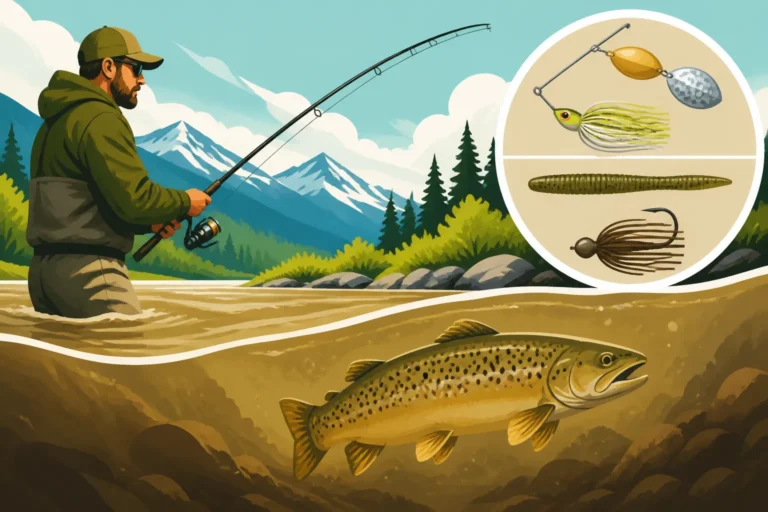
- Turbid Water: If rain runoff causes the water to become murky, use lures that create vibration and have a strong profile. Crankbaits, spinnerbaits, and even larger soft plastics can be very effective for species like bass or pike. For trout, consider brighter or darker colored patterns with more flash or movement.
- Low Light/Overcast: Darker conditions often allow fish to be less selective. This is a great time for topwater lures, as the silhouette is easily seen against the sky. Black, purple, or dark blue jigs and soft plastics can also excel in these conditions.
- Falling Pressure: As mentioned, fish often move shallower and become more active. Consider faster retrieves and more aggressive presentations to trigger reaction strikes.
- Live Bait: For some species, especially trout or catfish, live bait (like worms or minnows, where legal) can be consistently effective regardless of pressure changes, as the scent trail can draw them in when visibility is low. Just be sure to understand all relevant Idaho Fishing Regulations Explained regarding bait use.
Safety First on Idaho Waters
While the thrill of a pre-storm bite is undeniable, safety should always be your top priority. Idaho's rivers and lakes can become treacherous quickly during severe weather.
- Lightning: If you hear thunder or see lightning, get off the water immediately. Boats, fishing rods, and open spaces are lightning magnets. Seek shelter in a sturdy building or your vehicle.
- Wind: Strong winds can make boating extremely dangerous, creating large waves and making it difficult to control your craft. If you're in a smaller boat or kayak, head for shore as soon as winds pick up.
- Flash Flooding & Runoff: Heavy rains, particularly in canyon areas or smaller tributaries, can cause flash flooding and create incredibly strong currents. Always be aware of rising water levels and avoid wading in swollen rivers. Check Reading Water on Idaho's Rivers for tips on safe navigation.
- Slippery Surfaces: Rain makes rocks, boat ramps, and riverbanks incredibly slick. Wear appropriate footwear and move cautiously to prevent falls.
- Hypothermia: Even in summer, prolonged exposure to cold rain and wind can lead to hypothermia. Dress in layers, stay dry, and know the symptoms.
- Tell Someone: Always let someone know where you're going and when you expect to return, especially if fishing alone or in remote areas.
By preparing for the unexpected and putting safety first, you can increase your chances of having a successful and enjoyable Idaho fishing trip, no matter what the weather decides to throw your way. Remember, even if the fish aren't biting, a day spent responsibly on Idaho's beautiful waters is never truly wasted. Our guide on Idaho Fishing Rules on the Number of Rods Per Angler can help you maximize your setup while adhering to regulations.
| Weather Phase | Barometric Pressure | General Fish Activity (Most Species) | Recommended Tactics |
|---|---|---|---|
| Pre-Storm (Falling) | Falling steadily | Often very active, feeding aggressively, may move shallower. | Active presentations, reaction baits, topwater, aggressive retrieves. |
| During Storm (Low) | Low and stable/dropping further | Can be slow, fish may hunker down or scatter, seeking cover. | Slower presentations, natural baits, high-vibration lures, focus on cover. |
| Post-Storm (Rising) | Rising steadily | Activity can resume as conditions stabilize, good opportunity. | Observe water, check for new food sources (runoff), moderate retrieves. |
| Stable High | High and stable | More predictable, fish may be deeper or wary, consistent feeding. | Finesse techniques, target structure, adjust to depths. |
Disclaimer
Fishing conditions and regulations in Idaho can change frequently. Always consult the latest Idaho Fish and Game regulations and local weather forecasts before heading out. This guide provides general information and should not replace official sources or personal judgment regarding safety.