What a Clipped Adipose Fin Means on a Steelhead
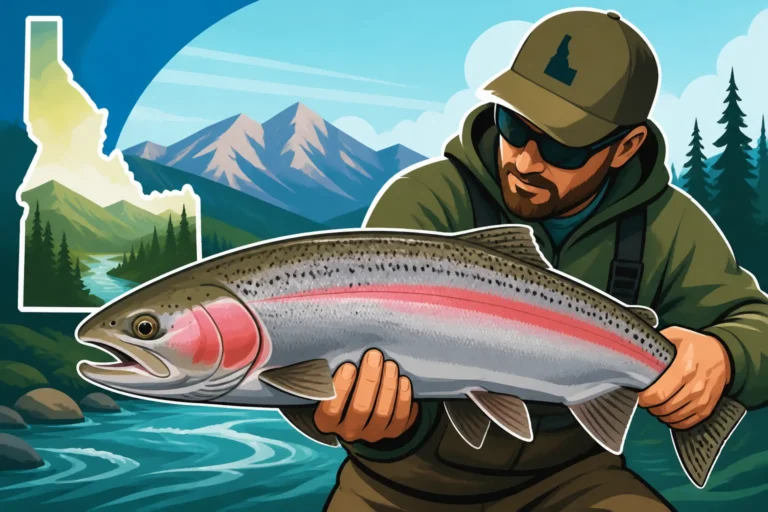
There's a specific moment for many Idaho anglers when they land a beautiful steelhead, and their eyes immediately dart to a particular spot on its back. Is that small, fleshy fin gone? Or is it still there? This isn't just a curious observation; that tiny detail, or lack thereof, holds a world of information about the fish in your hands and, crucially, dictates what you, as a responsible angler, are allowed and even obligated to do next. This guide is all about unraveling the mystery of the clipped adipose fin on an Idaho steelhead and empowering you to make informed decisions on the river.
The Mystery of the Missing Fin: What is an Adipose Fin Anyway?
When you’re out on Idaho’s rivers, chasing those incredible steelhead, you’re bound to hear talk about "clipped fins." But what exactly are we referring to, and why is it such a big deal? Let’s break down this unique anatomical feature and the deliberate action that sets some fish apart from others.
Anatomy 101: Where the Adipose Fin Sits
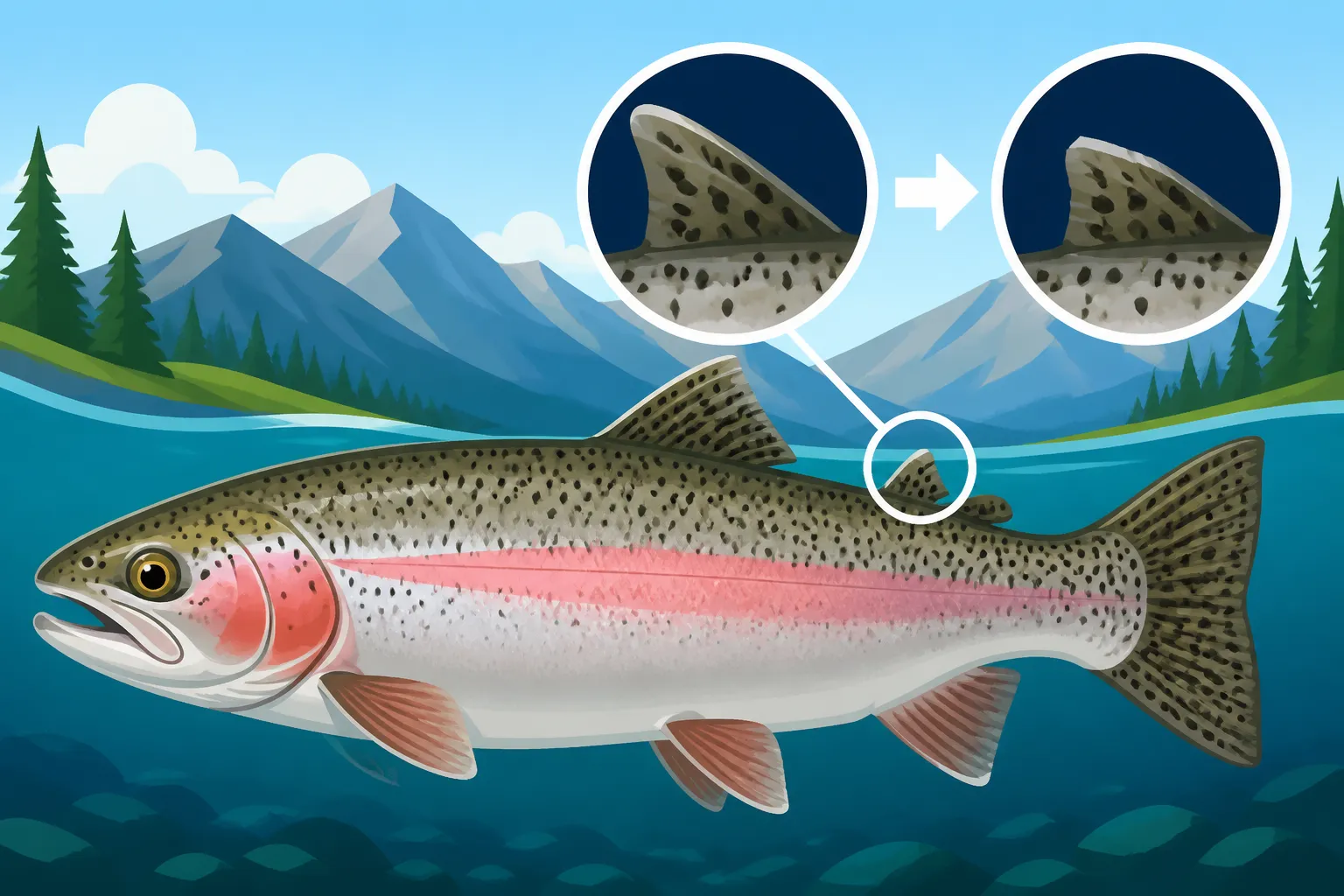
First things first, let's talk about the adipose fin itself. It's a small, fleshy, rayless fin located on the back of a fish, nestled between the dorsal fin and the tail (caudal fin). Unlike most other fins, it doesn't have any supporting bones or spines. Think of it less like a propeller and more like a little flag. This seemingly minor appendage is characteristic of salmonids—the family that includes salmon, trout, and char—which, of course, includes our beloved steelhead.
For years, scientists debated the exact purpose of this little fin. Some theories suggested it played a role in swimming stability, hydrodynamics, or even sensing prey. However, extensive research and observation, particularly with fish that have had their adipose fins removed (clipped), have shown that fish without them suffer no significant ill effects on their survival, swimming ability, or overall health. It's a bit of an evolutionary leftover, perhaps, but its presence (or absence) has become incredibly significant for fishery managers and anglers alike. So, while its natural function might be minimal, its symbolic function in modern fisheries management is paramount.
The Clipping Process: How and Why It's Done
So, if the adipose fin isn't functionally critical, why do we talk about it so much? Because in Idaho, and many other places, that fin is deliberately removed from certain fish. This process is called adipose fin clipping, and it's a routine procedure performed on millions of young fish every year in hatcheries. It's not a natural injury; it's a purposeful, human-induced mark.
The clipping happens when steelhead smolts (young fish) are still very small, often just a few inches long, before they are released into rivers to begin their journey to the ocean. Specialized machinery, or sometimes even trained personnel using small clippers, precisely remove the adipose fin. The fish are tiny, the procedure is quick, and they recover rapidly, showing no long-term adverse health effects. This method is incredibly effective because, unlike other fins that can grow back or be damaged naturally, the adipose fin does not regenerate. Once it's gone, it's gone for good, leaving an unmistakable, permanent mark. The primary "why" behind this practice is simple: it's the most widely accepted and efficient way to visually distinguish a hatchery-reared fish from a wild-born fish. This distinction is the cornerstone of responsible fishery management, particularly for species like steelhead, where conservation of wild stocks is a top priority.
The Big Reveal: What a Clipped Adipose Fin Really Tells You
Now we get to the heart of the matter. You’ve caught a steelhead. You’ve checked for that little fin. What does its presence or absence truly mean for you, the angler, and for the fish itself? This distinction is not just academic; it has real-world implications every time you hook into one of these magnificent creatures.
Hatchery vs. Wild: The Unmistakable Mark
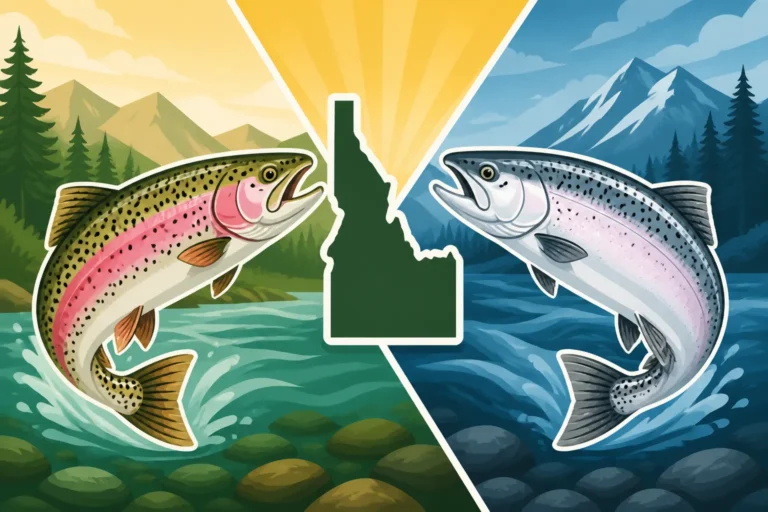
In Idaho, the presence of a clipped adipose fin on a steelhead is the universal, unmistakable sign that you have caught a hatchery-raised fish. Conversely, if the adipose fin is intact and present, you are almost certainly holding a wild steelhead. This is not a subtle hint; it's the definitive biological tag used by the Idaho Department of Fish and Game (IDFG) and other agencies to differentiate between these two populations.
Why is this distinction so crucial? Wild steelhead are the genetic backbone of the species. They are fish that have successfully spawned in their native rivers, and their offspring have survived the arduous journey to the ocean and back, adapting naturally to their environment. These fish are vital for the long-term health and resilience of the species. Hatchery fish, on the other hand, are bred and raised in controlled environments, often to supplement populations or provide harvest opportunities where wild populations might be struggling or protected. While they are genetically the same species, their life history and genetic fitness for natural survival can differ. Understanding this distinction is the first step in ethical and legal angling in Idaho. If you're looking to dive deeper into these differences, you might find Hatchery vs Wild Steelhead in Idaho to be a really insightful read.
The Purpose Behind the Clip: Why Idaho Does It
Idaho’s rivers are home to both wild and hatchery steelhead, and managing these populations sustainably requires careful strategies. The adipose fin clip is central to this management plan. Here's why it's so important to Idaho:
- Conservation of Wild Stocks: The primary reason for clipping is to protect wild steelhead populations. Many wild steelhead runs are listed under the Endangered Species Act or are otherwise highly valued for their genetic integrity. By requiring anglers to release all wild steelhead (those with intact adipose fins), Idaho ensures that these fish have the best chance to spawn and perpetuate their natural lineage. This means when you encounter a wild fish, your role is to admire, release, and help it continue its journey. This commitment to conservation is why posts like Why Wild Steelhead Must Be Released in Idaho are so critical for anglers to understand.
- Harvest Opportunities: While wild steelhead are protected, hatcheries produce fish specifically to provide harvest opportunities for anglers. These hatchery-raised fish are often robust, plentiful, and released in large numbers. The clipped fin allows anglers to confidently identify these fish and, within legal limits, keep them for consumption. This balances conservation with recreation, allowing anglers to enjoy the thrill of the catch and the reward of taking home a fish, without jeopardizing wild populations.
- Data Collection and Monitoring: The clip also serves as a critical tool for fishery biologists. By knowing whether a fish is wild or hatchery-origin, scientists can track survival rates, migration patterns, and the overall effectiveness of stocking programs. This data helps the IDFG make informed decisions about future stocking levels, habitat restoration, and fishing regulations, ensuring sustainable fisheries for generations to come.
Without this simple mark, it would be nearly impossible for anglers to tell the difference, leading to accidental harvest of protected wild fish and undermining vital conservation efforts.
Angler's Responsibilities: Fishing Idaho's Steelhead with Confidence
Okay, so you know what a clipped fin is and why it's important. Now, let's talk about what this means for you, the angler, out on the river. This isn't just about following rules; it's about being a responsible steward of Idaho's incredible fisheries.
Identifying Your Catch: Beyond the Adipose Clip
While the adipose fin clip is the most definitive indicator, sometimes, especially in the heat of the moment or with a less-than-perfect clip, you might find yourself second-guessing. A fish might have a natural injury that looks like a clipped fin, or perhaps the clip wasn't perfectly flush. This is where it helps to look for other clues to confirm your identification.
Here are a few additional indicators that can help confirm if your steelhead is hatchery-raised or wild:
- Fin Condition: Hatchery fish often have more worn, blunt, or damaged fins (other than the adipose) due to the crowded conditions and abrasion within hatchery raceways. Wild fish, living in a natural environment, typically have pristine, sharp, and perfectly formed fins.
- Snout and Head Shape: Sometimes, subtle differences in snout length or head shape can also be an indicator. Wild fish, having to forage and survive in natural currents, might develop slightly different physical characteristics compared to their hatchery counterparts.
- Overall Condition: While not a definitive rule, wild fish often appear leaner and more streamlined, having fought currents and predators their entire lives. Hatchery fish, especially those recently released, might sometimes appear a bit more robust or show less wear and tear from a difficult journey.
When in doubt, it's always best to assume the fish is wild and release it carefully. It's better to be safe than sorry when it comes to conserving Idaho's precious wild stocks. For a deep dive into all the visual cues, check out How to Tell a Hatchery Steelhead from a Wild One in Idaho.
Rules of Engagement: What to Do with Clipped vs. Wild Steelhead
This is where your knowledge translates directly into action. Idaho's fishing regulations are very clear about what you can and cannot do with a steelhead based on its adipose fin status.
- Clipped Adipose Fin (Hatchery Steelhead): If your steelhead has a clipped adipose fin, it is generally legal to keep it, provided you are within the daily bag limits for that particular river section and season. You must also possess the correct Idaho Steelhead Fishing Rules and have filled out your Idaho Catch Record Card Requirements appropriately. Remember, even for hatchery fish, there are usually specific daily and season limits, and these can vary by waterbody. Always consult the current Idaho fishing proclamation before heading out.
- Intact Adipose Fin (Wild Steelhead): If your steelhead has an intact adipose fin, it must be immediately released unharmed. There are no exceptions to this rule in Idaho unless explicitly stated for very rare, specific management scenarios (which are clearly outlined in the regulations if they exist). This is a non-negotiable part of conservation. Releasing a wild steelhead correctly means minimizing its time out of water, handling it gently with wet hands, and supporting it in the current until it swims away under its own power. Failing to release a wild steelhead, or otherwise violating these rules, can lead to significant fines and penalties.
The responsibility rests squarely on the angler to correctly identify their catch. Ignorance of the rules is not an excuse. Familiarize yourself with the regulations for the specific waters you plan to fish, and always have your current Idaho Fishing Regulation Brochure and Proclamation handy, either physically or on a reliable app. Understanding Idaho Catch Limits and Bag Limits Explained is also paramount to staying on the right side of the law.
Practical Implications for Your Idaho Fishing Trip
Beyond the identification and the regulations, knowing about clipped adipose fins has broader implications for how you approach your steelhead fishing adventures in Idaho. It influences your gear choices, where you decide to fish, and even how you think about your role in the ecosystem.
Gear Considerations for Responsible Angling
Because the adipose clip dictates whether you keep or release a fish, having the right gear is not just about catching; it's about responsible handling and conservation.
- Barbless Hooks: While not always mandated for all species in all waters, using barbless hooks for steelhead (and often required for sturgeon) makes releasing fish significantly easier and reduces harm. You can often find a wide variety of quality barbless hooks on Amazon, ensuring you're ready for any situation. Many anglers even pinch down the barbs on their existing hooks with a pair of pliers.
- Landing Net: A good quality, rubberized, knotless landing net is crucial. These nets are much gentler on a fish's delicate slime coat, fins, and scales compared to traditional knotted nylon nets. They help protect the fish during the brief period it's out of the water, especially if you need to quickly inspect its fin or get it ready for release. A quick search on Amazon will show you many excellent options.
- Forceps or Pliers: These tools are invaluable for quickly and cleanly removing hooks, especially if a fish is hooked deeply. Minimal handling means less stress for the fish. Again, Amazon is a convenient place to find sturdy, long-nosed forceps or pliers designed for fishing.
- Camera (Optional, but Recommended): If you plan to take a photo, do it quickly and with the fish partially submerged if possible. Photos are great for memories, but the fish's health comes first.
Investing in these items demonstrates a commitment to ethical angling and greatly increases the chances of a released fish surviving.
Finding Hatchery vs. Wild Waters
Knowing the difference between hatchery and wild steelhead can also influence your trip planning. Some rivers or river sections in Idaho are managed primarily for hatchery returns, offering more opportunities for harvest. Other areas are strictly managed for wild populations, meaning it's almost always catch-and-release.
For example, sections of the Clearwater River are renowned for strong hatchery steelhead returns, providing excellent harvest opportunities. Conversely, certain tributaries or more remote sections might be managed exclusively for wild fish, where the experience is purely about the catch-and-release thrill and conserving pristine populations. Your choice of water can align with your personal fishing goals—whether you're looking to fill your freezer or simply enjoy the challenge of connecting with a wild fish.
Always check the specific regulations for the river system and even the particular stretch of river you intend to fish. These details are meticulously laid out in the Idaho Fish and Game's annual fishing proclamation. Understanding Idaho Steelhead Bag Limits and Idaho Statewide General Fishing Rules for different areas can truly enhance your fishing strategy and ensure you're compliant. Don't forget that Idaho Fishing Permits and Stamps Explained will detail any additional endorsements you might need, beyond your basic license, to target steelhead.
Here's a quick comparison to summarize the key differences and angler actions:
| Feature | Hatchery Steelhead (Adipose Fin Clipped) | Wild Steelhead (Adipose Fin Intact) |
|---|---|---|
| Adipose Fin | Absent (clipped, leaving a smooth indentation) | Present (small, fleshy fin behind the dorsal fin) |
| Origin | Raised in a hatchery, then released into the river | Born and raised in the wild |
| Primary Purpose | To provide harvest opportunities for anglers | To maintain genetic diversity and natural populations |
| Angler Action (General) | May be kept within legal bag limits and season | Must be immediately released unharmed |
| Other Identifiers | Often show worn/blunt fins, sometimes slight differences in coloration | Typically have pristine fins, vibrant colors, streamlined body |
| Conservation Impact | Harvest helps manage hatchery returns without impacting wild populations | Immediate release ensures fish can spawn and contribute to wild stocks |
Remember, the Idaho fishing experience is about more than just catching fish; it's about appreciating and protecting the incredible natural resources we have. By understanding what a clipped adipose fin means, you become an integral part of that conservation effort, ensuring healthy fisheries for years to come.
Disclaimer
This article is for general informational purposes only and does not constitute professional advice. Laws, prices and regulations vary by location and change over time. Consult a qualified professional for guidance on your specific situation.