Best Tasting Fish Caught in Idaho
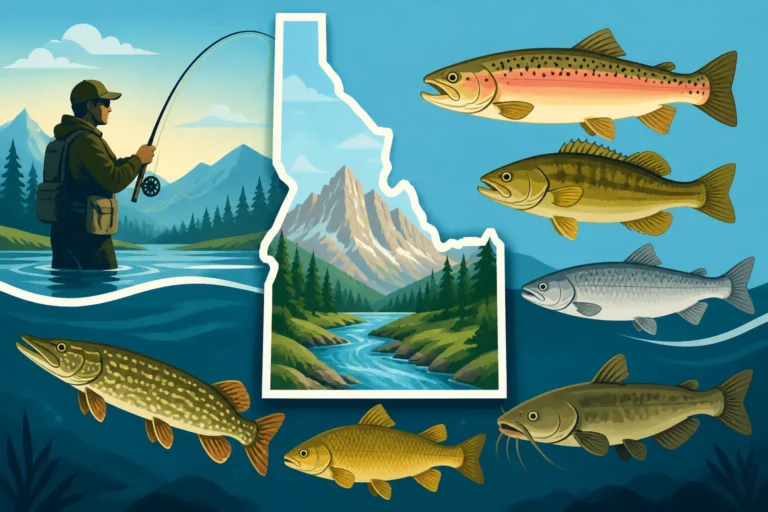
Every angler who’s ever brought a fresh catch home has asked themselves the same question: "What's the best tasting fish I can catch in Idaho?" It’s a common dilemma because while some fish are renowned fighters, others are celebrated for their culinary appeal. Navigating the diverse waters of the Gem State, from its pristine mountain lakes to its mighty rivers, can yield a bounty of delicious fish, and this guide is here to help you identify the top contenders for your dinner plate and offer tips to make them taste their absolute best.
The Quest for Idaho's Culinary Gems: Which Fish Truly Taste the Best?
When you’re out on the water, the thrill of the bite and the fight is often paramount, but let's be honest, a good meal at the end of the day makes the whole experience even better. Idaho is blessed with an incredible variety of fish, and many of them are absolutely delicious. Deciding which one takes the top spot can be a personal preference, but there are definitely some species that consistently rank high in flavor and texture among anglers and foodies alike.
Rainbow Trout: A Pan-Fried Classic
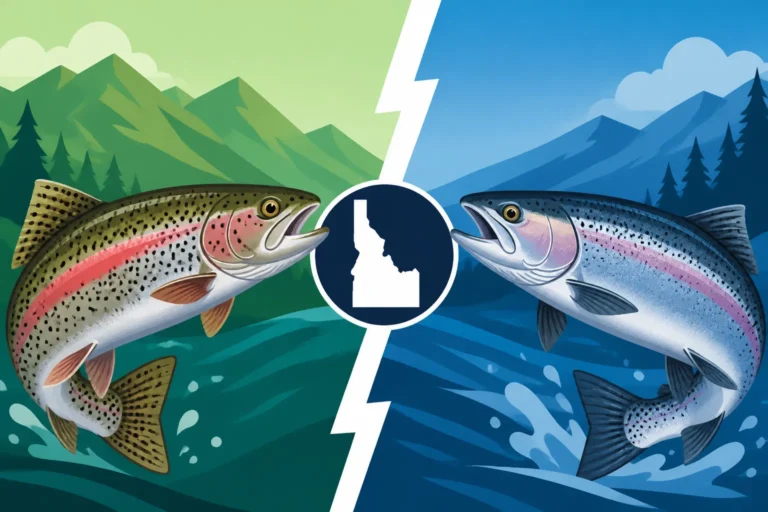
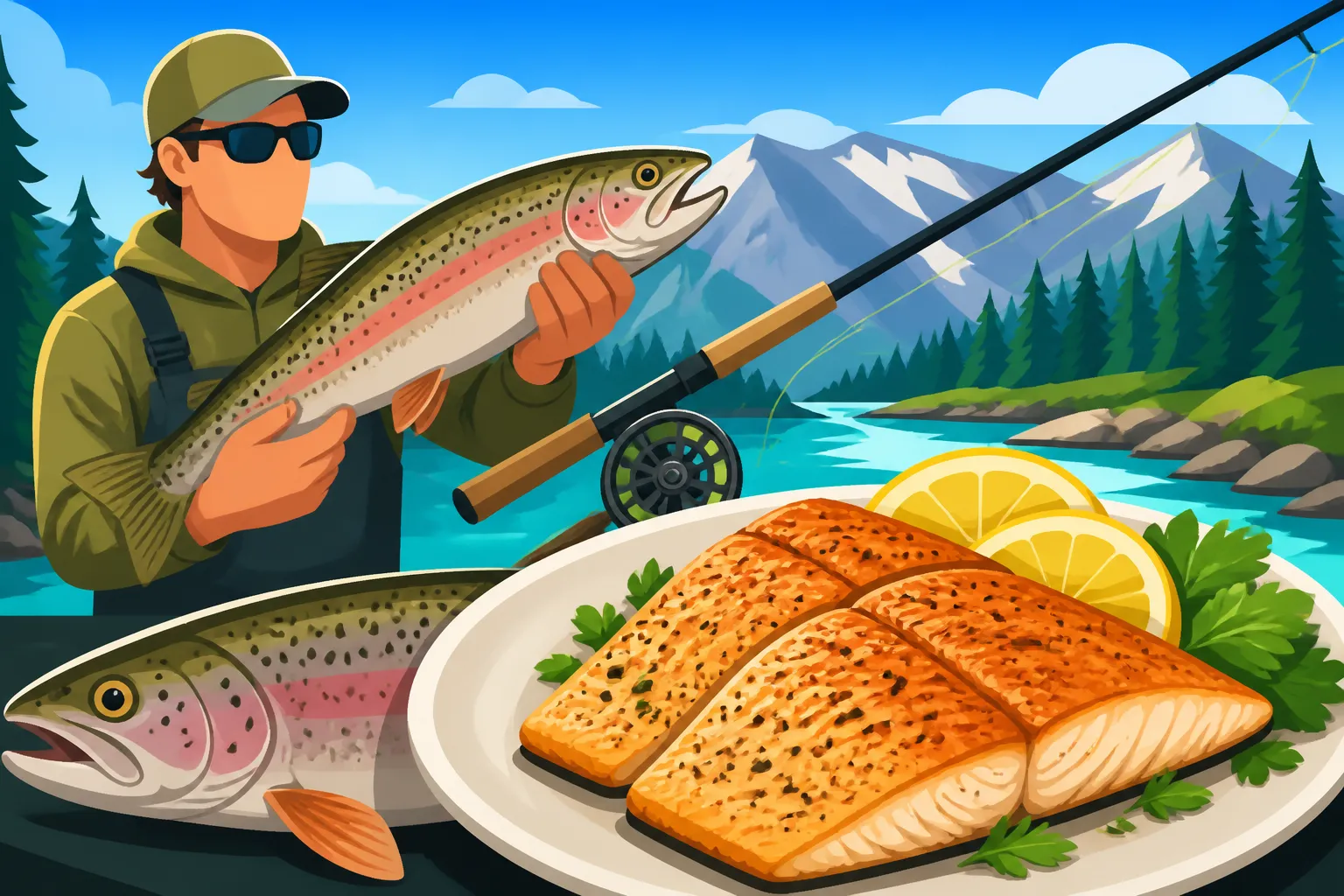
Ah, the humble Rainbow Trout. If there's one fish that epitomizes deliciousness in Idaho, it's often the rainbow. These beauties thrive in Idaho's abundant cold, clear streams, rivers, and lakes, and their diet of aquatic insects and smaller fish gives them a clean, delicate flavor. The flesh is usually white or light pink, tender, and flaky when cooked.
When you catch a rainbow trout, especially from a pristine mountain lake or a fast-flowing river, you’re in for a treat. They don't typically grow to monstrous sizes, making them perfect for individual servings. A common preparation is to simply gut them, leaving the head and tail on, and pan-fry them whole with a little butter, lemon, and dill. The skin crisps up beautifully, and the meat just falls off the bone. They're consistently delicious, which is why they're stocked so widely across the state and are a favorite for beginners and seasoned anglers alike.
Kokanee Salmon: A Sweet and Delicate Delight
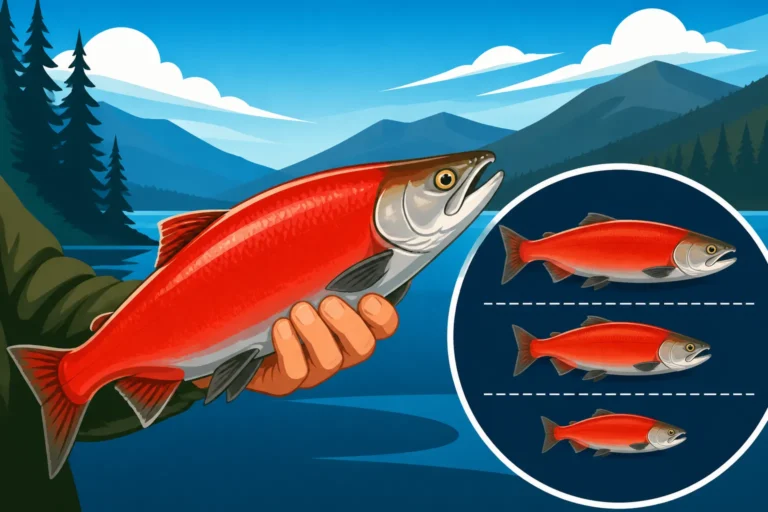
For many Idaho anglers, Kokanee Salmon are the undisputed kings of flavor. These landlocked sockeye salmon are distinct for their vibrant red-orange flesh, which is incredibly rich, sweet, and delicate. Unlike their anadromous sockeye cousins that migrate to the ocean, Idaho's kokanee spend their entire lives in freshwater lakes and reservoirs like Lake Coeur d'Alene, Lake Pend Oreille, and Anderson Ranch Reservoir. Their diet of zooplankton contributes to their distinctively sweet and non-fishy taste.
Kokanee are typically smaller, often in the 10-14 inch range, making them excellent for grilling, baking, or even smoking. The fat content is perfect for retaining moisture during cooking, resulting in a buttery texture. Imagine a perfectly grilled kokanee fillet with a touch of olive oil, salt, and pepper—it's truly a gourmet experience right from the lake. You can learn more about finding these prized fish in our How to Fish for Kokanee in Idaho guide.
Perch and Crappie: Panfish Perfection
Don't let their smaller size fool you; Yellow Perch and Crappie are absolute culinary treasures, especially when caught from clean, cool waters. These "panfish" earned their name because they are perfectly sized to fit in a frying pan, and their mild, white, flaky flesh is incredibly versatile and consistently delicious. They're a favorite among families and those who prefer a less "fishy" taste.
Perch are known for their firm, sweet meat, while crappie offer a slightly more delicate texture. Both are excellent when filleted, lightly battered or breaded, and fried until golden brown. You’ll find these abundant in many of Idaho’s reservoirs and lakes, like American Falls Reservoir, Cascade Reservoir, and Lake Lowell. When you've got a cooler full of these, you're set for a fantastic fish fry.
Steelhead: The Anadromous Delicacy
When we talk about the ultimate Idaho fishing experience, Steelhead often come to mind. These migratory rainbow trout return from the ocean to Idaho's rivers like the Clearwater and Salmon, providing an incredible fight. While most wild steelhead must be released, hatchery steelhead with a clipped adipose fin can often be retained, depending on specific Idaho Catch Limits and Bag Limits Explained and open seasons. If you're lucky enough to keep one, you're in for a culinary masterpiece.
Steelhead have rich, red-orange flesh that is firm, fatty, and deeply flavorful, often compared to true salmon. This richness comes from their ocean diet. They are phenomenal baked, grilled, or even smoked. The robust flavor stands up well to stronger seasonings and marinades. Just remember, always check the current Idaho Fishing Regulations Explained before planning to keep a steelhead, as rules can change and are often quite specific.
Catfish: An Underappreciated Treat
While not everyone's first thought for "best tasting," Channel Catfish are a surprisingly delicious option, especially when handled and prepared correctly. They have a mild, firm, white meat with a distinctive, slightly sweet flavor that many anglers absolutely adore. The key to great-tasting catfish is catching them from clean water and ensuring proper handling post-catch. You'll find good populations of channel catfish in many of Idaho's warmer, slower-moving rivers and reservoirs.
Many people swear by deep-frying catfish fillets with a cornmeal crust, and it’s hard to argue with that classic preparation. However, they also stand up well to grilling or baking with bold spices. If you've never tried fresh Idaho catfish, don't knock it until you've tasted it. It can be a truly rewarding culinary experience.
Here’s a quick overview of these delicious Idaho fish:
| Fish Species | Flavor Profile | Texture | Common Preparation Methods |
|---|---|---|---|
| Rainbow Trout | Mild, delicate, clean | Flaky, tender | Pan-fried whole, baked, grilled, smoked |
| Kokanee Salmon | Sweet, rich, delicate | Buttery, flaky | Grilled fillets, baked, smoked |
| Yellow Perch | Mild, sweet, non-fishy | Firm, flaky | Pan-fried (battered/breaded), baked |
| Crappie | Mild, very delicate | Very flaky | Pan-fried (battered/breaded), baked |
| Steelhead | Rich, robust, salmon-like | Firm, fatty | Grilled, baked, smoked, broiled |
| Channel Catfish | Mild, slightly sweet, earthy | Firm, dense | Deep-fried, grilled, baked with bold seasonings |
What Makes a Fish Taste Good? Understanding the Factors
It's not just the species; several factors play a huge role in how delicious your catch will be. Ever wonder why a trout from one lake tastes better than one from another? Or why a specific fish sometimes has a muddy flavor? It's often because of these elements.
The Impact of Water Quality and Diet
This is perhaps the biggest determinant of a fish’s flavor. Fish are, quite literally, what they eat and where they live.
- Cold, Clear Water: Fish caught from cold, pristine waters, like Idaho’s high mountain lakes or fast-flowing rivers such as the Henry's Fork or Salmon River, almost always taste better. The consistent flow and low temperatures keep the water clean, reducing any "muddy" or off-flavors. Trout and kokanee from these environments are particularly renowned for their clean, sweet taste.
- Warm, Stagnant Water: Conversely, fish from warmer, slower-moving, or muddier waters can sometimes have an "earthy" or "muddy" taste. This is often due to compounds called geosmin and methylisoborneol (MIB), produced by certain blue-green algae and bacteria in their environment, which the fish absorb. Catfish from such waters are more prone to this, though proper handling can mitigate it.
- Diet: The diet of a fish directly impacts its fat content and flavor. Kokanee, feeding on zooplankton, develop a sweet, rich flesh. Trout that feed on a varied diet of insects, crustaceans, and smaller fish in healthy ecosystems develop excellent flavor. Conversely, fish in areas with limited or unappealing food sources might not be as flavorful.
Proper Handling from Hook to Plate
You can catch the most prized fish, but if you don't handle it correctly after it comes out of the water, its culinary potential can be severely diminished. This is often overlooked, but it's critical.
- Stress: A fish that struggles extensively on the line and isn't dispatched quickly will release lactic acid into its muscles, which can negatively affect taste and texture. Reducing fight time and dispatching humanely is a good practice.
- Temperature: Fish flesh deteriorates rapidly at warm temperatures. This is why keeping your catch cold is paramount. Letting a fish bake in the sun in your kayak or on the bank is a surefire way to ruin its flavor and texture, regardless of species.
Tips for Maximizing the Flavor of Your Idaho Catch
You’ve landed that beautiful Idaho fish, now what? The journey from the water to your dinner plate is crucial for ensuring it tastes its absolute best. A little extra care here goes a long, long way.
Immediate Care After Catch
The moment you land a fish you intend to keep, its quality starts to decline unless you intervene.
- Bleed the Fish: This is perhaps the single most important step for improving flavor, especially for larger fish like steelhead, Chinook, or even larger trout. Cut the gills or sever the artery just behind the pectoral fin as soon as possible. Bleeding removes blood from the flesh, which can otherwise contribute to a "fishy" taste and accelerate spoilage. Do this immediately after dispatching the fish.
- Gutting: While not always necessary immediately if you can get the fish on ice quickly, gutting the fish shortly after catching it can further enhance flavor and shelf life. Removing the internal organs prevents digestive enzymes from breaking down the flesh and eliminates any potential for off-flavors from the gut contents.
- Get it on Ice, Fast! The golden rule: put your fish directly into a cooler filled with ice (not just cold water) as soon as possible. This rapidly brings down the core temperature, slowing bacterial growth and preserving the firm texture and fresh flavor. A good quality cooler is an indispensable tool for any angler who plans to keep their catch. You can find excellent, durable coolers on Amazon that are perfect for keeping your fish fresh on those long Idaho fishing trips.
Simple and Effective Cooking Methods
Sometimes the simplest preparations are the best because they let the natural, delicious flavor of Idaho fish shine through.
- Pan-Frying: This is a classic for a reason, especially for trout, perch, and crappie. A light dusting of seasoned flour or cornmeal, a hot pan with butter or oil, and a few minutes per side yield a crispy exterior and moist, flaky interior. A squeeze of lemon and a sprinkle of fresh parsley or dill are all you need.
- Baking or Roasting: For larger fillets or whole fish like steelhead or kokanee, baking or roasting is a healthy and delicious option. Place the fish on a baking sheet, brush with olive oil, season with salt, pepper, and herbs (like thyme or rosemary), and bake until the flesh flakes easily with a fork. This method works wonders for retaining moisture and developing a delicate crust.
- Grilling: If you love the smoky char, grilling is fantastic for firmer fish like steelhead or thicker fillets of trout. Ensure your grill grates are clean and well-oiled to prevent sticking. A cedar plank can add an incredible aroma and flavor dimension to salmon and steelhead, enhancing that sweet, rich taste. Many anglers find convenient grilling accessories and seasonings through retailers like Amazon.
- Smoking: For kokanee and steelhead, smoking is a time-honored tradition that creates an incredibly rich, concentrated flavor. A good smoker and a quality brine are essential, turning your catch into a gourmet treat that can be enjoyed for days. You might even want to look on Amazon for a beginner-friendly smoker if you're serious about preserving your catch this way.
No matter your chosen method, remember that fresh fish cooks quickly. Overcooking is the enemy of good fish, turning delicate flesh dry and unappetizing. Aim for just cooked through, where the fish is opaque but still moist and tender.
Respecting the Resource: Fishing Responsibly
While we all love a tasty meal, it's paramount that we approach fishing with respect for the environment and the fish populations. Sustainable practices ensure that Idaho's incredible fishing opportunities will be here for generations to come.
Know Your Idaho Regulations
Idaho has diverse and sometimes complex fishing regulations that vary by species, water body, and season. Before you even cast a line, make sure you understand the rules for the specific area you're fishing.
- Catch Limits and Bag Limits: These are put in place to ensure sustainable populations. Never exceed the daily bag limit or the possession limit. Our Idaho Catch Limits and Bag Limits Explained article goes into more detail on these.
- Species Identification: Knowing the difference between similar-looking fish is crucial. For instance, distinguishing between hatchery and wild steelhead can mean the difference between a legal retention and a mandatory release. Always refer to official resources like the Idaho Steelhead Identification Guide if you're unsure.
- Special Regulations: Some waters have unique rules, such as catch-and-release only, barbless hook requirements, or specific bait restrictions. These are often in place to protect sensitive populations or enhance fishing quality. Ignoring them can lead to fines and harm the fishery.
Sustainable Practices for Delicious Futures
Being a responsible angler goes beyond just following the rules; it's about being a steward of the resource.
- Only Keep What You'll Eat: Resist the temptation to fill your cooler to the absolute limit if you won't consume all that fish. Fresh is best, and freezing fish can sometimes diminish its quality. Take what you need and leave the rest for others or for the ecosystem.
- Proper Catch and Release: For fish you don't intend to keep, practice good catch-and-release techniques. Minimize handling, use barbless hooks, and release fish quickly and gently, especially in warmer water conditions. This ensures that released fish have the best chance of survival.
- Clean Up Your Act: Always pack out everything you pack in, and leave no trace. This includes fishing line, bait containers, and any other trash. A clean environment benefits both the wildlife and the enjoyment of future anglers.
By understanding what makes a fish delicious, taking proper care of your catch, and always respecting Idaho's invaluable fisheries, you can ensure every trip is not only a fantastic angling adventure but also a truly rewarding culinary one. Happy fishing, and tight lines!
Disclaimer
This article is for general informational purposes only and does not constitute professional advice. Laws, prices and regulations vary by location and change over time. Consult a qualified professional for guidance on your specific situation.