Hidden Fishing Spots Idaho Locals Don’t Talk About
Finding that perfect, quiet fishing spot in Idaho, away from the crowds, can feel like an impossible quest these days. With so many amazing rivers and lakes, it seems everyone knows the popular ones, making true solitude harder to come by. This guide aims to pull back the curtain on some of those lesser-known gems and the strategies Idaho locals use to discover unpressured waters, helping you find your own slice of angling serenity.
Uncovering Secluded High Mountain Lakes and Backcountry Streams
Idaho is a treasure trove of high mountain lakes and pristine backcountry streams, many of which rarely see significant fishing pressure simply because they require a bit of effort to reach. These aren't the spots you drive right up to; they demand a hike, sometimes a substantial one, but the reward is often well worth the sweat.
The Lure of Alpine Lake Trout and Cutthroat
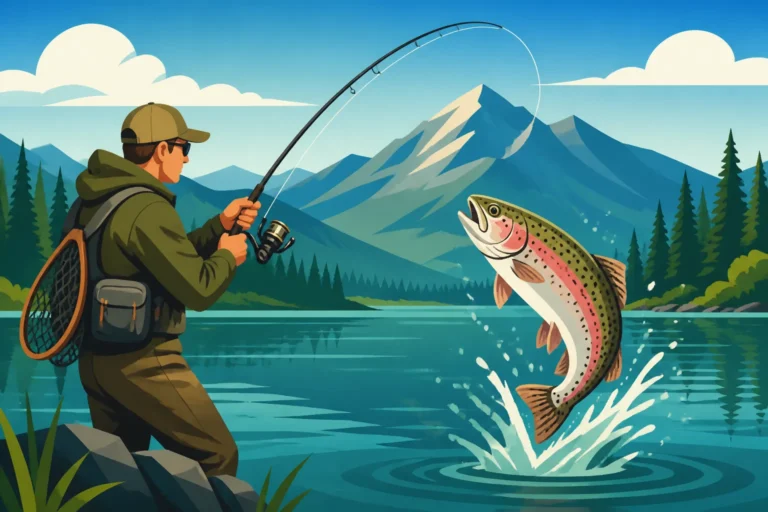
Imagine crystal-clear water, jagged peaks reflecting on the surface, and the only sound is the gentle whisper of the wind and the splash of a rising trout. This is the reality of Idaho's high mountain lakes. Often teeming with native cutthroat trout or feisty brook trout, and sometimes even a healthy population of rainbow trout, these lakes offer incredible solitude and often naive fish. The species you'll find often depends on the elevation and whether the lake has been periodically stocked by Idaho Fish and Game via airplane drops. Lakes above 7,000 feet, particularly in the Sawtooth, White Cloud, and Frank Church Wilderness areas, are prime candidates. They might be small, but their pristine nature and the willingness of the fish to bite can make for an unforgettable experience.
Many of these lakes are too small or remote to be heavily publicized, relying instead on word-of-mouth among seasoned hikers and local anglers. Planning a trip to one of these spots means consulting detailed topographic maps, checking trail conditions, and being prepared for all types of weather, even in summer. You might even find success on a multi-day backpacking trip, allowing you to hit several lakes or streams in one go. Remember, these fragile ecosystems are often catch-and-release-only for certain species, so always check the latest regulations in the current Idaho Fishing Regulation Brochure and Proclamation.
Exploring Lesser-Known Tributaries and Headwaters
While the main stems of Idaho's famous rivers like the Salmon or the Clearwater draw anglers from all over, their smaller tributaries and headwater streams often hold hidden pockets of fantastic fishing. These smaller waters, often meandering through dense forests or remote canyons, require a different approach. You might be bushwhacking more than walking a maintained trail, and the fish, while not always trophy-sized, are often aggressive and plentiful.
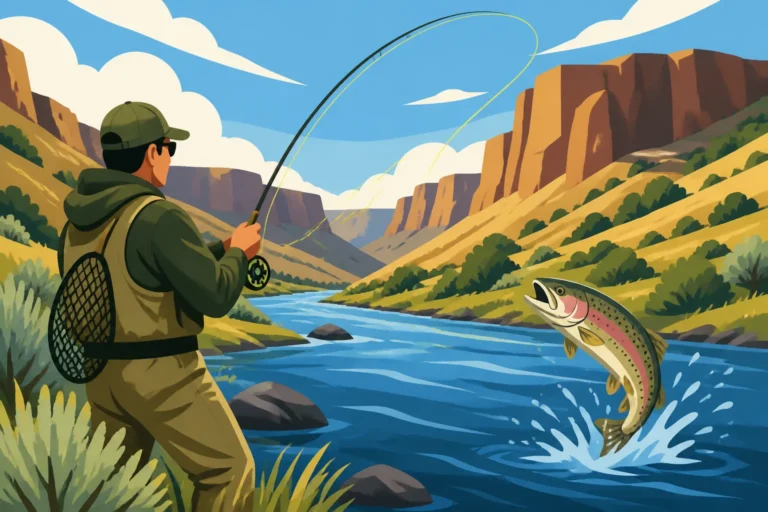
Think about the smaller creeks that feed into larger rivers such as the Selway, Lochsa, or even lesser-known creeks in the Boise National Forest. These waters are often perfect for fly fishing with small dry flies or nymphing techniques. The fish here, primarily cutthroat and rainbow trout, are less pressured because access can be challenging, involving long drives on gravel roads, river crossings, or navigating thick timber. It's a true adventure that takes you away from the typical roadside pull-offs. A great way to discover these spots is to spend time poring over maps, looking for small blue lines that intersect with wilderness areas or national forests, then cross-referencing with online forums or local tackle shop advice (if you can get them to spill the beans!). Sometimes, the "hidden" aspect is simply due to the physical effort required to get there.
Off-the-Beaten-Path Reservoirs and Ponds
Idaho has a vast network of reservoirs and smaller ponds, and while some are widely known and heavily fished, many others fly under the radar. These often provide excellent opportunities for a variety of species, from bass and crappie to trout and perch, without the intense competition of their more famous counterparts.
Unveiling Smaller, Less-Pressured Reservoirs
Beyond the giants like Lake Coeur d'Alene or Cascade Reservoir, Idaho is dotted with numerous smaller reservoirs. These impoundments, often created for irrigation or power generation, can offer incredible fishing. Places like Ririe Reservoir near Idaho Falls, known for its trout and kokanee, or Crane Creek Reservoir west of Council, which can hold good populations of bass and crappie, don't get the same level of attention as the bigger names. Many of these are managed by local water districts or the Bureau of Reclamation, and their access points might be less developed, discouraging casual visitors.
The key to finding success on these reservoirs is often to think seasonally and understand the fish behavior for the species present. For instance, early spring or late fall can be prime times when fish are shallower and less spooky. Unlike the major reservoirs where multiple boat ramps and marinas are common, these smaller bodies of water might only have one or two rough access points, making a boat or even a kayak a distinct advantage. If you're looking for an alternative to the popular spots, consider exploring reservoir options near towns like Council, Mackay, or Fairfield. Sometimes, a quick search on a platform like FishingBooker for guides in these smaller regions can reveal insights into less-known local fisheries.
Neglected Ponds and Small Lakes
Every corner of Idaho seems to have a few small ponds or lakes that most people drive right past. These bodies of water might be former gravel pits, small municipal ponds in outlying areas, or even just natural depressions that have filled with water. They often get stocked by Idaho Fish and Game with rainbow trout, making them fantastic for a quick, productive outing, especially for families or beginners. While not "hidden" in the wilderness sense, they are often overlooked by serious anglers who prefer bigger, wilder waters.
These smaller ponds can be real gems. For example, some small ponds just outside of cities like Caldwell or Blackfoot might not make the headlines, but they offer consistent panfish action (bluegill, crappie, perch) or even largemouth bass. They are often accessible from shore and can be perfect for teaching kids how to fish without the frustration of crowded docks or long waits. The "hidden" aspect here is more about local knowledge—knowing which small, unnamed pond holds a surprisingly good population of fish that gets replenished regularly. Don't be afraid to pull over and check out that little body of water you’ve always noticed from the road; you might just stumble upon your new favorite spot.
Strategies for Discovering Your Own Secret Fishing Havens
Finding truly hidden spots isn't always about a secret map; it's often about developing a keen eye, doing your homework, and being willing to put in the effort.
Dive Deep into Maps and Satellite Imagery
One of the most powerful tools in an angler's arsenal is detailed maps. Topographic maps, especially those showing remote trails and elevation changes, can reveal streams and lakes far from any road. Satellite imagery, easily accessible online, allows you to zoom in and look for access points, trails, clearings, or even subtle changes in water color that might indicate a fishy spot. Look for drainages that funnel into larger rivers, especially those that appear to have less human development along their banks. These are prime candidates for holding wild trout.
When you're studying a map, pay attention to the contour lines. Steep, rugged terrain often means fewer visitors, which translates to less pressured fish. Look for areas with minimal road access or trails that seem to dead-end far from a major highway. Sometimes, a hike of just a few miles can put you in water that sees only a handful of anglers all year. Online resources, including the Idaho Fish and Game's own website, can also provide fish stocking reports and access maps that, while not explicitly "hidden," might point you to waters that are less popular than others.
Leveraging Local Knowledge and Guided Trips
While some locals are famously tight-lipped about their favorite spots, others, particularly professional fishing guides, make it their business to know where the fish are, even in less-obvious locations. A guided trip, especially with a reputable guide who genuinely loves to share their knowledge, can be invaluable for unlocking access to water you might never discover on your own. They know the seasonal patterns, the obscure access points, and the precise techniques needed for specific areas.
Many guides operate in specific regions and have spent decades learning the nuances of their local waters. While you might not want to hire a guide for every trip, a single outing can provide a wealth of information that you can then apply to your own explorations. Services like FishingBooker can help you find experienced Idaho fishing guides in various regions, from the Panhandle to Eastern Idaho, who specialize in everything from fly fishing high mountain streams to chasing bass in tucked-away reservoirs. Don't underestimate the power of simply striking up a friendly conversation with local bait shop owners, forest service rangers, or seasoned anglers you meet on the river—you might get a subtle hint that leads to a big discovery.
Embrace the Exploration Mindset
Ultimately, finding Idaho's hidden fishing spots is about adopting an adventurous spirit. It means being willing to venture beyond the paved roads and popular access points. Sometimes, a "hidden" spot is simply a section of a well-known river that requires a strenuous hike to reach, or a small pond that's only accessible via a bumpy, unmaintained forest service road. These places often have less competition and offer a more authentic, wild Idaho fishing experience.
Table: Types of Less-Pressured Fishing Spots in Idaho
| Spot Type | Primary Fish Species | Typical Access Method | Effort Level | Potential for Solitude |
|---|---|---|---|---|
| High Mountain Lakes | Cutthroat, Brook, Rainbow Trout | Hiking (often strenuous) | High | Very High |
| Backcountry Streams | Cutthroat, Rainbow Trout | Hiking, Bushwhacking | High | Very High |
| Smaller Reservoirs | Trout, Bass, Crappie, Perch | 4×4 Road, Boat/Kayak Launch | Medium | Medium to High |
| Neglected Local Ponds | Rainbow Trout, Panfish, Bass | Shore Access, Short Walk | Low to Medium | Medium |
| Remote River Sections | Steelhead, Trout, Salmon | Drift Boat, Jet Boat, Long Hike | Medium to High | High |
Remember that what's "hidden" can change over time. A spot that was once quiet might become more popular, and new opportunities can emerge. Keep exploring, keep learning, and you'll continually discover new places to cast a line. For example, understanding Idaho Fishing License Guide requirements and specific Idaho Fishing Regulations Explained for various waters will be crucial before you head out to these remote spots. Also, consider the specific Idaho Fishing Gear Guide by Season to ensure you're prepared for the conditions you might encounter in the backcountry. Don't forget that even in remote locations, a valid Idaho Fishing License Cost Guide is always required, and understanding Idaho Catch Limits and Bag Limits Explained will keep you compliant.
Exploring these quieter waters is an incredible way to experience the vast beauty of Idaho. Whether you're targeting Idaho Cutthroat Trout Fishing Guide in a high mountain lake or hoping to find some chunky bass in an obscure reservoir, the journey itself is often as rewarding as the catch. And sometimes, the best part is just having a whole stretch of water all to yourself. You might even find a guide through FishingBooker who can show you some of these special places, teaching you advanced Idaho Fishing Techniques Guide along the way, or even help with understanding Idaho Fishing Season Dates and Limits for those harder-to-reach areas.
Disclaimer
Please be aware that fishing regulations in Idaho can change. Always consult the latest Idaho Fish and Game regulations and proclamations before heading out on any fishing trip. Be prepared for variable weather conditions, especially in the backcountry, and always prioritize safety. This guide offers general advice and does not guarantee specific fishing success or conditions.