Best Guided Trips for Photography Along with Fishing in Idaho
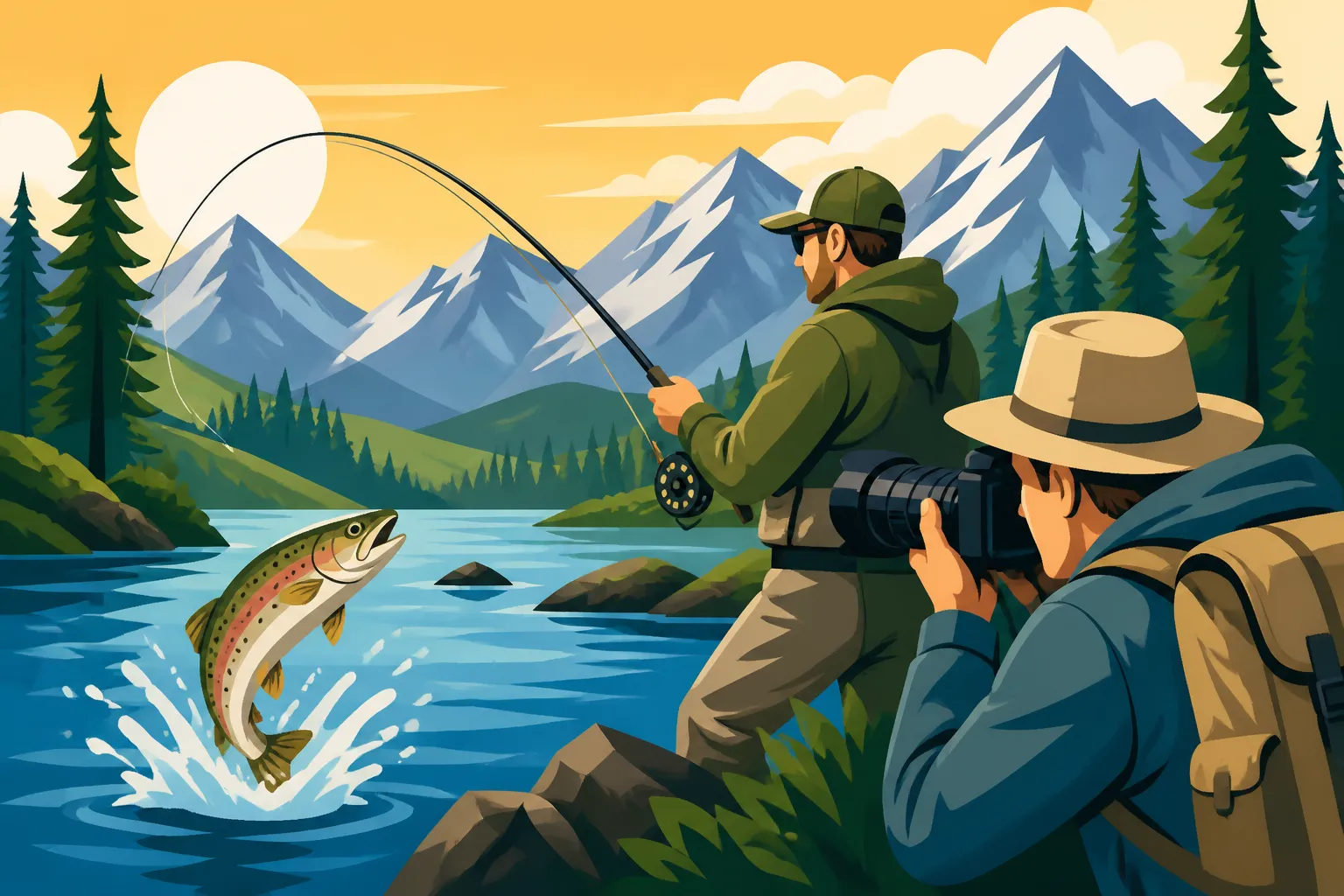
For many of us who love the outdoors, there's a constant tug-of-war between fully immersing ourselves in an experience, like the thrill of reeling in a magnificent Idaho trout, and capturing those breathtaking moments forever with a camera. It can feel like you have to choose one or the other, often leading to missed photo opportunities or a less-than-focused fishing session. But what if you could have both? This guide will dive deep into how to find and plan guided fishing trips in Idaho that truly cater to your passion for both angling and photography, ensuring you come home with incredible memories and stunning images.
What Makes a Guided Fishing Trip Photography-Friendly?
It’s easy to think a "photography-friendly" trip just means bringing your camera along, but it's so much more nuanced than that, especially when you're also trying to fish. A truly photography-centric fishing trip requires specific considerations, both from you as the angler-photographer and from the guide you choose. It's about finding that sweet spot where the pursuit of fish doesn't overshadow the opportunity to capture the stunning environment, the action, and the joy.
Understanding the Pace and Priorities
The biggest difference between a standard fishing trip and one that welcomes photography is the pace. Most guides are focused on getting you on fish, and that often means moving efficiently from one spot to the next, casting constantly, and maximizing fishing time. This is fantastic if your sole goal is to fill your creel or get as many bites as possible. However, it can be frustrating if you keep wanting to pause for a scenic shot of the river bend or to capture the sunrise painting the canyon walls.
A photography-friendly guide understands this desire to pause. They might build in extra time at particularly scenic spots, position the boat for better light, or even suggest prime times of day for certain types of shots (like golden hour for epic landscape or fish photos). It's a subtle shift in priorities from pure fish-catching to a blend of sport and artistry. This doesn't mean less fish, it just means a more mindful approach to the entire experience. You'll want to communicate these desires upfront when booking, perhaps even looking for guides who explicitly market "scenic" or "photography" trips on platforms like FishingBooker.
The Right Gear and Guide's Expertise
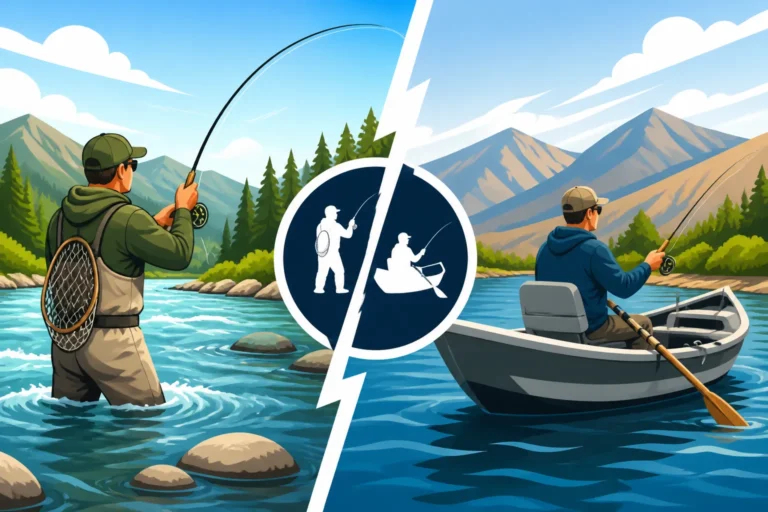
Beyond the guide's patience, the type of trip and gear can also play a huge role. For instance, a drift boat trip on a beautiful river like the South Fork of the Snake River offers a stable platform and constantly changing scenery perfect for landscape shots and action photography. Wade trips, while intimate, can be more challenging for carrying bulky camera gear, though they excel at capturing close-up action or unique angles from the water's edge.
Some guides are even avid photographers themselves, or at least highly experienced in working with photographers. They might know the best angles for a fish portrait, the perfect spot to capture a dramatic mountain backdrop, or even how to handle a camera if you want a shot of yourself fighting a fish. Don't be shy about asking potential guides about their experience with photographers or if they have specific boats or trip styles that lend themselves well to capturing images. Remember, a good guide isn't just about finding fish; it's about curating an entire experience.
Top Idaho Waters for Scenic Beauty and Productive Fishing
Idaho is a treasure trove of incredible fishing opportunities set against some of the most stunning backdrops in the West. When you're looking for a guided trip that blends fantastic angling with unparalleled photography, certain rivers and lakes truly stand out. It's about finding locations where the natural beauty is as compelling as the fish lurking beneath the surface.
Iconic Rivers: Middle Fork of the Salmon, Henry's Fork, and South Fork of the Snake
When it comes to rivers that deliver both incredible fishing and postcard-perfect scenes, these three are often at the top of the list.
-
Middle Fork of the Salmon River: This is truly a wilderness experience, often requiring multi-day float trips. Imagine towering granite walls, pristine clear water, and the chance to catch native cutthroat trout in an untouched setting. The isolation itself is a huge part of the photographic appeal, with dramatic canyon landscapes, incredible wildlife viewing opportunities, and the ever-present sense of wildness. Capturing the remote camps at sunset, the reflections on the glassy morning water, or the sheer scale of the Frank Church River of No Return Wilderness is an experience in itself. Guides specializing in these longer excursions are typically well-versed in catering to guests who want to savor every moment, camera in hand. You can find excellent Middle Fork of the Salmon River Fishing Outfitters who understand this unique blend.
-
Henry's Fork: Famous worldwide for its challenging, selective trout and breathtaking spring creek scenery, the Henry's Fork is a fly angler's paradise and a photographer's dream. The water is often crystal clear, allowing for stunning underwater shots or clear views of rising trout. The surrounding meadows, abundant wildlife, and the backdrop of the Tetons in the distance create endless compositional possibilities. Early morning mists, vibrant green vegetation, and the delicate dance of fly-fishers on technical water all make for compelling imagery. Fishing Henry's Fork for Fly Anglers is an experience that lends itself beautifully to capturing both the serene moments and the intense concentration of the sport.
-
South Fork of the Snake River: Another premier float fishing river, the South Fork offers big, powerful rainbow and cutthroat trout amidst a truly epic landscape. Cottonwood galleries line the banks, towering bluffs rise above, and the abundant wildlife – including eagles, deer, and moose – provide constant photographic subjects. The wide-open nature of much of the river allows for sweeping landscape shots, while the powerful fish provide fantastic action photography opportunities. A guided drift boat trip here provides comfort and mobility for setting up shots, and the constantly changing light on the canyon walls can be magical. If you're looking for a trip where every bend reveals a new scenic marvel, the Fishing the South Fork of the Snake River will not disappoint.
Serene Lakes: Priest Lake and Lake Coeur d'Alene
Idaho's large, glacially carved lakes offer a different but equally stunning canvas for photography alongside excellent fishing.
-
Priest Lake: Tucked away in North Idaho, Priest Lake is known for its deep, clear waters and towering old-growth forests. It's home to trophy-sized lake trout and cutthroat, and the fishing here is often about the hunt in a vast, pristine environment. The photographic appeal lies in the dramatic scale of the lake, the surrounding Selkirk Mountains, and the stunning sunsets over the water. Reflections of the mountains on calm mornings are simply incredible. Charters here often offer spacious boats, perfect for having your camera ready without feeling cramped. Imagine capturing the deep blues of the water contrasted with the vibrant greens of the forest, or the sheer joy of landing a massive Mackinaw. If you're drawn to big water and dramatic, uncrowded scenery, explore Priest Lake Fishing Charters.
-
Lake Coeur d'Alene: While more developed than Priest Lake, Lake Coeur d'Alene still offers immense beauty and fantastic fishing for Chinook salmon and kokanee. The vibrant colors of sunrise and sunset over the lake, the iconic CDA Resort in the distance, and the tree-lined shores provide a beautiful backdrop. During fall, the changing leaves add another layer of visual interest. Trolling trips on this lake mean you're often moving at a leisurely pace, which can be ideal for spotting and capturing scenic vistas or wildlife. It's a blend of accessible beauty and exciting fishing, perfect for those who want stunning photos without venturing too far into the wilderness. Look into Lake Coeur d'Alene Fishing Charters to explore options here.
Finding the Right Guide Who Understands Your Vision
Booking the perfect guided fishing trip that marries your love for angling with your passion for photography is all about finding the right partner. The guide isn't just a captain; they're the curator of your experience. Their attitude, flexibility, and understanding of your goals will make all the difference.
Communication is Key: Setting Expectations from the Start
This cannot be stressed enough: upfront communication is absolutely vital. When you're making initial inquiries, don't just ask about fish species or rates. Clearly articulate that photography is a significant part of your trip's objective. Explain what kind of shots you're hoping to get—is it action shots of fish being caught, sweeping landscapes, wildlife, or perhaps even portraits of you or your companions?
A good starting point when contacting guides (many of whom can be found through platforms like FishingBooker) is to ask questions like:
- "Are you comfortable pausing for photo opportunities?"
- "Do you have a preferred time of day or specific spots that offer the best photographic backdrops?"
- "What type of boat do you use, and is there space to safely store camera gear?"
- "Have you guided photographers before, and what was that experience like?"
Some guides are naturally more inclined to accommodate this, while others might find it disruptive to their usual fishing flow. It’s better to know this before you book to avoid any disappointment on the water. Be honest about your priorities; if getting the shot is as important as getting the fish, say so.
Researching and Vetting Guides for Photography Focus
Just like you'd research a guide's fishing prowess, you should also look for clues about their photography-friendliness.
- Check their websites and social media: Do they have high-quality photos on their own sites? Do they post scenic shots or photos of happy clients with fish? This can indicate an appreciation for visual aesthetics. If their gallery is full of quick cell phone snaps, they might not be as focused on capturing the "epic" shot.
- Read reviews: Look for reviews that mention the guide's patience, flexibility, or comments about clients taking lots of pictures. Sometimes past clients will inadvertently mention how accommodating the guide was in this regard.
- Ask for references: If you're planning a significant trip, don't hesitate to ask for references from previous clients who might have had similar photography interests. A reputable guide will be happy to provide them.
- Consider specialized trips: Some outfitters are starting to offer dedicated "photo-fishing" or "scenic fishing" trips. These are usually designed specifically with photographers in mind, often offering longer durations, more flexibility, and even a guide who acts as a secondary spotter for photo opportunities. For example, some Idaho Fishing Guides and Charters Directory listings might highlight these niche offerings.
| Aspect of Guide Service | Standard Fishing Trip Focus | Photography-Friendly Trip Focus |
|---|---|---|
| Pace of Trip | Efficient, constant casting, maximizing fish contact. | Flexible, willing to pause for shots, mindful of light. |
| Boat Positioning | Best for drift, current, or fish-holding structure. | Best for light, backdrop, and specific shot angles. |
| Guide's Involvement | Netting fish, re-rigging, finding next spot. | May assist with gear, suggest angles, share scenic knowledge. |
| Gear Considerations | Basic fishing gear. | Secure storage for camera equipment, consideration for quick access. |
| Communication | Focused on fish species, techniques, regulations. | Discusses photo goals, scenic stops, timing for best light. |
By carefully selecting a guide who shares your vision, you transform a simple fishing trip into a truly integrated experience, where the pursuit of stunning images is as fulfilling as the thrill of the catch.
Tips for Maximizing Your Photo Opportunities While Fishing
Even with the most photography-friendly guide, there are steps you can take to ensure you capture the best possible images without compromising your fishing experience too much. It's all about preparation, efficiency, and a little bit of planning.
Gear Considerations and Accessibility
First, think about your camera gear. While a full DSLR setup with multiple lenses can produce incredible results, it can also be cumbersome on a boat or while wading. Consider bringing a more compact mirrorless camera or a high-quality smartphone with excellent camera capabilities, especially if you're worried about water damage or quick access. Waterproof cameras or cases are a smart investment.
- Protect your gear: Water is the enemy of electronics. Invest in dry bags, waterproof cases, and always have a lens cloth handy. Even a light splash can ruin a shot or worse.
- Easy access: Keep your most-used camera readily accessible, but secure. A chest pack or a sling bag that can be quickly swung around can be invaluable for grabbing a shot without fumbling. Don't bury your camera at the bottom of a large backpack.
- Extra batteries and memory cards: You don't want to run out of juice or space when the perfect moment strikes. Cold weather, common during prime Idaho Steelhead Fishing Guides seasons, can drain batteries faster.
Composing the Shot: Light, Angles, and Action
Photography on the water offers unique challenges and opportunities. Understanding how to work with the elements can elevate your photos dramatically.
- Utilize natural light: The "golden hour" (shortly after sunrise and before sunset) offers the most beautiful, soft, and warm light. This is prime time for landscape shots, reflective water, and flattering portraits of people and fish. Midday sun can be harsh, creating strong shadows and blown-out highlights, so consider seeking shaded areas or using a fill flash if possible.
- Angles matter: When photographing a fish you've caught, try to get down to eye level with the fish, not just shoot straight down. Hold the fish horizontally and ensure it's still partially over the water for ethical release and a more natural look. Capture the vibrant colors and patterns. For action shots, anticipate the cast or the fight. Your guide might even be able to gently suggest when a fish is about to jump.
- Tell a story: Don't just focus on the fish. Capture the wider scene—the river, the mountains, the boat, the guide, your companions. These contextual shots help convey the entire experience. Close-ups of flies, reels, or hands tying knots can add interesting detail. Think about the entire narrative of your day. You might even find yourself capturing moments on Idaho Free Fishing Day where families are sharing their first experiences, making for heartwarming shots.
Capturing the Catch and Ethical Release
Ethical photography of caught fish is paramount, especially when practicing catch-and-release, which is often the case for species like Idaho sturgeon or wild steelhead. The fish's welfare always comes first.
- Minimize out-of-water time: Have your camera ready before the fish is landed. Decide on your shot quickly. The less time the fish is out of the water, the better its chances of survival.
- Wet hands: Always wet your hands before handling a fish to protect its protective slime layer.
- Support the fish: Support the fish horizontally and use two hands. Never hold a large fish vertically by the jaw alone, as this can damage its internal organs. For truly big fish, like a Snake River sturgeon, often the best photo is with the fish still mostly in the water, a hand supporting its belly, and the angler kneeling beside it. Remember Idaho Sturgeon Catch and Release Rules Explained emphasize keeping these magnificent creatures in the water as much as possible.
- Get the shot quickly and release gently: A few seconds is usually enough for a great photo. Then, gently release the fish, making sure it swims off strongly.
By being prepared, communicating with your guide, and being mindful of your environment and the fish, you can successfully blend your love for Idaho fishing with your passion for photography, bringing home a bounty of memories captured both in your mind and on your camera's sensor.
Disclaimer
This article is for general informational purposes only and does not constitute professional advice. Laws, prices and regulations vary by location and change over time. Consult a qualified professional for guidance on your specific situation.