How to Fish an Idaho Reservoir at Full Pool vs Drawdown
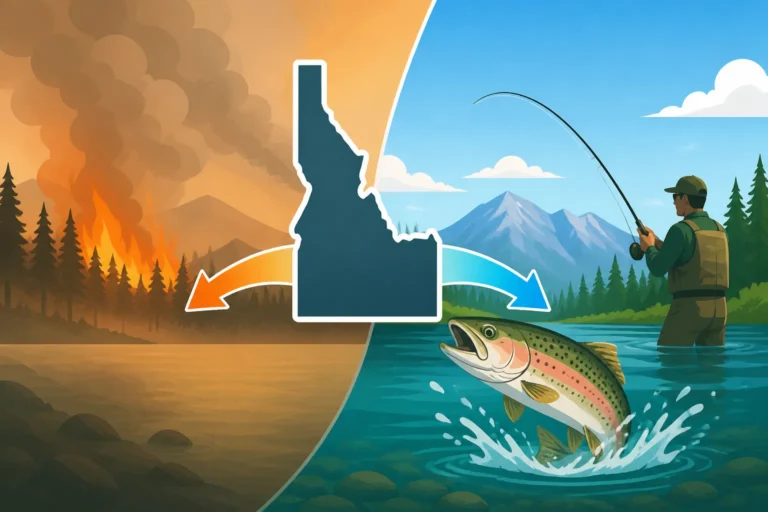
It's incredibly frustrating, isn't it? You scout a new Idaho reservoir, plan your trip, only to arrive and find the water levels drastically different from what you expected. Reservoirs are dynamic environments, constantly changing between "full pool" and "drawdown," and these fluctuations fundamentally alter where fish hold and how you need to approach your day. This guide will walk you through the distinct characteristics of fishing an Idaho reservoir when it's brimming full compared to when the water is low, helping you adapt your techniques for consistent success.
Understanding Idaho Reservoir Dynamics
Before we dive into specific fishing tactics, it’s vital to understand why Idaho reservoirs fluctuate and what those terms—full pool and drawdown—actually mean for the fish and their habitat. It's not just about more or less water; it's about a complete shift in the underwater world.
What is Full Pool?
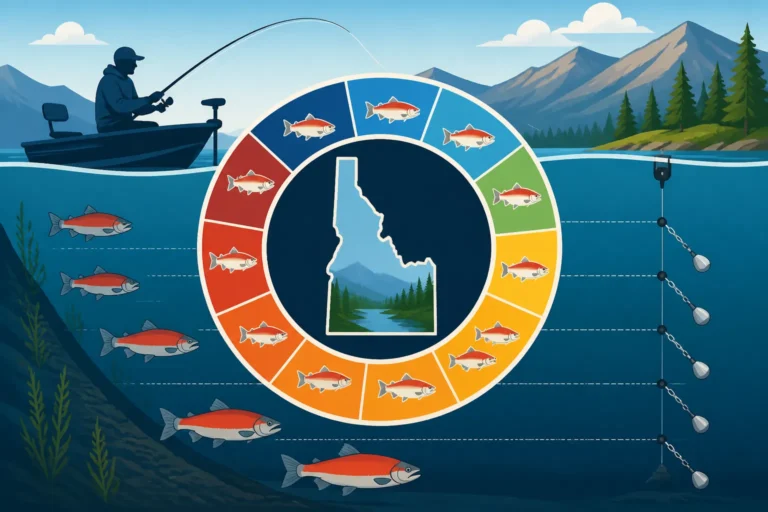
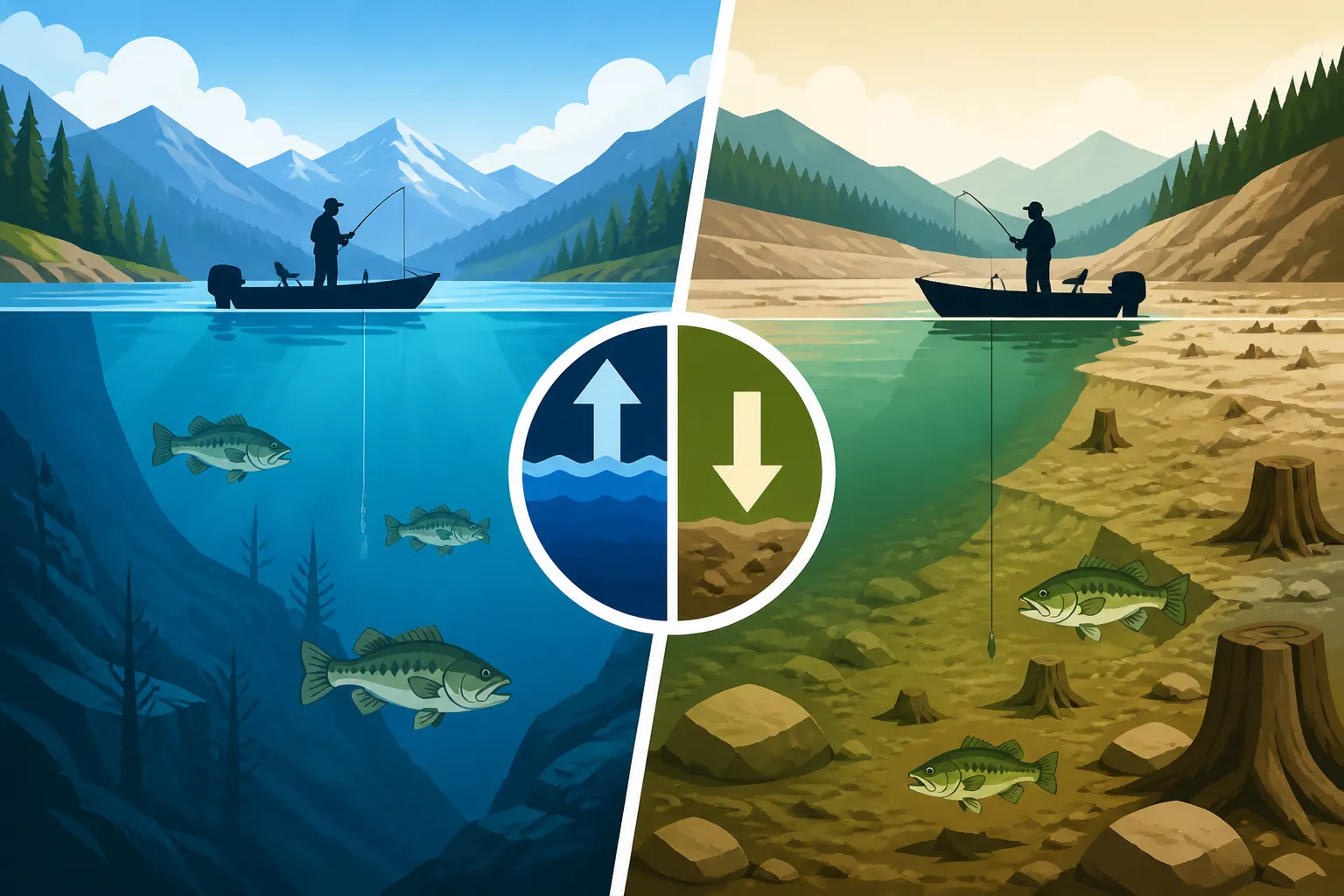
Full pool, as the name suggests, is when an Idaho reservoir reaches its maximum capacity, often spilling over or sitting right at the brim of its dam. This usually happens in late spring and early summer, driven by melting snowpack from the surrounding mountains and spring rains. Imagine the land around the reservoir, suddenly submerged. Grassy banks become underwater meadows, timber stands turn into flooded forests, and shallow flats expand significantly.
When a reservoir is at full pool, the aquatic environment becomes vastly more expansive. Fish species, especially warmwater species like bass, perch, and crappie, tend to spread out into these newly flooded areas. They seek cover in the inundated vegetation and timber, using it for ambush points and protection from predators. This period often coincides with spawning for many species, making these shallow, protected zones critical. Anglers often find access easier with boat ramps fully submerged and plenty of shoreline to explore, but the sheer vastness of water can also be intimidating, making it harder to pinpoint fish concentrations.
What is Drawdown?
Drawdown is the opposite of full pool, occurring when water is released from the dam, usually for irrigation, power generation, or flood control downstream. In Idaho, this typically begins in late summer, continues through the fall, and can persist well into winter, sometimes leaving vast mudflats or exposed rock along the reservoir's edges. This creates a much smaller, more confined aquatic environment.
As the water recedes, fish are forced out of the shallow, flooded cover and into deeper, more consistent channels, creek beds, and remaining structure. Areas that were once prime fishing spots might be completely dry, exposing old stumps, rock piles, and submerged roads that were previously hidden. The fish become more concentrated, but also more vulnerable and potentially stressed due to the shrinking habitat. Access can become a real headache during drawdown, with boat ramps ending far from the water's edge and muddy, treacherous banks. Understanding these periods is key to knowing the Idaho Fishing Season Dates and Limits and planning your trips accordingly.
Fishing Strategies for Full Pool Conditions
When an Idaho reservoir is at full pool, it's a game of finding fish that are spread out, utilizing the abundant new cover. This is often an exciting time, as fish can be aggressive, feeding on newly available forage.
Targeting Shallow Water and Structure
At full pool, the fish are often much shallower than you might expect, especially during warmer months. The newly flooded areas provide incredible cover and an explosion of insect and baitfish activity. Think about those areas that are usually dry land but are now underwater – that's where the fish are often headed. Look for flooded brush, submerged trees, grassy flats, and even old fence lines or roads that are now covered by water. These spots offer excellent ambush points for predators.
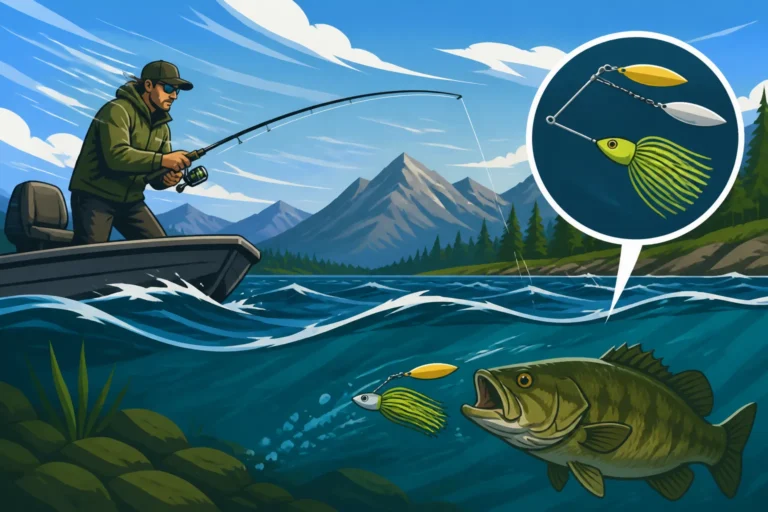
For species like largemouth and smallmouth bass, topwater lures can be incredibly effective early in the morning or late in the evening. Buzzbaits, frogs, and walking baits thrown over submerged vegetation or tight to flooded timber can draw explosive strikes. During the day, shallow-diving crankbaits, spinnerbaits, and jigs can be worked through the cover. For crappie and perch, they might be scattered among submerged timber or suspended near brush piles in slightly deeper, but still shallow, water. A small jig under a bobber can be very effective, or even tiny crankbaits. This is a time when fish are often less pressured and more willing to chase.
Access and Boat Launch Considerations
One of the biggest advantages of fishing an Idaho reservoir at full pool is the ease of access. Most boat ramps are fully operational, offering smooth launches for all types of vessels. You can often motor right over areas that would be dry land during drawdown, opening up a huge amount of new water to explore. This expanded access also means more opportunities for bank anglers to find prime spots. You might find yourself able to cast directly to newly flooded cover that's usually out of reach.
However, the sheer size of the expanded reservoir can also be a challenge. With so much water, fish can be harder to locate, making a good fish finder and understanding of lake contours invaluable. If you're planning on shore fishing, be mindful of private property lines that may be submerged but still legally restrict access. Always double-check current local regulations, which you can often find in an Idaho Fishing Regulation Brochure and Proclamation. Bringing along a kayak or a float tube can also significantly increase your reach and stealth in these shallow, cover-rich areas, allowing you to get into spots bigger boats can't reach.
Adapting Your Approach During Drawdown
Fishing an Idaho reservoir during drawdown requires a completely different mindset. The water is shrinking, and fish behavior changes dramatically. This isn't necessarily a bad thing; in fact, it can concentrate fish, making them easier to find if you know where to look.
Concentrating Fish and Exposed Structure
As the water recedes, fish are pushed out of the shallow areas and into the deeper, main lake basin or defined creek channels. They'll gravitate towards any remaining structure that offers cover, shade, or ambush points. What might have been deep, hidden humps at full pool could now be critical holding areas on the edges of newly exposed shorelines. Old riverbeds, main lake points, steep drop-offs, and deep rock piles become magnets for fish. You might even see stumps, old roads, or foundations that were completely hidden at full pool, now exposed.
For bass, focus on these deeper contours and transition areas. Deep-diving crankbaits that can reach depths of 15-20 feet or more are excellent for covering water along these drop-offs. Jigging spoons, drop-shot rigs, and Texas-rigged worms can be fished vertically or slowly dragged along the bottom in precise locations. Crappie and perch will often suspend in deeper water over submerged timber or tight to the main channel edges. Vertical jigging with small spoons or soft plastics, or even slow-trolling with minnow-imitating lures, can be highly effective. Understanding Idaho Crappie Fishing and Idaho Yellow Perch Fishing techniques specifically for these conditions is crucial.
Access Challenges and Safety
Drawdown conditions present significant access challenges. Boat ramps might be high and dry, requiring four-wheel drive vehicles and extended ramps, if available. Many smaller ramps may be completely unusable. Even if you can launch, navigating shallow, unseen hazards like exposed rock piles or stumps that were previously submerged can be dangerous for your boat. Always proceed with extreme caution and consider carrying a spotter.
Shoreline access can also be difficult, as the exposed banks are often muddy, slippery, or overgrown, making safe footing tricky. This is where methods like Kayak Fishing Techniques for Idaho Lakes really shine, allowing you to launch from less accessible spots and navigate shallower waters safely. Alternatively, exploring sections of the reservoir that remain navigable by larger boats, focusing on areas with deeper channels, can be productive. Always prioritize safety: wear a life vest, tell someone where you're going, and be aware of rapidly changing conditions. Packing extra water and supplies is also a good idea, as you might be farther from easy re-supply points.
Essential Gear and Tackle for Varying Reservoir Levels
Having the right gear for the specific conditions you're facing can make a huge difference. Don't assume one tackle box will cover every scenario in an Idaho reservoir. Adjusting your rod, reel, line, and lure selection based on whether the water is high or low is paramount.
Full Pool Gear Recommendations
When the reservoir is full, and fish are spread out in shallower, cover-rich areas, your gear should reflect that. You'll want rods with enough backbone to pull fish out of submerged brush, but also sensitive enough to detect subtle bites.
For bass fishing, medium-heavy to heavy casting rods (6'6" to 7'6") paired with baitcasting reels spooled with 12-20 lb fluorocarbon or monofilament line are ideal for throwing spinnerbaits, jigs, and punching through vegetation. For topwater lures, a slightly softer rod tip can help with casting accuracy and lure action. If you're fishing for panfish like crappie or perch in the expanded shallow water, ultralight or light spinning gear with 4-6 lb test fluorocarbon or monofilament will give you the sensitivity needed for those lighter bites and smaller presentations. You might consider a variety pack of soft plastics or small crankbaits that can be easily found on online retailers like Amazon to cover different scenarios. Don't forget an assortment of weedless hooks to avoid snags in the abundant cover.
Drawdown Gear Recommendations
During drawdown, when fish are concentrated deeper and often near prominent structure, your tackle needs to be geared for precision and power. You'll be making longer casts, fishing deeper, and often dealing with snags on newly exposed or concentrated structure.
Medium-heavy to heavy rods are still essential, but you might lean more towards longer rods (7' to 7'6") for increased casting distance and leverage when fighting fish in deeper water. Spinning gear can be very effective for lighter presentations like drop-shot rigs, especially when targeting suspended fish. Spool your reels with heavier fluorocarbon (15-25 lb) for baitcasting, or braided line with a fluorocarbon leader for maximum sensitivity and strength, particularly important when fishing around rocky bottom or submerged timber. Deep-diving crankbaits are a must-have, as are heavy jigs, jigging spoons, and various soft plastic presentations for vertical fishing. If you're looking to stock up on these specific lures, checking out the selection on Amazon can offer a wide range of options. Remember, fish can be spooky in clear, low water, so downsizing your line or choosing less intrusive colors can sometimes make a difference. These specialized lures are an important part of any Best Bait and Lures for Idaho Fishing strategy.
A How to Use a Fish Finder on an Idaho Reservoir effectively becomes even more critical during drawdown. The ability to mark fish and identify subtle underwater contours can save you hours of fruitless casting. Learning to interpret the sonar readings will help you pinpoint those concentrated fish schools.
Here’s a quick overview of how to adapt:
| Characteristic | Full Pool Approach | Drawdown Approach |
|---|---|---|
| Fish Behavior | Spread out, utilize new shallow cover, often less pressured. | Concentrated, seek remaining deep cover, potentially more stressed/spooky. |
| Key Areas | Flooded vegetation, submerged timber, grassy flats, shallow banks, new creek channels. | Main lake points, deep creek channels, steep drop-offs, exposed rock piles, humps. |
| Lure Types | Topwater, shallow crankbaits, spinnerbaits, weedless jigs, soft plastics. | Deep-diving crankbaits, heavy jigs, jigging spoons, drop-shot rigs, vertical jigs. |
| Line & Rod | Medium-heavy to heavy casting for cover, light spinning for panfish. | Longer medium-heavy to heavy rods, braid/fluoro for sensitivity and strength. |
| Access | Easy boat launch, abundant shore access, wide open water. | Difficult boat launch, muddy/treacherous banks, hidden hazards, limited shore access. |
| Preferred Gear | Weedless lures, light to medium tackle, focus on covering water. | Heavy tackle, precise presentations, focus on depth and structure. |
Fishing Idaho's reservoirs successfully means being a chameleon, ready to change your colors (and your tactics!) with the water level. Whether the reservoir is overflowing its banks or exposing ancient creek beds, the fish are still there, just waiting for an angler who understands their world. By paying attention to water levels and adjusting your strategy, you’ll unlock fantastic fishing opportunities year-round. Don't forget to review the Idaho Fishing Gear Guide by Season to ensure your equipment is always ready for what the water throws at you.
Disclaimer
This article is for general informational purposes only and does not constitute professional advice. Laws, prices and regulations vary by location and change over time. Consult a qualified professional for guidance on your specific situation.