Best Fishing Technique for a Windy Day on an Idaho Lake
Oh, the wind! It's the bane of many an angler's existence, especially when you've planned a serene day on one of Idaho's beautiful lakes, only to arrive and find whitecaps dancing across the surface. That feeling of your cast getting blown off course, or your boat getting tossed around, can be incredibly frustrating and even make you want to pack up and go home. But don't despair! A windy day on an Idaho lake doesn't have to mean a wasted trip. In fact, sometimes, it can actually stir up the fish and lead to some fantastic action if you know how to adapt. This guide is all about giving you the battle-tested techniques to not just survive, but thrive, when Mother Nature decides to crank up the breeze on your favorite Idaho fishing spot.
Understanding How Wind Affects Idaho Lake Fishing
Before we dive into specific techniques, let's take a moment to understand why wind can be both a challenge and an opportunity on Idaho lakes. It's not just about making casting difficult; wind creates a whole cascade of effects in the water column that directly influence fish behavior.
The Dynamics of Wind-Driven Currents and Waves
When a steady wind blows across a lake, it creates surface currents. These currents then push warm surface water, baitfish, and even nutrients towards one side of the lake, often called the "wind-blown bank" or "windward side." This movement can congregate baitfish, which, in turn, attracts predatory game fish like trout, bass, or perch who are looking for an easy meal. The wind also generates waves, which can churn up the water, reduce light penetration, and create a "turbidity line" or "seam" where clear water meets murkier, nutrient-rich water. These seams are often prime ambush points for fish.
Think of it like this: on a calm day, fish might be scattered, enjoying the quiet. But when the wind kicks up, it acts like a giant broom, sweeping everything into more concentrated areas. This can make them easier to locate, if you know where to look. However, the same choppy water that benefits fish can make it harder for anglers to feel subtle bites or maintain control of their presentation.
Impact on Fish Behavior and Location
Fish, being opportunists, will often use the wind to their advantage. The reduced light penetration and stirred-up bottom can make them feel more secure and less wary of predators, including you. They might move shallower to feed on insects or baitfish pushed against the shore. The increased oxygenation from wave action can also stimulate their metabolism, making them more active and willing to strike.
However, fish also seek comfort. If the wind is truly howling and creating violent waves, they might move to the leeward (downwind) side, seeking calmer, less turbulent water. Or, they might dive deeper to find a more stable environment. It's a balance, and understanding these behaviors is key to figuring out where they've gone. For instance, during strong winds on larger bodies like Lake Coeur d'Alene or Lake Pend Oreille, you might find larger trout moving into deeper, wind-protected coves.
Essential Gear and Preparation for Windy Conditions
Before you even step out of the truck, a windy day demands a bit more thought and preparation, both in terms of your personal comfort and your tackle. Trying to fish with light, sensitive gear in a gale will only lead to frustration.
Choosing the Right Rod, Reel, and Line
For windy conditions, you'll want to lean towards slightly heavier, faster-action rods. A medium-heavy spinning or casting rod, often between 6'6" and 7'6", will give you more leverage against the wind when casting and better control of your lure. A faster action means the rod bends more towards the tip, which helps with quicker hook sets and fighting fish in choppy water.
When it comes to reels, ensure they have a smooth, reliable drag system. You don't want your line seizing up when a fish makes a run in heavy chop. For line, many anglers swear by fluorocarbon or a strong braided line with a fluorocarbon leader. Braided line has less stretch and excellent sensitivity, helping you feel bites even with a bow in your line from the wind. Fluorocarbon sinks faster than mono and is more abrasion-resistant, which is helpful if your line is rubbing against submerged structures due to wave action. You can find a fantastic selection of these lines and other gear on Amazon, making it easy to compare options and read reviews before you buy.
Selecting Wind-Friendly Lures and Baits
This is where you really adapt. Forget those ultra-light jigs or delicate dry flies – they'll be impossible to cast and present effectively in the wind. Instead, reach for lures with more weight and a compact profile that can cut through the air.
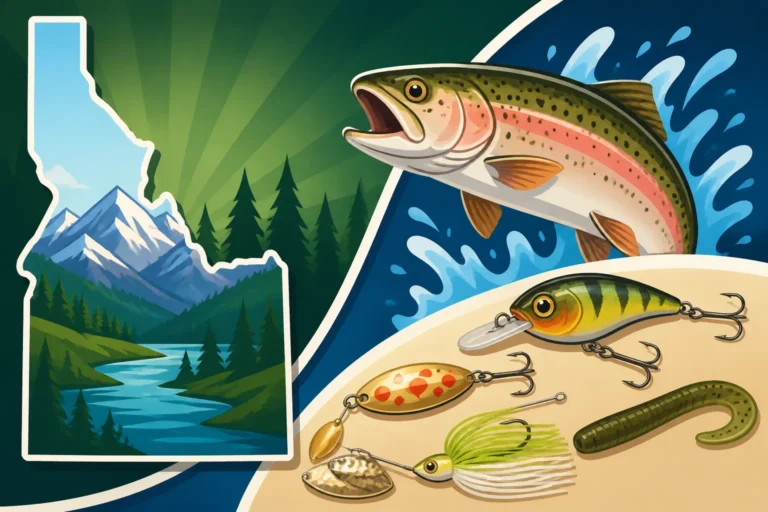
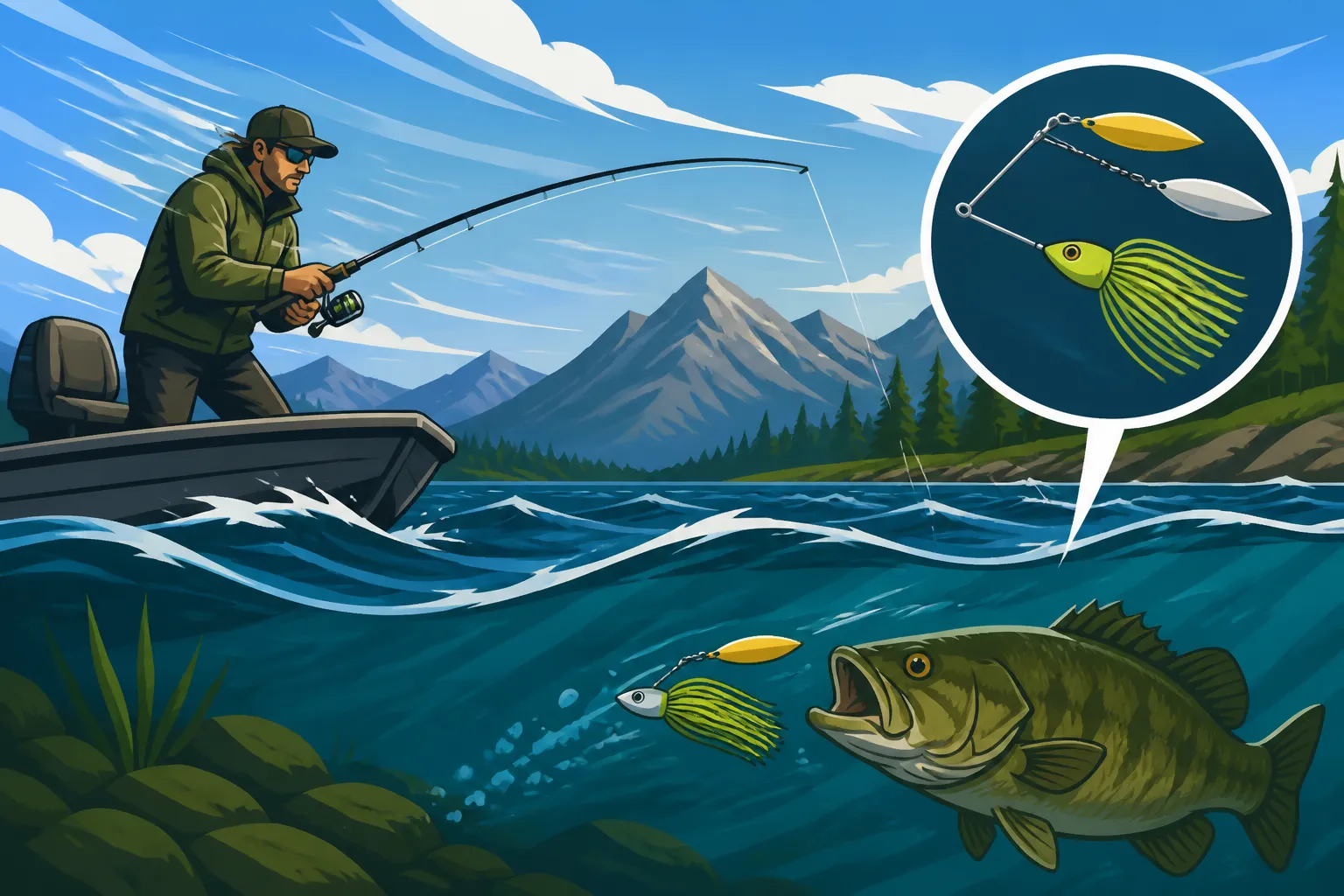
- Heavier Jigs and Spoons: Jigging spoons, blade baits, and heavier grub jigs are excellent choices. They cast well, sink quickly to get below the surface chop, and provide a strong vibration that fish can detect even in turbulent water. For perch or trout on reservoirs like Lucky Peak Reservoir, a Kastmaster or heavier jigging spoon can be deadly.
- Crankbaits and Lipless Crankbaits: These baits are designed to dive, getting below the surface commotion. Their erratic wobble is often amplified by the wave action, making them even more enticing. Lipless crankbaits cast like a bullet and can be retrieved at various depths.
- Weighted Soft Plastics: Texas-rigged worms, swimbaits with heavy jig heads, or creature baits can be cast into the wind and worked slowly along the bottom where fish might be seeking shelter.
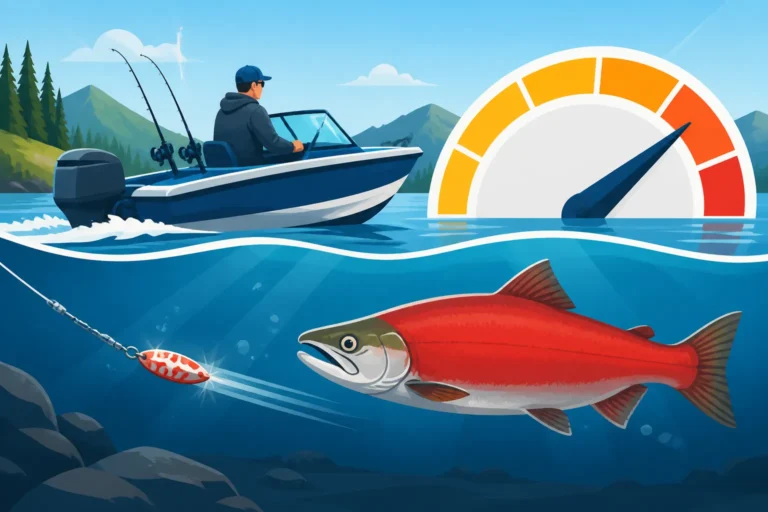
- Inline Spinners and Heavier Spoons for Trolling: If you're trolling, heavier spinners or spoons will help your lure maintain depth and tracking in choppy water. These can be particularly effective for trout or kokanee on larger Idaho lakes like Lake Coeur d'Alene.
Also, don't forget natural baits. If bait fishing from the bank or an anchored boat, a heavier sinker will be crucial to keep your bait in place.
Effective Techniques for Boat Anglers on Windy Lakes
Fishing from a boat gives you a bit more flexibility, but it also means dealing with boat control issues. Mastering a few techniques can turn the tide in your favor.
Utilizing Your Boat for Stability and Positioning
Your boat is your biggest asset and potential liability in the wind. The key is to use it as a stable platform and position it effectively.
- Anchor Up Smartly: If you find a promising spot, anchoring can be your best friend. Use two anchors—one off the bow and one off the stern—to keep your boat from swinging wildly. This provides a much more stable casting platform and allows you to thoroughly work an area. Position your boat so you can cast into the wind (if it's manageable) or parallel to the wind-blown bank.
- Drifting with Control: Sometimes, a controlled drift can be incredibly effective. Instead of fighting the wind, let it push you. Deploy a drift sock or sea anchor off the bow or stern (depending on how you want to present your lure) to slow your drift down. This allows you to cover water slowly and methodically, presenting your bait or lure naturally as you move. This technique is often fantastic for covering flats or targeting suspended fish in larger bodies of water. For example, drifting with a worm and bobber rig or a jig for perch on Cascade Reservoir can be very productive.
Targeting Wind-Blown Banks and Structure
As mentioned, wind-blown banks are often fish magnets. Baitfish get pushed into these areas, and the chop provides cover.
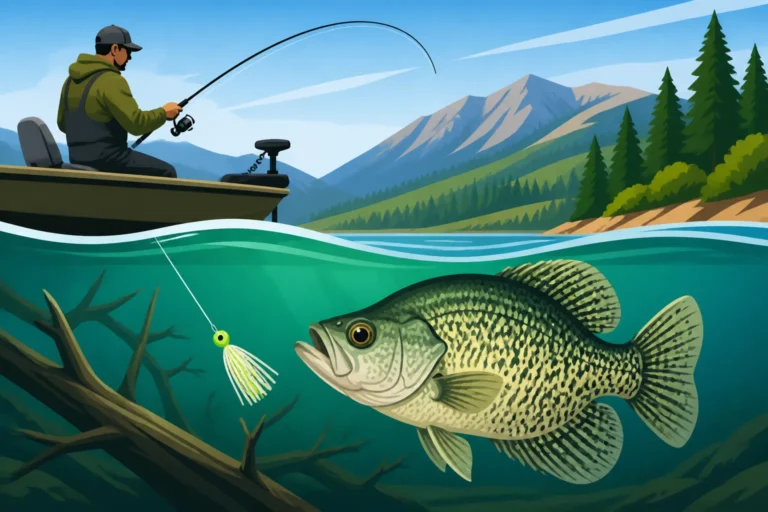
- Casting Parallel to Shore: Position your boat a cast-length or two offshore from the wind-blown bank and cast parallel to the shoreline. This keeps your lure in the strike zone longer, mimicking baitfish that have been pushed against the bank. Focus on any visible structure like fallen trees, rocky points, or weed lines. These spots are prime ambush points.
- Focusing on Points and Coves: Windy points often create current breaks and eddies on their leeward side, where fish will sit out of the main flow but still be in a good feeding position. Similarly, the points leading into wind-protected coves can be excellent. Fish will often stage at these transitions, deciding whether to move into the rougher water to feed or stay in the calmer zones. Working these transition areas with crankbaits or jigs can yield great results. When casting for species like smallmouth bass on the Snake River, these windy points can be incredibly productive.
Deeper Water and Trolling Considerations
When the surface chop is extreme, or if you're not seeing action shallow, consider moving to deeper water.
- Fishing Deep Structure: If fish are seeking refuge from the surface turmoil, they'll often move to deeper rock piles, ledges, or submerged timber. Use heavy jigs, spoons, or drop-shot rigs to get your bait down quickly and stay vertical. Sonar becomes invaluable here for locating these structures and any fish holding nearby. Many anglers looking for lake trout (Mackinaw) at Priest Lake find them holding to deep structure, and wind doesn't affect these depths as much.
- Trolling with Downriggers: If you're on a large Idaho lake like Lake Pend Oreille or Lake Coeur d'Alene, trolling with downriggers allows you to present your lures at precise depths, unaffected by surface waves. Use heavier trolling weights and ensure your speed is consistent, even when battling the wind. The key is to keep your lures in the strike zone where fish are comfortable, often below the surface chop. This is a common and effective way to target larger rainbow trout or Chinook salmon on these expansive waters. For more on this, you might explore our guide on Idaho Trolling Techniques Guide.
Bank Fishing Strategies for Windy Days
Don't have a boat? No problem! Bank anglers can also have fantastic success on windy days, often because the wind actually pushes fish closer to shore.
Finding Sheltered Spots and Wind Breaks
Your first priority as a bank angler is often to find a spot that offers some relief from the direct force of the wind, both for your comfort and casting accuracy.
- Leeward Sides of Points and Coves: Look for points that jut out into the lake. The side opposite the wind will often be calmer, creating an eddy or slack water where baitfish and game fish congregate. Similarly, protected coves or bays on the leeward side can be excellent. The fish here are often more comfortable, and your casting will be much easier.
- Behind Structures: Large rocks, fallen trees, docks, or even natural contours of the shoreline can provide a windbreak. Fishing directly behind these features can put you in a prime position to intercept fish seeking shelter. Even a slight dip in the bank could offer just enough respite to make casting feasible.
Adapting Your Casting and Presentation
Casting in the wind from shore can be a real challenge. You need to adjust your technique.
- Low, Sidearm Casts: Instead of an overhead cast that turns your line into a parachute, try a low, sidearm cast. This keeps your lure closer to the water's surface, minimizing the amount of time it's exposed to the wind and improving accuracy. It's a bit of a knack, but practice makes perfect.
- Heavier Lures and Baits: Just like with boat fishing, heavier lures are your friend. A 1/2 oz spoon will cast much further and more accurately than a 1/8 oz spinner in a strong breeze. If using bait, make sure your sinker is heavy enough to hold bottom. For those targeting rainbow trout from shore, especially at popular spots like those along the Boise River Greenbelt, a heavier PowerBait rig with a good sinker can be very effective. Many anglers find specific heavier jigs and spoons perfect for punching through the wind, and a quick search on Amazon will show you many options.
- Reading the Water for Seams and Eddies: Pay close attention to how the wind and waves are affecting the water. Look for "seams" where chop meets calm, or where debris collects. These are often productive zones. Also, identify any current breaks or eddies, as these are natural holding spots for fish trying to escape the strong current while still being near feeding opportunities.
General Tips for Success on Windy Idaho Lakes
Beyond specific techniques, a few overarching principles will always serve you well when fishing in the wind.
Maintaining Line Control and Sensitivity
This is crucial. Wind creates a "bow" in your line, making it hard to detect bites and control your lure.
- Keep Your Rod Tip Down: Lowering your rod tip closer to the water's surface reduces the amount of line exposed to the wind, lessening the bow. This improves sensitivity and control.
- Feel for the Bite: In choppy conditions, bites can feel different – often a dull thud or a slight increase in weight, rather than a sharp tap. Watch your line where it enters the water for any subtle twitches or movements. This is especially true when learning Idaho Fishing Techniques for Muddy Spring Water, where visibility is already compromised.
- Use the Right Line: Again, braided line with a fluorocarbon leader is excellent for its low stretch and sensitivity. The lack of stretch helps transmit even subtle bites through the wind. Before your next windy day adventure, make sure you've got the right line spooled up – it's easy to order quality options from Amazon.
Prioritizing Safety and Comfort
Fishing should be enjoyable, and staying safe and comfortable is paramount, especially when the weather is challenging.
- Wear Layers and Rain Gear: Even if it's not raining, wind can be incredibly chilling, especially on the water. Dress in layers, including a good windbreaker or waterproof jacket. This will keep you warm and dry, allowing you to focus on fishing longer.
- Polarized Sunglasses are a Must: Glare from choppy water can be blinding. Polarized sunglasses will cut through this glare, helping you see structure, fish, and subtle line movements that much better.
- Stay Hydrated and Fueled: Battling the wind and waves can be physically demanding. Bring plenty of water and snacks to keep your energy levels up.
- Check the Forecast: Always, always check the wind forecast before you go. If winds are predicted to be dangerously high (e.g., 20+ mph gusts), it might be safer to reschedule or opt for a smaller, more protected body of water. Safety should always come first, especially when boating on larger lakes like Lake Pend Oreille.
Embrace the Challenge
Ultimately, fishing in the wind requires a bit of a mindset shift. It's not a calm, relaxing day, but an active, engaging challenge. Embrace the need to adapt your techniques, learn from your experiences, and enjoy the satisfaction of cracking the code on a blustery day. Sometimes, the most memorable catches come when you've had to work the hardest for them. The fish are often more active and less wary, offering opportunities that a placid day might not. So next time the wind howls on your favorite Idaho lake, don't pack up; gear up and get ready for a rewarding fight!
Disclaimer
This article is for general informational purposes only and does not constitute professional advice. Laws, prices and regulations vary by location and change over time. Consult a qualified professional for guidance on your specific situation.