How to Stay Warm Ice Fishing in North Idaho
There’s nothing quite like the crisp, still air of a North Idaho winter morning, the vast expanse of a frozen lake stretching out before you, promising a day of quiet anticipation and hopefully, some spirited tugs on the line. But let’s be real, that serene picture can quickly turn into a miserable ordeal if you’re shivering uncontrollably, toes numb, and fingers aching from the cold. Many anglers head out with good intentions, only to find themselves cutting their trip short because they just can't shake off the chill. This guide is all about equipping you with the knowledge and strategies to beat the bitter cold and enjoy every minute of your ice fishing adventure in North Idaho.
Layering Like a Pro: Your First Line of Defense
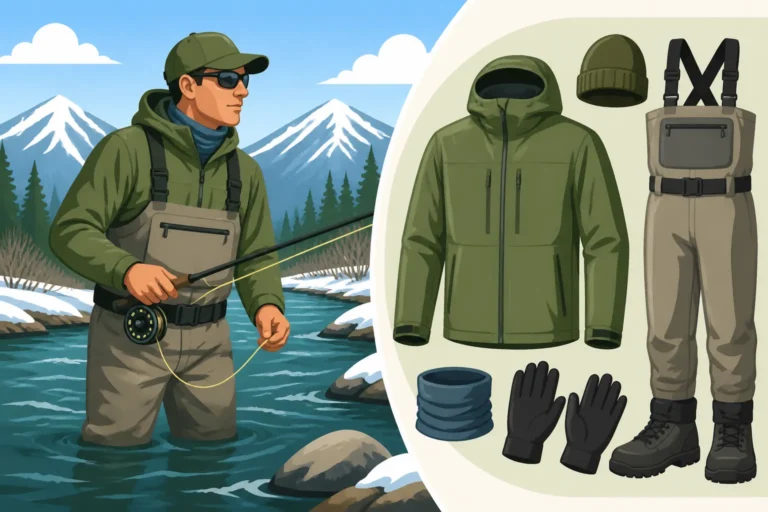
When it comes to staying warm in extreme cold, simply throwing on your heaviest coat isn't enough. The secret lies in effective layering, a system designed to trap heat, wick away moisture, and protect you from the elements. Think of your clothing as an adjustable thermostat, allowing you to adapt to changing temperatures and activity levels throughout the day. Getting this right is fundamental to a comfortable day on the ice, especially when you consider how quickly conditions can shift on a frozen lake.
The Base Layer: Wicking Away Moisture
Your base layer is arguably the most critical component of your cold-weather wardrobe. Its primary job isn't just to add warmth, but to manage moisture. When you're out drilling holes, setting tip-ups, or even just walking across the ice, your body generates heat, and with heat comes sweat. If that sweat sits against your skin, it cools down rapidly, drawing heat away from your body and making you feel profoundly chilled, even if you’re bundled up. This is a common pitfall for many ice anglers who underestimate the importance of what’s closest to their skin.
That's why cotton is an absolute no-go for base layers. Cotton absorbs moisture like a sponge and holds onto it, becoming cold and clammy. Instead, reach for materials like merino wool or synthetic fabrics (polyester, polypropylene). Merino wool is a natural wonder, offering excellent warmth-to-weight ratio, breathability, and natural odor resistance. Synthetic options are often more budget-friendly, dry quickly, and also excel at wicking moisture away from your skin, effectively moving it to your outer layers where it can evaporate.
When choosing a base layer, consider its weight. Lightweight options are good for milder days or if you anticipate high activity, while mid-weight and heavy-weight options are better for truly frigid North Idaho conditions. Many experienced ice anglers even pack an extra set of base layers to change into if they get particularly sweaty or if their first set gets damp from incidental contact with snow or slush. A dry base layer is a warm base layer, every time.
The Mid-Layer: Insulating for Warmth
Once your base layer is set, it's time to build on that foundation with your mid-layer. This layer is all about insulation – trapping warm air close to your body to prevent heat loss. Without a good insulating layer, all the moisture-wicking in the world won't keep you warm when the thermometer plummets and the wind howls across Lake Coeur d'Alene or Priest Lake. The beauty of a mid-layer is its versatility; you can add or remove it as needed to regulate your temperature, a feature that's impossible with a single, bulky coat.
Common materials for effective mid-layers include fleece, down, or synthetic puffy jackets and vests. Fleece is a popular choice because it's lightweight, breathable, and provides decent warmth even when damp. Down offers superior warmth-to-weight, but its insulating properties are severely compromised if it gets wet. Synthetic puffies are a great alternative, providing good insulation even if they encounter some moisture, and are often easier to care for than down. Look for options with zippers so you can easily vent if you start to overheat during strenuous activities like drilling through thick ice.
The thickness of your mid-layer should correspond to the expected temperatures and your activity level. On a truly bitter day, you might opt for a thicker fleece jacket over your base layer, or even layer a thin fleece vest under a puffy jacket for extra core warmth. Remember, multiple thin layers often provide more warmth and flexibility than one very thick layer, as they create more pockets of trapped, warm air.
The Outer Shell: Battling Wind and Wet
Your outer layer, often called the shell, is your shield against the external environment. Its critical functions are to protect you from wind, snow, sleet, and any incidental contact with slush or water on the ice. Without a good outer shell, even the warmest inner layers will fail to keep you comfortable as bitter North Idaho winds slice through your clothing, or a quick kneel in slush soaks through to your mid-layer.
For ice fishing, your outer shell needs to be both waterproof and windproof, but ideally also breathable. Many dedicated ice fishing suits are designed with these features, often incorporating extra insulation directly into the shell. Brands like StrikerIce and Clam are popular among serious ice anglers for their specialized suits that provide excellent protection and often include flotation assistance for added safety on the ice. These suits are built tough to withstand the rigors of the ice, from sharp auger blades to rough ice conditions.
The best outer shells will have sealed seams, durable water-repellent (DWR) coatings, and adjustable cuffs, hoods, and waistbands to seal out drafts. Consider a two-piece suit (bibs and a jacket) over a one-piece suit for greater flexibility and ease of movement, especially when answering nature's call. Remember, even a small amount of water or wind getting through your outer layer can dramatically decrease your comfort and lead to rapid heat loss. Proper gear, like that often found on Amazon, can make a huge difference.
Essential Gear Beyond Clothing: Keeping the Extremities Warm
While layering your core is paramount, don't underestimate the importance of your extremities. Your head, hands, and feet are often the first parts of your body to feel the cold, and if they get too cold, your entire body will feel it. This is because your body naturally prioritizes keeping your vital organs warm, constricting blood flow to your fingers, toes, and even your scalp when temperatures drop. Neglecting these areas is a common mistake that can lead to an early retreat from the ice.
Head, Hands, and Feet: Critical Warmth Zones
Believe it or not, a significant amount of body heat can be lost through your head, which is why a good hat is non-negotiable for ice fishing. A warm beanie made of wool or fleece is a great start. On colder, windier days, consider a balaclava or neck gaiter that can cover your face, nose, and mouth, protecting against frostbite and windburn. Some anglers even layer a thin beanie under a hooded outer shell for maximum protection.
Your hands are constantly exposed to the elements, whether you're handling fish, baiting hooks, or adjusting gear. You need a system that offers both warmth and dexterity. Many anglers employ a layering system for their hands, similar to their body. Start with a thin pair of liner gloves, which can be made of wool or synthetic material, for basic warmth and to maintain some dexterity when you need to perform fine tasks. Over these, wear insulated, waterproof mittens or convertible mittens (which allow you to expose your fingers when needed). Mittens are generally warmer than gloves because your fingers share warmth.
For your feet, multiple pairs of socks are key. Start with a thin, moisture-wicking liner sock (again, no cotton!). Over that, wear a thick pair of wool or synthetic socks. Some anglers even use a third, thicker wool sock if their boots allow for it without becoming too tight, which can restrict circulation and actually make your feet colder. Always bring a spare set of socks; a fresh, dry pair can feel like a luxury after hours on the ice, especially if your feet get damp.
Footwear: Insulated and Waterproof Boots
Your feet are in direct contact with the cold ice, making highly insulated and waterproof boots absolutely essential. Regular winter boots might suffice for walking around town, but they often don't cut it for hours of stationary ice fishing. You need boots specifically designed for extreme cold, often rated for temperatures well below freezing.
Look for boots with thick, removable liners (like felt or synthetic insulation) that provide ample cushioning and warmth. Brands such as Muck Boots or Baffin often come highly recommended by experienced ice anglers for their superior insulation and waterproof qualities. Ensure your boots are truly waterproof, not just water-resistant, as slush and melting ice are inevitable on the lake. The sole should also be thick and provide good traction on slippery surfaces.
Crucially, make sure your boots are not too tight, especially after adding multiple layers of socks. Tight boots restrict blood flow, which is a sure-fire way to get cold feet. You want enough room for your feet to wiggle slightly, allowing for good circulation. When you get back from fishing, always remove the liners from your boots to allow them to dry completely before your next trip. Nothing ruins a morning quicker than trying to shove your feet into cold, damp boot liners.
Hand Warmers and Foot Warmers: Lifesavers in a Pinch
Even with the best layering and specialized gear, there are those days when North Idaho’s chill just seems to seep into your bones. This is where chemical hand warmers and foot warmers become your best friends. These small, often air-activated packets provide a localized burst of heat that can make all the difference, especially on long days or when unexpected cold fronts roll in. You can easily find these in bulk online, like on Amazon, making them an affordable addition to your ice fishing kit.
Disposable chemical warmers are fantastic for slipping into the palms of your gloves or mittens, or even sticking to the tops or bottoms of your socks. They activate when exposed to air and can provide warmth for several hours. Just be careful not to place them directly against bare skin, as they can get quite warm. Beyond the disposable variety, there are also rechargeable electric hand warmers available, which offer a more sustainable and often hotter alternative, though they require charging between uses.
Always pack more warmers than you think you’ll need. You never know when you might want to share one with a buddy who’s clearly struggling, or when an extra one in your pocket might provide that crucial bit of comfort. Think of them as an emergency warmth supply – small, light, and incredibly effective at combating the cold when your body's natural defenses are struggling. Having them handy can extend your fishing day and keep spirits high, even during the coldest hours on the ice.
Shelter, Heat, and Sustenance: Maximizing Comfort on the Ice
While proper clothing is your foundation, a truly comfortable ice fishing experience, especially in the biting cold of North Idaho, often requires a bit more infrastructure. Shelters provide an incredible reprieve from the wind, and a small heater can transform a frigid day into a cozy outing. Don't forget that your body is a furnace, and keeping it fueled with the right kind of food and drink is just as important as the clothes you wear. These elements combined create an environment where you can truly focus on the fishing, rather than just surviving the cold.
Portable Ice Shelters: A Game Changer
For many ice anglers, a portable ice shelter is not a luxury, but a necessity. Imagine the difference between sitting exposed to a biting wind that rips across the open ice and being inside a windproof, insulated hub or flip-over shelter. The shelter drastically cuts down on wind chill, immediately making it feel many degrees warmer. Even on days that aren't brutally cold, the simple act of blocking the wind makes a monumental difference in your overall comfort level and allows you to enjoy your fishing experience for much longer.
There are various types of portable ice shelters, from lightweight one-person flip-overs that attach to your snowmobile or ATV, to larger hub-style shelters that can comfortably fit multiple anglers and all their gear. Many shelters even come insulated, offering an additional barrier against the cold. Setting up a shelter transforms your fishing spot into a miniature warming hut, allowing you to shed a layer or two, eat your lunch in comfort, and simply relax between bites. This is particularly true if you're fishing expansive bodies of water like Lake Pend Oreille or American Falls Reservoir, where winds can be relentless. You can find excellent options for portable ice shelters and other essential gear to How to Ice Fish Idaho Lakes on various online retailers.
When choosing a shelter, consider its ease of setup, portability, and how many people you typically fish with. Anchor your shelter securely, especially on windy days, using ice anchors to prevent it from blowing away. A good shelter provides not just warmth, but also a dedicated space to organize your gear, keeping it out of the snow and wind.
Portable Heaters: Bringing the Warmth Inside
Once you have a shelter, the next logical step to truly maximize comfort is to add a portable heater. This takes your ice fishing experience from merely tolerable to genuinely enjoyable, especially during a Winter Fishing in Idaho outing. A small, safe heater can raise the ambient temperature inside your shelter by many degrees, allowing you to peel off bulky outer layers and fish in much greater comfort. This can be especially appreciated on those early mornings or late evenings when temperatures are at their lowest.
Most portable ice fishing heaters run on propane and are designed for safe indoor use, but proper ventilation is absolutely crucial. Always ensure your shelter has adequate airflow to prevent carbon monoxide buildup. Never use an unvented heater in a completely sealed space. Brands like Mr. Heater are very popular among ice anglers for their reliability and safety features, often including low-oxygen shut-offs. Always follow the manufacturer's instructions carefully for safe operation.
The size of the heater you need will depend on the size of your shelter and how warm you want to get it. A smaller heater might be perfect for a single-person flip-over, while a larger unit might be needed for a multi-person hub shelter. Beyond the safety aspect, having a heater allows you to dry out damp gloves or boot liners, warm up your hands between fish, and simply relax more, extending your time on the ice.
Food and Drink: Fueling Your Internal Furnace
Staying warm isn't just about external protection; it's also about fueling your body from the inside out. Your body generates heat through metabolism, and that process requires energy. If you're not eating and drinking enough, your internal furnace won't have the fuel it needs to keep you warm. This is a common oversight, as many anglers focus so much on gear that they forget the importance of proper nutrition and hydration in the cold.
Pack plenty of high-energy snacks that are easy to eat with cold fingers. Think trail mix, energy bars, jerky, nuts, and even sandwiches. These provide sustained energy to keep your metabolism humming. Avoid sugary snacks that provide a quick burst followed by a crash, leaving you feeling colder later. For a truly luxurious experience, consider bringing a warm meal in a quality insulated food jar. A hot stew, chili, or even just some ramen can be incredibly comforting and warming on a cold day.
Equally important is staying hydrated. While it might not feel like it in the cold, your body still loses fluids, and dehydration can impair your body's ability to regulate temperature. Hot beverages are fantastic for providing internal warmth and hydration. Fill a quality thermos with hot coffee, tea, or hot chocolate. Sip on it regularly throughout the day. Remember, avoiding alcohol is also wise when ice fishing, as it can make you feel warmer initially but actually leads to faster heat loss and impaired judgment.
Staying Safe and Dry: The Unsung Heroes of Warmth
You can have the best layers, the warmest boots, and a cozy heated shelter, but if you don't actively manage moisture and plan for potential wetness, your comfort will still suffer. Staying warm isn't just about adding heat; it's about preserving the heat you have and preventing anything that might draw it away. These often-overlooked aspects of ice fishing preparation are crucial for a truly successful and comfortable outing in North Idaho's winter conditions. This extends beyond just what you wear; it's about how you act and prepare.
Preventing Moisture Buildup: From the Inside Out
We talked about base layers wicking away sweat, but it's also about managing your activity level to prevent excessive sweating in the first place. This is a fine balance when you're exerting yourself, like drilling multiple holes or dragging a sled full of gear across the ice. The moment you start feeling too warm, or notice a sheen of sweat, it's time to vent. Unzip your outer jacket, open a pant leg vent, or even temporarily remove a mid-layer if you're inside your shelter. The goal is to regulate your body temperature so you don't overheat and sweat.
Think ahead about strenuous tasks. If you know you'll be setting up your shelter and drilling holes, maybe start with fewer layers on, or plan to shed your outer jacket for those activities, then put it back on once you're settled. Learning to How to Read an Idaho Fishing Catch Record Card or checking your Idaho Fishing Season Calendar won't make you sweat, but walking a mile to your favorite spot might! The wind can also cause your body to cool down faster, so even if you're only slightly damp, that wind will quickly chill you. Taking proactive steps to manage your body's internal humidity and temperature is a skill that comes with experience, but it's essential for sustained comfort.
It also helps to choose breathable fabrics for all your layers, not just your base. These materials allow some of the moisture vapor to escape, reducing the clammy feeling that often precedes a chill. High-quality gear will often prioritize breathability alongside warmth and waterproofing, allowing your personal microclimate to remain comfortable without getting bogged down by internal moisture.
Dealing with Incidental Wetness: Spare Clothes and Towels
Despite your best efforts, sometimes things just get wet. Maybe you slipped on the ice and landed in a patch of slush, or a fish flopped water all over your gloves, or you accidentally knelt in a puddle while checking a tip-up. When this happens, being prepared to deal with it swiftly is key to maintaining warmth. A small amount of wetness, especially in critical areas like hands and feet, can quickly lead to discomfort and cold.
Always, always, always bring a dry change of clothes, especially extra socks, gloves, and a hat. Even a single pair of dry socks to put on halfway through the day can feel like a complete reset for your feet. Store these spares in a waterproof dry bag or a Ziploc bag within your main pack to ensure they stay perfectly dry until needed. A small, absorbent towel is also incredibly useful for drying hands, wiping down gear, or quickly soaking up any spills inside your shelter. This simple addition can prevent a small mishap from turning into a chilly ordeal.
Remember to consider how to keep your essential gear dry too. If you're bringing a camera or electronics, ensure they are in waterproof cases. Fishing line, bait, and tackle should be protected from the elements. While the immediate focus here is on personal warmth, keeping your gear dry also contributes to a smoother, more enjoyable day overall, allowing you to focus on the Idaho Fishing Techniques Guide rather than wrestling with frozen equipment.
Setting Up Your Fishing Spot Smartly: Using the Environment to Your Advantage
When choosing your ice fishing spot, don't just consider where the fish are; also consider how the environment can help or hinder your warmth. Even without a shelter, smart positioning can make a noticeable difference. This often means paying attention to the wind, which is usually the biggest culprit for heat loss on the ice. While you're pondering Is Ice Fishing Safe on Payette Lake in January?, also consider the wind direction.
If there's a natural windbreak available – perhaps a stand of trees along the shoreline, a large rock outcrop, or even a snowdrift – try to position yourself behind it. This simple act can reduce wind chill significantly, making your outer layers much more effective. If you're using a portable shelter, orient its door away from the prevailing wind to prevent gusts from blasting inside every time you open it. This strategy also applies to checking How Thick Ice Needs to Be Before You Ice Fish; ensure your chosen spot is safe from an ice thickness perspective, but also sheltered.
Also, don't underestimate the power of the sun, even in winter. On a clear day, positioning yourself where you can get some direct sunlight can provide a surprising amount of passive warmth. It might not be enough to melt the ice, but it can feel incredibly good on your face and hands, especially during the middle of the day. Every little bit of natural warmth helps to conserve your body's energy and keep you comfortable longer, ensuring you can maximize your time targeting fish without feeling the bitter bite of a North Idaho winter. Before heading out, make sure to review the general Idaho Fishing Regulations Explained and grab your Idaho Fishing License Guide.
| Layer Type | Purpose | Recommended Materials | What to Avoid | Key Benefit for Warmth |
|---|---|---|---|---|
| Base Layer | Wicks moisture from skin | Merino Wool, Synthetics | Cotton | Keeps you dry, preventing evaporative cooling |
| Mid-Layer | Provides insulation | Fleece, Down, Synthetic Puff | Non-breathable | Traps warm air, retaining body heat |
| Outer Layer | Protects from wind & wet | Waterproof/Windproof | Permeable fabrics | Shields from elements, preventing heat loss to wind |
| Headwear | Prevents heat loss from head | Wool, Fleece | Uninsulated, loose | Significantly reduces overall body heat loss |
| Handwear | Protects hands, dexterity | Layered gloves/mittens | Thin, uninsulated | Maintains fine motor skills, prevents frostbite |
| Footwear | Insulated, waterproof boots | Rated for extreme cold | Regular winter boots | Keeps feet dry and insulated from ice |
Disclaimer
This article is for general informational purposes only and does not constitute professional advice. Laws, prices and regulations vary by location and change over time. Consult a qualified professional for guidance on your specific situation.