Best Steelhead Guides on the Clearwater River
Trying to navigate the incredible, sometimes overwhelming, waters of the Clearwater River for steelhead can feel like a daunting task, especially if you're not a local with years of experience. The sheer size of the river, its complex currents, and the elusive nature of these magnificent fish mean that many anglers end up frustrated and empty-handed. This guide is here to simplify that journey, helping you understand what makes a truly great Clearwater steelhead guide and how to find the perfect one to turn your fishing dreams into a successful reality.
Why the Clearwater River is a Steelhead Paradise (and Why a Guide Helps)
The Clearwater River is legendary among steelhead anglers, and for very good reason. It’s one of the premier destinations in the entire Pacific Northwest for these powerful, ocean-going rainbow trout. But its allure also comes with a unique set of challenges that often make a guided trip not just a convenience, but a critical investment in your success.
The Lure of Clearwater Steelhead
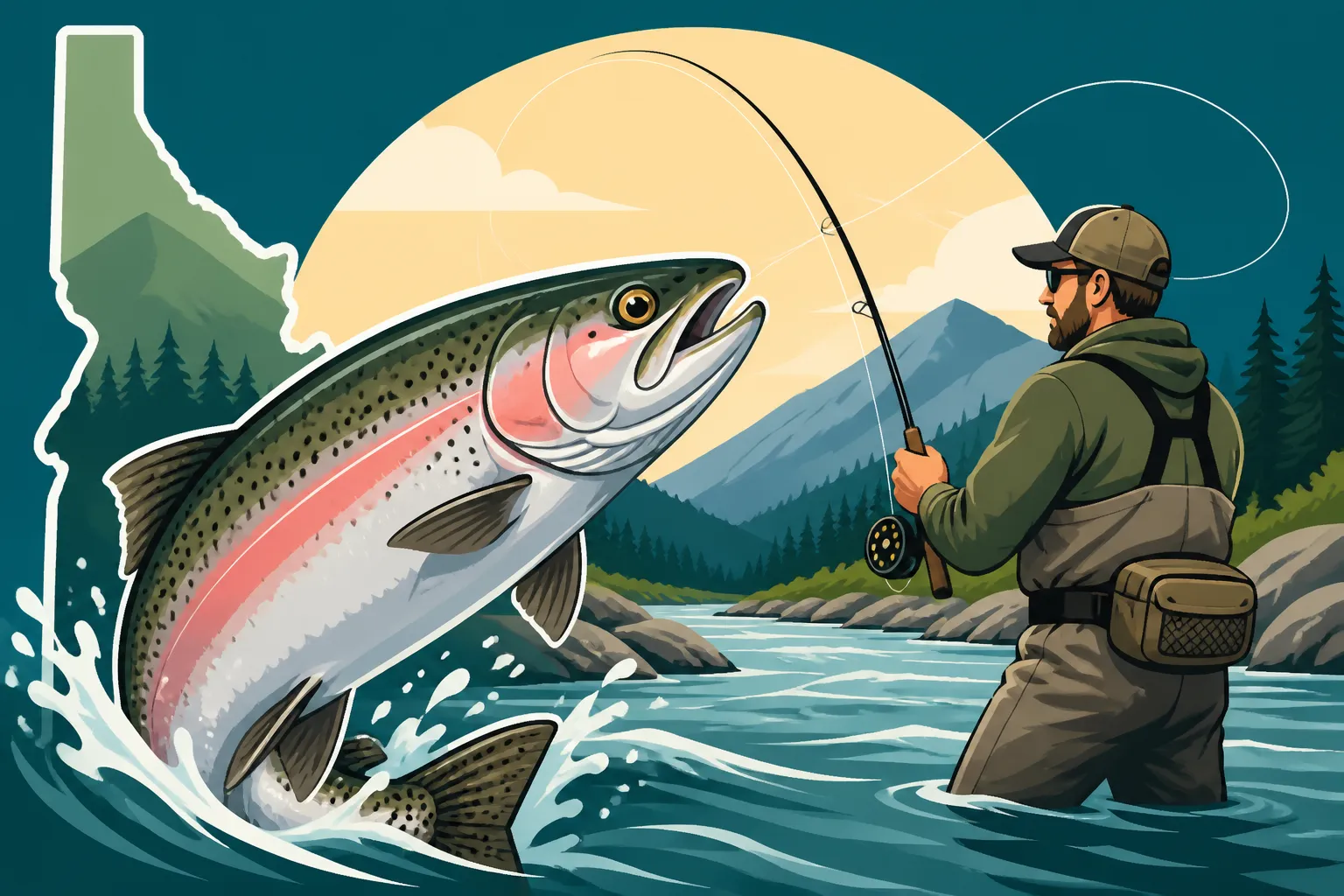
Imagine a fish that battles with the strength of a salmon and the acrobatic grace of a trout. That’s an Idaho steelhead. They return to the Clearwater from the Pacific Ocean, driven by instinct to spawn, offering anglers a truly world-class experience. The river itself is stunning, winding through picturesque canyons and offering diverse water types, from broad, sweeping runs to tight, bouldery pockets. Anglers come from all over the country, drawn by the promise of hooking into one of these chrome-bright beauties. Whether it’s the powerful fall-run B-run steelhead or the determined smaller A-run fish, the Clearwater consistently delivers some of the most thrilling fishing Idaho has to offer. You can learn more about these incredible fish in our Idaho Steelhead Fishing Guide.
Navigating the Clearwater's Unique Challenges
While the rewards are immense, the Clearwater River is not a place for the uninitiated to simply show up and expect success. First, the river is large, and fish can be spread out across miles of water. Knowing where they are holding at any given time requires intimate, up-to-the-minute knowledge of river flows, water temperatures, and migration patterns. Then there's the challenge of how to fish for them. Steelhead are notoriously finicky, and effective techniques can vary wildly depending on the time of year, water conditions, and even the time of day. Are they hitting small jigs under a bobber? Are they chasing plugs back-trolled from a jet boat? Or perhaps it's a day for drifting bait? Without a guide, you might spend days guessing, while a seasoned professional knows precisely how to approach each situation. This local expertise is paramount when you're trying to figure out How to Fish for Steelhead in the Clearwater River.
What Makes a Top-Tier Clearwater Steelhead Guide?
Not all fishing guides are created equal, and when you’re investing in a trip for a species as prized as steelhead on a river as demanding as the Clearwater, you want to ensure you're hiring the best. A top-tier guide isn't just someone with a boat; they're a seasoned professional who combines deep local knowledge with exceptional client care.
Experience and Expertise
The best Clearwater steelhead guides have spent years, often decades, honing their craft on this specific river. They understand its moods, its hidden dangers, and the subtle nuances that separate a slow day from a banner one. This isn't just about knowing where the deep holes are; it's about understanding why steelhead choose certain lies on a particular water flow, how to read changes in water clarity, and how to adapt tactics on the fly when conditions shift. They'll also be intimately familiar with the complex and ever-changing Idaho Fishing Regulations Explained, ensuring your trip is not only successful but also compliant with all local laws. A truly experienced guide can also share insights on Best Time of Year to Fish the Lower Clearwater River, helping you plan your trip for optimal success.
Beyond finding the fish, a great guide is an expert at teaching you how to catch them. They'll patiently explain techniques like side-drifting, bobber-dogging, or back-trolling, offering tips on casting, bite detection, and fighting these powerful fish. They'll have a sixth sense for when a fish is about to bite and can coach you through the retrieve. It's like having a master class right there on the water, transforming you from a hopeful angler into a more skilled participant in the dance of catching a steelhead.
The Right Gear and Boats
Clearwater steelhead fishing often involves specialized equipment, and a top guide will provide everything you need. This includes high-quality rods and reels perfectly matched for steelhead, a selection of proven baits and lures, and all the terminal tackle. You won't have to worry if your gear is up to the challenge or if you have the right color bead for the day. For example, knowing the right Best Rod Setup for Idaho Steelhead Fishing can make all the difference when a big steelhead takes your offering.
Equally important is the guide's boat. On the Clearwater, jet boats are a common sight, allowing guides to safely and efficiently navigate shallow areas and cover vast stretches of water to find actively biting fish. A good guide's boat will be well-maintained, comfortable, and equipped with all necessary safety gear, including life vests, first-aid kits, and communication devices. Some guides might also use drift boats, especially in certain sections or for specific techniques, offering a quieter, more intimate fishing experience. Regardless of the vessel, it should be clean, spacious enough for the group, and designed to make your day on the water as pleasant as possible.
Communication and Client Care
The best guides are also excellent communicators and hosts. From your initial contact, they should be responsive, transparent about costs, and clear about what to expect. On the water, they'll make sure everyone feels comfortable, whether you're a seasoned pro or a complete beginner. They understand that a guided trip is about more than just catching fish; it's about the entire experience. This includes providing an enjoyable atmosphere, sharing local anecdotes, and being attentive to your needs, whether that's offering a hot cup of coffee on a chilly morning or helping with a tangled line. They’ll patiently walk you through What's Included in an Idaho Guided Fishing Trip before you even leave the dock. A truly great guide will make you feel like a valued guest, not just another client.
How to Find and Vet Your Clearwater Steelhead Guide
Finding the right Clearwater steelhead guide can feel like a search for a needle in a haystack, especially with so many options out there. But with a strategic approach, you can narrow down your choices and select a guide who will provide an unforgettable experience.
Researching Reputable Outfitters
Start by looking for guides who specialize in the Clearwater River specifically, and even more so, in steelhead. A guide who fishes the Clearwater year-round for steelhead will have an edge over someone who only visits occasionally or focuses on other species. Online platforms like FishingBooker can be incredibly useful resources here. You can browse profiles, read angler reviews, and often see photos of past catches, giving you a good sense of a guide's style and success rate. These platforms allow you to compare multiple guides side-by-side, check their availability, and learn about their specific offerings. Many reputable guides will also have their own websites or active social media pages where they share current river conditions and recent fishing reports, providing a real-time glimpse into their expertise.
Word-of-mouth is another powerful tool. If you know other anglers who have fished the Clearwater, ask for their recommendations. Local tackle shops in towns like Orofino, Lewiston, or Kooskia are also fantastic places to get recommendations, as they often know the most active and respected guides in the area. Look for guides who consistently receive positive feedback not just about catching fish, but about the overall experience, safety, and professionalism. When you're ready to make your selection, platforms like FishingBooker make it easy to reach out and make a booking, streamlining the process considerably.
Key Questions to Ask Before Booking
Once you've identified a few potential guides, don't hesitate to reach out and ask questions. This is your investment, and you have every right to be informed. Here’s a table of crucial questions to consider:
| Question Category | Specific Questions to Ask | Why It Matters |
|---|---|---|
| Experience | How long have you been guiding on the Clearwater for steelhead? | Ensures deep, specialized knowledge of the river and target species. |
| Target Species | Do you primarily target steelhead, or other fish as well? | Confirms their focus aligns with your goal for a dedicated steelhead trip. |
| Techniques | What methods do you typically use (e.g., drift fishing, bobber-dogging, back-trolling)? | Helps you understand their approach and ensures it matches your preferences. |
| Inclusions | What is included in the trip price (gear, bait, lunch, drinks)? | Prevents surprises and clarifies What to Bring on a Guided Idaho Fishing Trip. |
| License/Permits | Do I need an Idaho fishing license and any special permits (e.g., steelhead permit)? | Essential for legal fishing; clarifies requirements like the Idaho Salmon and Steelhead Permit Cost. |
| Safety | What safety precautions are in place? Are you CPR/First Aid certified? | Ensures your well-being on the water, especially on a powerful river. |
| Cancellation Policy | What is your policy for cancellations due to weather or other issues? | Protects your investment in case of unforeseen circumstances. |
| Group Size | What is the maximum number of anglers per trip? | Affects comfort and individual attention during your guided experience. |
These questions will give you a clear picture of what each guide offers and help you make an informed decision. Remember, you can often find many of these details directly on guide profiles on booking sites like FishingBooker, making your initial research even easier. It's all part of learning How to Book a Fishing Guide in Idaho.
Understanding Guide Trip Logistics
Before you commit, it's also good to understand the typical logistics of a guided trip. Most Clearwater steelhead trips are full-day excursions, often starting early in the morning to capitalize on prime fishing times. The guide will usually specify a meeting point, which could be a boat ramp, a local tackle shop, or even your lodging if it's nearby. They'll provide all the necessary fishing gear, but you’ll be responsible for your Idaho Fishing License Guide and any required permits (like a steelhead permit), as well as appropriate clothing, sunglasses, and snacks.
It's also important to clarify what happens with your catch. While some guides will clean and fillet your fish, others may have different policies, especially for certain species or if regulations require specific handling (like telling How to Tell Hatchery Steelhead from Wild Steelhead by Sight to ensure only hatchery fish are kept). Don't be shy about discussing these details upfront to avoid any misunderstandings on the day of your trip.
Maximizing Your Guided Clearwater Steelhead Experience
Booking a guide is just the first step. To truly get the most out of your Clearwater steelhead adventure, a little preparation and understanding of on-the-water etiquette can go a long way.
Preparing for Your Trip
Once you’ve booked your guide, a little preparation on your part can significantly enhance your experience. First and foremost, make sure you have your Idaho Fishing License Online Purchase completed and any necessary permits in hand before your trip. Your guide is not allowed to take you fishing without them. Beyond that, think about comfort and safety. Dress in layers, as weather on the Clearwater can change rapidly, even during the "best" fishing seasons. Waterproof outerwear is always a good idea, as are comfortable, non-slip shoes. Sunglasses and a hat are essential for eye protection and to reduce glare on the water, which can help you spot fish or your bobber.
Don't forget personal items like sunscreen, any necessary medications, and a camera to capture those unforgettable moments. While guides often provide drinks and snacks, bringing some of your favorites can ensure you stay energized throughout the day. And a little open-mindedness goes a long way. Be ready to learn new techniques or fish in ways you might not be accustomed to, as your guide's methods are honed by years of success on that specific river. They are the experts in Fall Steelhead Fishing Techniques on the Clearwater and Salmon Rivers, and their advice will be invaluable.
Tipping and Etiquette
Knowing how to properly thank your guide is an important part of the guided fishing experience. While guides set their rates for their services, tipping is a standard practice and a way to show appreciation for a job well done, reflecting the hard work, expertise, and personalized attention they provide. Generally, a tip of 15-20% of the trip cost is considered appropriate if you had a good experience. This is covered in more detail in Idaho Fishing Guide Tipping and Etiquette. Even on days when the fish aren't biting, a good guide still works incredibly hard to put you on fish, keep you safe, and ensure you have a memorable time.
Beyond tipping, common courtesy and respect go a long way. Listen attentively to your guide's instructions, especially regarding safety and fishing techniques. Ask questions if you're unsure, and be mindful of your casting and movement in the boat. A guided trip is a partnership, and your cooperation helps the guide do their job effectively. Remember, they are often on the river 100+ days a year and love sharing their passion. Showing gratitude for their effort, whether through a tip or a simple thank you, ensures a positive interaction and reinforces the community spirit among anglers.
Disclaimer
This article is for general informational purposes only and does not constitute professional advice. Laws, prices and regulations vary by location and change over time. Consult a qualified professional for guidance on your specific situation.