Best Fishing Charters on Lake Coeur d’Alene for Chinook
It can feel like a real challenge sifting through all the options to find that perfect fishing charter, especially when you have a specific goal in mind, like reeling in a trophy Chinook salmon on Lake Coeur d'Alene. You want someone who truly knows these waters and these magnificent fish, not just any general guide. This comprehensive guide is here to cut through the noise, helping you understand what makes a charter truly exceptional for Chinook fishing and how to pick the best one for your unforgettable Idaho adventure.
Understanding Lake Coeur d'Alene's Chinook Fishery
Lake Coeur d'Alene is a gem in North Idaho, famous for its stunning scenery, but for anglers, it's particularly renowned for its robust Chinook salmon population. These aren't native fish, mind you, but they've thrived here, growing to impressive sizes that make them a prime target for anyone looking for a thrilling fight. Knowing a bit about these fish and their habits is the first step to finding a guide who truly understands how to put you on them.
The Allure of Chinook Salmon in Lake Coeur d'Alene
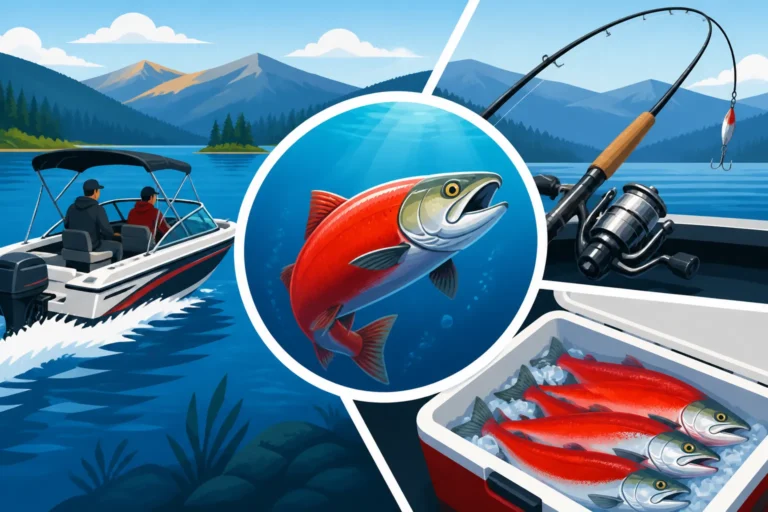
Chinook salmon, also known as King salmon, are an apex predator in Lake Coeur d'Alene's ecosystem. They were introduced to help manage the thriving kokanee salmon population, which they heavily prey upon. This introduction has created an incredible sport fishery, drawing anglers from all over. What makes them so alluring? Their sheer size, for one. These fish can grow incredibly large in the deep, cold waters of Lake Coeur d'Alene, offering a powerful, exhilarating fight that can test even seasoned anglers. Landing a 20-pound-plus King is a memory that sticks with you for a lifetime, and it's this pursuit of a truly majestic fish that drives so many to seek out specialized charters.
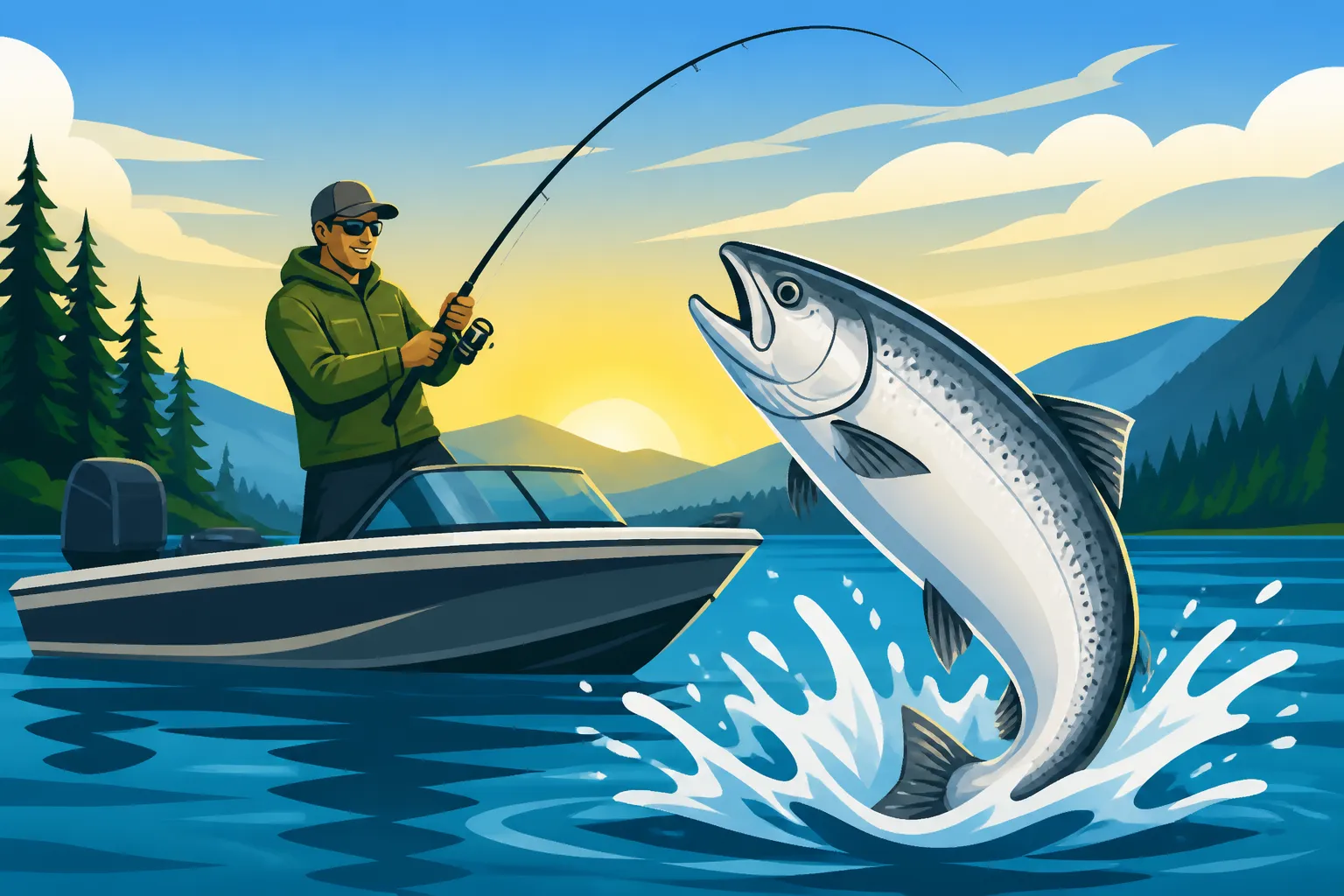
Beyond their fighting prowess, Chinook are also a beautiful fish, with their distinctive silver flanks and powerful build. The thrill of seeing one of these giants leap from the water or make a drag-screaming run is something every serious angler dreams of. It's not just about the catch; it's about the entire experience of targeting such a magnificent creature in such a picturesque setting.
Key Seasons and Best Times to Target Chinook
While Chinook salmon can be caught year-round in Lake Coeur d'Alene, there are definitely peak seasons when your chances of hooking a big one skyrocket. Generally, the late spring and summer months (think May through September) are considered prime time for Chinook. During these warmer months, the salmon are actively feeding, often following the kokanee schools into specific temperature bands in the lake's deeper sections.
As the lake stratifies and the water warms on the surface, the Chinook tend to move deeper, seeking cooler, oxygen-rich water. A good charter captain will know these seasonal movements like the back of their hand, adapting their techniques and locations based on current conditions. For instance, early summer might see them shallower, while mid-summer often means targeting fish suspended hundreds of feet down. Pay close attention to fishing reports and chat with guides about their success rates during different times of the year, as conditions can vary annually. For those looking for a truly comprehensive experience on the lake, many charters also combine Fishing Lake Coeur d'Alene for Kokanee and Chinook on the same trip.
Typical Depths and Locations for Chinook
Lake Coeur d'Alene is a large, deep lake, and Chinook salmon are often found in very specific areas and at particular depths. They are pelagic fish, meaning they typically suspend in the water column rather than hugging the bottom or structure exclusively. Their movements are largely dictated by water temperature, oxygen levels, and the location of their primary food source: kokanee.
Charters targeting Chinook will often focus on the central and southern parts of the main lake, where the depths are substantial and the kokanee populations are robust. Depths can range from 80 feet to over 200 feet or more, depending on the season and specific conditions. Guides use advanced sonar and temperature gauges to locate schools of kokanee and the larger Chinook predators lurking nearby. They’ll look for underwater contours, points, and sudden drop-offs where baitfish might congregate, knowing that the big Kings won't be far behind. This specialized knowledge of the lake's topography and its ever-changing conditions is precisely why a dedicated Chinook charter is invaluable.
What Makes a Great Chinook Charter on Lake Coeur d'Alene?
Not all fishing charters are created equal, especially when it comes to targeting a specific, challenging species like Lake Coeur d'Alene Chinook salmon. You want a guide service that isn't just offering a boat ride, but a genuine opportunity to catch these impressive fish. It comes down to a combination of specialized knowledge, the right equipment, and a strong commitment to safety and customer experience.
Expertise in Chinook-Specific Techniques
Chinook salmon fishing on Lake Coeur d'Alene is a highly technical pursuit. It's not like casting a worm for trout in a stream; it requires precise methods. The best charters will have extensive experience with advanced trolling techniques, often involving multiple downriggers to present lures and bait at various depths. They understand the nuances of specific trolling speeds, turns, and how different types of hardware (like dodgers, flashers, and hootchies) interact with the water to attract these powerful fish.
Furthermore, a top-tier guide will be adept at selecting the right bait and lures, knowing what colors, sizes, and scent profiles are working on any given day. They're constantly adapting, checking water temperature, clarity, and even light conditions to fine-tune their presentation. This kind of hands-on expertise, often built over decades on these particular waters, is what separates a good charter from an exceptional one when you're specifically chasing Chinook. The techniques used can be similar to those for kokanee, as discussed in How to Troll for Kokanee on Lake Coeur d'Alene, but with heavier gear and different lure choices.
Specialized Gear and Electronics
Targeting deep-water Chinook requires heavy-duty, specialized equipment. You'll want a charter boat that's well-equipped for serious trolling. This means a reliable, comfortable boat, often a larger vessel designed for lake fishing, with multiple electric downriggers. These aren't just for dropping lines; they allow for precise depth control and the ability to run numerous lines simultaneously, increasing your chances.
Beyond the downriggers, look for charters that boast high-quality sonar and fish-finding electronics. Modern units can differentiate between baitfish schools and larger predators, and some even offer side-scanning or 3D mapping capabilities, giving the guide an unparalleled view of the underwater world. The rods and reels should also be robust, capable of handling the powerful runs of a 20-pound-plus salmon. High-quality line, fresh bait, and a full tackle box stocked with a variety of proven lures are also non-negotiables. Essentially, you're looking for a floating fishing machine optimized for salmon.
Safety and Professionalism
While the thrill of the catch is a huge part of the experience, safety should always be the top priority for any reputable fishing charter. A great Chinook charter will be run by a licensed captain who prioritizes the safety of all onboard. This means having all required safety equipment – life jackets for every passenger, first-aid kits, communication devices, and emergency protocols clearly established. You can often check a guide's credentials and licensing by looking up Idaho Fishing Guide Licensing Requirements.
Professionalism extends beyond safety, too. It encompasses clear communication from the initial booking, punctuality, a clean and well-maintained boat, and a friendly, patient demeanor from the guide. They should be willing to share their knowledge, help you with techniques, and ensure you have an enjoyable experience, regardless of the size of your catch. A professional guide understands that they are not just taking you fishing, but providing a memorable outdoor experience. Platforms like FishingBooker often allow you to see a guide's licensing information and safety features listed for their trips.
Key Factors When Choosing Your Chinook Charter
With several excellent guides operating on Lake Coeur d'Alene, how do you narrow down your choices to find the best one for Chinook? It comes down to asking the right questions and knowing what to prioritize. You're investing in an experience, and you want to ensure it aligns with your expectations and fishing goals.
Experience and Reputation
When it comes to specialized fishing like Chinook on Lake Coeur d'Alene, experience truly matters. Look for guides who have years, if not decades, of experience specifically targeting Chinook on this particular lake. A guide who primarily fishes for bass might be a fantastic angler, but they won't have the same intimate knowledge of salmon movements, patterns, and techniques as a dedicated salmon specialist.
A guide's reputation is also critical. Check online reviews, ask for referrals, and if possible, talk to past clients. Look for consistent feedback regarding the guide's knowledge, professionalism, and ability to put clients on fish. Did people feel safe? Did they learn something new? Was the experience enjoyable even if the bite was slow? Websites like FishingBooker are excellent resources for reading authentic reviews from other anglers, giving you a good feel for a charter's standing in the community. You want a guide who is not only good at finding fish but also at creating a positive atmosphere for everyone onboard.
Trip Inclusions and Expectations
Before you commit to a charter, it's vital to understand exactly what's included in the price and what you're expected to bring. Does the charter provide all the necessary fishing gear, bait, and tackle? Will they clean and bag your catch at the end of the day? Are snacks, drinks, or lunch provided? These details can significantly impact your overall experience and budget.
Conversely, you'll need to know what isn't included. For example, you'll almost certainly need to purchase your own Idaho Fishing License Guide and possibly special stamps for certain species. Gratuities for the guide are typically not included and are an important part of the overall cost. A reputable charter will clearly outline all these inclusions and exclusions upfront. Don't be shy about asking for a detailed breakdown. Clarity on What's Included in an Idaho Guided Fishing Trip can prevent any unwelcome surprises on the day of your trip.
Guide-to-Angler Ratio and Boat Size
Consider the size of your group and your preference for personalized attention. Some charters operate larger boats that can accommodate more anglers, which might be suitable for group trips or if you prefer a more social environment. Other guides might specialize in smaller, more intimate trips with only one or two anglers, offering more one-on-one instruction and a quieter experience.
The guide-to-angler ratio directly impacts how much personal attention you'll receive. If you're a beginner looking for hands-on coaching, a smaller group size is probably ideal. If you're bringing the family, ensuring there's enough comfortable space for everyone, including kids, is important. Charters that cater to Idaho Fishing Charters for Families with Kids often have larger, more stable boats and guides experienced with younger anglers. Think about the kind of experience you're hoping for and choose a boat size and group dynamic that matches.
Communication and Booking Process
A smooth and transparent booking process is a good indicator of a professional charter. How easy is it to get in touch with the guide? Are they responsive to your questions? Do they clearly communicate their availability, pricing, and cancellation policies? These might seem like minor details, but clear communication upfront can save a lot of headaches later on.
Confirming details like meeting times, locations, and what to bring should be straightforward. Reputable booking platforms, like FishingBooker, often streamline this process, allowing you to view calendars, book directly, and receive confirmations with all the necessary information. It also provides a clear channel for any questions or changes that might arise before your trip. Always get confirmation of your booking in writing, whether it's an email or a digital receipt.
| Feature | What to Look For | Why It Matters |
|---|---|---|
| Chinook Expertise | Years guiding specifically for Chinook on Lake Coeur d'Alene | Direct success targeting this specific, challenging species |
| Gear & Electronics | Downriggers, quality rods, modern sonar, large cooler | Essential for effective deep-water trolling and fish storage |
| Safety Standards | Licensed captain, PFDs for all, first-aid kit | Your well-being is paramount |
| Reviews/Reputation | Consistent positive feedback, specific mentions of Chinook success | Indicates a reliable and effective operation |
| Communication | Clear booking details, responsiveness, transparent policies | Smooth planning and understanding expectations |
Preparing for Your Lake Coeur d'Alene Chinook Adventure
Once you've booked your ideal Chinook charter, the anticipation builds! But a little preparation goes a long way in ensuring you have the most comfortable and successful trip possible. Thinking ahead about what to wear, what documents you need, and how to act on the boat will set you up for success.
Essential Personal Items to Bring
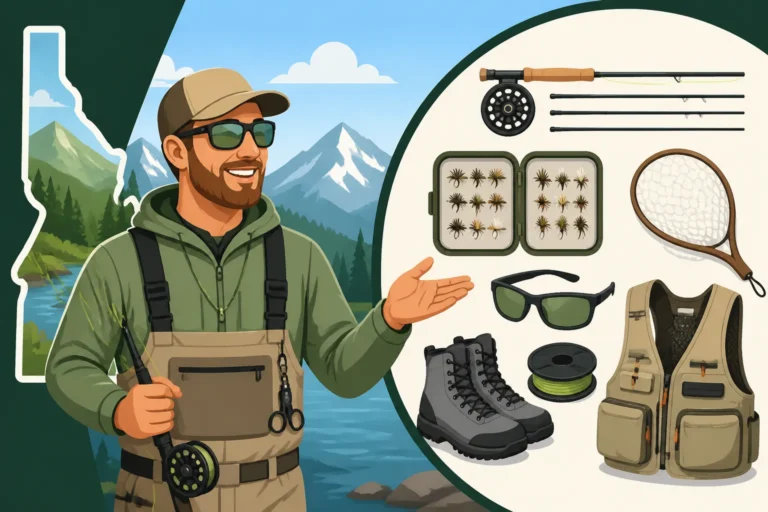
Even on a guided trip where much of the gear is provided, there are still a few personal items you'll definitely want to bring along to make your day more enjoyable. Idaho weather, especially in the mountains, can be unpredictable, so dressing in layers is always a smart move. Think quick-drying materials, a waterproof outer shell, and perhaps a warm hat or gloves, even in summer, especially for early morning starts on the lake.
Sun protection is also paramount, even on cloudy days. Pack sunscreen, sunglasses (polarized ones are great for spotting fish or reading water), and a wide-brimmed hat. Don't forget any personal medications you might need, a camera to capture those memories, and a cooler in your vehicle for transporting your fresh catch home. Snacks and drinks are often a good idea, even if some are provided, especially for longer trips.
Understanding Licenses and Permits
This is absolutely crucial: you will need a valid Idaho fishing license to fish on Lake Coeur d'Alene, even when you're on a guided charter. Your guide provides the boat, expertise, and gear, but the license is your responsibility. Make sure to purchase it before your trip, as waiting until the last minute can cause delays or, worse, mean you can't fish.
Depending on whether you're an Idaho resident or an out-of-state visitor, the license types and costs will vary. Check out guides like Idaho Resident Fishing License Guide or Idaho Nonresident Fishing License Guide for specifics. You might also need specific permits or stamps if you plan to target certain species, so always verify with your guide or the Idaho Fish and Game regulations. For more general information, the Idaho Fishing License Guide is a great starting point, and for specific questions about guided trips, the article Do You Need Your Own License for a Guided Idaho Trip? might be helpful. Don't let a missing license be the reason you miss out on a day of fishing.
Etiquette and Tipping
Knowing proper fishing etiquette on a guided trip can really enhance the experience for everyone involved. Listen carefully to your guide's instructions, especially when it comes to setting lines, handling fish, and moving around the boat. They are the experts on their vessel and their water. Be mindful of casting space, avoid loud noises that might spook fish, and always ask before doing something that could impact the fishing.
Finally, regarding gratuities: tipping your fishing guide is customary and highly appreciated, much like tipping in a restaurant. While the exact amount can vary, a common practice is to tip around 15-20% of the total trip cost, assuming you had a good experience and the guide worked hard. This isn't usually included in the initial fee, so factor it into your budget. This thoughtful gesture acknowledges their hard work, expertise, and commitment to making your trip a success. For more details on what's expected, take a look at our Idaho Fishing Guide Tipping and Etiquette article.
Disclaimer
This article is for general informational purposes only and does not constitute professional advice. Laws, prices and regulations vary by location and change over time. Consult a qualified professional for guidance on your specific situation.