Best Steelhead Guides on the Salmon River
So, you're dreaming of tangling with a powerful steelhead on Idaho's legendary Salmon River? It's a fantastic goal, but let's be honest: that river can be an absolute beast, and those fish are notoriously challenging. Trying to navigate its currents, understand the subtle bites, and find the prime holding water without a seasoned expert by your side can feel like trying to solve a puzzle with half the pieces missing. This guide is all about connecting you with the best Salmon River steelhead guides who can turn that dream into a thrilling reality, ensuring you have the knowledge, safety, and best possible chance at landing one of Idaho's most prized catches.
Why a Steelhead Guide on the Salmon River is a Game-Changer
Heading out onto the Salmon River to chase steelhead is an adventure unlike any other, but it's also not for the faint of heart, especially if you're not intimately familiar with its nuances. This isn't your average creek fishing trip; it's a dynamic, powerful river with a unique set of challenges and rewards. That's where a professional guide truly earns their stripes – they transform a potentially frustrating outing into a highly educational and often incredibly successful experience.
Navigating Challenging Waters and Regulations
The Salmon River is often referred to as "The River of No Return," and while much of that applies to its wild, undammed upper reaches, even the more accessible sections can be formidable. Strong currents, hidden rocks, constantly shifting sandbars, and deep channels demand serious boat handling skills and an intimate understanding of river dynamics. Attempting to run a jet boat or even a drift boat on unfamiliar water can quickly become a dangerous situation. A guide knows these waters like the back of their hand, ensuring your safety throughout the day.
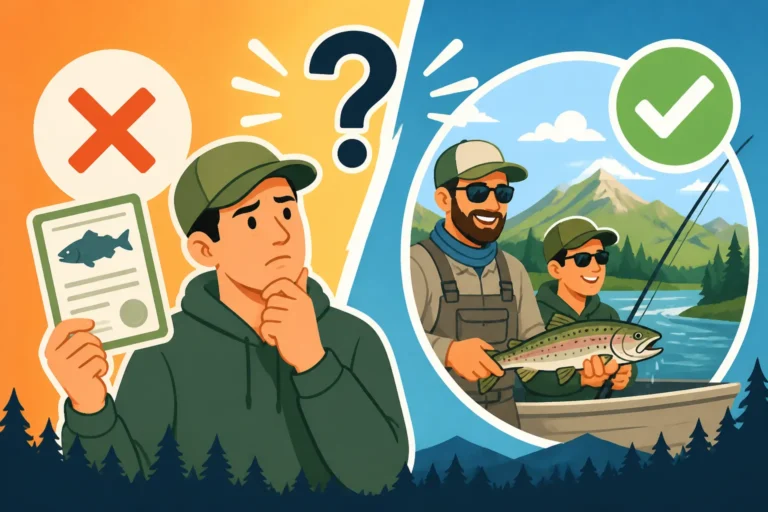
Beyond the physical challenges, Idaho has a complex set of fishing regulations, especially when it comes to anadromous species like steelhead. There are specific rules for hatchery versus wild fish, different limits depending on the section of river, and mandatory catch record card requirements. A good guide isn't just a boat operator; they're a walking encyclopedia of Idaho Fishing Regulations Explained, making sure you stay legal and compliant, allowing you to focus purely on the fishing. They'll show you how to properly fill out your Idaho Salmon and Steelhead Permit and understand the subtle differences between a fin-clipped hatchery fish and a protected wild one.
Mastering Steelhead Techniques and Tactics
Steelhead are often called "the fish of a thousand casts" for a reason. They are notoriously finicky, elusive, and require precise presentation. The techniques used to catch them are highly specialized, whether you're bobber-dogging, side-drifting, back-trolling plugs, or fishing bait through deep holes. Each method requires specific gear, rigging, and a keen eye for what the fish are doing that day. Without prior experience, it's easy to spend an entire day doing everything wrong.
A top Salmon River steelhead guide not only possesses these skills but is also an excellent teacher. They'll walk you through the proper setup, demonstrate the casting or boat control techniques, and explain why you're doing what you're doing. This hands-on instruction is invaluable, turning your trip into a masterclass in How to Fish for Steelhead in Idaho. You'll learn how to read water, identify subtle bites, and develop a feel for when a steelhead is investigating your offering, lessons that will serve you well on future fishing adventures.
Accessing Prime Fishing Spots
The Salmon River stretches for hundreds of miles, and while there's a lot of water, not all of it holds steelhead equally. Many of the most productive fishing holes are difficult to access from the bank or require a specialized jet boat to reach. Guides have the experience, the vessels, and the knowledge of private and public access points to put you directly on the fish. They've spent years scouting, learning the river's moods, and understanding where steelhead tend to congregate at different times of the Idaho Steelhead Season Dates and Limits.
Imagine spending hours driving around, looking for a public access point, only to find it crowded or unproductive. A guide eliminates that frustration entirely. They know the current hot spots, the lesser-known stretches, and how to adapt to changing river conditions. For example, they'll know if the best action is on The Best Section of the Salmon River for Steelhead that day, or if a particular side channel is holding fish, maximizing your time on the water where it counts.
What Makes a Top-Tier Salmon River Steelhead Guide?
Not all guides are created equal, and when you're investing in a Salmon River steelhead trip, you want to make sure you're getting the best. A truly exceptional guide offers much more than just a boat ride and a place to cast a line; they provide a comprehensive, educational, and ultimately unforgettable experience.
Experience and Local Knowledge
The best Salmon River steelhead guides are practically born with river water in their veins. They've spent countless hours, days, and seasons on that specific stretch of water, observing, learning, and adapting. This isn't just about general fishing knowledge; it's about an intimate understanding of the Salmon River's unique currents, gravel bars, rock formations, and the subtle ways steelhead behave within them. They know how the fish move with different water levels, temperatures, and times of year.
Look for guides who have been operating on the Salmon River for many years. Their expertise isn't just theoretical; it's hard-won wisdom gained from countless trips, successful and otherwise. They can often tell you where the fish should be holding just by looking at the water, and they have a backup plan (or three) if the primary spots aren't producing. This deep local knowledge is the secret sauce that transforms a good day into a great one.
Safety, Equipment, and Professionalism
Your safety on the river should always be a guide's top priority. A professional Salmon River steelhead guide will hold all necessary licenses and permits, including Coast Guard credentials for operating their vessel, and they'll be certified in first aid. Their boats, typically powerful jet boats designed to navigate shallow, swift water, will be meticulously maintained and equipped with all required safety gear.
Beyond safety, consider the quality of the fishing equipment provided. Top guides invest in high-end rods, reels, and tackle that are perfectly suited for Salmon River steelhead. This means you won't be fumbling with cheap, unreliable gear. Furthermore, professionalism extends to their communication, punctuality, and overall demeanor. They should be friendly, patient, and focused on making your experience the best it can be, regardless of whether the fish are biting aggressively or playing hard to get.
Teaching and Communication Style
Some guides are incredible anglers, but not all are great teachers. A truly top-tier Salmon River steelhead guide excels at both. They understand that many clients are there not just to catch fish, but to learn. They'll patiently explain the nuances of casting, bait presentation, reading the fish finder, and how to fight a powerful steelhead once it's on the line. They'll adjust their teaching style to match your experience level, whether you're a complete novice or an experienced angler looking to refine your skills.
Effective communication is also key. A great guide will keep you informed about what to expect, what's working (or not working), and how to maximize your chances. They're good storytellers, sharing insights about the river and its ecosystem, making the entire day more engaging and memorable. They create a relaxed and encouraging atmosphere, ensuring you feel comfortable asking questions and enjoying the process, even if the fish are being a bit stubborn.
Reputation and Reviews
In today's interconnected world, a guide's reputation often precedes them. Before booking, take the time to research potential guides thoroughly. Look for testimonials on their websites, check out their social media presence, and, most importantly, read independent reviews from past clients. Platforms like FishingBooker are fantastic resources for this, as they allow anglers to share their honest experiences, providing a comprehensive look at a guide's strengths and style.
Pay attention to common themes in the reviews. Do people consistently praise their patience, their ability to find fish, their boat skills, or their overall professionalism? Are there any red flags? A guide with a strong track record of satisfied clients is often a good indicator of their quality. Many of the Idaho Steelhead Fishing Guides featured on such platforms will have detailed profiles outlining their experience, services, and angler feedback, helping you make an informed decision.
How to Find and Book the Right Salmon River Steelhead Guide
Once you've decided a guided trip is the way to go (and for Salmon River steelhead, it absolutely is!), the next step is finding the perfect match. This isn't a decision to rush; a little homework upfront will pay huge dividends on the river.
Starting Your Search and Research
Begin your search well in advance, especially if you're planning your trip during peak steelhead seasons like the fall or spring runs. The best guides book up quickly, sometimes months or even a year out. Platforms like FishingBooker are excellent starting points. They offer a centralized place to browse numerous guides operating on the Salmon River, filter by availability, and see detailed information about their offerings. You can easily compare profiles, review their experience, and get a sense of their specialty.
Beyond online directories, consider asking for recommendations from local tackle shops in towns like Riggins or Grangeville, or from fellow anglers you know who have fished the Salmon River. These word-of-mouth referrals can be incredibly valuable, often leading you to hidden gems or guides whose personalities align well with yours. Remember to also cross-reference any recommendations with online reviews to get a full picture.
Key Questions to Ask Potential Guides
Once you've narrowed down your options, don't hesitate to reach out to a few guides directly. This is your chance to assess their communication style and ask those critical questions that will help you make an informed choice. Here are some examples:
- "What's your typical day like on the Salmon River for steelhead?" This helps you understand their fishing approach and what to expect.
- "What kind of boat do you run, and what safety equipment do you have?" Crucial for peace of mind on a powerful river.
- "What gear do you provide, and what should I bring?" Clarifies What's Included in an Idaho Guided Fishing Trip and what's expected of you.
- "What's your experience level specifically with steelhead on this section of the Salmon River?" Some guides specialize in different fish or river sections.
- "What's your cancellation policy for bad weather or unforeseen circumstances?" Important for planning flexibility.
- "Do you cater to my skill level (e.g., beginner, intermediate, advanced)?" Ensures they can tailor the trip to your needs.
- "Will you help with my Idaho Fishing License Guide and permits?" A good guide will confirm you have everything you need.
Make sure to ask about availability and confirm dates. Remember that How Far in Advance to Book a Salmon River Guide can vary greatly depending on the season and guide popularity.
Understanding Costs and What's Included
The cost of a guided Salmon River steelhead trip can vary widely based on several factors, including the length of the trip (half-day, full-day, multi-day), the number of anglers, and the guide's experience. Generally, you can expect costs to reflect the specialized nature of steelhead fishing, the expense of operating powerful jet boats, and the guide's expertise. How Much a Full-Day Steelhead Jet Boat Trip Costs on the Salmon River will typically be higher than a wade trip for trout, for example, due to the equipment and effort involved.
Most reputable guides will include high-quality fishing gear (rods, reels, tackle), bait, and often drinks and a shore lunch on full-day trips. What is not usually included is your personal Idaho Fishing License Cost Guide and any required permits, such as the Salmon/Steelhead Permit, so be sure to purchase those in advance. Gratuity for your guide is also customary and typically not included in the upfront price. Always confirm what's covered before booking to avoid any surprises.
| Service Type | Duration | Typical Inclusions (Check with Guide) | Typical Exclusions (Plan for These) | Best For |
|---|---|---|---|---|
| Half-Day Jet Boat | 4-5 hours | Gear, bait, some drinks | License, permits, lunch, gratuity, personal items | Quick trips, trying out steelhead, fitting into a busy schedule |
| Full-Day Jet Boat | 8-10 hours | Gear, bait, lunch, drinks | License, permits, gratuity, personal items | Maximizing time on water, deeper learning, higher fish opportunity |
| Multi-Day Trip | 2+ days | Varies; often includes lodging, most meals, gear | License, permits, some specialty items, gratuity | Immersive experience, exploring more river, truly disconnecting |
| Private Trip | Varies | Tailored to group needs | As above | Families, corporate groups, highly personalized experience, specific targets |
Preparing for Your Guided Salmon River Steelhead Trip
You've booked your guide, marked your calendar, and now the excitement is building! A little preparation can go a long way in making your guided Salmon River steelhead trip as enjoyable and comfortable as possible.
Essential Gear and Clothing
Even though your guide will provide the fishing gear, you'll still need to bring some essentials to ensure you're comfortable and ready for whatever the Idaho weather throws at you. The key is layers, layers, layers!
- Layered Clothing: Mornings on the Salmon can be chilly, even if the afternoon heats up. Wear moisture-wicking base layers, a warm fleece or puffy jacket, and then a waterproof and windproof outer shell.
- Waterproofs: A good waterproof jacket and pants are non-negotiable, especially on a jet boat where spray is common, or if the weather turns.
- Footwear: Waterproof boots are ideal. If you anticipate any bank fishing or wading, waders might be useful, but check with your guide first. Otherwise, sturdy, comfortable shoes you don't mind getting wet are fine for boat-based trips.
- Hat and Sunglasses: A brimmed hat protects from sun and glare, and polarized sunglasses are critical for seeing fish (if conditions allow) and protecting your eyes from errant hooks.
- Gloves: Fingerless fishing gloves can provide warmth and sun protection while maintaining dexterity.
- Personal Items: Sunscreen, lip balm, any personal medications, and a camera (in a waterproof bag) are usually good to have.
- Your License and Permits: Don't forget your valid Idaho Fishing License Guide and your Salmon/Steelhead Permit! Keep them accessible, as your guide will likely ask to see them.
Remember to pack a small bag that's easy to store in the boat. Your guide will likely offer advice on What to Bring on a Guided Idaho Fishing Trip once you book with them.
Mental Preparation and Expectations
Here's the honest truth about fishing, especially for elusive fish like steelhead: there are no guarantees. Even the best guides on the best water can have slow days. The most important thing is to manage your expectations. Go into the trip with an open mind, ready to learn, and prepared to enjoy the stunning scenery of the Salmon River Canyon. The experience of being on the water, learning from an expert, and soaking in the natural beauty is a reward in itself, regardless of the final fish count.
A good guide will do everything in their power to put you on fish, using their vast knowledge and experience. They'll work tirelessly, but sometimes the fish just aren't cooperating. Focus on the process, the techniques, and the shared camaraderie. Every cast is an opportunity, and even a single steelhead can make the entire trip unforgettable.
Tipping and Etiquette
Tipping your guide is a standard practice and a way to show appreciation for their hard work, expertise, and dedication to your trip. While specific amounts can vary, a general guideline is to tip 15-20% of the trip's total cost. If you had an exceptional experience, or if the guide went above and beyond (e.g., helped with gear issues, stayed out longer, was incredibly patient with children), you might consider tipping a little more.
Hand the tip directly to the guide at the end of the trip. Beyond tipping, good client etiquette includes:
- Be on time: Guides adhere to a tight schedule.
- Listen to instructions: They're there for your safety and success.
- Don't overpack: Keep your gear minimal and organized.
- Communicate: Let them know if you're cold, need a break, or have a question.
- Be respectful: Treat the boat, gear, and the environment with care.
- Enjoy yourself: A positive attitude is contagious and makes the trip better for everyone.
Many guides will have information about tipping on their website or on their profile on platforms like FishingBooker, but it's always good to be prepared.
Disclaimer
This article is for general informational purposes only and does not constitute professional advice. Laws, prices and regulations vary by location and change over time. Consult a qualified professional for guidance on your specific situation.