Best Outfitters for Floating the Middle Fork of the Salmon River
The thought of navigating the wild, undammed waters of Idaho's Middle Fork of the Salmon River for an epic fishing trip is a dream for many, but figuring out how to actually do it can feel like trying to untangle a hundred-pound snarl of fishing line. From permits to logistics to finding the right crew, it's a huge undertaking. This guide will shine a light on why this river is so legendary and, more importantly, help you understand what makes a truly great outfitter for a Middle Fork float, setting you up for an unforgettable adventure.
The Allure of Idaho's Middle Fork of the Salmon River
There are rivers, and then there are rivers. The Middle Fork of the Salmon, often called the "River of No Return," falls squarely into the latter category. It's not just a place to catch fish; it's an experience that transcends a typical fishing trip, offering a deep dive into the heart of Idaho's wilderness.
A True Wilderness Fishing Experience
Imagine this: no roads, no cell service, just the sound of rushing water, chirping birds, and the occasional splash of a rising trout. That's the Middle Fork. It flows through the vast Frank Church River of No Return Wilderness, one of the largest contiguous wilderness areas in the lower 48 states. This isn't a river you just drive up to and cast a line; it requires a multi-day float trip, leaving the modern world far behind. This disconnect is precisely why so many anglers seek it out. It's a chance to truly unplug and immerse yourself in nature, letting the rhythm of the river dictate your days.
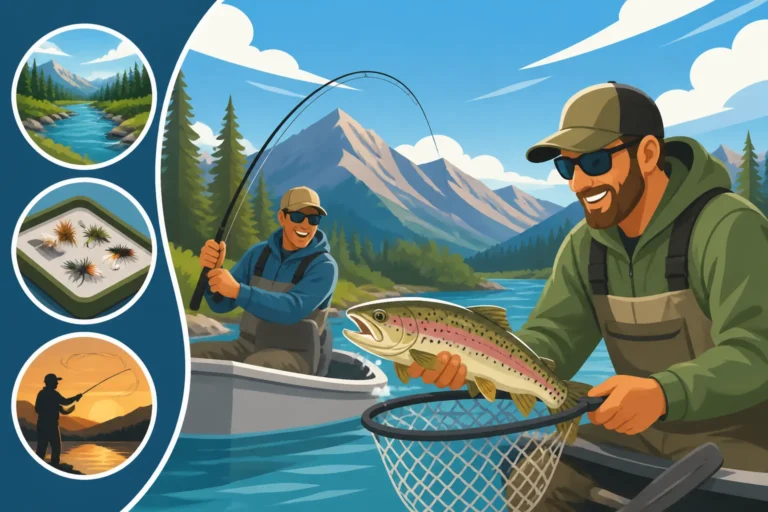
The fishing itself is legendary, primarily for its abundant native Westslope Cutthroat Trout. These beautiful, aggressive fish are eager to rise to a well-presented dry fly, often in stunning numbers. While the cutthroat are the main attraction, you might also encounter rainbow trout and, in certain sections, the protected Bull Trout. Catching a Bull Trout is a special treat, but remember, they are strictly catch-and-release. The sheer volume and willingness of the fish in this pristine environment make for a truly unique angling experience. Each evening, after a day of floating and fishing, you'll pull up to a sandy beach campsite, where stories are shared around a crackling fire under a canopy of stars. It's an entire journey, not just a day on the water.
Prime Fishing Seasons and Conditions
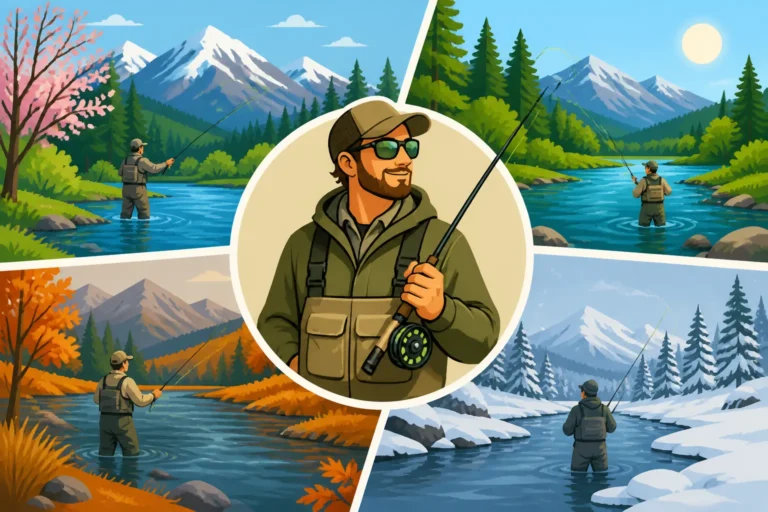
The Middle Fork's character shifts with the seasons, and understanding these changes is key to planning your trip. Generally, the season runs from early June into September. Early season, typically June, often means higher water levels from snowmelt. This can make for an exhilarating float through the rapids and often provides excellent nymphing opportunities. As the water begins to drop and warm slightly, the dry fly fishing really takes off.
Mid-summer, usually July and August, is prime time for consistent dry fly action. Terrestrial patterns like hoppers and stimulators become incredibly effective, and the sheer volume of hatches can be astounding. You'll often witness multiple types of insects emerging, creating a smorgasbord for the trout. The clearer, warmer water also makes for fantastic wading opportunities along the riverbanks. As the calendar flips to September, the crowds thin, the air gets a crisp edge, and the fish, still looking up, often become larger and more aggressive before winter sets in.
Outfitters are true experts at navigating these seasonal nuances. They meticulously track water levels, temperatures, and insect hatches, planning their trips to maximize fishing success. A seasoned guide knows which stretches of river will be most productive at any given time, what flies to tie on, and how to best approach the fish in different conditions. Their deep knowledge transforms what might be an uncertain venture into a highly productive and enjoyable fishing experience, ensuring you're there during the sweet spot for whatever kind of fishing you're hoping for.
Essential Considerations When Choosing a Middle Fork Outfitter
When you're committing to a multi-day wilderness trip on a river like the Middle Fork, your choice of outfitter is arguably the most crucial decision you'll make. It’s the difference between a trip of a lifetime and a series of frustrating mishaps.
Experience and Reputation
On a wild, remote river like the Middle Fork, experience isn't just a nice bonus; it's absolutely paramount. You want an outfitter whose guides know every rock, every riffle, every eddy, and every potential hazard of the river. These are not only fishing guides but also wilderness experts, first aid providers, chefs, and storytellers. Their ability to read the water, navigate rapids safely, and instinctively know where the fish are holding comes from years, often decades, on the river. Safety, above all, is the most critical aspect, and an experienced crew can handle everything from a misplaced oar to an unexpected change in weather with calm proficiency.
When you're looking, don't just take an outfitter's word for it. Dig into their reputation. Look for companies with a long history of operating on the Middle Fork and a track record of consistently positive reviews. Websites like FishingBooker can be incredibly useful resources, providing a consolidated place to read testimonials, compare services, and even directly book trips. Word-of-mouth recommendations from fellow anglers are also gold. Beyond the head guide, consider the entire crew. A well-oiled team with competent rowers, skilled camp staff who can whip up delicious meals, and an overall positive vibe will elevate your trip from good to truly exceptional. Every member plays a role in making your wilderness experience smooth and enjoyable.
Trip Style and Inclusions
Middle Fork outfitters offer a spectrum of trips, and understanding what you're looking for will help you narrow down your choices. Are you a hardcore angler whose sole focus is maximizing casts and catching fish? Or are you looking for a more balanced adventure that includes hiking, exploring hot springs, and simply soaking in the scenery, with fishing as a cherished part of the journey? Some outfitters specialize in dedicated fishing floats, often utilizing smaller fishing-specific rafts or drift boats, while others offer more general "adventure" floats where fishing is an option alongside other activities.
It’s also critical to scrutinize what is and isn't included in the trip price. Most reputable outfitters provide almost everything you'll need for the duration: all raft transportation, professional guides, delicious camp meals (often gourmet!), tents, sleeping pads, and even dry bags for your gear. Some might even offer loaner fishing rods and reels. However, important exclusions often include your personal Idaho Fishing License Guide and any necessary permits (like a Salmon/Steelhead permit, though less common for Middle Fork trips focused on trout). Alcohol, personal fishing tackle, waders, and gratuities are almost always extra. Make a detailed checklist and ask pointed questions.
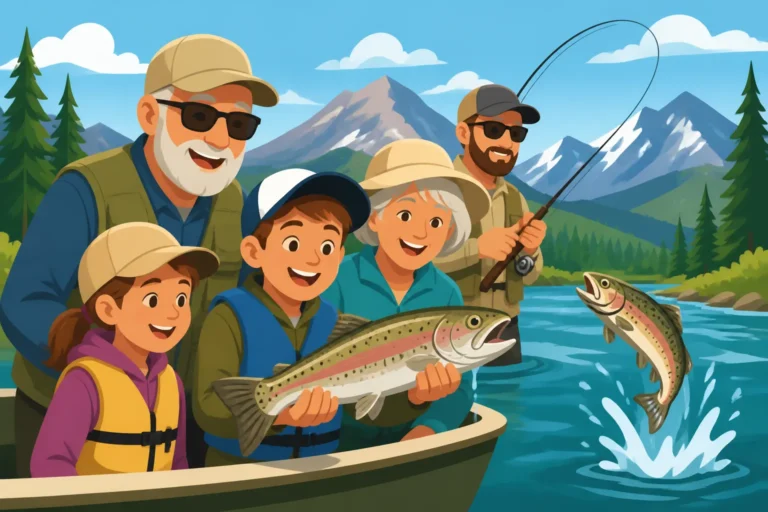
Consider the group size, too. Smaller, more intimate groups (often 6-10 guests) typically allow for more personalized attention from guides and more flexibility in fishing spots. Larger groups might mean more amenities at camp but potentially less one-on-one guiding. Many outfitters offer both private and group trips, and some are excellent at customizing experiences for families or specific angling goals. Don't be shy about discussing your preferences and expectations upfront to ensure the trip style aligns perfectly with your vision.
Permitting and Logistics Expertise
The Middle Fork of the Salmon is a highly regulated river. To protect its pristine wilderness character, access is managed through a competitive permit lottery system. Securing a private permit is incredibly difficult, often requiring years of applications. This is precisely where outfitters become indispensable for most anglers. Commercial outfitters hold special allocated permits, allowing them to legally guide trips down the river. Without an outfitter, experiencing the Middle Fork for more than a day or two is nearly impossible for the average person.
Beyond permits, the sheer logistical undertaking of a multi-day wilderness float trip is immense. Think about it: transporting all the rafts, camping gear, cooking equipment, fresh food, water, and waste for an entire group down a wild river, then coordinating shuttles to get everyone (and their vehicles) back to civilization at the end. It's a logistical ballet that requires meticulous planning and execution. The outfitter handles everything: menu planning, food preparation, camp setup and breakdown, waste management according to strict "leave no trace" principles, and all transportation.
This extensive logistical support means you, the angler, are completely free to focus on the fishing, the scenery, and simply enjoying the wilderness. A good outfitter makes all these complex operations appear seamless, almost invisible, allowing you to immerse yourself fully in the experience. They navigate the remote put-in and take-out points, manage the delicate ecosystem, and ensure that your only concern is which fly to tie on next.
Preparing for Your Unforgettable Middle Fork Adventure
You’ve picked your outfitter and booked your trip—fantastic! Now it’s time to shift your focus to preparing yourself for the journey. A little planning goes a long way in ensuring you get the most out of every moment on the Middle Fork.
Necessary Gear and Personal Items
While your outfitter will provide the majority of the heavy-duty gear (rafts, tents, camp kitchen), your personal items are crucial for comfort and success. For fishing, you’ll want to bring your preferred rods (a 4- or 5-weight fly rod is generally ideal for cutthroat, maybe a heavier one if targeting bull trout), reels, lines, and an assortment of flies. Your outfitter will often provide a recommended fly list, but popular choices include various dry flies (stimulators, elk hair caddis, parachute Adams, hoppers, ants), nymphs (Prince, Hare's Ear), and streamers. Don't forget waders and wading boots – even in summer, the river water is cold, and you'll want foot protection.
Beyond fishing gear, think layers for clothing. Idaho weather can be unpredictable, even in summer, with warm days and cool evenings. Pack quick-drying synthetics, fleece, and a good waterproof/breathable rain jacket and pants. A wide-brimmed hat, polarized sunglasses, and plenty of sunscreen are essential for sun protection. For evenings, comfortable camp clothes are a must. Remember, space on the rafts is often limited, so pack efficiently, using soft-sided bags that can be easily stowed in dry bags provided by the outfitter. Small personal items like medications, a camera, binoculars for wildlife viewing, and a headlamp are also highly recommended.
Physical Preparation and Expectations
A Middle Fork float trip, while incredibly rewarding, does involve some physical activity. You’ll be getting in and out of rafts, wading the river, and walking around sandy, uneven campsites. While it’s not an extreme expedition, being in reasonably good physical condition will undoubtedly enhance your enjoyment. You don't need to be an athlete, but comfortable mobility will make your days much smoother.
It’s also important to set realistic expectations for the fishing itself. The Middle Fork is renowned for its eager cutthroat, and many days will be phenomenal. However, it's still wild fishing, and conditions can vary. Some days might require more patience or a change in technique. Embrace the entire experience – the breathtaking scenery, the camaraderie with your guides and fellow travelers, the delicious meals, and the pure joy of disconnecting. Don't solely measure the trip by the number of fish caught. The true trophy is the wilderness immersion itself. This journey is as much about the journey as it is about the destination.
Understanding Costs and Booking Procedures
A guided multi-day float trip on the Middle Fork of the Salmon is an investment, reflecting the remoteness, the specialized equipment, the experienced crew, and the invaluable permits required. While I can't provide exact figures, expect the Idaho Fishing Guide Cost Guide to be substantial, covering everything from the commercial permit fees to gourmet meals, safety equipment, and skilled guiding for multiple days in the wilderness. It's a comprehensive package designed to provide a hassle-free, all-inclusive adventure. Many guests find the value undeniable when considering the logistics an outfitter handles.
Given the limited number of permits and the popularity of the Middle Fork, trips often book up many months, sometimes even a year or more, in advance, especially for prime summer dates. It's highly advisable to begin the Booking an Idaho Fishing Guide in Advance process as early as possible. Most outfitters will require a significant deposit to secure your spot, with the balance due closer to the trip date. When comparing outfitters, don't just look at the price; consider the guide-to-client ratio, the quality of their gear, their menu, and their overall reputation. Platforms like FishingBooker allow you to compare different outfitter packages and check availability, helping you make an informed decision. Also, always review the outfitter's cancellation policy and consider purchasing trip insurance, as unforeseen circumstances can always arise. This is an investment in an experience, and protecting that investment is wise.
Common Questions About Middle Fork Outfitters
Even after all the research, you might still have a few lingering questions. It's natural! Understanding these common concerns can help solidify your plans and ensure you're fully prepared for your Middle Fork adventure.
Licenses, Permits, and Regulations
This is one of the most common points of confusion. Your outfitter handles the commercial permit that allows them to operate on the Middle Fork, which is a major hurdle. However, you, as an individual angler, are still responsible for purchasing your own Idaho Fishing License Guide. Depending on what you might encounter (though less common for a pure Middle Fork trout trip), you might also need specific stamps for salmon or steelhead. It's crucial to obtain these before your trip begins, as you won't be able to purchase them once you're on the river in the wilderness.
The Middle Fork operates under strict fishing regulations, many of which emphasize catch-and-release, especially for native species like cutthroat and the protected bull trout. Your guide will provide a thorough briefing on current regulations specific to the river, including any special tackle restrictions or bag limits (though often, it's all catch and release). Always defer to your guide's knowledge and instructions on the water. Additionally, the entire trip operates under strict "Leave No Trace" principles. This means packing out everything you pack in, proper waste disposal (often involving portable toilets and designated waste areas), and minimizing your impact on the delicate ecosystem. Your outfitter is an expert at implementing these practices, ensuring the river remains pristine for future generations. For a detailed breakdown, you can always refer to the Idaho Fishing Regulations Explained.
Tipping and Guide Etiquette
Ah, the delicate subject of tipping! It's an unspoken rule in the guiding industry and is a customary way to show appreciation for a job well done on a multi-day trip. While specific amounts can vary, a general guideline for a multi-day guided trip, like those on the Middle Fork, is typically a percentage of the trip cost per person. This amount is usually pooled and divided among the entire crew (guides, cooks, camp staff) who contribute to your experience. Your outfitter may offer guidance on this, but it's important to budget for it. You can learn more about this common practice in our Idaho Fishing Guide Tipping and Etiquette post.
Beyond monetary gratuity, good guest etiquette goes a long way. Be punctual, listen to your guides' instructions (especially regarding safety and fishing techniques), and be a pleasant and respectful member of the group. Wilderness trips foster a strong sense of camaraderie, and a positive attitude contributes to everyone's enjoyment. Sharing a laugh, helping out with small tasks around camp, or simply being a good sport if the fish are finicky are all appreciated. A heartfelt verbal thank you, a positive review online, or even recommending the outfitter to friends are also meaningful ways to show your gratitude and help ensure future success for the hard-working crew.
| Feature | What to Expect from a Premier Middle Fork Outfitter Trip |
|---|---|
| Duration | Typically 5-7 days for a full river float, depending on the outfitter's itinerary. |
| Accommodation | Comfortable tent camping on sandy beaches, with high-quality sleeping pads and bags often provided. |
| Meals | Gourmet, fresh-prepared meals (breakfast, lunch, dinner), snacks, and drinks. Dietary needs are usually accommodated with prior notice. |
| Equipment Provided | Rafts, drift boats, PFDs (personal flotation devices), camp chairs, dining tables, and extensive kitchen setup. Loaner fishing gear might be available. |
| Guides | Highly experienced, licensed, first-aid certified professionals with deep knowledge of the river, fishing techniques, and local ecology. |
| Fishing Focus | Primarily native Westslope Cutthroat Trout (dry fly emphasis), with opportunities for Rainbow Trout and strictly catch-and-release Bull Trout. |
| Additional Activities | Opportunities for scenic hikes, exploring natural hot springs, swimming in designated areas, abundant wildlife viewing, and photography. |
| Permits & Logistics | All necessary commercial permits are secured by the outfitter. Comprehensive logistical support includes food planning, equipment transport, camp management, and shuttle services to and from the river. |
The Middle Fork of the Salmon River is a truly iconic destination, offering an unparalleled blend of adventure, natural beauty, and exceptional fishing. Choosing a reputable outfitter is the key to unlocking this incredible wilderness experience, transforming the logistical complexities into a seamless and unforgettable journey. From securing those elusive permits to guiding you to the best fishing holes and preparing delicious meals under starry skies, a skilled outfitter handles it all. For those ready to dive deep into Idaho's wild heart, booking a guided trip on the Middle Fork promises memories that will last a lifetime. Check out our Idaho Fishing Guides and Charters Directory for more options. If you're wondering How Long a Middle Fork Salmon River Guided Float Trip Takes or What a Multi-Day Middle Fork Salmon River Trip Costs, those articles can provide more detailed insights as you plan your adventure. When you're ready to proceed, we have a helpful guide on How to Book a Fishing Guide in Idaho and What to Expect on a Guided Idaho Fishing Trip. Consider a Multi-Day Idaho Fishing Trip Packages option for the most immersive experience.
Disclaimer
This article is for general informational purposes only and does not constitute professional advice. Laws, prices and regulations vary by location and change over time. Consult a qualified professional for guidance on your specific situation.