Hardest Fish to Catch
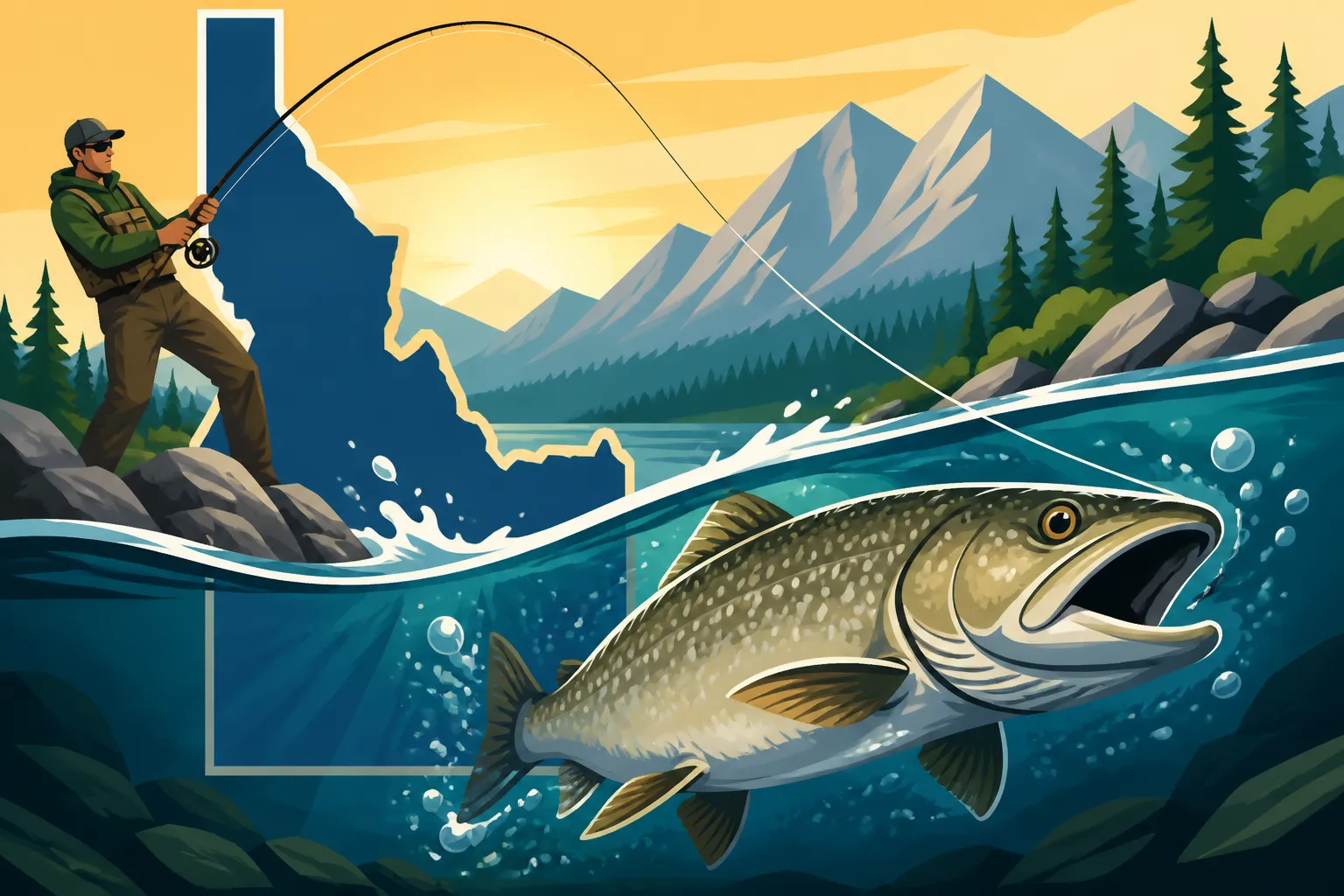
We've all been there: you head out to your favorite fishing spot in Idaho, confident you'll land a few trout, only to find the fish are ignoring everything you throw at them. Sometimes it feels like they're actively mocking you! While Idaho offers fantastic fishing for anglers of all skill levels, some species truly demand every ounce of your patience, skill, and even a little bit of luck. This guide dives deep into the hardest fish to catch in Idaho, exploring what makes them such a challenge and, more importantly, how you can boost your chances of finally bringing one to the net.
Defining the Challenge: What Makes a Fish "Hard to Catch"?
Before we dive into naming names, let's talk about what actually makes a fish "hard to catch." It's not just about size, though that certainly plays a role. Often, it comes down to a combination of factors that conspire to make an angler's life delightfully difficult. Understanding these elements is the first step in appreciating the challenge and preparing for it.
Intelligence and Wariness
Some fish are just plain smarter, or at least more wary, than others. They learn quickly from negative experiences, like a poorly presented fly or a lure that's seen too many times. These fish often inhabit highly pressured waters where they've been pursued by countless anglers, making them incredibly discerning. They can detect subtle vibrations, unnatural movements, or even the shadow of your cast, sending them darting for cover before your offering even hits the water.
Think about a trout in a crystal-clear spring creek, like Silver Creek. Every single element of your approach – from your leader size to your casting mechanics – has to be impeccable. One wrong move, one unnatural drift, and they're gone. It's not just about having the right fly; it's about presenting it as if it grew wings and landed there naturally, without a human hand involved. This level of finesse is what truly separates the casual angler from the dedicated pursuit.
Habitat and Accessibility
Sometimes, the difficulty isn't about the fish's intelligence, but simply where it lives and how hard it is to get to. Some of Idaho's most sought-after species reside in remote backcountry lakes, requiring multi-mile hikes with all your gear, often through rugged terrain. Other fish prefer deep, cold waters that demand specialized boats, electronics, and trolling gear to even locate them, let alone entice a bite.
Consider the high mountain lakes in the Sawtooths, for instance. You might hike five miles uphill, gain thousands of feet in elevation, just to reach a pristine lake where a few elusive cutthroat or golden trout reside. The physical exertion, the planning for weather, and the sheer effort involved before you even make your first cast adds a significant layer of difficulty. Similarly, fishing for species that hug deep structure in massive reservoirs means you're not just fishing; you're hunting with sonar, battling wind, and constantly adjusting your boat position. This isn't your grandpa's easy dock fishing!
Specialized Gear and Techniques
Let's face it, not every fish is caught with a bobber and a worm. Some of Idaho's hardest fish demand highly specialized gear and techniques that take years to master. From delicate fly fishing presentations on finicky trout streams to heavy-duty trolling setups for monster lake dwellers, the equipment can be daunting, and the learning curve steep. This isn't about simply buying the most expensive gear (though quality helps), but understanding how to use it effectively.
Take, for example, a serious angler targeting giant Lake Pend Oreille rainbow trout. They're not just throwing a spinner. They might be using custom-tied flies on ultra-long leaders, specialized lead core lines, or specific trolling speeds and depths determined by years of experience and modern fish-finding technology. Or, if you're trying to fool a particular steelhead, you might be perfecting your drift-fishing technique with specific weighted jigs or subtle plug wraps. The sheer variety and specificity of tackle and methods can be overwhelming, and it's something you often learn through countless hours on the water, not just by reading a quick guide. You can find a lot of great specialized gear, from lines to lures, available through online retailers like Amazon, if you know what you're looking for.
Aggression and Fight
Finally, some fish are hard to catch simply because once you hook them, they put up an incredible fight. They're powerful, acrobatic, and determined to throw the hook, often resulting in heart-pounding battles that test the limits of your tackle and your stamina. Landing one of these doesn't just require getting a bite; it requires seeing the fight through to the very end.
Imagine a powerful Snake River sturgeon. These ancient giants aren't just big; they're incredibly strong and can lead you on a lengthy chase, often requiring specialized heavy-duty rods and reels to even stand a chance. Or a fresh steelhead, leaping and tail-walking across the river, shaking its head violently. These fish demand a perfect drag setting, a patient hand, and often, a little bit of prayer. Losing one at the boat after a long fight can be one of the most frustrating, yet exhilarating, experiences in fishing.
Idaho's Top Contenders for the Toughest Catch
Idaho is home to some incredible fisheries, and while many offer relatively accessible angling, there are definitely a few species that stand out as the ultimate challenge. These are the fish that anglers dream of, obsess over, and often spend years pursuing.
White Sturgeon
Without a doubt, the white sturgeon in the Snake River is a prime candidate for Idaho's hardest fish to catch. These prehistoric leviathans are the largest freshwater fish in North America, and their sheer size and strength make them an unparalleled challenge. Idaho Sturgeon Fishing Rules dictate that they are strictly catch-and-release, adding to the conservation ethic around these magnificent creatures.
Imagine hooking into a fish that can easily be twice your height and weigh hundreds of pounds. The fight is legendary, often involving long runs, powerful headshakes, and deep dives. It's not uncommon for a battle with a large sturgeon to last an hour or more, testing every fiber of your being and the limits of your heavy tackle. Many anglers spend entire days, or even multiple trips, before they even get a solid hook-up on a truly massive fish. It's a game of patience, strong gear, and a whole lot of physical endurance. You'll definitely want to know How to Fight a Sturgeon on the Snake River before you go.
Anadromous Steelhead (A-Run and B-Run)
Steelhead, the sea-run rainbow trout, are revered by anglers for their incredible fighting ability and their elusive nature. Idaho's steelhead fishery, particularly on rivers like the Clearwater and Salmon, is world-renowned, but don't mistake that popularity for ease of catching. These fish have traveled hundreds of miles from the ocean, navigated dams, and battled strong currents to reach their spawning grounds, making them incredibly tough and wary.
There are two main "runs" of steelhead in Idaho: A-run and B-run. The B-run fish are generally larger and enter the rivers later in the season. Regardless of the run, these fish are notorious for being finicky. They might follow your lure or fly without striking, or they might hit it with a subtle tap that's barely detectable. Once hooked, they are incredibly acrobatic, with aerial displays and powerful runs that can strip line from your reel in seconds. Idaho Steelhead Fishing Guide will tell you that a successful steelhead angler often measures success not just in fish landed, but in the sheer number of casts made and the commitment to understanding the river.
Trophy Kamloops Rainbow Trout (Lake Pend Oreille)
While rainbow trout are often considered a beginner-friendly species, the Kamloops strain of rainbow trout in Lake Pend Oreille is anything but. This massive northern Idaho lake holds the state record, and once held the world record, for rainbow trout, and these fish are truly giants. Growing to immense sizes, they are apex predators in their environment, incredibly smart, and require highly specialized techniques to entice.
Targeting these trophy rainbows often involves hours of deep-water trolling, covering vast expanses of the lake with sophisticated sonar and downriggers. They are incredibly wary and selective feeders, meaning your presentation, lure choice, and trolling speed must be absolutely perfect. The sheer size of Lake Pend Oreille also adds to the challenge; it's like trying to find a needle in a haystack, and that needle is a massive, intelligent fish that knows every trick in the book. Landing one of these giants is a monumental achievement, truly setting it apart from catching typical stocked rainbows. You can learn more about Idaho Rainbow Trout Fishing Guide and specifically, How to Catch Rainbow Trout at Lake Pend Oreille.
Selective Cutthroat Trout (Spring Creeks like Silver Creek)
While not necessarily "trophy" in size compared to sturgeon or Pend Oreille rainbows, the cutthroat trout in Idaho's spring creeks, particularly those in famous waters like Silver Creek, are incredibly challenging for a different reason: their extreme selectivity. These are highly educated fish that feed almost exclusively on specific insects emerging from the pristine waters, and they have seen every fly pattern imaginable.
To catch a cutthroat in these waters, you need to master the art of delicate presentation, perfect fly selection, and stealthy approach. The water is often crystal clear, making the fish highly visible but also incredibly spooky. You might spend an hour observing a single fish, trying to match the hatch exactly, tying on various patterns, and adjusting your leader and tippet until your presentation is absolutely flawless. One wrong cast, one drag on the line, and the fish will refuse your offering, often disappearing into the shadows. This is fly fishing at its most demanding and rewarding.
Unpacking the Elusiveness: Why These Fish Test Your Mettle
So, we've identified some of Idaho's toughest contenders. But why, exactly, are they so difficult? It's often a blend of factors that contribute to their legendary elusiveness, making each successful catch a true testament to an angler's skill and dedication.
Environmental Factors
Idaho's diverse geography plays a huge role in the difficulty of fishing for certain species. Vast lakes, powerful rivers, and remote mountain streams all present their own unique challenges that fish have adapted to, making them harder for us to catch.
Deep Water and Vast Expanses
For species like trophy lake trout or the giant rainbows of Lake Pend Oreille, the sheer size and depth of their habitat are major obstacles. These fish don't just hang out near the shore; they inhabit deep, cold thermoclines, often miles from any accessible bank. This means anglers need specialized boats, powerful motors, and sophisticated fish-finding electronics just to locate them. Once found, precise trolling techniques, often using downriggers to get lures to exact depths, become critical. The vastness of these waters means you can spend an entire day searching and covering water, only to have a single, fleeting opportunity for a bite. Understanding Idaho Trolling Techniques Guide can be a game-changer.
Strong Currents and Complex River Systems
River-dwelling giants like sturgeon and steelhead thrive in powerful currents, using the flow to their advantage. The Snake River, with its deep channels and strong currents, and the Salmon and Clearwater Rivers, with their fast-moving, often turbulent waters, are challenging environments to fish. Anchoring a boat safely, maintaining a consistent drift, and presenting bait or lures naturally in these conditions requires significant skill and understanding of hydrodynamics. Fish in these rivers are built for power and endurance, making their fights even more grueling. Anglers often spend years learning to "read the water" on these complex river systems.
Behavioral and Biological Traits
Beyond their environment, the fish themselves possess traits that make them incredibly difficult to catch. These are often innate behaviors that have evolved to help them survive, inadvertently making them a pain for us eager anglers.
Highly Selective Feeding Habits
Many of the hardest fish to catch are incredibly selective eaters. This is particularly true for trout in clear, insect-rich waters, but it also applies to large predators. They might key in on a specific size, color, or shape of prey, and ignore everything else. For fly anglers, this means "matching the hatch" with an exact imitation of the insect currently emerging, presented flawlessly. For lure and bait anglers, it means constantly experimenting with different presentations and offerings until you hit on the magic combination. This requires keen observation and a willingness to change tactics constantly. The difference between success and failure can be as minute as a slightly different shade of bead on a nymph or a change in the flutter of a plug.
Wary Nature and Sensory Acuity
These fish didn't get big or survive multiple encounters with anglers by being dumb. They possess exceptional sensory capabilities, including keen eyesight, an acute sense of smell, and the ability to detect subtle vibrations through their lateral lines. They can easily detect unnatural elements like heavy fishing line, the sound of a boat motor, or the shadow of a fisherman. A single misstep can spook an entire pool of fish, rendering your efforts fruitless. This demands a stealthy approach, careful casting, and the use of light, almost invisible tackle like fluorocarbon leaders. Think of it as a game of chess, where the fish often has the first and best move. Knowing How to Approach Skittish Trout on Idaho Spring Creeks is vital.
| Fish Species | Primary Challenge(s) | Typical Habitat | Gear Demand |
|---|---|---|---|
| White Sturgeon | Sheer size, immense power, long fights | Deep, powerful rivers | Heavy-duty rods/reels, strong line, large bait |
| Anadromous Steelhead | Wariness, acrobatics, subtle bites, migratory | Fast-flowing rivers | Drift gear, fly rods, specific plugs/jigs |
| Trophy Kamloops Rainbow | Deep-water search, selectivity, strong fight | Vast, deep lakes | Downriggers, specific lures, powerful trolls |
| Selective Cutthroat Trout | Finesse, precise presentation, exact matching | Clear, pristine spring creeks | Delicate fly tackle, exact fly patterns |
Conquering the Challenge: Strategies for Success
Okay, so we know these fish are tough. But the good news is, with the right approach and a bit of perseverance, you can absolutely increase your odds. It's about respecting the challenge and adapting your game.
Research and Preparation
The first step to catching Idaho's hardest fish happens long before you even leave your house. Knowledge is power, and for these species, it's absolutely essential.
Understanding the Species and Their Habits
Dive deep into learning about the specific fish you're targeting. What do they eat? When do they spawn? What water temperatures do they prefer? Where do they hide in different seasons or times of day? A good resource is an Idaho Fish Species Guide, but also seek out more specific information for your target. For instance, knowing that Lake Pend Oreille rainbows often chase kokanee salmon will inform your lure choices, leading you to larger, baitfish-imitating presentations. Understanding that steelhead prefer specific holding lies in certain current seams will guide your casts. This isn't just about general knowledge; it's about detailed ecological understanding.
Gear Selection and Optimization
Using the right tools for the job is non-negotiable. For heavy-hitting sturgeon, that means stout rods, large reels with plenty of line capacity, and robust terminal tackle. For sensitive spring creek trout, it means light rods, delicate leaders, and exact fly patterns. Don't skimp on quality, especially for line and hooks. Even small imperfections can be exploited by a powerful or wary fish. Many anglers find great deals on specific, high-quality fishing line or specialized hooks through online retailers like Amazon, which can make all the difference when targeting these elusive species. Regularly check your gear for wear and tear, and keep your hooks razor-sharp. A dull hook is an invitation for frustration.
Mastering Techniques and Patience
Even with the best gear and knowledge, success often boils down to your execution and your mental game. These fish will test both.
Precision and Presentation
For finicky fish like spring creek trout, precision is paramount. Your cast needs to be accurate, your fly or lure needs to land softly, and your drift needs to be completely natural, devoid of any drag. Practice casting to specific targets, learn to mend your line effectively, and pay attention to every detail of your presentation. For trolling, precision means maintaining exact depths and speeds. For river fishing, it means understanding how currents will affect your bait and adjusting accordingly. It's the little things that often make the biggest difference. Learning How to Cast to Selective Trout on a Spring Creek is a lifelong pursuit for many.
Embrace Patience and Persistence
Perhaps the most critical "technique" for these challenging fish is patience. You will make countless casts without a bite. You will have days where you see fish but can't tempt them. You will lose fish at the net. It's all part of the game. Successful anglers pursuing these species understand that success often comes after hours, days, or even weeks of effort. They don't get discouraged easily; they analyze what went wrong, adapt their strategy, and keep fishing. Consider it a long-term relationship, not a one-night stand. Sometimes the sheer persistence of staying on the water longer than others is what tips the scales in your favor.
Leveraging Local Expertise and Resources
You don't have to go it alone. Many experienced anglers and professional guides have dedicated their lives to understanding these specific fisheries. Their knowledge can drastically shorten your learning curve.
Hiring a Specialized Fishing Guide
If you're serious about catching one of Idaho's hardest fish, especially for species like sturgeon or steelhead, hiring a reputable local fishing guide is often the best investment you can make. They possess intimate knowledge of the water, fish behavior, and proven techniques. They'll also have all the necessary specialized gear, often saving you significant upfront costs. A good guide will teach you invaluable lessons and put you in the best possible position for success. Look for guides specifically experienced with your target species, such as Idaho Steelhead Fishing Guides or Sturgeon Fishing Guides on the Snake River. This is an opportunity to learn from the best.
Connecting with Local Anglers
Join local fishing forums, visit bait and tackle shops, and strike up conversations with experienced anglers at the boat launch. While some secrets are closely guarded, many passionate anglers are happy to share general advice, recent patterns, or point you in the right direction. Just remember to be respectful, offer to share information back, and always be a good steward of the resource. There's a rich community of Idaho fishing enthusiasts, and tapping into that collective knowledge can be incredibly beneficial.
This article is for general informational purposes only and does not constitute professional advice. Laws, prices and regulations vary by location and change over time. Consult a qualified professional for guidance on your specific situation.