Which Idaho Fish Species Were Introduced by Stocking
It's easy to assume that every fish you pull out of an Idaho river or lake has always been there, a true native of our incredible waters. But the reality is, Idaho's aquatic landscape, much like many states, has seen its share of introductions. As anglers, sometimes we just want to know what we're casting for and why it's there, especially when we hear whispers about "native" versus "introduced" species. This guide is going to dive deep into the fascinating world of Idaho's stocked fish, explaining which species were introduced, why, and what it all means for our fishing experiences and the health of our waterways.
The Story Behind Idaho's Introduced Fish: Why Stocking Happens
You might wonder why on earth anyone would introduce a fish species that isn't native to a region. It's a complex question with a lot of history and a mix of intentions, often driven by both good intentions and, sometimes, unforeseen consequences. Idaho's wild and vast waters, from the high mountain lakes to the desert reservoirs, presented unique opportunities and challenges that led to various stocking programs over the decades.
The Role of Conservation and Recreation
Initially, much of the stocking effort across the country, including Idaho, stemmed from a desire to boost recreational fishing opportunities. Early pioneers and settlers, seeing the abundance of some fish but perhaps the scarcity of others that they enjoyed catching or eating, often took matters into their own hands, moving fish from one watershed to another. As wildlife management became more formalized, state agencies picked up the torch, aiming to provide more fish for a growing angling public. If a lake was barren or had a limited diversity of fish, stocking it with a species known to thrive in similar conditions seemed like a logical step to create a new fishery or enhance an existing one. This wasn't always about "fixing" a problem, but sometimes about enhancing an opportunity, making sure there were plenty of catchable fish for everyone who wanted to spend a day on the water.
Beyond pure recreation, some stocking efforts were (and still are) tied to conservation, albeit in a nuanced way. For instance, if a native population faced significant threats from habitat loss or overfishing, managers might stock hatchery-reared fish of that same native species to bolster numbers and prevent local extinction. This is different from introducing a new species, but it falls under the umbrella of managed stocking. However, the focus of this article is truly on those species that were not originally found in Idaho. These introductions were often seen as a way to create fishing where there was none, or to diversify the types of fishing available, from a feisty trout bite to a slower, more deliberate bass hunt. The goal was to give anglers more options, and to utilize waters that might not naturally support a high diversity or abundance of game fish.
Addressing Ecological Gaps and Fishing Demand
Idaho has a unique geography, with cold, clear mountain streams and rivers, but also large, man-made reservoirs that drastically changed the original aquatic environments. These reservoirs, created by damming rivers, often flooded vast areas, creating deep, still-water environments that didn't always suit the native riverine fish. This created an "ecological gap." What would thrive in these new, often warmer, still-water habitats? This led to the introduction of species better suited to such environments, filling a niche that didn't exist before the dams were built.
The demand from anglers also played a huge role. People wanted to catch species they were familiar with from other regions, or they craved larger, faster-growing fish. For example, if anglers from the Midwest moved to Idaho, they might miss fishing for bass or crappie. If a reservoir could support those species, and native populations weren't negatively impacted, introductions seemed like a win-win. This is how many of our popular warmwater fisheries came to be. It’s a delicate balance, of course, because while stocking can meet demand and create new fishing opportunities, it also has to be carefully managed to avoid unintended consequences for existing ecosystems. It’s a constant management challenge, weighing the benefits of diverse fishing against the potential risks to Idaho’s unique natural heritage.
Common Introduced Fish Species You'll Find in Idaho Waters
When you're out fishing in Idaho, especially in some of the more accessible lakes and reservoirs, chances are good you're going to encounter fish that weren't originally here. These introduced species are often the backbone of popular fisheries and provide countless hours of enjoyment for anglers of all ages.
Trout Beyond Our Natives: Rainbow, Brown, and Brook
While Idaho boasts incredible native trout like the Cutthroat, there are several other trout species that have been widely introduced and have become incredibly popular targets.
-
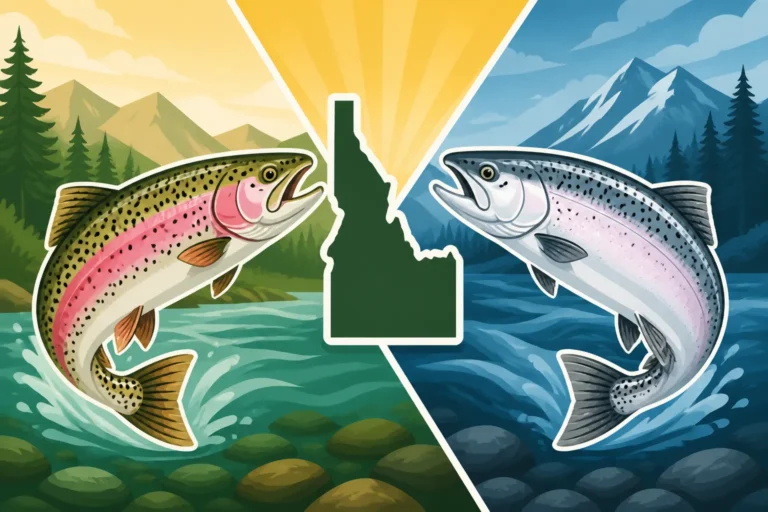
Rainbow Trout: Ah, the beloved rainbow! While some strains of rainbow trout are native to parts of Idaho, particularly the Snake River basin, the widespread stocking of various hatchery strains has made them ubiquitous. Most of the rainbows you catch in smaller ponds, community fisheries, and many reservoirs are the result of stocking programs. They're resilient, grow to a decent size, and put up a fantastic fight, making them a perfect species for family fishing trips or for anglers just looking to bend a rod. They're often stocked in lakes that might not have the natural spawning habitat for wild populations, giving anglers a consistent catch. If you're looking to catch a rainbow, you won't have to look far. Many anglers find great success with simple bait setups or by casting small spinners, readily available on Amazon or at any local tackle shop. You can learn more in our Idaho Rainbow Trout Fishing Guide.
-
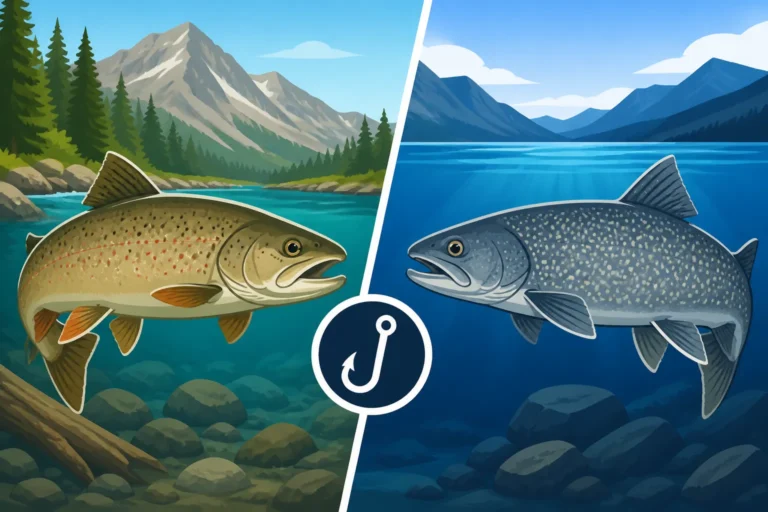
Brown Trout: Originally from Europe, brown trout were introduced to North America in the late 19th century and made their way to Idaho. They are incredibly wary and known for their beautiful spotted patterns and hard fights, especially the larger ones. Brown trout have established wild, self-sustaining populations in many of Idaho's rivers and lakes, particularly in the southern and eastern parts of the state. They thrive in many of the same waters as native cutthroat but are generally more tolerant of warmer water temperatures and habitat degradation. Anglers often target them with streamers, nymphs, or minnow-imitating lures. Their presence offers a different challenge than the typically more aggressive rainbow. For more depth, check out our piece on Idaho Brown Trout Fishing.
-
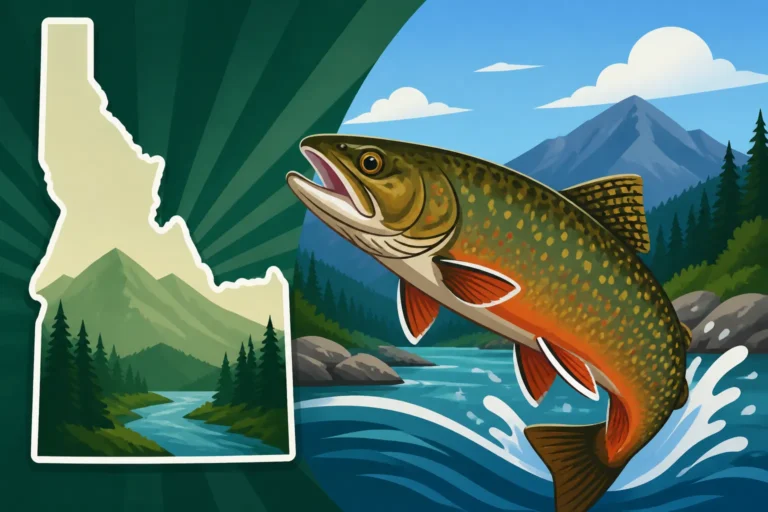
Brook Trout: These beautiful, vibrantly colored fish, actually a char and not a true trout, were introduced from the eastern United States. They've found a comfortable home in many of Idaho's high-elevation lakes and small streams, often out-competing native cutthroat in certain areas due to their prolific spawning habits. While they rarely grow as large as rainbows or browns, they are eager biters and stunning to catch, especially in their pristine, clear-water habitats. They are a staple of high-mountain lake fishing and can be a blast to catch on light tackle. Sometimes they're seen as a management challenge due to their competitive nature with native fish, but their willingness to bite makes them popular with anglers seeking consistent action in remote settings. Our article on Idaho Brook Trout Fishing has more details.
Warmwater Species That Call Idaho Home
When you think of Idaho, you might picture trout, salmon, and steelhead. But thanks to stocking and natural migrations, our state has fantastic warmwater fisheries too, mostly in reservoirs and slower river sections.
-
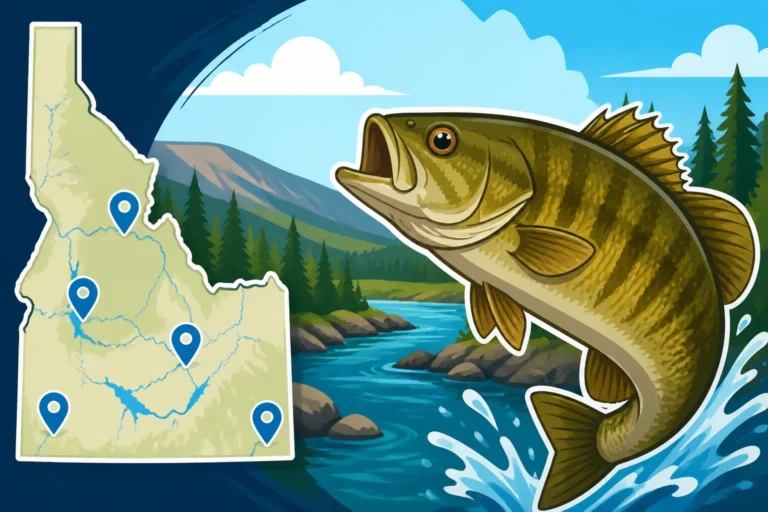
Smallmouth Bass: These hard-fighting fish are native to the eastern and central United States but were introduced to Idaho and have absolutely thrived, particularly in the Snake River and its tributaries, as well as many reservoirs. Smallmouth bass are aggressive predators and incredible sport fish, known for their powerful runs and aerial jumps. They've become a staple for many Idaho anglers, offering an exciting alternative to trout fishing, especially in the warmer months. You can find excellent smallmouth bass fishing in places like the Snake River Canyon, and they readily hit a variety of lures, from crankbaits to soft plastics. Dive deeper with our Idaho Bass Fishing Guide.
-
Largemouth Bass: While perhaps not as widespread as smallmouths, largemouth bass have also been introduced and are found in many of Idaho's warmer, weedier lakes and ponds, especially those with abundant cover. They are ambush predators and can grow to impressive sizes, offering a thrilling topwater bite. They are a favorite among anglers who love to target fish in heavy cover. You'll find them in many smaller impoundments and some of the larger reservoirs too.
-
Crappie: Both black and white crappie, native to central and eastern North America, have been introduced to Idaho's reservoirs and larger lakes. These panfish are highly sought after for their delicious table fare and their tendency to school, which can lead to incredible fishing days. They are a popular target for anglers in the spring and fall. Finding a school of crappie can mean non-stop action, and they are perfect for a fish fry. Learn more about these tasty fish in our Idaho Crappie Fishing guide.
-
Yellow Perch: Another excellent panfish, yellow perch are native to the upper Midwest and Northeast but have been introduced and established in many Idaho reservoirs and lakes. They are highly valued for their delicate, flaky white meat and are a popular target for ice fishing. Like crappie, they often school in large numbers, making for fast and furious action when you find them. Their presence provides a fantastic winter fishery, allowing anglers to stay active even when the ice sets in. Our Idaho Yellow Perch Fishing article provides more insight.
Other Notable Introductions
Beyond the major players, several other species have been introduced to Idaho waters, each contributing to the state's diverse fishing opportunities.
-
Walleye: While not as common as in some Midwestern states, walleye have been introduced to a few Idaho reservoirs, most notably American Falls Reservoir. These prized game fish are known for their superb eating quality and their elusive nature. They can be challenging to catch, often biting subtly, but are incredibly rewarding. Walleye fishing requires specific techniques, and anglers often use jigs or trolled crankbaits to entice them. Their limited distribution makes them a special target for those who pursue them. Discover more about where to find them in Idaho Walleye Fishing.
-
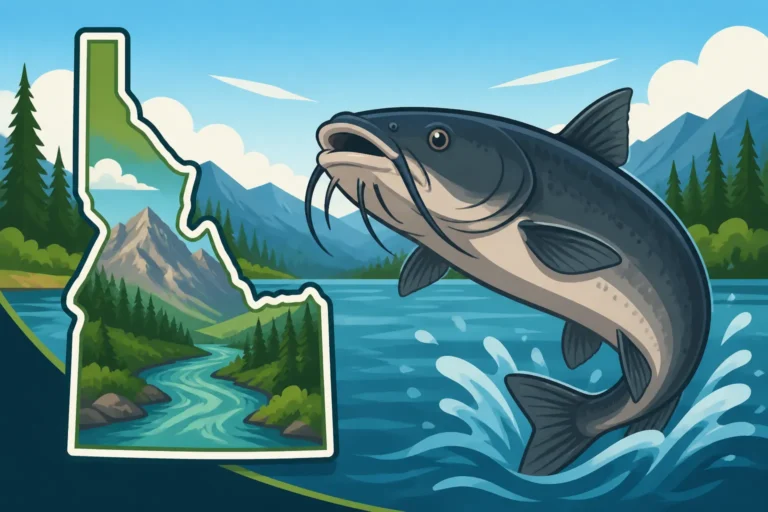
Channel Catfish: These whiskered bottom-dwellers, native to central North America, have been introduced into many of Idaho's slower rivers and warmer reservoirs. Channel catfish are strong fighters and excellent table fare, making them a popular target, especially in the evening or at night. They can grow to significant sizes and are often caught using a variety of smelly baits.
-
Tiger Muskie: A hybrid cross between a northern pike and a muskellunge, tiger muskies are sterile fish that are periodically stocked in specific Idaho reservoirs, like Cascade Reservoir, to provide a trophy fishery. These apex predators are known for their massive size, toothy grins, and incredibly challenging fights. They are often referred to as "the fish of a thousand casts" but landing one is an unforgettable experience. They offer a truly unique and thrilling big-game fishing opportunity.
It's important to understand that the success and spread of these introduced species vary greatly. Some, like the rainbow trout and smallmouth bass, have become deeply entrenched and are now vital parts of Idaho's fishing scene. Others, like walleye, remain more localized. Understanding Native vs Introduced Fish Species in Idaho helps paint a fuller picture of our aquatic environments.
The Impact of Stocking on Idaho's Ecosystems
The introduction of non-native fish species isn't a simple, one-sided story. It comes with both significant benefits, particularly for human recreational interests, and substantial challenges for the delicate balance of natural ecosystems. Idaho's fisheries managers continually strive to balance these competing factors.
Benefits: Boosting Fisheries and Angler Opportunities
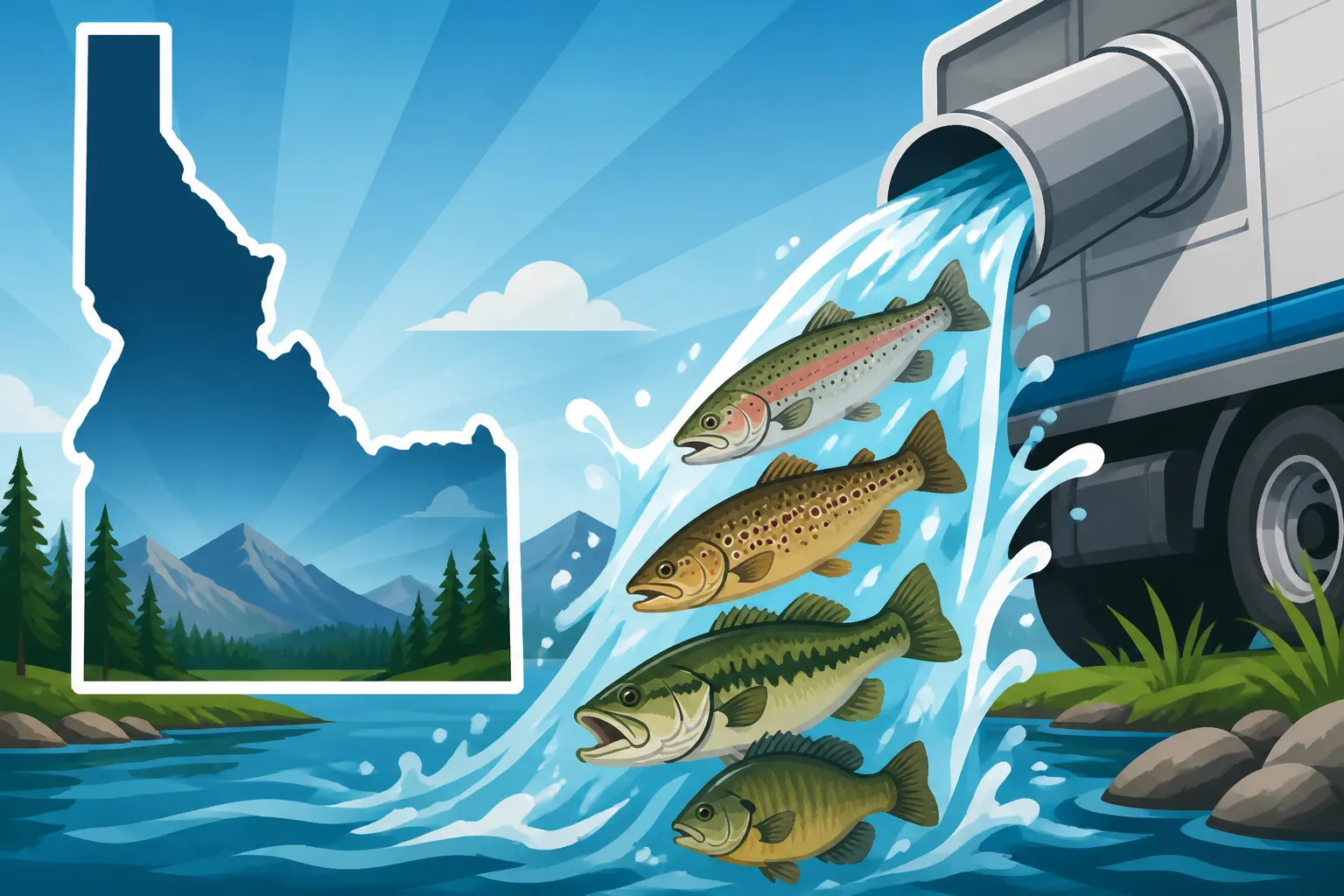
One of the most immediate and undeniable benefits of stocking introduced species is the sheer expansion of fishing opportunities. For instance, without the stocking of rainbow trout, many urban ponds and smaller lakes would offer very limited fishing, if any. Stocking ensures a reliable supply of catchable fish, making fishing accessible and enjoyable for beginners, children, and those seeking a quick trip to a local spot. This fosters a love for the outdoors and creates a pathway for future conservationists. Think of all the kids who get their first fishing experience thanks to a stocked pond!
Furthermore, introduced species often fill niches in altered habitats, such as large reservoirs, which might not be ideal for native fish. These man-made impoundments, with their deep, often warmer waters and stable shorelines, can be perfect homes for species like smallmouth bass, crappie, or perch. This effectively turns a human-modified landscape into a productive fishery, diversifying the types of fishing available beyond native trout and salmon streams. It provides variety for anglers, allowing them to target different species using different techniques throughout the year. You can often find a wide array of gear and specific lures for these species by browsing online, perhaps even on Amazon, ensuring you're well-equipped for any target.
The economic impact is also noteworthy. More diverse and abundant fisheries attract more anglers, which in turn boosts local economies through tackle sales, guide services, lodging, and other related expenditures. It's a significant driver for tourism and local businesses in many Idaho communities.
Challenges: Balancing Native Species and Environmental Concerns
However, the story isn't all positive. The introduction of non-native species can pose serious threats to Idaho's native fish populations and ecosystems. One of the primary concerns is competition. Introduced species might compete with native fish for food, habitat, and spawning grounds. For example, brook trout, with their rapid reproductive rates, can sometimes outcompete native cutthroat trout in smaller mountain streams, leading to a decline in the native population. This is a constant management challenge in many areas.
Another significant issue is predation. Larger introduced species, like brown trout or bass, can prey on smaller native fish or their eggs and fry. This can have a cascading effect on the food web and impact the survival rates of vulnerable native species. There's also the risk of disease transfer, where introduced fish from hatcheries might carry pathogens that native fish populations have no natural immunity to.
Perhaps most critically, hybridization can occur. While trout species typically don't hybridize readily, some specific instances can happen. The biggest concern around species introduction is really the overall disruption of the natural balance that has evolved over millennia. When a new species enters an ecosystem, it can change everything, from the types of aquatic insects that thrive to the health of the plant life in and around the water. Understanding the specific regulations and where certain species are native is crucial for responsible angling, especially concerning Idaho Catch Limits and Bag Limits Explained and Idaho Fishing Regulations Explained.
Managers are constantly working to mitigate these impacts. This can involve selective stocking, targeted removal of invasive non-native species in critical native fish habitats, and careful regulation of fishing methods to protect native fish. It’s a delicate dance, often requiring difficult decisions to ensure the long-term health of Idaho’s incredible aquatic resources. Our native fish, like the iconic sockeye salmon returning to Redfish Lake, as detailed in What Idaho's Sockeye Salmon Run Looks Like at Redfish Lake, are a precious resource that requires ongoing protection from these very threats.
How Anglers Can Understand and Support Responsible Stocking Practices
As anglers, we have a vital role to play in supporting responsible fisheries management. Understanding where and why fish are stocked, and how to interact with these fisheries ethically, is part of being a good steward of Idaho's waters.
Checking Stocking Reports and Regulations
One of the best ways to stay informed is to regularly check the official stocking reports from the Idaho Department of Fish and Game. These reports are often available online and will tell you which waters have been stocked, with what species, and when. This information is invaluable for planning your fishing trips, especially if you're looking for consistent action in community ponds or heavily managed reservoirs. Knowing what's been stocked can also help you understand what gear and techniques might be most effective. Many anglers rely on specific tackle designed for newly stocked trout, often found readily from retailers. Our guide on Idaho Fish Stocking Reports Explained can walk you through how to access and interpret these reports.
Furthermore, always, always consult the current Idaho fishing regulations. These regulations are updated periodically and detail specific rules for different bodies of water, including bag limits, size restrictions, and gear restrictions. Sometimes, waters with sensitive native fish populations will have stricter rules, even if they also contain introduced species. For example, some waters might be catch-and-release only for native cutthroat, while allowing harvest of introduced rainbows. Knowing these nuances is crucial for legal and ethical fishing. Don't just assume the rules are the same everywhere; Idaho's regulations are highly localized. You can find comprehensive details in the Idaho Fishing Regulation Brochure and Proclamation.
Being a Responsible Angler in Stocked Waters
Being a responsible angler goes beyond simply following the rules; it involves a mindset of conservation and respect for the resource. When fishing in waters that contain both native and introduced species, being able to distinguish between them is incredibly important. For instance, knowing How to Tell a Hatchery Steelhead from a Wild One in Idaho is critical, as wild steelhead often have stricter release requirements. If you accidentally catch a native fish in a water where only introduced fish can be kept, you need to know how to properly handle and release it to ensure its survival. This means minimizing time out of water, using wet hands, and handling the fish gently.
Consider your impact on the environment around you. Pack out everything you pack in, and perhaps even a little extra litter you find. Avoid trampling sensitive stream banks and be mindful of other users. Supporting catch-and-release practices for certain species or in certain areas can also contribute positively, especially for larger, older fish that are important for natural reproduction. For example, while many stocked rainbows are meant for harvest, releasing an unexpectedly large one in a system with mixed populations can be a rewarding choice.
Ultimately, Idaho's diverse fisheries, with their mix of native and introduced species, offer incredible opportunities for every type of angler. By understanding the history behind these introductions, appreciating the benefits they provide, and acknowledging the challenges they present, we can all contribute to a healthier, more sustainable future for Idaho's waters. It's about enjoying the bounty responsibly and ensuring that future generations can experience the same magic of fishing in the Gem State.
| Introduced Fish Species (Examples) | Original Native Region | Primary Reason for Introduction | Common Idaho Habitat |
|---|---|---|---|
| Rainbow Trout (hatchery strains) | Western North America | Enhance recreational fishing | Stocked ponds, lakes, reservoirs, some rivers |
| Brown Trout | Europe, Western Asia | Enhance recreational fishing | Rivers, streams, some lakes |
| Brook Trout | Eastern North America | Enhance recreational fishing | High mountain lakes, small streams |
| Smallmouth Bass | Central/Eastern North America | Create warmwater fisheries | Snake River, large reservoirs |
| Largemouth Bass | Central/Eastern North America | Create warmwater fisheries | Warmer lakes, ponds, slow rivers |
| Crappie (Black & White) | Central/Eastern North America | Enhance panfish opportunities | Reservoirs, larger lakes |
| Yellow Perch | Upper Midwest, Northeast North America | Enhance panfish opportunities | Reservoirs, larger lakes (ice fishing) |
| Walleye | Central North America | Create trophy warmwater fishery | Specific large reservoirs |
| Channel Catfish | Central North America | Create warmwater game fish fishery | Slower rivers, warm reservoirs |
| Tiger Muskie | (Hybrid) | Create trophy game fish fishery | Specific reservoirs (e.g., Cascade) |
Disclaimer
This article is for general informational purposes only and does not constitute professional advice. Laws, prices and regulations vary by location and change over time. Consult a qualified professional for guidance on your specific situation.