Where Yellowstone Cutthroat Trout Are Native in Idaho
It's incredibly exciting to explore the diverse and often challenging world of trout fishing here in Idaho. Many anglers, myself included, often wonder about the specific native homes of our beloved fish, particularly when it comes to the iconic cutthroat trout. It can be a bit confusing trying to figure out which cutthroat lives where, and how their presence connects to the broader ecosystem. This guide is here to untangle that mystery, focusing specifically on identifying the native waters of the Yellowstone Cutthroat Trout within our state's borders.
Understanding Idaho's Native Cutthroat Trout Landscape
Idaho is blessed with several subspecies of cutthroat trout, each with its own unique history and geographic stronghold. For passionate anglers, understanding these distinctions isn't just a matter of trivia; it's crucial for conservation, adhering to regulations, and truly appreciating the natural heritage of our waterways.
The Two Main Native Cutthroat Subspecies
When we talk about native cutthroat trout in Idaho, two subspecies almost always come up: the Westslope Cutthroat and the Yellowstone Cutthroat. They’re both stunning fish, known for that distinctive red or orange slash under their jaw – hence the "cutthroat" name. However, their ancestral homes are quite distinct, largely dictated by ancient geological formations and river drainages.
The Westslope Cutthroat (Oncorhynchus clarkii lewisi) is typically found in the northern and central parts of Idaho, west of the Continental Divide. Think of the Clearwater, Salmon, and St. Joe River drainages. These fish are adapted to different conditions, often having smaller spots and a generally lighter coloration compared to their eastern cousins. They're resilient, beautiful, and a true gem of Idaho's wild rivers. To delve deeper into their specific range and characteristics, you might find our article on Westslope Cutthroat Trout in Idaho particularly helpful.
The Yellowstone Cutthroat (Oncorhynchus clarkii bouvieri), which is our focus today, calls the eastern drainages home. They are strongly associated with the Greater Yellowstone Ecosystem, extending from Yellowstone National Park into southeastern Idaho. These fish often display larger, more numerous spots, especially towards the tail, and can have more vibrant coloration. They are a symbol of the wild, cold, nutrient-rich waters of that region. It's truly fascinating to learn about the Difference Between Westslope and Yellowstone Cutthroat Trout and see how they've adapted to their respective environments over millennia.
Why "Native Range" Matters for Anglers and Conservation
Understanding the native range of fish species like the Yellowstone Cutthroat isn't just academic; it has very real implications for how we interact with these waters. From a conservation standpoint, knowing where a species truly belongs helps wildlife managers protect crucial habitats, manage populations effectively, and prevent the spread of non-native species that can outcompete or hybridize with the natives. Many regulations are designed specifically to protect native populations, often imposing stricter catch-and-release rules or specific gear restrictions in these areas.
For anglers, this knowledge impacts everything from our fishing techniques to our ethical responsibilities. When you're fishing in a native Yellowstone Cutthroat stream, you're not just casting a line; you're participating in a centuries-old ecosystem. This often means embracing practices like using barbless hooks, minimizing handling time, and always releasing these precious fish carefully. It’s about being a steward of the environment, ensuring these magnificent creatures continue to thrive for future generations. For a broader overview of all the species you might encounter, our Idaho Fish Species Guide offers a comprehensive look at the state's aquatic inhabitants.
Pinpointing the Yellowstone Cutthroat Trout's Native Strongholds
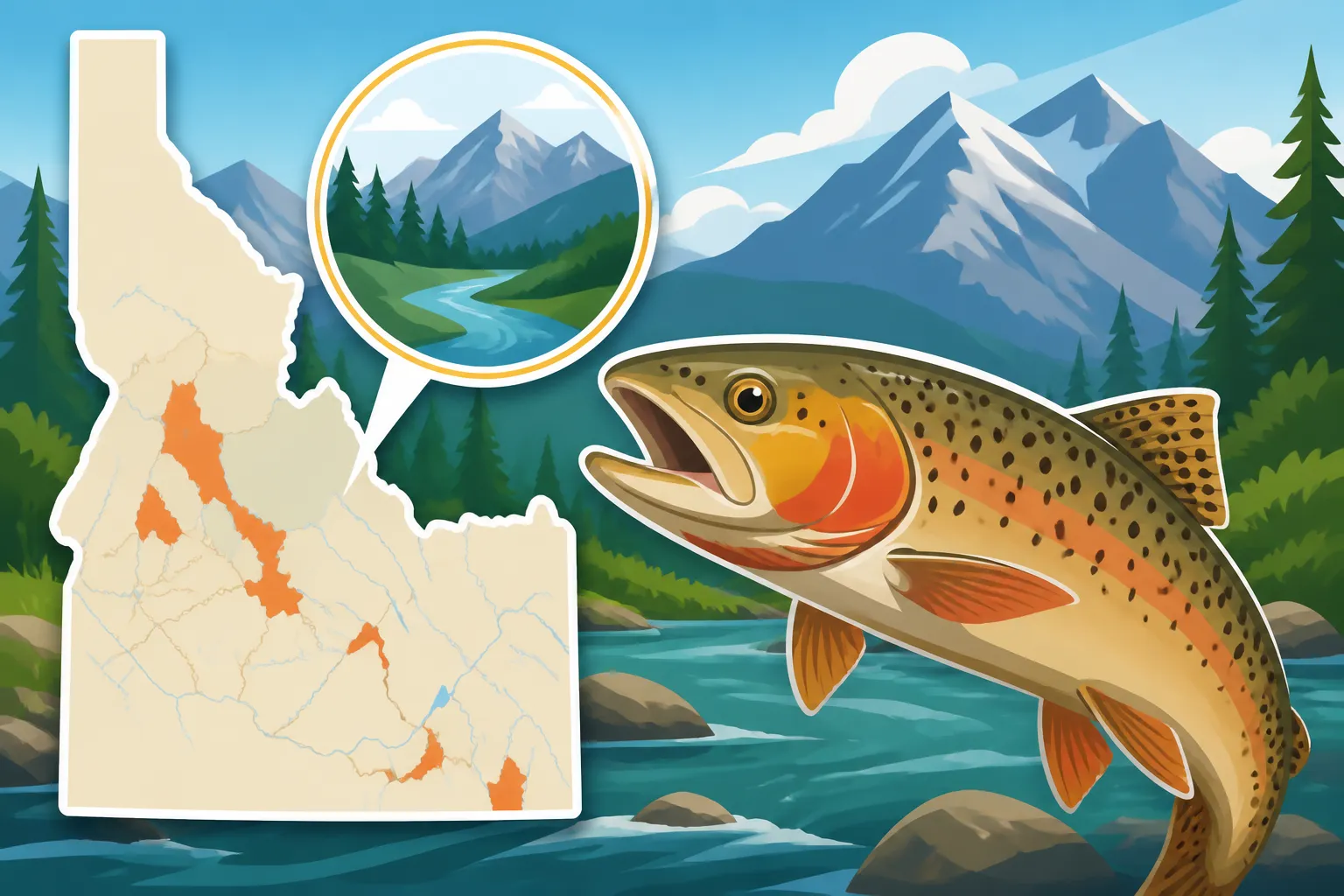
The native range of the Yellowstone Cutthroat Trout in Idaho is closely tied to the state's eastern border and the iconic Greater Yellowstone Ecosystem. If you're looking for these vibrant fish in their original habitat, you'll need to turn your compass eastward.
The Greater Yellowstone Ecosystem Connection
The Yellowstone Cutthroat Trout’s story in Idaho begins with its strong connection to the Greater Yellowstone Ecosystem. This vast, interconnected wilderness spans parts of Idaho, Montana, and Wyoming, and it serves as the historical heartland for this particular cutthroat subspecies. The fish you find in Idaho's native Yellowstone Cutthroat waters are descendants of populations that have lived there for thousands of years, evolving with the unique hydrology and ecology of the region.
Imagine the ancient rivers carving their way through the landscape, creating the perfect cool, clear, and oxygen-rich environments these fish need. The headwaters of many crucial Idaho rivers originate within or are strongly influenced by this ecosystem, forming a natural highway for the fish. This interconnectedness means that conservation efforts in one part of the ecosystem can have ripple effects throughout, emphasizing why a holistic approach is so vital. It’s a truly special place, and the Yellowstone Cutthroat is a testament to its wildness. If you want to dive deeper into the general biology and identification of this beautiful fish, check out our guide on Yellowstone Cutthroat Trout in Idaho.
Key River Systems and Tributaries
When focusing on Idaho, the native range of the Yellowstone Cutthroat Trout is primarily found within the Snake River drainage east of Swan Falls Dam. This isn't just a single river, but a complex network of streams, creeks, and larger river sections.
Here are some of the most prominent areas:
- The South Fork of the Snake River: This is arguably the most famous and beloved Yellowstone Cutthroat fishery in Idaho. From Palisades Dam downstream, the South Fork is a true paradise for fly anglers seeking robust, wild cutthroat. The river's dynamics, from its sweeping bends to its intricate braids, provide ideal habitat. This stretch is a cornerstone of the native range. You can learn more about fishing this incredible river in our dedicated piece on Fishing the South Fork of the Snake River.
- The Henry's Fork of the Snake River: While also a world-renowned trout fishery, the Henry's Fork, particularly its upper sections and tributaries, also falls within the native range. This river is famous for its prolific hatches and challenging, selective trout. Anglers often travel from all over the world to experience Fishing Henry's Fork for Fly Anglers.
- The Mainstem Snake River (Upper Sections): Above American Falls Reservoir, and certainly further upstream towards the Wyoming border, the main Snake River and its unimpounded sections contain native Yellowstone Cutthroat.
- Tributaries and Smaller Streams: Crucially, countless smaller creeks and streams feeding into these major rivers across southeastern Idaho also host native populations. Think of places like the Teton River, portions of the Grays River, and numerous smaller, unnamed waterways in national forests like the Caribou-Targhee. These smaller waters often serve as important spawning grounds and refugia for the fish, especially during warmer months. They might require a bit more exploration and hiking, but the reward of finding pristine, native populations is truly unforgettable.
Lakes Within the Native Range
While rivers and streams often get the spotlight for cutthroat fishing, several lakes and reservoirs within the Yellowstone Cutthroat's native range in Idaho also play a vital role in supporting these populations. These larger bodies of water can hold impressive numbers and sizes of fish, particularly in areas where cold, clean water flows in and out.
- Palisades Reservoir: Located on the South Fork of the Snake River near the Wyoming border, Palisades Reservoir is a significant body of water that contains Yellowstone Cutthroat Trout. The reservoir acts as a large holding area, and fish from its tributaries contribute to the overall population. Fishing here can be fantastic, especially in the spring and fall.
- Grays Lake: This unique, shallow lake in southeastern Idaho is another important native Yellowstone Cutthroat stronghold. It's known for its abundant aquatic vegetation and rich insect life, creating a fertile environment for these fish.
- Other High Mountain Lakes: Many high-elevation lakes and ponds in the mountain ranges of southeastern Idaho, particularly in the Caribou and Teton Ranges, are naturally home to Yellowstone Cutthroat Trout. These often require a hike or even a horseback trip to reach, offering a true backcountry experience for those seeking solitude and pristine native fish. Always check local regulations for these specific waters, as they can vary greatly.
Fishing for Yellowstone Cutthroat Trout in Their Native Waters
Embarking on a fishing trip for Yellowstone Cutthroat Trout in their native Idaho waters is more than just catching fish; it's an immersion into a unique ecosystem and a practice in responsible angling.
Best Practices for Targeting Native Cutthroats
When you're fishing for native Yellowstone Cutthroat, especially in pristine, wilder waters, it's paramount to adopt practices that prioritize the fish's well-being and the health of the ecosystem. These aren't just good suggestions; they're often vital for the long-term sustainability of these populations.
Firstly, catch-and-release is highly encouraged, and often mandated, for native cutthroat in many areas. These fish are a precious resource, and minimizing stress on them is key. Use barbless hooks to ensure easy removal and reduce injury. If your hooks aren't barbless, simply crimp down the barb with pliers. When landing a fish, try to keep it in the water as much as possible. If you must lift it for a quick photo, wet your hands thoroughly first to protect their delicate slime coat, and support the fish horizontally. Avoid squeezing them or dragging them on rocks and gravel.
As for techniques, fly fishing is incredibly popular and effective in many Yellowstone Cutthroat waters, especially the famous Henry's Fork and South Fork of the Snake. Matching the hatch with dry flies, nymphing subsurface, or swinging streamers can all be productive. For those who prefer spinning gear, small inline spinners, spoons, or even micro jigs can work well, but always check regulations for bait restrictions. When selecting your gear, you can find a vast array of fly patterns, lures, and essential tackle online. A quick browse on Amazon for specific river-appropriate flies or compact spinning lures can get you well-equipped. For more general advice, our guide to the Best Bait and Lures for Idaho Fishing can offer additional insights.
Regulations and Conservation Efforts
It cannot be stressed enough: always check the current Idaho fishing regulations before you head out. Regulations for native cutthroat waters can be very specific, often differing from general statewide rules. These might include:
- Special Bag Limits: Many native cutthroat streams are catch-and-release only, or have very restrictive bag limits (e.g., zero retention, or one fish over a certain size, with specific identification requirements).
- Gear Restrictions: Some areas may be fly-fishing-only, artificial-lure-only, or have specific restrictions on bait usage.
- Time of Year Restrictions: Certain sections might be closed during spawning seasons to protect vulnerable fish.
These rules aren't designed to make your life harder; they're direct conservation measures. Yellowstone Cutthroat Trout face challenges from habitat degradation, hybridization with rainbow trout, and competition with non-native species. State agencies, in partnership with local groups, work tirelessly to restore and protect these populations. Every angler who follows the rules becomes a part of that crucial effort. For a comprehensive look at the rules, consult our Idaho Fishing Regulations Explained and for specifics on what you can keep, our guide to Idaho Catch Limits and Bag Limits Explained is invaluable.
Planning Your Native Cutthroat Adventure
A successful and enjoyable native Yellowstone Cutthroat trip requires a bit of planning and a healthy dose of respect for the wild.
First, secure your Idaho Fishing License. You can find all the details on how to get yours in our Idaho Fishing License Guide. Knowing the Idaho Fishing Season Dates and Limits for your chosen water body is also crucial, as seasons can vary.
Next, research your specific destination. Guidebooks, online forums, and local fly shops are fantastic resources. They can provide up-to-date information on water conditions, recent hatches, and any temporary access issues. You might even find some excellent local guidebooks on Amazon that detail specific stretches of river or lesser-known access points. For remote, high-mountain lakes, detailed topographic maps are a must, which are also readily available on Amazon or at outdoor retailers.
Consider booking a guide, especially if you’re new to the area or specifically targeting these native fish. A good guide not only knows the water but is also deeply knowledgeable about the ecology and conservation practices. They can teach you the nuances of How to Fly Fish in Idaho specifically for these trout.
Finally, pack appropriately. Even in summer, mountain weather can change rapidly. Layers of clothing, good rain gear, and plenty of water are essential. And, of course, bring your camera to capture the stunning beauty of both the fish and their incredible Idaho home.
| Characteristic | Westslope Cutthroat Trout (Native to North/Central Idaho) | Yellowstone Cutthroat Trout (Native to Eastern Idaho) |
|---|---|---|
| Primary Native Range | Clearwater, Salmon, St. Joe River drainages | Upper Snake River, Henry's Fork, South Fork of the Snake drainages |
| Typical Spot Pattern | Smaller, often sparse spots; concentrated towards tail | Larger, more numerous spots; often extend onto head and belly |
| Coloration | Generally lighter body, olive-green to bronze | Often more vibrant, golden-yellow to brassy |
| Red/Orange "Slash" | Present, usually distinct and vivid | Present, often more prominent and pronounced |
| Ecological Connection | Columbia River Basin | Greater Yellowstone Ecosystem |
| Conservation Status | Varies; some populations are stable, others imperiled | Varies; efforts focus on preventing hybridization and habitat loss |
Disclaimer
This article is for general informational purposes only and does not constitute professional advice. Laws, prices and regulations vary by location and change over time. Consult a qualified professional for guidance on your specific situation.