Henry’s Fork’s 70 Miles of Fishable Water Explained
For many anglers, the sheer scale of Idaho's Henry's Fork can feel overwhelming. With its legendary status and over 70 miles of fishable water, it's tough to know where to begin or how to approach its diverse sections. This guide will meticulously break down those 70 miles, explaining the unique characteristics, challenges, and rewards of each segment, helping you plan your next unforgettable Idaho fishing adventure.
Understanding Henry's Fork: A Blue Ribbon Fishery
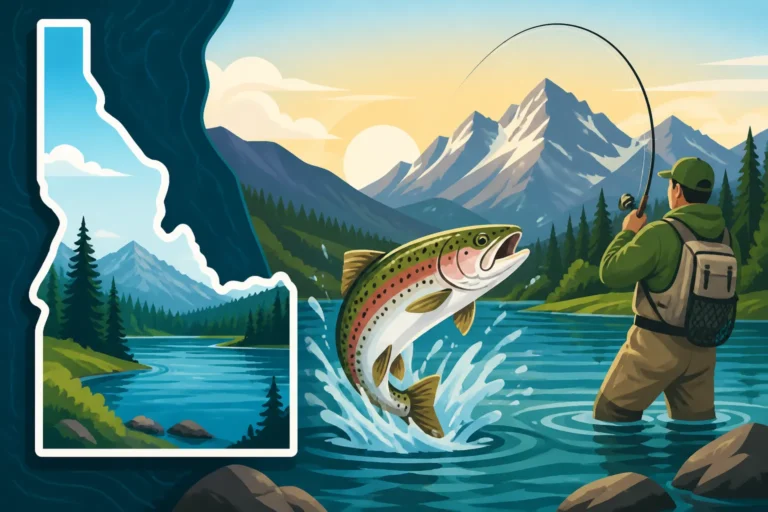
The Henry's Fork of the Snake River isn't just a river; it's a living legend in the fly-fishing world, revered for its robust trout populations and incredible hatches. Originating from Henrys Lake, it winds its way through stunning Idaho landscapes, offering an incredible variety of angling experiences. But what makes it so special, and why is understanding its flow so crucial?
The River's Unique Character and Flows
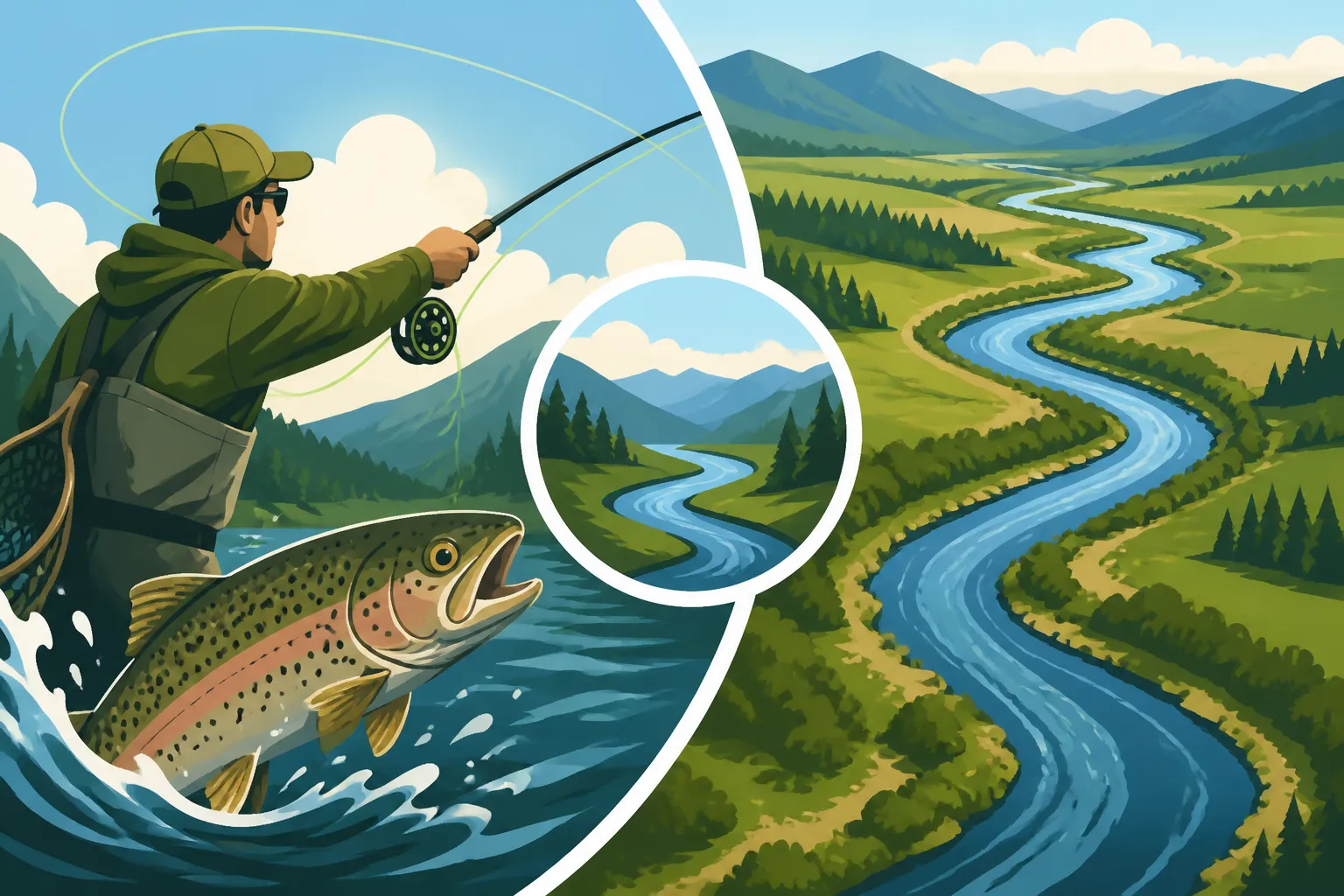
What often surprises newcomers to the Henry's Fork is just how varied its character can be from one mile to the next. From the placid, crystal-clear spring creek sections near its source to the faster, braided stretches further downstream, the river continually changes its personality. This dynamic nature is largely due to its unique hydrology, a blend of spring-fed waters, reservoir releases, and tributary inputs. The upper river, especially sections like the famed "Box Canyon" or the Railroad Ranch, are characterized by incredibly clear, slow-moving water, making for highly technical sight-fishing opportunities where every cast and drift must be impeccable. Downstream, as it gathers more water and passes through agricultural areas, the river often widens, deepens, and picks up pace, presenting different challenges and requiring altered tactics. Knowing the specific flow rates, often available through resources like the USGS, is vital. High flows can make wading treacherous and fishing difficult, while very low flows can concentrate fish but also make them incredibly wary.
Seasonal Changes and Their Impact on Fishing
Just as the river's character shifts geographically, it also transforms dramatically with the seasons. Spring, after the ice melts, often brings the first significant hatches, waking the trout from their winter slumber. However, it can also bring runoff from melting snow, clouding the water and increasing flows, which can be a challenging time to fish. Summer is prime time for many, with consistent insect hatches like PMDs, Green Drakes, and hoppers, creating fantastic dry fly opportunities. This is when places like Henry's Fork near Island Park truly shine. However, summer also brings more anglers, so patience and early starts are key.
As autumn arrives, the crowds thin, and the fish often become more aggressive, feeding heavily before winter. The fall BWO hatches can be incredible, and streamer fishing can be particularly effective for larger trout. Winter, while challenging due to cold temperatures and ice, offers a unique solitude and the chance at a truly trophy fish for the dedicated angler, often focusing on nymphing tactics in deeper, slower pools. Understanding this seasonal rhythm is paramount to planning a successful trip. For a more detailed breakdown, check out our guide on Best Time of Year to Fish in Idaho.
Navigating the Upper Henry's Fork: Island Park to Ashton
This segment is arguably the most famous part of the Henry's Fork, drawing anglers from around the globe. It's a stretch that demands respect, skill, and often, a hefty dose of humility.
Famous Stretches and Their Specific Challenges
The upper Henry's Fork, from the Island Park Dam downstream, holds some truly legendary water. The Box Canyon below the dam is a prime example. Known for its big, aggressive rainbow trout, it's characterized by swift currents and numerous boulders. This section is often best fished from a boat or drift boat, allowing anglers to cover water effectively and present nymphs or streamers to fish holding in seams and pockets. Wading here can be extremely difficult and dangerous due to the powerful currents and slippery rocks.
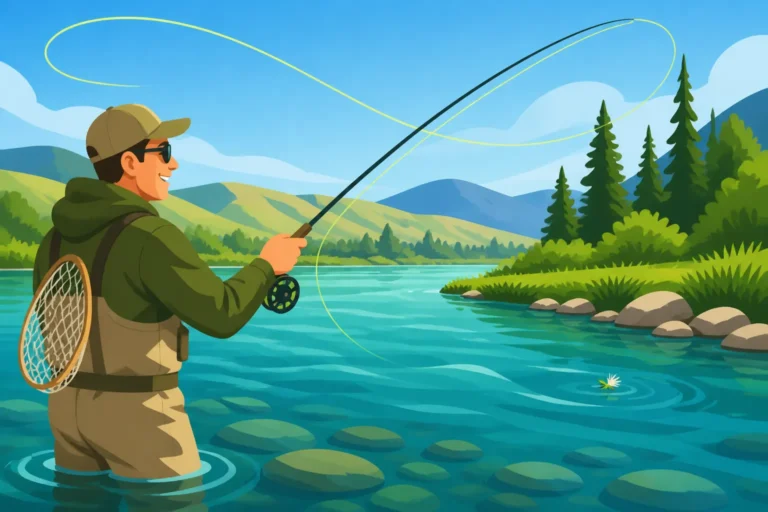
Further downstream lies the iconic Railroad Ranch section, often simply referred to as "The Ranch." This is a spring creek-like stretch known for its gin-clear, slow-moving water and incredibly selective, large trout. Fishing here is almost exclusively dry fly fishing, demanding long, accurate casts, delicate presentations, and perfect drifts. The fish here are notoriously difficult to fool, and often, only the most precise imitation of the current hatch will elicit a strike. Anglers often spend hours observing fish and hatches before making a single cast. Access is highly regulated and often requires reservations with the Harriman State Park. If you're looking for Henry's Fork's Most Technical Water for Fly Anglers, The Ranch is it.
Access Points and Bank Fishing Opportunities
While much of the upper Henry's Fork is best accessed by boat, there are still ample opportunities for bank anglers, particularly in specific areas. Near Island Park, various public access points allow for wading or bank fishing, especially in slower sections or where tributaries enter the main river. The area around Harriman State Park offers some excellent bank access along the edges of the Railroad Ranch, though remember the strict regulations in place. Many private properties border the river, so it's crucial to respect boundaries and only fish where public access is clearly marked. You can often find detailed access maps through the Idaho Department of Fish and Game or by consulting local fly shops like Henry's Fork Anglers or Trouthunter. When booking a guided trip, outfitters listed on platforms like FishingBooker often provide transport and know all the best legal access points.
Exploring the Middle Henry's Fork: Ashton to St. Anthony
As the Henry's Fork flows past Ashton and towards St. Anthony, its character begins to transition. The intense, technical spring creek feel of the Railroad Ranch gives way to a more braided, agricultural landscape, offering a different but equally rewarding fishing experience.
Diverse Habitats for Various Species
The middle section of the Henry's Fork widens significantly and features a more diverse range of habitats compared to the upper reaches. You'll find long, slow glides interspersed with riffles, deeper pools, and numerous braids and side channels. This variety creates homes for a broader spectrum of fish species. While rainbow trout remain the primary target, you'll also encounter respectable populations of brown trout, particularly in the deeper, undercut banks. These areas, with their mix of slower and faster water, also become excellent habitat for smaller insect life, which in turn supports the trout.
This stretch often sees robust caddis hatches, stonefly migrations, and prolific mayfly activity throughout the season. Anglers can find success with a combination of techniques, from dry fly fishing during strong hatches to nymphing the deeper runs or swinging streamers for larger, predatory browns. The diverse structure means that if one technique isn't working, another might be the key. For those interested in Idaho Brown Trout Fishing, this section offers solid opportunities.
Float Trip Considerations and Launches
Floating is an incredibly popular way to experience the middle Henry's Fork, allowing anglers to cover significant mileage and access water that is difficult to reach from the bank. The river here is generally more forgiving for drift boats and rafts than the Box Canyon, though navigating shallow sections and understanding river etiquette is still essential. Common launch points include access sites near the town of Ashton, offering floats down towards St. Anthony. A typical float might last anywhere from half a day to a full day, depending on the section and how much time you spend fishing.
When planning a float, always check current river flows, as low water can make some sections very boney and difficult to navigate, potentially leading to damaged boats or stranded anglers. Local outfitters and guides, many of whom can be found via services like FishingBooker, specialize in these float trips and can provide invaluable insights into the best stretches, current conditions, and shuttle services. A guided float trip is often the best way to get acquainted with the nuances of this part of the river, especially for those new to the area or new to float fishing.
Delving into the Lower Henry's Fork: St. Anthony to the Snake River Confluence
The Henry's Fork continues its journey south of St. Anthony, becoming a larger, more agricultural river before eventually merging with the main stem of the Snake River. This lower section often gets less attention than its upstream counterparts but offers fantastic fishing, especially for those seeking solitude and diverse species.
Less Crowded Waters and Hidden Gems
One of the biggest advantages of fishing the lower Henry's Fork is the significantly reduced angler pressure. While the upper sections can be bustling, especially during peak season, the waters below St. Anthony often provide a more serene and uncrowded experience. This doesn't mean the fishing is any less spectacular; it just means fewer people know about its hidden gems. The river here becomes wider, deeper, and often characterized by long, slow-moving pools and extensive weed beds, alongside some surprisingly quick riffles and braids.
Because of the less technical reputation, some anglers overlook this stretch, but that's a mistake. The larger water can hold some truly enormous trout, particularly brown trout that thrive in the deeper, food-rich environment. Access can be a bit more challenging as the river flows through more private land, but public easements and bridge crossings do exist. It's often a good idea to consult a detailed map or stop by a local fly shop in Rexburg or St. Anthony for up-to-date access information and local knowledge about these lesser-fished areas.
Prime Seasons for Different Fish
While rainbow and brown trout are prevalent throughout the Henry's Fork, the lower river provides excellent habitat for a more diverse fishery. In addition to trout, you can find smallmouth bass, particularly in the warmer months. These aggressive fighters can provide a thrilling alternative to trout, especially on days when the trout are sluggish. Their presence means anglers can switch up tactics, using bass-specific lures and flies.
For trout, the fall can be particularly productive in the lower river as brown trout become more active and aggressive with the cooler water temperatures, often chasing larger streamers. During the summer, dry fly fishing can still be excellent, especially with terrestrial patterns like hoppers and chernobyl ants, mimicking the bugs that often fall into the river from the surrounding agricultural fields. Nymphing is a year-round staple, and the deeper runs here can hold large numbers of fish, making it a reliable technique even when surface activity is minimal. Understanding Idaho Fishing Season Dates and Limits is crucial here, as regulations can vary by specific river section and species.
Key Techniques and Gear for Henry's Fork Success
Fishing the Henry's Fork successfully means adapting your techniques and gear to its varied conditions and notoriously smart fish. It's not a place for a one-size-fits-all approach.
Essential Fly Patterns and Rigging
For fly anglers, matching the hatch is often paramount, especially on the more technical upper sections. Spring and early summer see hatches of Blue-winged Olives (BWO), caddis, and Pale Morning Duns (PMDs). Later in summer, Green Drakes, Golden Stones, and terrestrial patterns like hoppers and ants become key. A diverse fly box with patterns from size #20 BWOs to large #8 hoppers is a must. Knowing What Flies to Use on Henry's Fork in Summer can make or break your trip.
Nymphing is a highly effective technique throughout the river, particularly in faster water or when fish aren't rising. Patterns like pheasant tails, hare's ears, prince nymphs, and various stonefly imitations are staples. Euro nymphing or indicator nymphing with split shot can both be highly effective depending on the depth and current. For rigging, long leaders (9-12 feet) with light tippets (5x or 6x) are often necessary, especially in the clear, slow water where fish are easily spooked. Stealth and a delicate presentation are always key.
Spin Fishing Options for Beginners
While renowned as a fly-fishing destination, the Henry's Fork is not exclusively for fly anglers. Spin fishing can be a very effective way to catch fish, especially for beginners or those preferring conventional gear. Small spinners (like Panther Martin or Mepps), spoons, and small Rapala-style minnows are excellent choices for trout. Look for darker colors on cloudy days and brighter, more natural colors in clear water.
For targeting smallmouth bass in the lower sections, soft plastics rigged on jig heads, crankbaits, or even inline spinners can be highly effective. The key is to use lighter tackle, mimicking the natural forage base and not overpowering the more subtle takes of wary fish. Always check the Idaho Fishing Regulations Explained for specific sections, as some areas may have restrictions on bait or lure types, and barbless hooks are often encouraged or required. Using a reputable outfitter you find on FishingBooker can help beginners get started with the right gear and techniques for the specific section they're fishing.
Respecting the Resource: Regulations and Etiquette
The Henry's Fork is a precious resource, and its continued health depends on the respectful practices of all who visit. Understanding and adhering to regulations and practicing good etiquette are non-negotiable.
Special Regulations and Catch-and-Release Practices
The Henry's Fork is a highly managed fishery, and regulations can vary significantly from one section to another. The Railroad Ranch, for instance, often has specific rules regarding barbless hooks, artificial lures only, and catch-and-release. Other sections might have different bag limits or size restrictions. It's imperative to consult the most current Idaho Fishing Regulations brochure, available online from the Idaho Department of Fish and Game or at license vendors, before heading out. Our guide to Idaho Catch Limits and Bag Limits Explained provides a good overview, but always check the specific river section.
Catch-and-release is a widely adopted practice, especially for larger trout, to help sustain the fishery. When releasing fish, minimize handling, keep the fish in the water as much as possible, and use wet hands. If you need to take a photo, do so quickly and efficiently, ensuring the fish is supported and returned to the water promptly. Using barbless hooks makes releasing fish much easier and less stressful for the fish.
Conservation Efforts and Angler Responsibility
The health of the Henry's Fork is a testament to ongoing conservation efforts by organizations like the Henry's Fork Foundation, the Idaho Department of Fish and Game, and countless dedicated volunteers. Anglers play a critical role in these efforts. Beyond following regulations, this means practicing Leave No Trace principles: packing out all trash, avoiding disturbing wildlife, and staying on designated trails.
It also means being mindful of your impact on the riverbed and banks, especially when wading. Avoid wading through spawning beds (redds) which are typically visible as clean, clear gravel areas. Supporting local conservation groups through donations or volunteering helps ensure that future generations can enjoy the incredible fishing opportunities the Henry's Fork provides. By being a responsible steward, you contribute to the legacy of this incredible waterway. You can also learn more about Idaho Fishing Permits and Stamps Explained to ensure you're fully compliant and supporting conservation through your license purchases.
Disclaimer
Fishing conditions and regulations in Idaho can change frequently. Always consult the latest Idaho Fish and Game regulations brochure before planning any fishing trip to ensure you have the most up-to-date information on licenses, seasons, limits, and specific water body rules. Stay safe and be aware of your surroundings, especially regarding weather and water conditions.