What Wilderness Fishing Trips in the Frank Church Wilderness Cost
The Frank Church River of No Return Wilderness, a name that conjures images of pristine rivers and untouched landscapes, represents the pinnacle of Idaho's angling adventures. For many, the dream of casting a line in these remote waters is strong, but the practical question of "What will this actually cost me?" often looms large. This guide aims to pull back the curtain on the expenses involved in a wilderness fishing trip into this incredible Idaho gem, helping you understand the investment required for such an unforgettable journey.
The Allure of Fishing the Frank Church Wilderness
Before we dive into the nitty-gritty of costs, let's just take a moment to appreciate what makes a fishing trip into the Frank Church such a bucket-list experience. It's not just about catching fish, though the fishing can be absolutely phenomenal. It's about disconnecting, immersing yourself in true wilderness, and experiencing Idaho's heartland in a way few ever do.
An Untamed Landscape and Its Unique Appeal
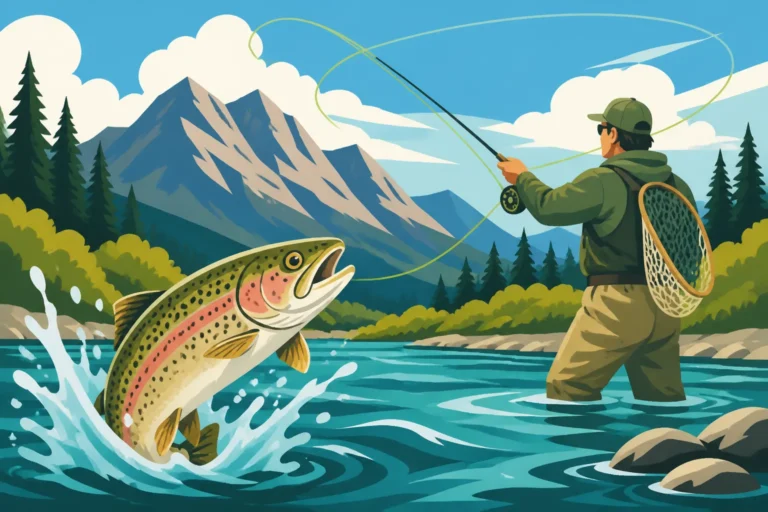
Imagine days spent without cell service, the only sounds being the rush of the river, the calls of eagles, and the gentle hum of wind through ancient pines. The Frank Church is one of the largest contiguous wilderness areas in the lower 48 states, meaning it's protected from roads, permanent structures, and mechanical access. This preservation ensures the rivers, like the Middle Fork of the Salmon or portions of the Main Salmon River, remain wild and untamed. Anglers here find themselves chasing native cutthroat trout, hard-fighting steelhead, and robust Chinook salmon in their natural habitats, often with little to no competition from other anglers. It's a profound experience that resets the soul as much as it fills your creel.
The sheer scale of the Frank Church wilderness demands a certain respect and planning. You're not just driving up to a trailhead; you're often flying in or taking multiple days to float deep into the canyon. This remoteness is precisely what creates the magic, offering solitude and a genuine connection to nature that's increasingly rare in our busy world. It's an investment in an experience that transcends mere fishing, becoming an expedition into self-discovery and the raw beauty of Idaho.
Different Ways to Experience the Wilderness Waters
When considering a Frank Church fishing trip, you're generally looking at a multi-day commitment, often facilitated by a professional outfitter. These aren't day trips; they are expeditions. The primary modes of access for fishing involve either float trips down the major rivers or pack-in trips to remote high mountain lakes and tributaries.
Float trips, particularly on the Middle Fork of the Salmon River, are perhaps the most iconic way to experience the Frank Church's fishing. You'll typically travel by oar boat or raft, drifting downstream, stopping to wade fish pristine runs, or casting from the boat itself. These trips are fully supported, with guides handling camp setup, cooking, and navigating the rapids. Alternatively, some outfitters offer horse pack-in trips, taking you and your gear deep into the wilderness to access lakes and smaller streams that see even less pressure. Each style offers a distinct flavor of wilderness adventure, but both require extensive logistical planning and specialized equipment, hence the need for experienced outfitters. Planning for these trips often involves considering options like Booking a Multi-Day Wilderness Fishing Trip in Idaho.
Understanding the Components of a Wilderness Trip Cost
It's natural to wonder why these trips carry a significant price tag. Unlike a simple day of fishing at a local pond, a Frank Church wilderness trip involves complex logistics, specialized gear, professional expertise, and access fees that reflect the unique nature of the destination. Breaking down these components helps clarify where your investment goes.
What Outfitter Fees Generally Cover
The largest portion of your wilderness fishing trip cost will typically be the outfitter fee. This isn't just a charge for a guide; it's a comprehensive package that covers the vast majority of your needs in a remote, self-supported environment. Outfitters provide professional, licensed fishing guides who know the water intimately, understand the fish behavior, and prioritize your safety. But it goes far beyond that.
These fees generally include all the specialized equipment necessary for a multi-day float or pack trip: rafts, oar frames, dry bags, tents, cooking gear, and often basic fishing equipment if you don't bring your own. They also cover all meals and non-alcoholic beverages, which are usually incredibly good, considering the remote setting. Think gourmet riverside dinners cooked by skilled camp staff. Additionally, outfitters handle all the complex logistics, from obtaining necessary permits and licenses for commercial operations to shuttle services for vehicles at put-in and take-out points, and even satellite communication for emergencies. They also carry liability insurance and maintain their equipment to high standards, all of which are factored into their operating costs. Understanding What's Included in an Idaho Guided Fishing Trip can shed more light on these comprehensive packages.
Permit, License, and Conservation Fees
Beyond the outfitter's operational costs, there are several mandatory fees associated with accessing and fishing within the Frank Church Wilderness. Firstly, every angler needs a valid Idaho Fishing License Guide. This is non-negotiable, and outfitters will require you to have it before your trip begins. Depending on the species you target, you might also need additional permits, such as an Idaho Salmon and Steelhead Permit.
Furthermore, accessing federal wilderness areas often involves special use permits and recreation fees, which outfitters secure and often pass on as part of your overall trip cost. These fees contribute to the management and preservation of the wilderness area itself, ensuring that these pristine environments remain protected for future generations. There might also be specific conservation stamps or fees, like the Idaho Access and Depredation Fee Explained, which supports land access and depredation control efforts by Idaho Fish and Game. These various permits and fees, while seemingly minor individually, add up and are critical for legal and responsible wilderness enjoyment.
The Impact of Trip Duration and Group Size
The length of your trip and the number of people in your party are major determinants of the overall cost. Wilderness fishing trips are rarely short; they typically range from three to seven days, or even longer for extended expeditions into deeper canyons. Naturally, a longer trip means more days of guide services, more food, more wear and tear on equipment, and more logistical complexity, all of which directly increase the per-person cost.
Similarly, group size plays a significant role. While an outfitter needs to cover fixed costs like shuttle services, permits, and crew wages regardless of how many clients are on a trip, these costs are typically divided among the paying customers. Therefore, a larger group often translates to a slightly lower per-person rate, as the overhead is spread out. Conversely, booking a private trip for just one or two anglers will usually result in a much higher individual price. Some outfitters have minimum group sizes or offer specific departure dates that require a certain number of bookings to proceed, offering insights into their operational economics. Details about What a Multi-Day Middle Fork Salmon River Trip Costs or other guided experiences highlight this relationship between duration and price.
| Factor | Impact on Cost (Generally) | Considerations |
|---|---|---|
| Trip Duration | Longer trips (5-7+ days) increase cost due to more guide days, food, and logistics. | Evaluate how many days you truly need; even a 3-day trip can be immersive. |
| Group Size | Smaller groups (1-2 people) often mean higher per-person cost as overhead is less diluted. Larger groups (4-6+ people) can reduce per-person cost. | Consider joining an open trip with other anglers to share costs, or opting for a private trip if budget allows. |
| Inclusions | "All-inclusive" trips cover most everything (gear, food, permits), while "bring-your-own" might seem cheaper but incur personal gear costs. | Clarify what exactly is included with the outfitter. Don't assume anything is included that isn't explicitly stated. |
| Seasonality | Peak fishing season (e.g., summer for cutthroat, fall for steelhead) often commands higher prices and books up faster. | Shoulder seasons might offer slight discounts or less crowded experiences, if available for the Frank Church. |
Beyond the Base Price: Hidden and Variable Expenses
While the outfitter fee covers the bulk of your trip, it's crucial to budget for additional expenses that aren't typically part of the base package. These include various personal costs and customary practices that contribute to the overall experience and support the hard work of your guides. For a clearer picture of potential costs, platforms like FishingBooker can sometimes help you compare packages and identify what is and isn't included.
Travel Logistics and Shuttle Services
Getting to and from the remote launch and take-out points for a Frank Church wilderness trip can be a significant, often overlooked, expense. Unless you live locally, you'll need to factor in airfare to an Idaho airport, such as Boise (BOI) or Missoula (MSO), and potentially a connecting flight to a smaller regional airport closer to the put-in, like McCall or Salmon. From there, you'll likely need ground transportation.
Outfitters often arrange for vehicle shuttles to move your personal car from the launch point to the take-out point, saving you the hassle of retrieving it after a multi-day float. This service, while incredibly convenient, comes at an additional cost, as it involves staff time, fuel, and vehicle use over potentially long distances on challenging roads. For some very remote trips, charter flights into a wilderness airstrip might be necessary, adding substantially to the cost. Don't underestimate these travel logistics; they are a critical part of accessing the true wilderness.
Personal Gear, Rentals, and Supplies
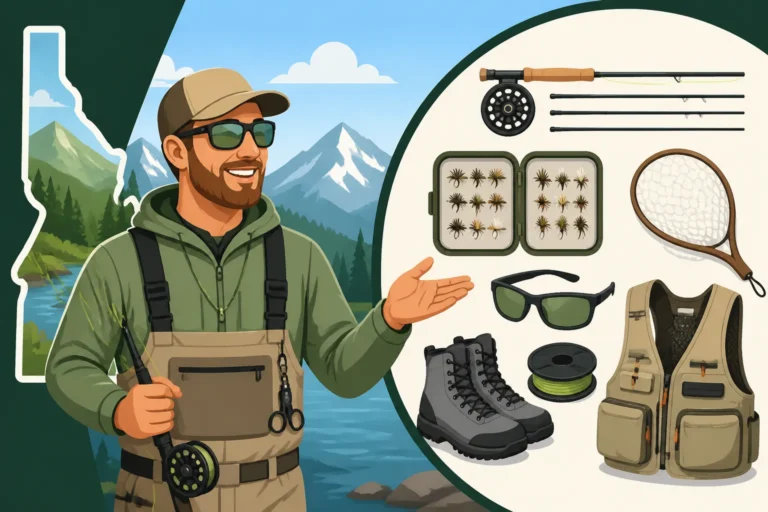
Even on an "all-inclusive" trip, there's always a list of personal items you'll need to bring or rent. This includes appropriate clothing layers for varying weather conditions, rain gear, sturdy hiking boots, and personal toiletries. For fishing, you'll typically need your own rod, reel, line, and a selection of flies or lures tailored to the specific species and water conditions.
If you don't own specialized items like quality waders, wading boots, or a particular type of fly rod, you might need to purchase or rent them. Some outfitters offer rental gear for an additional fee, which can be a good option for first-timers. Don't forget smaller essentials like sunscreen, insect repellent, a wide-brimmed hat, polarized sunglasses, and a good water bottle. These seemingly small purchases can quickly add up, so it's wise to make a detailed packing list and budget for them well in advance. Consider what gear you already have versus what you might need to acquire for a What to Pack for a Multi-Day Fishing Trip.
Gratuities for Your Hardworking Guides
A fundamental aspect of any guided fishing trip, especially a multi-day wilderness expedition, is the practice of tipping your guides. These individuals work incredibly hard, often for long hours, not just on the water but also setting up and tearing down camp, cooking meals, and ensuring your safety and enjoyment. They are the backbone of your wilderness experience, and a good portion of their income comes from gratuities.
While not mandatory, tipping is a customary and expected gesture of appreciation for excellent service. The amount can vary, but generally, a percentage of the trip's base cost is considered appropriate. It's often distributed among the entire crew, including the head guide, assistant guides, and camp support staff. Outfitters typically provide guidance on recommended tipping amounts, but it's important to budget for this as a significant additional expense. Knowing How Much to Tip a Fishing Guide can help you prepare for this important part of the trip.
Strategies for Budgeting and Booking Your Dream Trip
Planning a wilderness fishing trip into the Frank Church is an investment, but with careful planning and research, you can ensure you get the best value for your money and have an unforgettable experience. The key is to be proactive, ask informed questions, and understand what you're paying for. This is where resources like FishingBooker can come in handy for comparing different outfitter options.
Researching and Comparing Outfitters
Not all outfitters are created equal, and their pricing structures, inclusions, and trip styles can vary considerably. Start your planning early—often a year in advance for prime dates—and thoroughly research several reputable outfitters that operate in the Frank Church Wilderness. Look for outfits with a long history of operating in the area, strong safety records, and positive angler reviews. Pay close attention to what each package specifically includes and what it doesn't. Some might seem cheaper upfront but then add on costs for shuttle services, gear rentals, or even specific fishing permits.
Don't hesitate to reach out directly to outfitters. They are typically very knowledgeable and happy to answer questions. Discuss your expectations, fishing preferences, and any specific concerns you might have. Platforms like FishingBooker can be a useful tool for this initial research, as they often aggregate information and reviews from multiple guide services, helping you compare at a glance. Ask about their guide-to-client ratio, the quality of their gear, and their food service. This due diligence will help you find the best fit for your budget and desired experience. Consider using How to Book a Fishing Guide in Idaho as a starting point for your research.
Timing Your Trip for Potential Savings
The timing of your wilderness fishing trip can influence its cost. Peak season, typically late spring through early fall for most major Frank Church fisheries, will usually command higher prices and require booking much further in advance. These are the times when weather is most predictable and certain fish runs (like summer cutthroat or fall steelhead) are at their prime.
If your schedule allows for flexibility, consider inquiring about shoulder season trips. While the weather might be a bit more unpredictable, and certain fishing opportunities might be past their peak, you could potentially find slightly lower rates or more availability. Keep in mind that "shoulder season" in the Frank Church is still very much a wilderness experience; it just means it might be earlier spring or later fall. However, the Frank Church's remote nature means deep discounts are less common than in more accessible areas, as the fixed costs of operating there remain high.
Asking the Right Questions Before You Commit
Before you put down a deposit, have a comprehensive list of questions ready for your chosen outfitter. Clarity is key to avoiding unexpected expenses. Beyond the base price, inquire about all potential additional costs. Specifically ask:
- What is not included in the quoted price?
- Are there any additional fees for permits, shuttles, or special use?
- What is the recommended gratuity range for the guides and crew?
- Is rental gear available (waders, rods, etc.), and what are those costs?
- What happens if weather or river conditions force a change or cancellation of the trip? Understand their Idaho Fishing Guide Cancellation Policies.
- What fishing licenses and permits do I need to acquire beforehand?
- What kind of food and beverages are provided? Can they accommodate dietary restrictions?
Getting these answers upfront will help you create a realistic budget and avoid any surprises once you're on the river. A little preparation goes a long way in ensuring your wilderness fishing trip is everything you dreamed of, financially and experientially. Reviewing a guide like Questions to Ask Before Booking a Fishing Guide can provide you with a comprehensive checklist.
Disclaimer
This article is for general informational purposes only and does not constitute professional advice. Laws, prices and regulations vary by location and change over time. Consult a qualified professional for guidance on your specific situation.