Booking a Multi-Day Wilderness Fishing Trip in Idaho
Getting out on the water for a day of fishing is fantastic, but sometimes, you crave something more. You dream of casting lines in pristine, untouched wilderness, far from the crowds and the hum of daily life. The real challenge, though, is figuring out how to actually do that – how to access those remote Idaho rivers and lakes, navigate the logistics, and ensure a safe, successful adventure. This comprehensive guide will walk you through everything you need to know about booking and preparing for an unforgettable multi-day wilderness fishing trip in the Gem State, turning that dream into a tangible plan.
Why Choose a Multi-Day Wilderness Fishing Trip in Idaho?
A quick morning trip to a local pond or a day float on a popular river certainly has its charms, but a multi-day wilderness fishing trip in Idaho offers an entirely different caliber of experience. It's about immersion, solitude, and pursuing fish in environments that few anglers ever get to see. This isn't just a fishing trip; it's a genuine adventure into the heart of Idaho's wild, untamed beauty.
The Allure of Remote Waters and True Escape
Imagine waking up to the sound of a rushing river, the scent of pine needles in the crisp morning air, and not a single car or building in sight. That's the promise of an Idaho wilderness fishing trip. You're not just escaping the city, you're escaping everything. The cell service drops out, the emails stop coming in, and your focus shifts entirely to the rhythm of the river, the subtle tug on your line, and the breathtaking scenery unfolding around you. These remote waters often hold healthier, less pressured fish, including native species like Westslope Cutthroat or Bull Trout in their natural habitat. There's a profound satisfaction that comes from earning your casts in a place that feels truly wild, knowing you're one of only a handful of people to visit that particular stretch of water all season.
What Makes It Different from a Day Trip?
The distinction between a day trip and a multi-day wilderness adventure is monumental. A day trip is a sprint; a multi-day trip is a marathon of discovery. On a day trip, you often drive to a specific access point, fish a section, and then head home. You might encounter other anglers, hear road noise, and feel the pressure to make the most of limited time. With a multi-day trip, particularly those involving rafting or pack animals, you cover significant distances, accessing miles of water that are simply unreachable in a single day. Your camp becomes your base, a temporary home deep in the backcountry, allowing for unhurried mornings and evenings spent around a campfire, swapping stories and planning the next day's fishing. It’s an opportunity to truly disconnect and reconnect with nature in a way that modern life rarely allows. This sustained exposure to the wild, far from immediate civilization, fosters a deeper appreciation for the environment and the fish within it.
Common Misconceptions About Accessibility and Difficulty
Many anglers might shy away from the idea of a multi-day wilderness trip, assuming it's only for hardcore survivalists or those with boundless budgets. While these trips are an investment, they are often more accessible than you might think. Professional outfitters specialize in making these adventures possible for a wide range of skill levels and physical abilities. Yes, some trips might involve strenuous hiking or paddling, but others, like multi-day float trips down a river, allow you to cover ground while a guide handles the logistics and heavy lifting. You don't need to be an expert whitewater rafter or a seasoned mountaineer. Most reputable outfitters are designed to accommodate varying levels of experience, providing all the necessary gear, food, and expertise. The "difficulty" is often handled by the guide service, leaving you free to focus on the fishing and the experience.
Planning Your Idaho Wilderness Adventure
Embarking on a multi-day wilderness fishing trip in Idaho requires careful planning, but don't let that deter you. The groundwork you lay upfront directly impacts the success and enjoyment of your adventure. The right preparation can make all the difference between a trip fraught with unexpected challenges and a seamless, unforgettable experience.
Choosing the Right Outfitter and Guide Service
This is arguably the most critical step. Your outfitter is your lifeline to the wilderness, handling everything from permits to meals and safety. Look for services that specialize in multi-day trips and have extensive experience in the specific Idaho wilderness areas you're interested in, such as the Frank Church-River of No Return Wilderness or the Sawtooth Wilderness. When researching, don't be afraid to ask direct questions:
- Experience: How long have they been running these trips? What's their guides' experience level?
- Safety Protocols: What are their emergency procedures? Do guides have first aid and swiftwater rescue training?
- Permits and Regulations: Are they properly licensed and permitted for the area? This is crucial for operating legally in wilderness areas. Idaho Fishing Guide Licensing Requirements are strict for a reason.
- Inclusions: What exactly is included in the price? (e.g., all meals, camping gear, fishing equipment, transportation).
- References/Reviews: Ask for references or check online reviews on platforms like FishingBooker, which can give you a good sense of previous clients' experiences.
A reputable outfitter will be transparent and eager to answer all your questions, providing a detailed itinerary and packing list. Remember, you're entrusting them with your safety and your dream trip, so choose wisely.
Understanding Trip Types: Float, Pack-In, and Remote Lodge
Idaho’s diverse landscapes offer several distinct ways to experience a multi-day wilderness fishing trip, each with its own character and demands.
Float Trips
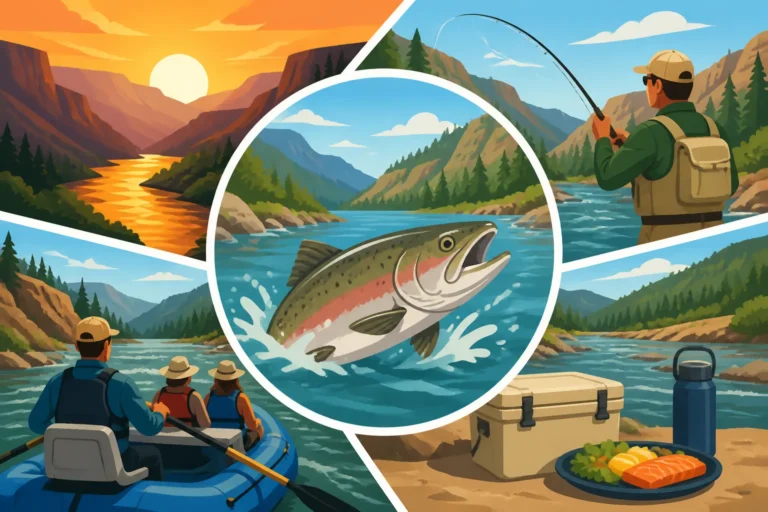
These are perhaps the most popular for multi-day wilderness fishing. Think floating down iconic rivers like the Middle Fork of the Salmon or portions of the Snake or Clearwater. You spend your days fishing from a drift boat or raft, stopping at prime spots, and then making camp on river beaches or designated campsites. All your gear, food, and amenities travel with you on the boats. These trips allow you to cover significant distances and access water that's often inaccessible by foot. Guides do the rowing and cooking, leaving you free to fish and enjoy the scenery. Middle Fork of the Salmon River Fishing Outfitters often offer these kinds of experiences.
Pack-In (Horse or Hike) Trips
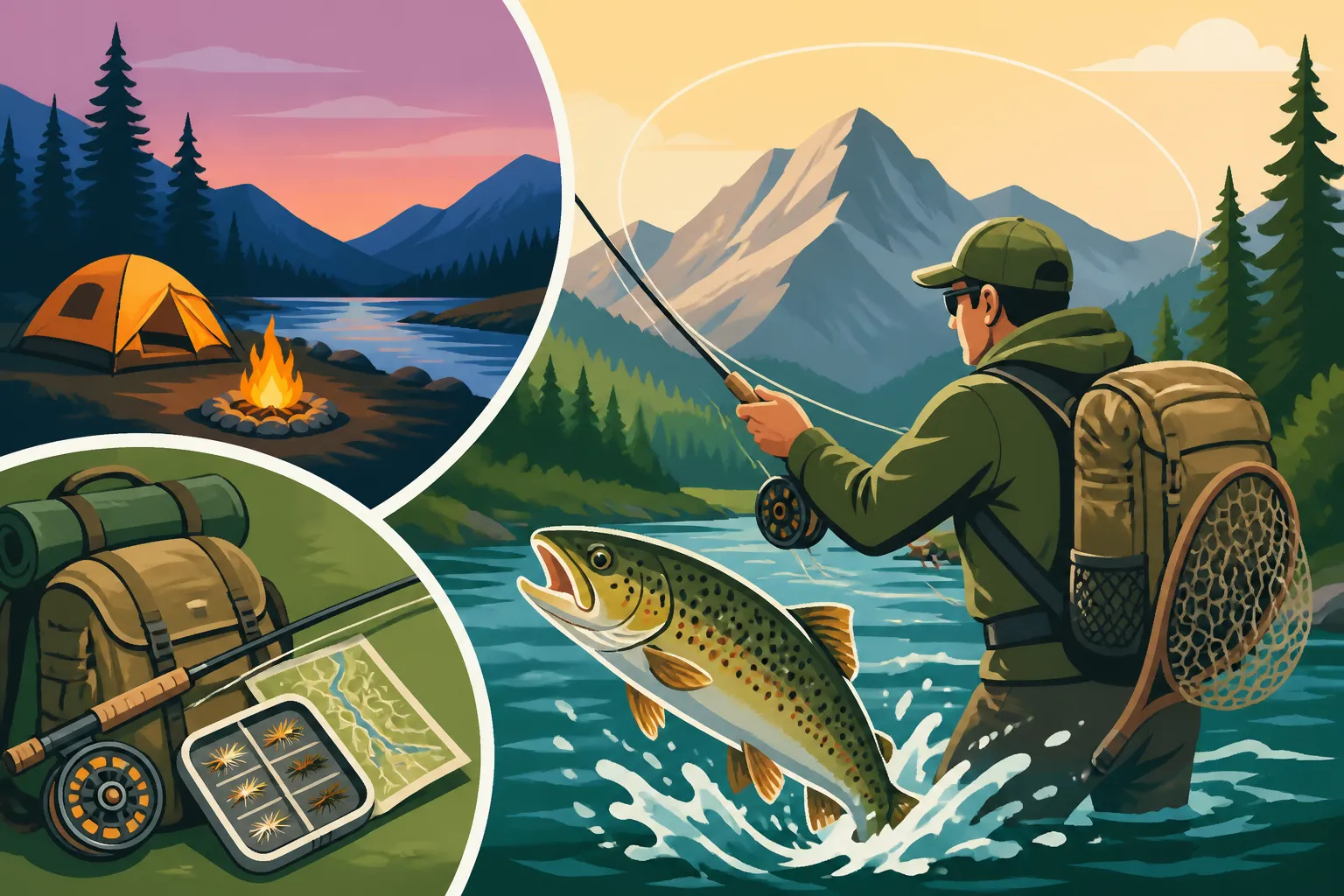
For those seeking true solitude and a deep dive into high mountain lakes or remote headwater streams, a pack-in trip is the way to go. This involves hiking or riding horses into the wilderness, often with pack animals carrying all the gear. You might set up a base camp by a pristine alpine lake, spending several days exploring smaller streams and tributaries. These trips are more physically demanding but reward you with unparalleled tranquility and access to native trout in stunning settings. Imagine fishing a lake where the only other tracks you see are elk or deer. If this sounds like your kind of adventure, you'll want to explore topics like What Gear to Pack for a Sawtooth Backcountry Fishing Trip.
Remote Lodge Stays
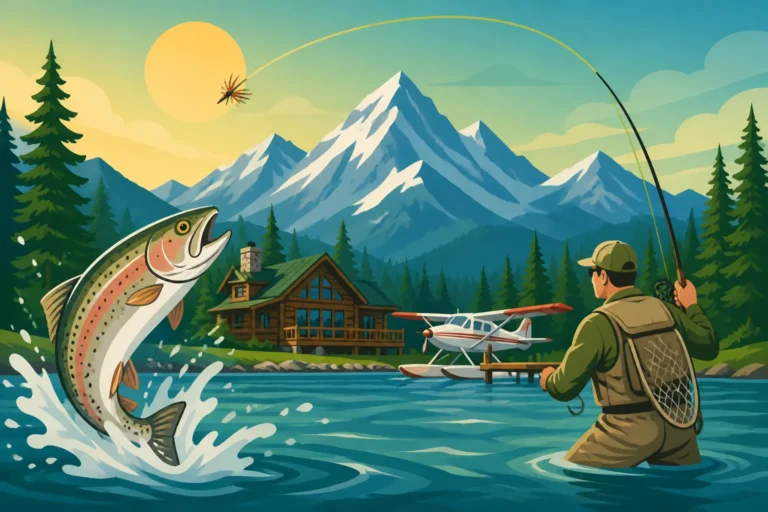
While still deep in the wilderness, remote lodges offer a higher level of comfort. You might fly in on a bush plane or travel by boat or horse to a rustic-yet-comfortable lodge. From there, you embark on daily guided fishing excursions, returning to a warm bed, hot showers, and chef-prepared meals each evening. This option is perfect for those who want the wilderness experience without the rigors of camping. It’s a fantastic way to access remote fisheries with a touch of luxury.
Permits, Licenses, and Conservation Regulations
Navigating the legalities of fishing in Idaho’s wilderness areas is paramount. Before you even think about packing, make sure you understand the requirements.
- Idaho Fishing License: Every angler, resident or non-resident, needs a valid Idaho Fishing License Guide. This is non-negotiable, even on guided trips. You'll likely need an annual license for a multi-day trip, and if targeting specific species like Steelhead or Salmon, you'll need additional permits or stamps. Remember to check Idaho Nonresident Annual Fishing License or Idaho Resident Annual Fishing License requirements.
- Wilderness Permits: If your trip ventures into designated wilderness areas (like the Frank Church, Selway-Bitterroot, or Gospel Hump), your outfitter will handle the necessary wilderness permits. These permits regulate group size, length of stay, and specific entry/exit points to protect the delicate ecosystem.
- Species-Specific Regulations: Wilderness fishing often means targeting native species like Cutthroat Trout. Regulations here can be very specific, sometimes requiring catch-and-release only, single barbless hooks, or specific lure/bait restrictions. Always check Idaho Fishing Regulations Explained for the waters you'll be fishing. Your guide will be an expert on these, but it's good to be informed yourself. Conservation is a huge part of these trips; protecting these special places is everyone's responsibility.
What to Expect on Your Wilderness Fishing Trip
Once the planning is done, the anticipation builds! But what's it really like out there, day after day, in Idaho's vast wilderness? Understanding the daily rhythm and the realities of backcountry living will help you mentally prepare and maximize your enjoyment.
Daily Life in the Backcountry: Food, Shelter, and Amenities
Life on a multi-day wilderness trip is a delightful blend of rustic simplicity and expertly managed logistics, thanks to your outfitter.
Food
Forget freeze-dried meals (unless you’re on a very specific, lightweight backpacking trip). Most reputable Idaho outfitters provide surprisingly gourmet meals. On a float trip, you might enjoy Dutch oven dinners cooked over a campfire, fresh salads, and hearty breakfasts to fuel your fishing days. Lunches are often packed and eaten streamside. Dietary restrictions are usually accommodated if you communicate them in advance. The communal aspect of sharing meals around a campfire under a canopy of stars is a highlight for many.
Shelter
Depending on the trip type, your shelter will vary. On float trips, you'll typically sleep in comfortable tents (often provided and set up by the crew) with cots or thick sleeping pads. Pack-in trips might involve smaller, lightweight tents you help pitch. While it's not a five-star hotel, outfitters prioritize comfort and protection from the elements. Sleeping bags are often rented or you bring your own. The fresh air and the sounds of nature create a unique sleeping experience that's hard to beat.
Amenities
"Amenities" in the wilderness are a bit different. Think pit toilets or portable toilet systems set up away from camp and water sources. Hand-washing stations are common. Hot showers are rare, but some outfitters might offer a solar shower or heated water for a quick sponge bath. The focus is on Leave No Trace principles, ensuring minimal impact on the environment. You learn to appreciate the simple luxuries and find comfort in the wild.
Physical Demands and Skill Levels Required
Don't let the "wilderness" aspect intimidate you; these trips aren't necessarily for ultra-athletes, but a certain level of fitness is beneficial.
Physical Demands
- Float Trips: Generally, float trips are less physically demanding. You'll spend a lot of time sitting in a boat, but you'll also be getting in and out, wading in moderate currents, and walking short distances along the bank. Being able to navigate uneven terrain and manage your gear is key.
- Pack-In Trips (Hiking): These require good cardiovascular fitness and stamina. You might be hiking several miles a day with a daypack, sometimes over steep or rocky trails, to reach remote fishing spots. If horses are involved, you'll need to be comfortable riding for extended periods.
It's always a good idea to discuss the specific physical requirements with your outfitter. Many will happily tailor a trip to your group's abilities.
Fishing Skill Levels
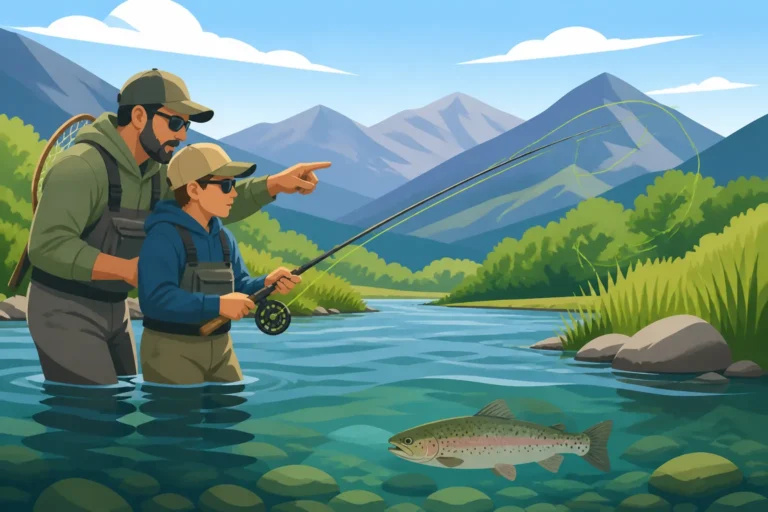
You absolutely do not need to be a seasoned expert. Many first-timers discover the joy of fly fishing or spin fishing on these trips. Guides are excellent teachers and patient instructors. They'll help you with casting techniques, fly selection, reading the water, and safely handling fish. The beauty of these remote spots is that the fish are often less wary, making it a fantastic environment for learning and honing your skills. Whether you're a beginner or a veteran, there's always something new to learn and enjoy. Some guides even offer Fly Fishing Lessons Available Through Idaho Guides.
Safety and Emergency Preparedness in Remote Areas
Safety is paramount in the wilderness, and a professional outfitter will have robust plans in place. While the sense of isolation is part of the appeal, it also means that emergency services are not a quick phone call away.
Guide Expertise
Your guides are trained professionals, often certified in wilderness first aid, CPR, and swiftwater rescue. They are intimately familiar with the terrain, river conditions, and potential hazards. Trusting their judgment is crucial.
Communication
In true wilderness areas, cell phone service is non-existent. Guides will carry satellite phones or communication devices for emergencies. This limited communication is a key part of disconnecting, but it also means planning ahead for any personal needs back home.
Being Prepared
While your outfitter handles the heavy lifting, your personal preparedness matters. Follow their packing list carefully, especially regarding layers of clothing (even in summer, mountain evenings can be cool), appropriate footwear, sun protection, and personal medications. Being well-rested and hydrated also contributes significantly to your safety and enjoyment. A well-prepared angler is a happy angler.
The Investment: Cost and Value of an Idaho Wilderness Trip
Let's be realistic: a multi-day wilderness fishing trip is an investment. It's not a cheap weekend getaway, but it's an experience that delivers value far beyond the monetary cost. Understanding the components of this investment helps you budget and appreciate what you're getting.
Breaking Down Typical Costs
The total cost for a multi-day wilderness fishing trip in Idaho can vary significantly based on duration, trip type, remoteness, and the luxury level of the outfitter. Think of it as an all-inclusive vacation, but instead of a resort, your "resort" is Idaho's pristine backcountry.
Guide and Outfitter Fees
This is the largest component. These fees cover the guides' expertise, all necessary permits (including those for operating in wilderness areas), specialized equipment (rafts, drift boats, horses, tents, cooking gear), and all meals for the duration of the trip. The more remote the location, and the more complex the logistics (like fly-in trips), the higher these fees might be. For instance, What a Multi-Day Middle Fork Salmon River Trip Costs will reflect the significant effort involved. These services ensure your safety, comfort, and access to incredible fishing.
Personal Gear
While outfitters provide most communal gear, you'll be responsible for your personal items: clothing (often technical layers), sleeping bag (if not rented), fishing rods, reels, waders, boots, and tackle. Factor in a budget for any items you need to purchase or upgrade.
Travel and Logistics
Don't forget the costs of getting to and from the departure point (e.g., Boise, Salmon, Stanley). This might include flights, rental cars, and pre- and post-trip accommodation if you arrive a day early or stay a day late.
Gratuities
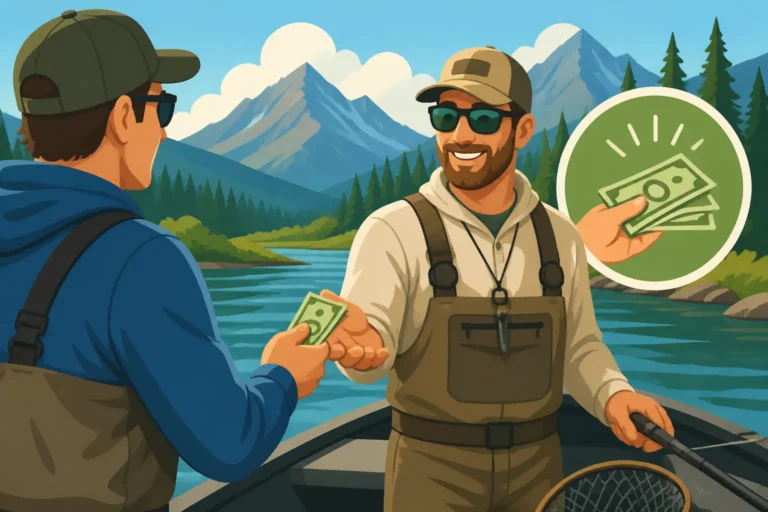
Tipping your guides is a customary way to show appreciation for their hard work, dedication, and the incredible experience they provide. While not mandatory, it's highly recommended and should be factored into your budget.
What's Typically Included in Most Packages
The beauty of booking with a reputable outfitter is that many of the headaches are handled for you. While specific inclusions vary, generally you can expect:
- Professional Guides: Expert anglers and wilderness navigators.
- All Meals: From hearty breakfasts to gourmet dinners, plus snacks and non-alcoholic beverages.
- Camping Gear: Tents, sleeping pads (sometimes cots), and often sleeping bags if you don't have your own.
- Specialized Equipment: Rafts, drift boats, oar frames, paddles, life jackets, or pack saddles for horse trips.
- Transportation: From the designated meeting point to the river/trailhead and back.
- Fishing Gear (Often Optional): Many outfitters offer rental rods, reels, and sometimes flies or tackle, which is great if you're flying in or new to the sport. Always confirm if this is an extra charge.
- Permits and Fees: All the necessary federal and state permits for the outfitter to operate in the wilderness.
- Safety Equipment: First aid kits, satellite communication devices, and emergency supplies.
This comprehensive approach simplifies your planning significantly, allowing you to focus on the anticipation of fishing. You can often find detailed breakdowns on outfitter websites or through booking platforms like FishingBooker, which makes comparing options easier.
The Intangible Value of the Experience
While the financial cost is tangible, the value of a multi-day wilderness fishing trip in Idaho extends far beyond the price tag. This isn't just about catching fish; it's about crafting memories that last a lifetime and gaining experiences that you can't put a price on.
Unforgettable Memories
Imagine the thrill of a steelhead smashing your fly on a wild river, the camaraderie of sharing stories around a campfire with new friends, or the quiet awe of watching an eagle soar above a canyon carved by millennia of water. These moments, steeped in nature's grandeur, become cherished stories you’ll recount for years.
A Deep Connection to Nature
Spending multiple days immersed in the Idaho wilderness fosters a profound connection to the natural world. You learn to observe the subtle changes in light, the calls of the wildlife, and the intricate ecosystems that thrive away from human development. It's a reset for the soul, a chance to truly disconnect from digital distractions and reconnect with something primal and grounding.
Skill Development and Confidence
Whether you're new to fishing or a seasoned pro, these trips challenge and enhance your skills. You'll learn from experienced guides, adapt to diverse fishing conditions, and develop a greater confidence in your abilities, both as an angler and as a wilderness traveler. This growth is invaluable.
Lasting Friendships
Sharing such an intense and unique experience often forges strong bonds. You'll share challenges, successes, and breathtaking moments with your fellow anglers and guides, often leading to friendships that extend beyond the riverbanks.
Ultimately, a multi-day wilderness fishing trip in Idaho is an investment in yourself, your passion for fishing, and your desire for adventure. It's an opportunity to experience Idaho's unparalleled natural beauty and incredible fisheries in the most immersive way possible. Take the plunge; the Idaho wilderness is calling!
Disclaimer
This article is for general informational purposes only and does not constitute professional advice. Laws, prices and regulations vary by location and change over time. Consult a qualified professional for guidance on your specific situation.