What a Multi-Day Middle Fork Salmon River Trip Costs
Planning a multi-day fishing trip on Idaho's legendary Middle Fork of the Salmon River is a dream for many, but the biggest hurdle often isn't the skill required; it's figuring out exactly how much such an epic adventure will set you back. It's not a simple day trip, and the investment can feel daunting without a clear breakdown. This guide aims to pull back the curtain on the costs, helping you budget for an unforgettable journey into one of North America's most pristine wilderness areas.
Understanding the Allure and the Investment of a Middle Fork Trip
The Middle Fork of the Salmon River isn't just another fishing destination; it's a true wilderness experience. Flowing for over 100 miles through the Frank Church-River of No Return Wilderness, it offers unparalleled beauty, thrilling whitewater, and some of the best catch-and-release fishing for native Westslope Cutthroat Trout you'll find anywhere. Because of its remote nature and protected status, accessing and experiencing the Middle Fork responsibly often means going with a licensed outfitter, which comes with its own set of costs.
Why the Middle Fork is a Premier Destination
Imagine waking up to the sound of a rushing river, the smell of pine, and a hot cup of coffee, all before casting a line into crystal-clear waters teeming with eager fish. The Middle Fork is renowned for its consistent action, making it a fantastic destination for fly anglers looking for high catch rates. It's also an incredible place for families or groups, blending exciting whitewater rafting with serene fishing opportunities, hot springs, and ancient pictographs. This isn't a quick day trip from town; it's a multi-day immersion in nature, usually spanning anywhere from five to seven days, depending on the outfitter and the chosen itinerary. The investment reflects not just the fishing, but the entire, self-contained wilderness journey.
The Core Components of a Guided Multi-Day Trip
When you book a guided multi-day trip on the Middle Fork, you're not just paying for a fishing spot. You're essentially purchasing an all-inclusive wilderness expedition. Most reputable outfitters include professional guides who handle navigation, camp setup, cooking, and, of course, expert fishing instruction and insights. They provide all the necessary river equipment—rafts, paddle boats, safety gear—as well as comprehensive camp amenities like tents, sleeping pads, and even camp chairs and tables. Delicious meals, snacks, and non-alcoholic beverages are typically covered from start to finish. What's often not included, and where many first-timers get surprised, are personal fishing licenses and permits, specialized personal fishing gear, alcoholic beverages, pre- and post-trip lodging or travel expenses, and gratuities for your hard-working guides. Keeping these distinctions in mind from the outset can help you anticipate the total financial picture.
Key Factors Influencing the Cost of Your Adventure
The cost of a multi-day Middle Fork Salmon River fishing trip isn't a single, fixed price. It's influenced by several key variables, much like booking any other premium vacation package. Understanding these factors can help you gauge what to expect and make informed decisions.
Trip Length and Group Size
One of the most straightforward factors impacting cost is the duration of your trip. A five-day journey will naturally be less expensive than a seven-day excursion, simply because of the increased resources, food, and guide time involved over a longer period.
Group size also plays a significant role. Outfitters often have a base price per person, which may decrease slightly for larger groups due to economies of scale in logistics. Some outfitters offer private charters for an exclusive experience, which will almost always come at a premium compared to joining an open trip with other individuals or smaller parties. If you're coordinating with a larger group of friends or family, inquire about potential group discounts. Booking a private trip for just two people, while an amazing experience, generally means you're covering the fixed costs that would otherwise be spread across more clients.
Here's a simplified look at how length and group size can affect the base cost per person (excluding personal expenses and tips):
| Trip Length | Group Type | Typical Base Cost Shape (Per Person) | Experience Highlights |
|---|---|---|---|
| 4-5 Days | Open Group | Lower-End Investment | Focused fishing, quicker pace, essential wilderness immersion |
| 4-5 Days | Private Charter | Moderate-to-High Investment | Personalized itinerary, exclusive group, flexible schedule within permit |
| 6-7 Days | Open Group | Moderate-to-High Investment | More relaxed pace, deeper exploration, diverse fishing and side hikes |
| 6-7 Days | Private Charter | Higher-End Investment | Maximum flexibility, unhurried exploration, tailored fishing and camp experiences |
Seasonality and Demand
Just like any popular travel destination, the Middle Fork of the Salmon River has peak seasons that command higher prices. The prime season for fishing and rafting typically runs from mid-June through early September, with July and August being particularly popular for warm weather and consistent dry fly fishing. Booking during these high-demand periods means you'll likely pay closer to the top end of an outfitter's pricing range, and availability can be extremely limited, requiring booking far in advance.
If your schedule allows for it, consider a shoulder season trip. Late May or early June can offer exhilarating whitewater and excellent fishing, though weather can be cooler. Late September can bring crisp autumn days, vibrant fall colors, and fewer people on the river, along with fantastic fishing. These periods might offer a slightly more favorable price point and a more serene wilderness experience. However, always check with outfitters about specific water levels and target species during shoulder seasons, as conditions can vary. You can explore Best Season to Book an Idaho Fishing Guide to get more insights into timing your trip.
Inclusions and Exclusions: What You Get for Your Money
The price you see advertised by an outfitter for a Middle Fork trip will largely depend on what's bundled into that package. A more budget-friendly option might include basic camping gear, standard meals, and experienced but less specialized guides. On the other hand, a higher-end experience could offer gourmet meals prepared by a dedicated camp chef, luxury glamping tents with comfortable cots, top-of-the-line fishing rafts, and a higher guide-to-client ratio for more personalized attention on the water.
When comparing prices, it’s crucial to look closely at the "What's Included" and "What's Not Included" sections of each outfitter's itinerary. Does it include ground transportation from a local airport to the put-in? What about hot showers at camp? Are fishing rods provided, or do you need to bring your own? The devil is truly in the details when it comes to guided trip inclusions. Understanding these nuances will prevent any surprises down the line and ensure you're comparing apples to apples. If you're curious about general costs, our Idaho Fishing Guide Cost Guide offers a broader look.
Outfitter Reputation and Experience
Just as with any service, the reputation and experience of a Middle Fork outfitter can influence their pricing. Established companies with decades of experience, a proven track record for safety, exceptional service, and highly skilled guides often command higher prices. They've invested heavily in quality equipment, staff training, and logistical expertise to ensure a seamless and unforgettable trip.
Newer or smaller operations might offer slightly lower prices to attract clients, but it's important to research their reviews and credentials thoroughly. While there are many fantastic smaller outfits, paying a bit more for a highly reputable company often translates to greater peace of mind, more professional execution, and a higher likelihood of an exceptional experience. Platforms like FishingBooker can be incredibly helpful for comparing various outfitters, checking their availability, and reading genuine reviews from past clients, giving you confidence in your choice.
Breaking Down the Typical Cost Structure
Understanding what goes into the quoted price, and what you'll need to budget for beyond that, is crucial for a stress-free Middle Fork fishing adventure. It’s rarely a single number; rather, it’s a mosaic of different expenses.
The Base Trip Fee: What It Generally Covers
The largest portion of your investment will be the base trip fee charged by the outfitter. This comprehensive fee typically covers the operational backbone of your multi-day wilderness journey. You can expect it to include:
- Professional Guides: The expertise of licensed, experienced river guides and often a dedicated camp chef. These folks are critical to your safety, enjoyment, and success on the water.
- River Equipment: All necessary boats, rafts, paddles, oars, life jackets, and safety equipment for navigating the Middle Fork's rapids and stretches of calmer water.
- Camp Amenities: Tents, comfortable sleeping pads, camp chairs, dining tables, cooking facilities, and often a portable toilet system to ensure Leave No Trace principles are followed.
- Meals and Beverages: All breakfasts, lunches, and dinners, carefully planned and prepared fresh daily, along with an array of snacks and non-alcoholic drinks. Many outfitters excel in camp cuisine, transforming riverbank dining into a gourmet experience.
- Permits and Fees: The mandatory permits required by the U.S. Forest Service to operate within the wilderness area, which can be substantial due to the Middle Fork's popularity and strict management. It also covers any associated access or launch fees.
- Shuttle Services: Often, the outfitter will arrange ground transportation from a designated meeting point to the put-in location and from the take-out point back to a central hub or a convenient airport.
This base fee is what makes these trips truly "all-inclusive" for the wilderness portion, freeing you from worrying about logistics once you've met your guides.
Essential Add-On Costs You Can't Forget
Beyond the base trip fee, there are several non-negotiable or highly recommended costs that you'll need to factor into your total budget. Overlooking these can lead to unexpected expenses.
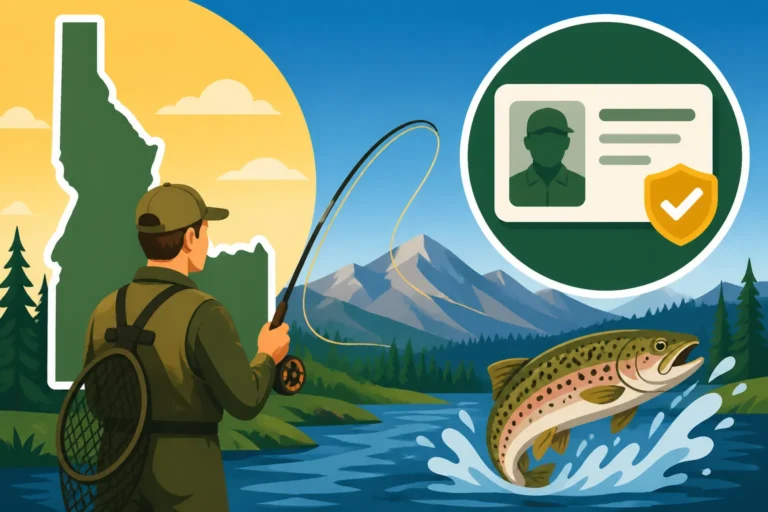
- Fishing Licenses and Permits: Every angler, regardless of age (above a certain minimum), needs an Idaho fishing license. If you plan to target specific species like Steelhead or Chinook Salmon, you'll also need special tags or permits. These are almost never included in the outfitter's base fee and must be purchased separately. Make sure to buy these well in advance of your trip. Our guides on Idaho Fishing License Guide and Idaho Salmon and Steelhead Permit Cost can help you navigate these requirements.
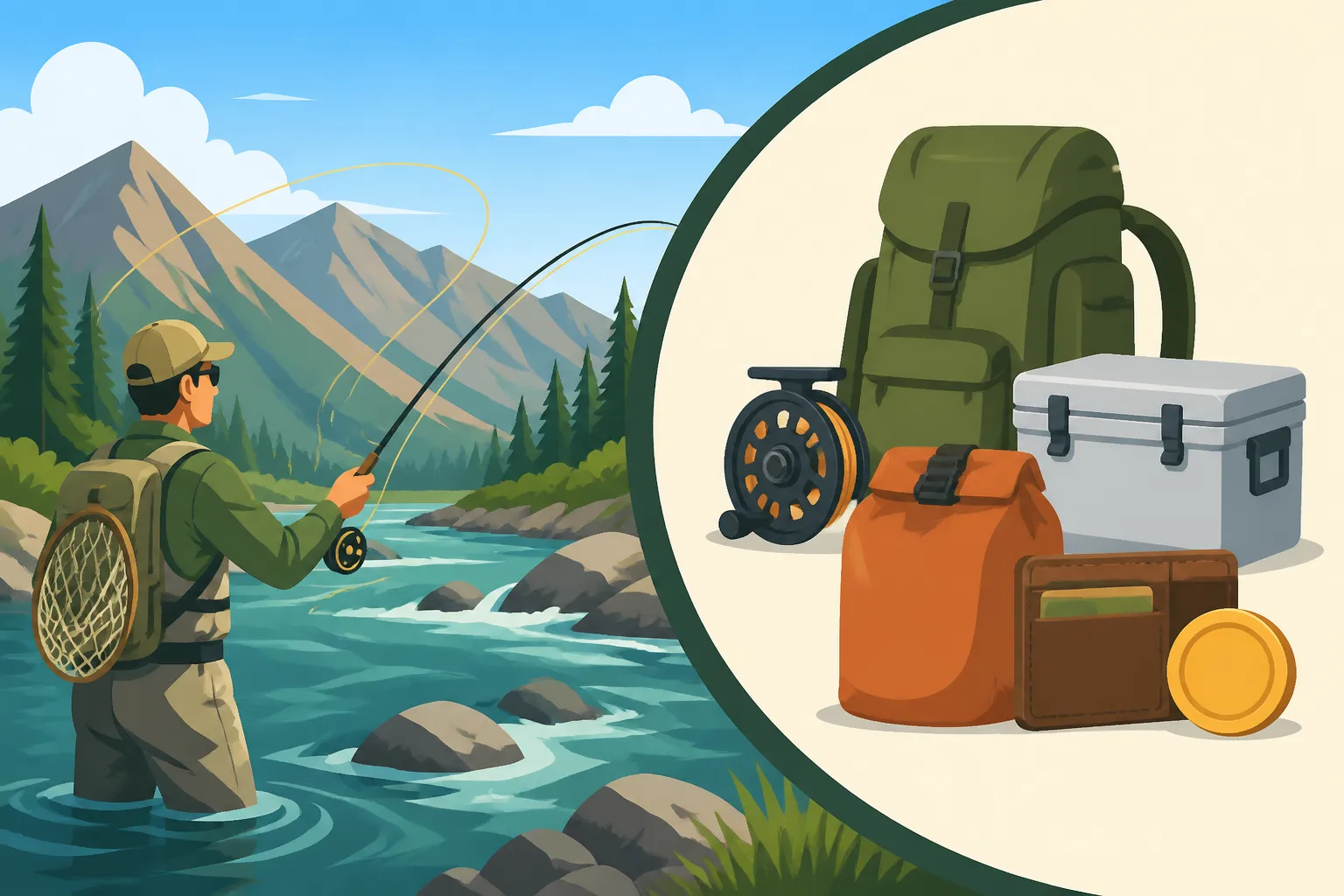
- Personal Fishing Gear: While some outfitters might offer basic loaner gear, serious anglers will want to bring their own rods, reels, waders, boots, and a selection of flies or lures specific to the Middle Fork. If you don't own appropriate gear, consider the cost of purchasing or renting high-quality equipment.
- Travel to/from the River: Getting to the Middle Fork isn't always easy. Most trips involve flying into an airport like Boise (BOI) or Sun Valley (SUN), then either renting a car, booking a small commuter flight, or arranging a shuttle to the outfitter's meeting point. You'll also need to budget for any pre- and post-trip lodging near the put-in or take-out towns, as you'll likely arrive the day before and depart the day after your river journey.
- Gratuities for Guides: Tipping your guides is a customary and important part of the guided trip experience. These professionals work tirelessly to ensure your safety, comfort, and enjoyment, often for long hours. While not mandatory, a thoughtful gratuity is a significant part of their income. A common range for tipping is generally around 10-20% of the trip's base cost, distributed among the guide team at the end of the journey. This is a personal decision, of course, but it's an expense you should certainly factor into your overall budget.
Considering the "Luxury" Touches
For those looking to enhance their Middle Fork experience even further, there are often optional "luxury" additions that can increase the overall cost. These might include:
- Alcoholic Beverages: While non-alcoholic drinks are included, if you wish to enjoy beer, wine, or spirits, you'll typically need to purchase these beforehand and bring them along. Many outfitters can help facilitate this purchase or provide cooler space, but the cost itself is yours.
- Specialized Fishing Equipment Rentals: If you want to try a specific high-end rod, reel, or waders that the outfitter has available, there might be an additional rental fee.
- Satellite Communication: Some trips might offer satellite phone rental or Wi-Fi hotspot access for a daily or trip-long fee, allowing limited communication with the outside world from the remote wilderness.
- Upgraded Personal Accommodations: A few outfitters might offer upgraded tent packages, potentially with larger tents, cots, or even heating units for cooler weather, for an additional charge.
While these additions aren't essential for an incredible trip, they can certainly add to the comfort and convenience. Exploring options like Idaho Fishing Lodges with Guide Packages could also present alternatives that bundle more amenities into a single upfront cost.
How to Plan and Budget for Your Middle Fork Expedition
Embarking on a multi-day Middle Fork Salmon River trip is a significant undertaking, both logistically and financially. Careful planning and budgeting are key to ensuring a smooth and enjoyable adventure.
Researching and Comparing Outfitters
Don't just jump at the first outfitter you find. Take your time to research several different companies that offer Middle Fork trips. Look at their websites, read their itineraries, and compare their "What's Included" lists carefully. Pay attention to the length of the trips offered, the types of boats used, the guide-to-client ratio, and what past clients say about their experience. Platforms like FishingBooker can be invaluable here, as they allow you to browse numerous reputable Idaho outfitters, compare their offerings side-by-side, and read detailed reviews that often mention aspects like value for money, quality of food, and guide expertise. Don't hesitate to contact outfitters directly with specific questions about what's covered and what isn't. Our guide on How to Book a Fishing Guide in Idaho provides excellent tips for this process, as does Questions to Ask Before Booking a Fishing Guide.
Timing Your Trip for Value
As discussed, seasonality significantly impacts price. If your primary goal is to experience the Middle Fork without breaking the bank, consider booking during the shoulder seasons. Late spring (early June) or early fall (late September) can offer excellent fishing opportunities, beautiful scenery, and often a slightly lower price point compared to the peak summer months. You might encounter cooler temperatures or different water levels, but the trade-off can be fewer people on the river and a more budget-friendly adventure. Always discuss the pros and cons of shoulder season trips with the outfitter, as they can advise on typical conditions for those times.
Smart Packing and Preparation
Minimizing additional expenses often comes down to being well-prepared with your personal gear. If you already own high-quality fishing rods, reels, and waders suitable for river fishing, you'll save on potential rental fees. Review the outfitter's recommended packing list carefully. Items like rain gear, warm layers (even in summer), sunscreen, sunglasses, and a wide-brimmed hat are essential and can be costly to buy last-minute in a remote town. Bringing your own reliable gear ensures comfort and can trim down those final expenditures. Check out What to Bring on a Guided Idaho Fishing Trip for a comprehensive list of essentials.
The Importance of a Detailed Quote
Before you commit to a booking, always ask the outfitter for a detailed, itemized quote. This clarity will help you understand exactly what your base fee covers and identify any potential hidden costs. A good outfitter will be transparent about their pricing structure and happy to answer any questions you have. Ensure the quote includes the total cost per person for the trip itself, clarifies what taxes or fees might be added, and explicitly states what other expenses you'll be responsible for (like licenses, alcohol, or gratuities). Having everything in writing helps avoid any misunderstandings and allows you to budget accurately for every aspect of your incredible Middle Fork journey.
Disclaimer
This article is for general informational purposes only and does not constitute professional advice. Laws, prices and regulations vary by location and change over time. Consult a qualified professional for guidance on your specific situation.