What to Pack for a Multi-Day Fishing Trip
There's nothing quite like the dream of an Idaho fishing trip, but that dream can quickly turn into a packing nightmare, especially when you're planning for multiple days out in the wilds. Forget one crucial item, and your serene escape can become a frustrating struggle against the elements or simply a less productive time on the water. This guide is here to walk you through exactly what to pack for a multi-day fishing adventure in Idaho, ensuring you're comfortable, prepared, and ready to make lasting memories.
Essential Gear for Every Idaho Multi-Day Trip
No matter if you're chasing steelhead on the Salmon River or casting flies on a remote high-mountain lake, certain items are non-negotiable. Idaho's diverse landscapes and often unpredictable weather demand a foundational packing list that covers your personal essentials, core fishing tackle, and protection from the elements. Skimping on these basics can quickly turn an incredible experience into a memorable lesson in discomfort.
Personal Documents and Licenses
Before you even think about rods and reels, make sure your paperwork is in order. This might sound obvious, but I've seen countless trips delayed or even cut short because someone forgot a key document. An Idaho fishing license is your golden ticket to the state's incredible waters. Depending on what you're targeting, you might also need specific permits, like a Idaho Salmon and Steelhead Permit or a Idaho Sturgeon Fishing Rules endorsement. It's smart to have both a physical copy and a digital one on your phone, just in case.
Beyond your fishing credentials, always carry a valid photo ID, like your driver's license. If you're traveling with kids, have their identification ready too, especially if you're fishing in areas with specific Idaho Fishing Rules for Kids and Families. Don't forget any necessary medical information, emergency contact numbers written down, and health insurance cards. Cell service can be spotty in Idaho's backcountry, so relying solely on your phone for vital info isn't the best plan.
Core Fishing Tackle
This is where the excitement really begins! For any multi-day trip, versatility is key. You don't want to bring every single lure or fly you own, but you also need enough options to adapt to changing conditions.
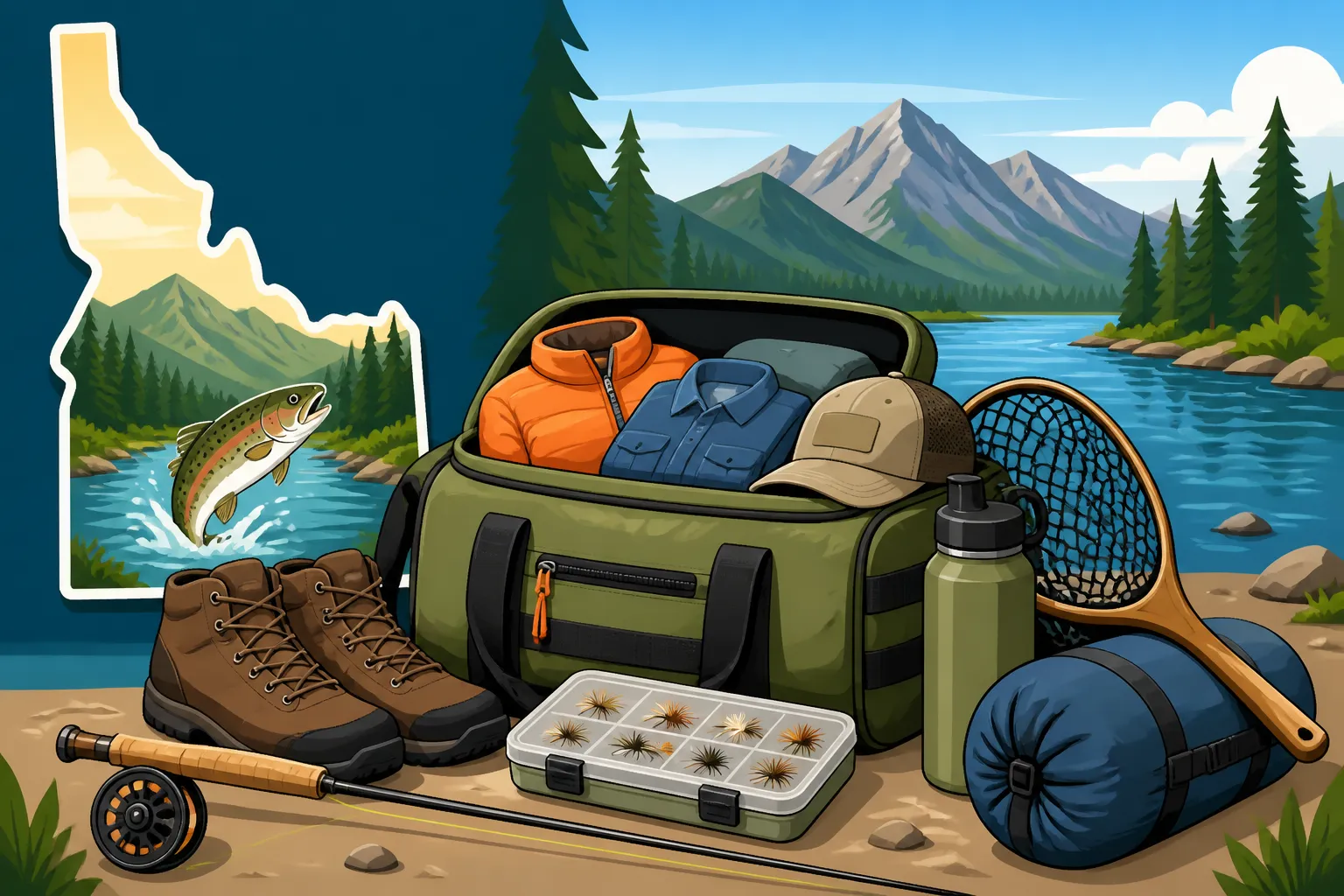
Start with your primary rod and reel setup, plus a backup. A broken rod tip or a jammed reel can ruin a trip fast. Pack an assortment of line weights and types, including fluorocarbon and braided options, suitable for the species you're targeting. Your tackle box should contain a selection of basic lures, baits, and flies that have proven effective in Idaho waters for your target species. Think spinners, spoons, jigs, a few reliable dry flies, nymphs, and streamers if you're fly fishing. Consider the Best Bait and Lures for Idaho Fishing for a more detailed look. Don't forget terminal tackle like hooks, sinkers, swivels, and leaders in various strengths.
Having a good pair of pliers or forceps, line clippers, and a measuring tape is also crucial. And, of course, a net – make sure it's appropriately sized for the fish you anticipate catching. If you've booked a guided trip through a service like FishingBooker, they often provide gear, but always double-check what's included and what you're expected to bring yourself.
Layered Clothing System
Idaho weather is famous for its unpredictability. You can experience all four seasons in a single day, especially in the mountains. The key to staying comfortable is a layered clothing system.
Start with a moisture-wicking base layer. This pulls sweat away from your skin, keeping you dry and warm if it's cold, or cool if it's hot. Next, add an insulating mid-layer, like a fleece jacket or a down vest. This provides warmth without excessive bulk. Your outer layer should be waterproof and windproof – a good quality rain jacket and pants are absolutely essential, even if the forecast looks clear. You'll thank me when an unexpected afternoon shower rolls in.
Don't forget extras: multiple pairs of wool or synthetic socks (never cotton for active wear!), a warm hat, gloves or fingerless fishing gloves, and a wide-brimmed hat for sun protection. Footwear should include waterproof wading boots or sturdy hiking boots, depending on your trip, and comfortable camp shoes. If you're wondering What to Wear on a Guided Fishing Trip, the layered approach is always the answer.
Personal Comfort and Safety Items
Being out on the water for days is exhilarating, but it also requires a keen eye on personal comfort and safety. This category covers everything from staying healthy to handling minor mishaps.
Sunscreen is a must, even on cloudy days, as UV rays reflect off the water. Pack a high SPF and reapply often. Insect repellent is another absolute necessity, especially if you're heading to lakes or rivers in the warmer months – Idaho mosquitoes and flies can be formidable. A compact first-aid kit, with essentials like pain relievers, bandages, antiseptic wipes, blister treatment, and any personal medications, should always be in your bag. A small towel or chamois for drying hands and gear can also be surprisingly useful.
Consider packing a headlamp or small flashlight with extra batteries. Even if you don't plan on night fishing, you'll appreciate it for navigating camp or finding something in your bag after dark. Lip balm with SPF and hand sanitizer round out this crucial list.
Specialized Equipment for Different Idaho Fishing Experiences
Idaho offers an incredible variety of fishing environments, and your packing list will naturally shift depending on where and how you plan to fish. A multi-day float down the Main Salmon is vastly different from a backpacking trip into a Sawtooth high mountain lake. Thinking through the specific demands of your chosen adventure will save you headaches and ensure you have the right tools for the job.
For River Float Trips
If you're embarking on a multi-day drift boat or raft trip on rivers like the Salmon or Clearwater, your gear needs to be robust and, above all, waterproof. The most critical item is a series of good quality dry bags or dry boxes. These will protect your sleeping bag, extra clothes, electronics, and valuable fishing gear from splashes, rain, and even an unexpected capsize. Think about the sizes you'll need – a large one for bulkier items and smaller ones for quick-access essentials.
Waders and wading boots are indispensable for getting in and out of the boat and fishing prime spots from shore. Make sure they are comfortable and in good repair. A wading staff can be a lifesaver when navigating slippery river bottoms. Additionally, consider a personal flotation device (PFD) that's comfortable for all-day wear, even if your guide provides one. Some anglers like to bring a small, waterproof daypack or sling pack to keep frequently used items like flies, leaders, and a water bottle handy while fishing from the boat. Remember, space can be at a premium on these trips, so be efficient. If you’re trying to book one of these exciting adventures, platforms like FishingBooker can often help you find guides who specialize in multi-day float trips and can advise on specific packing needs.
For High Mountain Lake Backcountry Excursions
A multi-day trek into Idaho's stunning high mountain lakes, like those in the Sawtooth Wilderness, requires a whole different mindset. Lightweight and compact are the names of the game. Every ounce counts when you're carrying it on your back for miles.
Your fishing setup should reflect this: a multi-piece pack rod that breaks down easily is ideal. You might opt for a smaller fly box or a tackle kit with only the most essential lures and flies for trout. A minimalist approach to tackle means less weight and more focus on the experience. Check out our guide on Techniques & Seasons for specific tips. Instead of bulky waders, quick-drying hiking pants that you can wade in might be sufficient, paired with sturdy hiking boots that can handle both trail and water.
Backpacking essentials take precedence here: a lightweight tent, a compact sleeping bag appropriate for mountain nights (which can get surprisingly cold even in summer), and an inflatable sleeping pad. A reliable water filter or purification tablets are critical, as is a bear-resistant food container or a method for hanging food safely. Navigation tools like a map, compass, and a GPS device (or a smartphone with downloaded offline maps) are non-negotiable for safety in remote areas. A satellite communication device can also provide peace of mind in areas without cell service.
For Lake and Reservoir Boat Fishing
If your multi-day trip involves larger bodies of water like Lake Coeur d'Alene, Priest Lake, or American Falls Reservoir, and you'll be operating a boat, a different set of considerations comes into play.
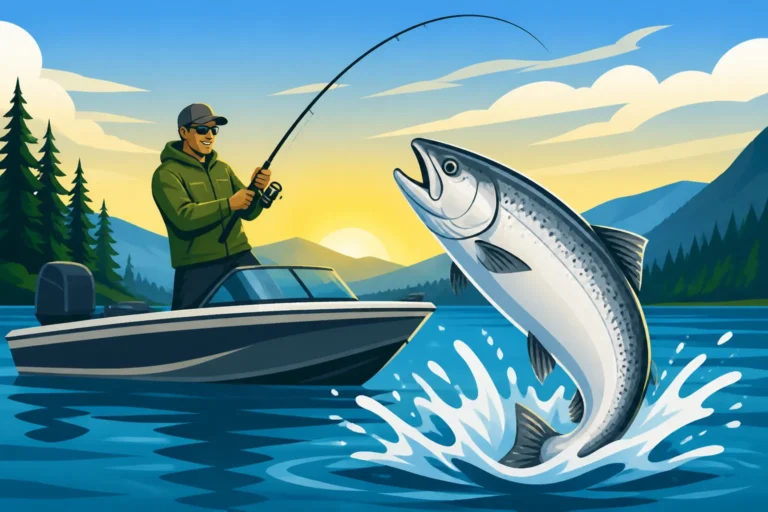
Beyond your core tackle, you'll want to pack specialized gear appropriate for the target species and techniques. For trolling kokanee or chinook salmon, this might include downriggers, specific trolling rods, and an array of specialized dodgers, flashers, and lures. A good fish finder and GPS are invaluable for locating fish and marking productive spots. A cooler large enough to hold your catch, along with plenty of ice, is also essential.
Safety on larger waters is paramount. Ensure you have all required boat safety equipment, including extra PFDs, a throw cushion, flares, a horn, and an anchor. A marine radio can be a lifesaver for communicating with other boats or shore, especially if you venture far from boat launches. Binoculars can also be useful for spotting wildlife or distant landmarks. Don't forget ample fuel, spare engine parts, and a tool kit for minor repairs. Knowing about the Best Lakes for Fishing in Idaho will help you tailor your gear to specific locations.
Food, Water, and Camp Essentials
When you're out for more than a day, sustenance and a comfortable, safe camp are just as important as your fishing prowess. Proper planning here ensures you stay energized, hydrated, and able to enjoy every moment, even after the sun goes down.
Hydration and Provisions
Water is life, especially when you're active outdoors. While Idaho boasts plenty of clean rivers and lakes, you should never drink directly from them without purification. A reliable water filter, purification tablets, or a portable UV purifier are absolute must-haves for multi-day trips. Pack a sturdy water bottle or hydration reservoir, and estimate your daily water needs—it’s always better to have more purification capacity than you think you’ll need.
For food, plan meals that are both nutritious and easy to prepare in a camp setting. Dehydrated meals are great for backpacking, offering high calorie-to-weight ratios. For base camps or float trips, you might be able to bring fresh foods in a cooler. Pack essentials like a portable stove, fuel, a cooking pot, utensils, and biodegradable soap for cleanup. Don't forget snacks that provide quick energy, like nuts, jerky, granola bars, and dried fruit. A hot cup of coffee or tea in the morning can also be a huge morale booster.
Shelter and Sleeping Gear
A good night's sleep is crucial for keeping your energy up for days of fishing. Your shelter needs will depend heavily on whether you’re car camping, floating, or backpacking.
For backpacking, a lightweight, three-season tent that's easy to set up and take down is ideal. Pair this with a sleeping bag rated for the lowest temperatures you expect (and then some, for safety) and a comfortable sleeping pad. For float trips, guides often provide tents or a shared sleeping space, but always confirm. If you're bringing your own, ensure it's waterproof and has good ventilation. If you're car camping, you might opt for a larger, more comfortable tent, cots, and thicker sleeping bags or even air mattresses.
Consider a small camp chair or stool – after a long day on your feet, a comfortable place to sit and relax is a true luxury. A tarp can also be incredibly versatile, providing extra shelter from rain or sun over your cooking area or gear.
Navigation and Communication
While the idea of disconnecting from the world is appealing, safety always comes first. Idaho’s vast wilderness means cell service is often nonexistent once you leave major towns or highways.
Always carry physical maps of the area you’re exploring, along with a compass, and know how to use them. A GPS device or a smartphone with pre-downloaded offline maps (and a portable power bank!) is an excellent backup. Don't rely solely on electronics. If you're venturing into truly remote areas, a personal locator beacon (PLB) or a satellite messenger device (like a Garmin InReach or Spot device) is highly recommended. These can send emergency signals even without cell service, providing critical peace of mind for you and your loved ones. Before you head out, make sure to leave a detailed itinerary with someone responsible, including your planned route and expected return date.
Smart Packing Strategies and Final Checks
You’ve got all your gear, but throwing it all into a duffel bag isn't the most efficient or protective approach, especially for a multi-day journey. How you pack and what final checks you perform can make all the difference between a smooth trip and a series of frustrating moments.
Organization and Protection
Start by dividing your gear into categories. Use dry bags of varying sizes for clothing, electronics, and sleeping gear. These keep everything dry and also help with organization within a larger duffel or backpack. For your fishing tackle, invest in sturdy tackle boxes or fly boxes that can withstand bumps and splashes. Rods should be transported in protective cases to prevent damage, especially multi-piece rods that might get jostled during travel.
Consider using stuff sacks for camp items like cooking gear or first-aid supplies. Labeling your bags can save you a lot of rummaging around in the dark. If you're using a large backpack, utilize compression straps to cinch down your load, keeping everything stable and compact. Think about what items you'll need frequently and pack them in easily accessible pockets or outer compartments. It's also smart to separate your "wet" gear from your "dry" gear to prevent dampness from spreading.
Pre-Trip Checklist and Contingency Planning
Before you hit the road, sit down and make a comprehensive checklist. Go through it item by item to ensure nothing crucial is left behind. This is also a good time to double-check regulations; fishing rules can change, so review the current Idaho Fishing Regulations Explained or grab a copy of the latest proclamation.
Share your detailed itinerary with a trusted friend or family member, including where you're going, your planned route, expected camp spots, and when you anticipate being back in cell service. Provide them with emergency contact numbers for your group and for local authorities if something goes wrong.
Finally, think about potential contingencies. What if it rains more than expected? (Extra dry bags, quick-drying clothing). What if someone gets a minor injury? (Well-stocked first-aid kit). What if your main fishing rod breaks? (Backup rod or repair kit). Having a plan for common problems will allow you to react calmly and continue enjoying your time on Idaho's incredible waters. A little bit of thoughtful preparation now will pay huge dividends in peace of mind and enjoyment once you're out there.
| Category | Essential for All Trips | Specialized for River Floats | Specialized for Backcountry Lakes | Specialized for Boat Fishing (Lakes/Reservoirs) |
|---|---|---|---|---|
| Documents/Personal | ID, Fishing License, Permits, Medical Info, Emergency Contacts | N/A | Map, Compass, GPS (w/offline maps), Satellite Messenger | Marine Radio, Boat Registration, Safety Equipment |
| Clothing | Layered clothing (base, mid, outer), Rain gear, Hats, Gloves, Wool socks, Wading boots, Camp shoes | Waders, Wading Staff | Lightweight quick-dry pants | N/A |
| Fishing Gear | Rods (main & backup), Reels, Line, Tackle assortment, Pliers, Clippers, Net, Measuring tape | Waterproof tackle boxes, Dry bags (gear specific) | Multi-piece pack rod, Compact fly/lure box | Downriggers, Trolling rods, Fish finder, GPS, Cooler |
| Safety/Comfort | Sunscreen, Bug spray, First-aid kit, Headlamp, Lip balm, Hand sanitizer | PFD (comfortable for all-day wear) | Bear-resistant food container, Water filter | Extra PFDs, Flares, Horn, Anchor, Tool kit |
| Camp/Provisions | Water purification, Water bottle, Camp stove, Fuel, Cookware, Non-perishable food, Snacks | Large dry bags (clothing/sleeping gear), Cooler (food) | Lightweight tent, Sleeping bag, Sleeping pad, Backpack | N/A |
Disclaimer
This article is for general informational purposes only and does not constitute professional advice. Laws, prices and regulations vary by location and change over time. Consult a qualified professional for guidance on your specific situation.