Idaho Rivers Known for Mountain Whitefish
Anglers often overlook smaller, feisty fish, and the humble mountain whitefish in Idaho is a prime example. Many folks are laser-focused on trout or steelhead, missing out on a fantastic year-round fishing opportunity that can be incredibly rewarding. This guide will dive deep into Idaho's prime rivers for mountain whitefish, reveal why they're such a great target, and share the best strategies to hook into these energetic native fish.
The Unsung Hero of Idaho's Rivers: Understanding Mountain Whitefish
When you mention "Idaho fishing," most people immediately picture leaping rainbow trout, chrome-bright steelhead, or perhaps a massive Snake River sturgeon. But tucked away in the very same cold, clear rivers, often in astonishing numbers, is a truly underrated game fish: the mountain whitefish (Prosopium williamsoni). These native fish are a joy to catch, offering consistent action, especially when other species might be less active. They're a fantastic target for anglers looking to expand their horizons beyond the usual suspects and discover a new appreciation for Idaho's diverse aquatic life.
Why Mountain Whitefish Deserve Your Attention
So, why should you dedicate a day, or even just a few hours, to pursuing mountain whitefish? For starters, they're incredibly accessible. You'll find them in many of Idaho's most popular trout rivers, often in the very same stretches of water. This means you don't need to trek into remote wilderness to find them; a quick trip to the Boise River Through Town can yield plenty of whitefish action. Unlike some migratory species that have specific seasons, mountain whitefish are often available year-round, providing a reliable option when other fisheries are closed or slow.
Their fighting spirit is another major draw. Don't let their relatively small size fool you; a 14-inch whitefish in a swift current can pull like a fish twice its weight. They offer quick, powerful runs and spirited head shakes, making them a blast on light tackle, whether you're fly fishing with delicate nymphs or spin fishing with ultra-light jigs. Plus, they're often found in large schools, meaning once you find one, you've likely found several, leading to continuous, exciting action. This makes them particularly excellent for beginner anglers or families looking for a high-catch-rate experience.
Distinguishing Mountain Whitefish from Other Species
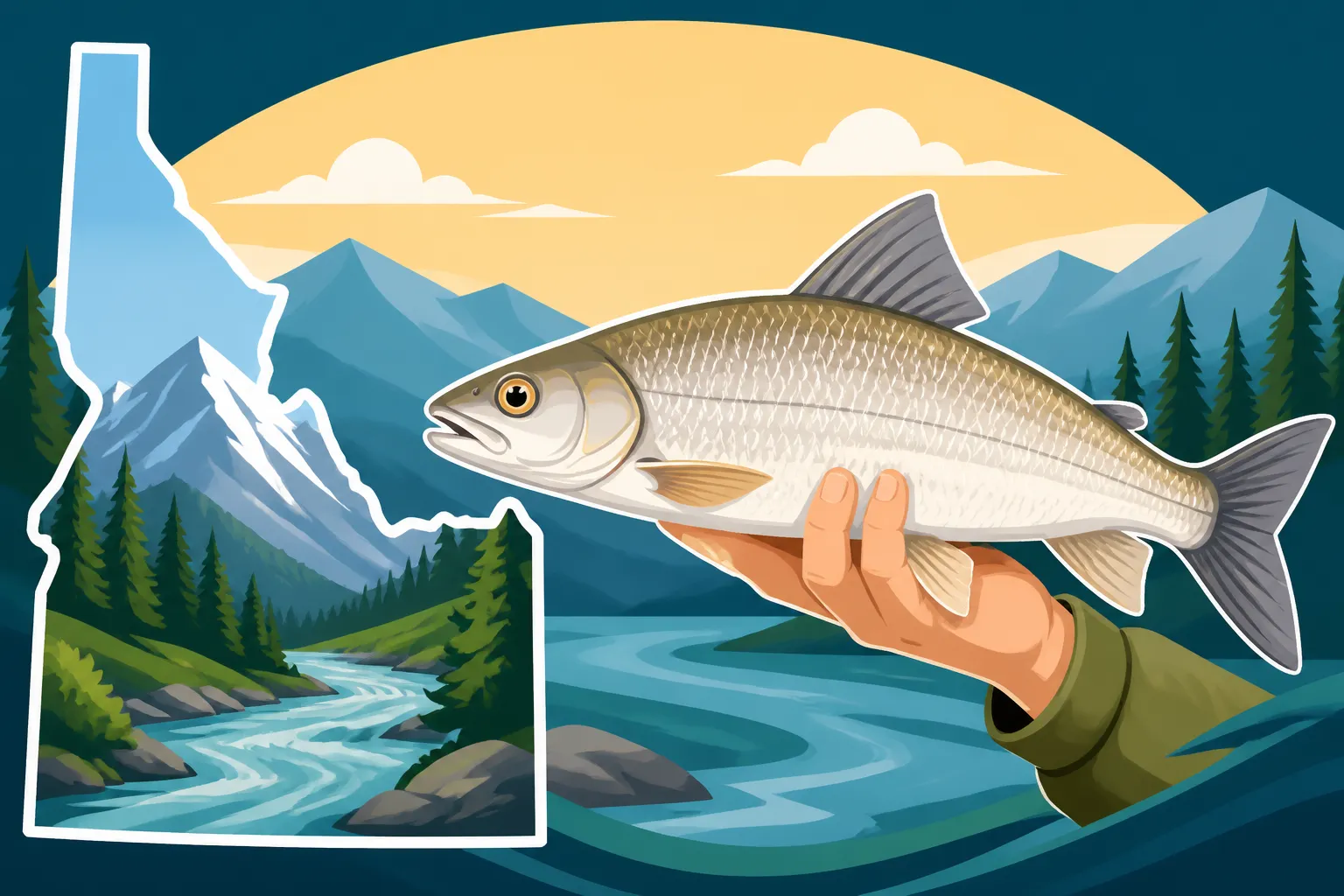
At first glance, especially to an untrained eye, a mountain whitefish might be mistaken for a trout, particularly a smaller rainbow or cutthroat. However, there are some key differences that set them apart. The most prominent feature is their mouth: a mountain whitefish has a small, subterminal mouth, meaning it's located on the underside of its head, perfectly adapted for sifting small invertebrates off the river bottom. Trout, on the other hand, have a more forward-facing mouth.
Their body shape is also generally more cylindrical and streamlined compared to the slightly deeper-bodied trout. They typically have larger, more noticeable scales and a dusky, silvery coloration, often with hints of olive or brown on their backs and flanks, fading to a white belly. Another key identifier is their adipose fin – the small, fleshy fin on their back between the dorsal and caudal fins – which is present in both trout and whitefish. The head of a whitefish is also smaller in proportion to its body than that of most trout species. Knowing these distinctions is important, especially if you're fishing in waters with specific bag limits or regulations for different species, as detailed in the comprehensive Idaho Fishing Regulations Explained guide.
Prime Idaho Rivers for Mountain Whitefish
Idaho is blessed with countless miles of cold, clear rivers and streams, and many of them hold healthy populations of mountain whitefish. While they might not be the primary target for most anglers, these fish are often an abundant bycatch, proving just how widespread they are. Focusing on rivers with strong insect hatches and good oxygenation will put you in the best spots.
The South Fork of the Snake River and Henry's Fork
These two legendary rivers are world-renowned for their trout fishing, but they also boast incredible mountain whitefish populations. The South Fork of the Snake River, particularly downstream from Palisades Dam and extending through its famous cutthroat water, is teeming with whitefish. Anglers targeting large cutthroat trout or brown trout often find themselves hooking into eager whitefish between trout bites. The clear, fast-flowing water and abundant insect life create an ideal habitat for both. During peak nymphing seasons, it's not uncommon to catch multiple whitefish for every trout, providing fantastic practice for your hook sets and fish-fighting skills.
Similarly, the Henry's Fork, especially its upper and middle sections, is a whitefish paradise alongside its famed rainbow trout. From the Box Canyon downstream through the Harriman Ranch, whitefish congregate in deeper runs, riffles, and oxygenated pools. They're often seen porpoising on the surface during specific hatches, though their primary feeding mode is subsurface. If you're planning a trip to the Henry's Fork and want to ensure consistent action, packing some whitefish-specific setups can make for a memorable day, even if the trout are being finicky.
Clearwater, Salmon, and Boise Rivers
Moving west and north, the Clearwater River, famous for its steelhead runs, also holds good numbers of mountain whitefish. In the lower and middle sections of the Clearwater, especially outside of the steelhead migration periods, you'll find whitefish in the same gravelly runs and pools where anglers target other species. They provide excellent filler action while waiting for a steelhead bite, and it's not unusual to find a sizable whitefish eager to hit a small jig or nymph intended for a migrating anadromous fish.
The Salmon River, the "River of No Return," is another prolific whitefish fishery across its vast length. From its headwaters in the Sawtooth Mountains down to its confluence with the Snake River, mountain whitefish are a common resident. Anglers floating the river or fishing from shore will encounter them in a variety of habitats. Many of the techniques for "How to Fish for Steelhead in Idaho" can inadvertently catch whitefish, but if you specifically target them, you'll be in for a treat.
Closer to the state's capital, the Boise River, both the main stem and its South Fork, is a phenomenal, accessible whitefish destination. From the canyon sections above Lucky Peak Reservoir down through the city of Boise, whitefish are abundant. They thrive in the cold, dam-released waters, congregating in riffles, eddies, and even slower, deeper pools. It’s a perfect spot for an afternoon outing to hone your skills or introduce a new angler to the sport. Many local anglers enjoy targeting them throughout the winter when trout can be less active. For those looking for local guides, checking a platform like FishingBooker might reveal options for guided trips that focus on these often-overlooked species.
Smaller Tributaries and High-Elevation Streams
While the big, famous rivers get all the glory, don't underestimate the smaller tributaries and high-elevation streams that feed into them. Many of these smaller waters, particularly in the Salmon River Mountains, Sawtooths, and across the Panhandle, contain robust populations of mountain whitefish. These streams are often less pressured and can offer a more intimate fishing experience. Look for deeper pockets, log jams, and swift runs where oxygenated water is plentiful.
Sometimes, these smaller streams can hold surprising numbers of whitefish, especially below culverts or natural barriers that might limit the upstream movement of larger predatory trout. Exploring some of Idaho's less-traveled backcountry can reveal fantastic opportunities for consistent whitefish action, often alongside healthy populations of native cutthroat trout. This is where a good Idaho Fishing Techniques Guide comes in handy, as methods for trout often cross over perfectly for whitefish.
Essential Techniques and Gear for Mountain Whitefish
One of the great things about mountain whitefish is their eagerness to bite and their relatively forgiving nature when it comes to technique. You don't need highly specialized gear or advanced tactics to catch them, which makes them ideal for both seasoned anglers looking for constant action and beginners learning the ropes.
Fly Fishing for Mountain Whitefish
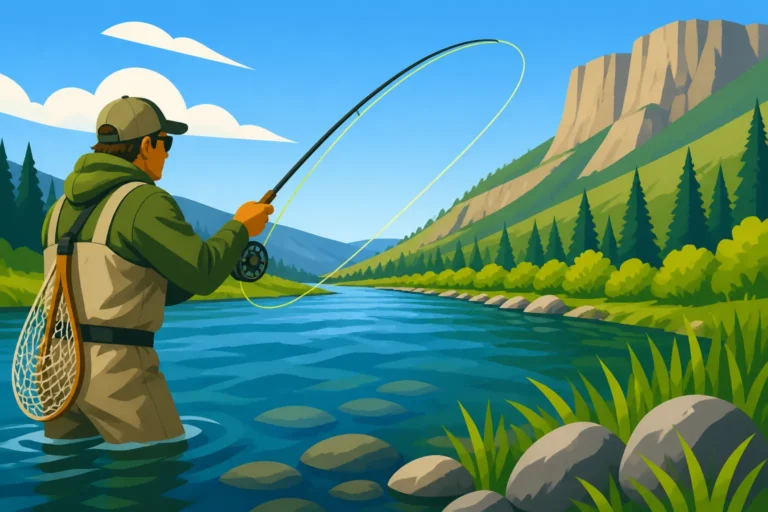
Fly fishing is arguably one of the most effective and enjoyable ways to target mountain whitefish. Their diet consists primarily of aquatic insects, so presenting imitations of nymphs, emergers, and even dry flies can be incredibly productive.
- Nymphing: This is, without a doubt, the most consistent method. Whitefish are bottom feeders, constantly sifting through gravel and rocks for insect larvae and pupae. Small weighted nymphs, often fished in tandem under a strike indicator, are deadly. Popular patterns include the Hare's Ear, Pheasant Tail, Prince Nymph, Copper John, and Zebra Midge, usually in sizes #12-18. Focus on getting your flies down deep and maintaining a good, drag-free drift through current seams, riffles, and the heads of pools. Adding a split shot a foot or so above your flies can help ensure they reach the feeding zone.
- Emergers: During hatches, whitefish will often move higher in the water column to intercept emerging insects. Patterns like a Barr's Emerger, Sparkle Pupa, or a simple soft-hackle wet fly can be very effective when fished just subsurface, especially in slower currents or eddies.
- Dry Flies: While less common, whitefish will absolutely rise to dry flies during a prolific hatch, particularly caddis or mayflies. Their small, suckermouths mean they often create a subtle dimple or slurp rather than a splashy rise. Keep a sharp eye on the surface, and if you see consistent, gentle rises, try a small Parachute Adams, Elk Hair Caddis, or small Trico patterns. This requires a bit more finesse, similar to targeting selective trout on the Henry's Fork for Fly Anglers.
A 4-weight or 5-weight fly rod is perfect, offering enough backbone for fighting fish in current but still sensitive enough to feel those subtle whitefish takes. Use a standard floating fly line and a 9-foot leader tapering to 4x or 5x tippet.
Spin Fishing with Light Tackle
For anglers who prefer spin fishing, mountain whitefish are just as cooperative. The key is to think small and light. They aren't interested in large, flashy lures designed for aggressive predators.
- Small Jigs: Micro-jigs, often tipped with a piece of PowerBait, a small worm, or even a piece of corn, are incredibly effective. Think 1/32 or 1/16 ounce jigs in white, black, olive, or brown. Fish them on ultralight spinning gear, allowing them to drift naturally along the bottom in currents. The lighter the line, the better – 2-4 pound test monofilament or fluorocarbon is ideal for stealth and casting distance with tiny lures.
- Spinners and Spoons: While not always as effective as jigs or bait, small inline spinners (like Panther Martin or Mepps, size #0 or #1) or tiny spoons can sometimes entice a strike, especially in faster water where they flash and wobble attractively. Again, keep them small and retrieve them slowly, just above the bottom.
- Natural Baits: A small piece of a nightcrawler, a few kernels of canned corn (check local regulations on bait use, as per Idaho Rules on Using Live Bait), or a single salmon egg can be irresistible to whitefish. Fish these on a small hook (size #8 to #12) under a bobber or with a small split shot to get them down to the bottom. Let the current carry your bait naturally.
Ultralight spinning rods around 5-6 feet in length, paired with a small spinning reel, will provide the best action and sensitivity for feeling the often delicate whitefish bite. Remember, whitefish bites can be very subtle, sometimes just a slight tap or pressure, so pay close attention.
Reading the Water: Where Whitefish Hide
Understanding where whitefish hold in a river is crucial for consistent success. Like trout, they seek out areas that offer a combination of food, oxygen, and protection from strong currents.
- Riffles and Runs: These are prime whitefish territory. They'll often sit in the slightly slower water just downstream of a riffle, where food is being washed to them, or along the edges of faster runs. The churning water provides excellent oxygenation, and the bottom structure offers places for insects to live. Learning "How to Read a Riffle on an Idaho River" will significantly improve your whitefish catch rates.
- Heads of Pools: Where a faster current spills into a deeper pool, creating a current seam, is a hotspot. Whitefish will stack up in the slightly slower water at the head of the pool, waiting for food to drift by.
- Eddies and Current Breaks: Any feature that breaks the main current, such as a large boulder, log, or even a slight bend in the river, can create an eddy or a slower-water pocket. Whitefish will often congregate in these areas, expending less energy while still having access to drifting food.
- Deeper Channels and Pockets: During colder weather or bright sunny days, whitefish may retreat to deeper sections of the river, so don't overlook those deeper troughs or pockets, especially in larger rivers like the Salmon or Snake.
Table: Popular Whitefish Rivers and Recommended Techniques
| River/Section | Primary Whitefish Technique | Target Depths | Best Seasons | Notes |
|---|---|---|---|---|
| South Fork Snake River | Nymphing (Fly) | 2-8 feet | Year-round | Excellent numbers, often found alongside cutthroat trout. |
| Henry's Fork (Box Canyon) | Nymphing (Fly) | 3-10 feet | Spring, Fall, Winter | Abundant, can be very large. |
| Boise River (City sections) | Nymphing (Fly), Micro-Jigs | 1-6 feet | Year-round | Easily accessible, great for beginners. |
| Clearwater River (Lower/Mid) | Nymphing (Fly), Micro-Jigs | 4-12 feet | Fall, Winter | Good action while targeting steelhead. |
| Salmon River (Middle/Lower) | Nymphing (Fly), Micro-Jigs | 3-15 feet | Year-round | Widespread, often found in gravelly runs. |
| Smaller Mountain Streams | Small Nymphs, Dry Flies | 1-4 feet | Summer, Early Fall | Less pressured, can offer consistent, small fish. |
You can often find local knowledge or even book a guide through services like FishingBooker who might be willing to focus on these underappreciated fish, ensuring you're hitting the right spots with the right gear.
Regulations, Conservation, and Enjoying Your Catch
Responsible angling is about more than just catching fish; it's about understanding the ecosystem, respecting regulations, and ensuring the health of the fishery for future generations. Mountain whitefish are an important part of Idaho's aquatic food web, serving as both predator and prey.
Idaho Fishing Regulations Specific to Whitefish
One of the great aspects of fishing for mountain whitefish in Idaho is that the regulations are generally quite liberal compared to more sensitive species like salmon or steelhead. Typically, there are no closed seasons, and bag limits are generous, often 25 fish per day. However, it is absolutely crucial to consult the latest Idaho Fishing Regulation Brochure and Proclamation before heading out. Regulations can and do change, and specific water bodies or sections of rivers might have unique rules. For instance, some waters may have bait restrictions that would affect your spin fishing choices.
Always make sure you have your valid Idaho Fishing License Guide with you. Even if you're just targeting whitefish, a license is mandatory for all anglers 14 years and older in Idaho. And when fishing, be sure to count your catch accurately and adhere to all daily and possession limits.
Ethical Angling and Sustainable Practices
Even with liberal limits, practicing ethical angling helps maintain healthy whitefish populations. If you plan to release fish, handle them gently with wet hands, keep them in the water as much as possible, and revive them before letting them go. Using barbless hooks can also significantly reduce stress and injury to fish, making release easier and safer for the fish. This is a common practice for many catch-and-release fisheries, and it's a good habit to adopt for all species.
Avoid disturbing spawning whitefish, which typically happens in the fall. While they might not be as iconic as salmon or trout spawning, respecting their reproductive cycles is important. By being mindful of your impact and following best practices, you contribute to a thriving fishery for everyone.
Culinary Delights: Are Whitefish Good to Eat?
Now for the burning question: are mountain whitefish good to eat? Absolutely! This is where many anglers miss out. Mountain whitefish have firm, white, flaky meat with a mild, delicate flavor. Some compare it to a less oily trout or even a freshwater cod. They are not bony, and the meat comes off the frame easily. The mild flavor means they take well to a variety of cooking methods and seasonings.
Common ways to prepare them include pan-frying, baking, or even smoking. Filleting them is straightforward, and their firm flesh holds up well. Many Idaho anglers who have tried them are pleasantly surprised and consider them a delicious addition to their dinner table. So, if you're tired of catching and releasing all day, keeping a few within the legal limits for a fresh fish dinner is a perfectly good option. To learn more about their flavor profile, check out "What Mountain Whitefish Taste Like". You might just find your new favorite table fish.
Disclaimer
Please note that fishing regulations in Idaho can change. Always consult the latest Idaho Fish and Game regulations and proclamations before you go fishing to ensure you are in compliance with all current laws. This guide is for informational purposes only and does not supersede official regulations.