What Idaho’s Kamloops Rainbow Trout Strain Is
Many anglers hear the term "Kamloops" thrown around in Idaho fishing circles, especially when talking about trophy rainbow trout, and it can be a little confusing. It's not just another name for a big rainbow; it refers to a specific, unique strain that has become legendary in certain Idaho waters. This guide aims to clear up the mystery, explaining exactly what Idaho's Kamloops rainbow trout strain is, why it thrives here, and what makes it such a sought-after catch for those looking for a true Idaho fishing adventure.
Understanding the Kamloops Rainbow Trout
Let's dive right in and tackle the big question: what exactly is a Kamloops rainbow trout? In essence, the Kamloops is a specific genetic strain of rainbow trout (Oncorhynchus mykiss) that originated in the interior lakes and rivers of British Columbia, particularly around Kamloops Lake. These aren't some kind of hybrid or a different species; they are pure rainbow trout, but their unique genetic makeup and environment have led them to develop distinct characteristics that make them truly remarkable.
They're known for their impressive size, incredible fighting spirit, and often stunning coloration. Think of it like different breeds of dogs within the same species – a Labrador and a Poodle are both dogs, but they have very different traits. Similarly, Kamloops are rainbows, but they're a particularly robust and impressive "breed."
Origins and Genetic Profile
The history of the Kamloops strain is deeply rooted in the cold, nutrient-rich waters of their native Canadian lakes. Over generations, these trout evolved to thrive in large lake environments where they had access to abundant food sources and ample room to grow. This evolutionary path molded them into efficient predators, capable of reaching sizes far beyond what most river-dwelling rainbow trout achieve. They are genetically predisposed to grow larger and live longer than many other rainbow trout strains, making them a prime target for trophy anglers.
When fisheries biologists began looking for trout strains that could handle large reservoir and lake environments, the Kamloops, with their proven track record, quickly became a top candidate. Their robust nature and ability to forage effectively in open water made them ideal for introduction into similar habitats outside their native range. This is precisely how they found their way into various Idaho waters, establishing a new legacy as a premier sport fish.
Distinctive Physical Characteristics
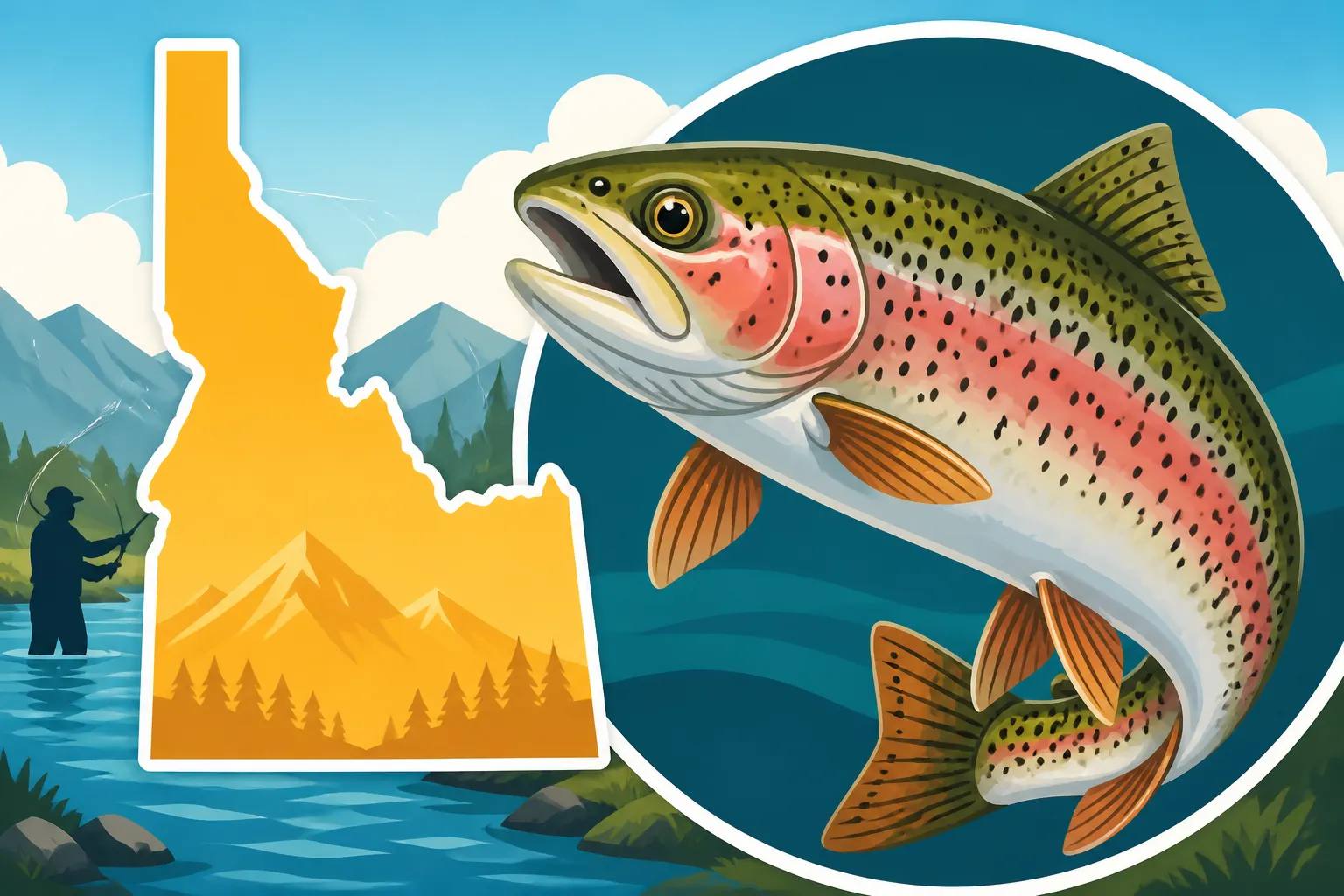
What sets a Kamloops apart visually from other rainbow trout you might catch in Idaho? While they are still rainbow trout and share many general traits, there are often some noticeable differences, especially when they reach larger sizes. For one, their body shape tends to be more torpedo-like and robust, designed for fast swimming in open water. They typically have a vibrant, iridescent sheen, with a prominent pink or red stripe along their lateral line, often more vivid than that of many stocked or wild river rainbows.
Their spots are usually smaller and more numerous, concentrated along the back and tail, sometimes extending down to the lateral line. The tail fin itself can be larger and more forked, giving them extra power for those incredible runs they're famous for. While exact coloration can vary depending on diet and water conditions, their overall impression is one of power, beauty, and often a larger-than-average stature. For anglers hoping to identify these fish, paying attention to these subtle yet significant details can be helpful, though confirming identification can sometimes require a keen eye or the help of a local expert.
Why Kamloops Trout Thrive in Idaho's Waters
Idaho’s diverse aquatic environments, particularly its large, deep lakes and reservoirs, have proven to be exceptionally hospitable to the Kamloops strain. It’s not just a lucky coincidence; specific environmental factors, coupled with strategic management efforts, have allowed these magnificent trout to establish and flourish, creating a world-class fishery.
The story of Kamloops in Idaho is largely centered around one legendary body of water: Lake Pend Oreille. This massive lake in North Idaho provides the perfect combination of depth, cold water, and a robust forage base, mimicking the conditions of their native British Columbia lakes.
The Lake Pend Oreille Connection
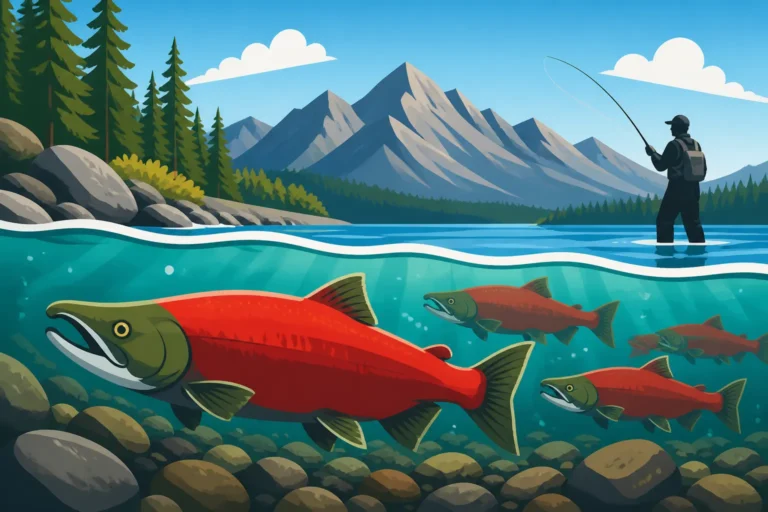
Lake Pend Oreille is truly the epicenter of Kamloops rainbow trout fishing in Idaho. Its immense size and structure—deep trenches, vast open water, and diverse bottom contours—offer ideal habitat for these pelagic fish. But the real key to their success here lies in the lake's abundant population of kokanee salmon. Kokanee are essentially landlocked sockeye salmon and they form the primary food source for the Kamloops in Lake Pend Oreille. These small, protein-rich fish provide the fuel necessary for rainbow trout to grow to truly gargantuan sizes, often exceeding 20 pounds. You can learn more about Why Lake Pend Oreille Grows Such Large Rainbow Trout to understand this dynamic.
Idaho Fish and Game has played a crucial role over the decades, carefully managing the balance between predator (Kamloops) and prey (kokanee) populations, and stocking specific strains of Kamloops to enhance the fishery. This long-term commitment has transformed Lake Pend Oreille into a bucket-list destination for anglers seeking trophy rainbow trout. Without the kokanee, the Kamloops wouldn't have the diet to reach their famous sizes, and without strategic stocking and habitat management, they might not have thrived as they have.
Ideal Habitat Requirements
Kamloops rainbow trout prefer large, deep, cold-water lakes and reservoirs with plenty of open water for chasing baitfish. They are not typically found in small streams or shallow ponds. They need expansive areas to roam and hunt, especially as they mature and grow larger. The depth of places like Lake Pend Oreille provides thermal refuge in warmer months, ensuring the water stays cool enough even when surface temperatures rise. This consistent cold-water access is vital for their survival and growth, as rainbow trout are cold-water species.
Beyond temperature, a healthy ecosystem with a rich food web is non-negotiable. As mentioned, the presence of a strong forage base, like kokanee, is paramount. They also need clean, well-oxygenated water, which Idaho's pristine mountain lakes and rivers often provide. The combination of these factors creates a dynamic and productive environment where the Kamloops can reach their full genetic potential, making the most of Idaho's natural resources.
How Kamloops Trout Differ from Other Rainbows
It's one thing to say Kamloops are a "strain" of rainbow trout, but what does that really mean for an angler? When you're out on the water, what tangible differences might you observe compared to the everyday hatchery rainbow you might catch in a local pond or a wild rainbow from a smaller river? These differences go beyond just size and truly define the Kamloops experience.
Anglers often speak of the "Kamloops fight," and it's not just hype. These fish are renowned for their powerful, acrobatic battles. They're often compared to steelhead, which are anadromous (sea-run) rainbow trout, in terms of their strength and endurance.
Size and Growth Potential
The most striking difference is undoubtedly their size and growth potential. While a typical stocked rainbow trout might top out at a few pounds and a wild river rainbow might reach 15-20 inches in prime habitat, Kamloops are built for extreme growth. In ideal conditions, particularly in Lake Pend Oreille, they can regularly exceed 10 pounds, with fish over 20 pounds being caught with thrilling frequency. The current state record rainbow trout, a true giant, came from Lake Pend Oreille, showcasing the incredible potential of this strain.
This massive size is a direct result of their genetic predisposition and the abundant kokanee salmon diet. They grow fast and live long, allowing them to pack on pounds year after year. For anglers, this means the possibility of hooking into a truly monstrous fish, one that can make your reel scream and your arms ache in the best possible way. This pursuit of exceptional size is a major draw for those who travel to Idaho specifically for these fish.
Fighting Characteristics
If you've ever hooked into a Kamloops, you know this difference firsthand. Their fight is legendary. Unlike some trout that might make a few strong runs and then give up, Kamloops are known for their sustained, powerful battles. They'll often make blistering runs across the lake, peel off line at an alarming rate, and incorporate spectacular aerial acrobatics. They jump, they head shake, and they'll try every trick in the book to throw the hook.
This isn't just about strength; it's about endurance and a wild, untamed spirit. Fighting a large Kamloops requires skill, patience, and appropriately matched gear. They demand respect and will test an angler's tackle and resolve like few other freshwater fish. It's an experience that leaves you breathless and often with a story you'll be telling for years. For techniques on landing these titans, checking out How to Catch Rainbow Trout at Lake Pend Oreille can provide valuable insights.
Habitat Preferences Compared
While many rainbow trout can be found in a variety of environments, from small mountain streams to medium-sized rivers, Kamloops show a strong preference for large, deep lake and reservoir environments. They are pelagic, meaning they often suspend in the open water column, actively chasing schools of baitfish rather than holding in structure or current like many river trout. This contrasts sharply with a brook trout that might prefer a small, cold, high-elevation stream or a brown trout that might lurk near submerged logs in a larger river.
This preference impacts fishing strategies significantly. You're less likely to find them tucked under a log or rising to a dry fly in a shallow riffle. Instead, they require techniques that cover large expanses of water and target suspended fish, which often means specialized gear and approaches. This habitat preference reinforces their unique identity within the broader rainbow trout family.
Fishing for Idaho's Kamloops Rainbows
So, you're ready to try your hand at catching one of these magnificent fish? Be prepared for an exhilarating challenge! Fishing for Idaho's Kamloops rainbow trout, especially those trophy specimens in Lake Pend Oreille, requires specific techniques, appropriate gear, and often a good dose of patience. It's a different game than casting spinners for small stream trout.
The quest for a monster Kamloops often becomes a multi-day affair, sometimes a lifetime pursuit. It's about understanding the fish, the water, and having the right tools for the job.
Essential Gear and Tackle
Given their size and fighting prowess, standard trout gear simply won't cut it for large Kamloops. You'll need heavier tackle that can withstand the incredible strain of a powerful fish. Here’s a breakdown of what you might consider:
- Rods: Medium to heavy action trolling rods, typically 7-9 feet long, are ideal. These rods have enough backbone to handle large fish and absorb their powerful runs.
- Reels: High-capacity baitcasting or level-wind reels are preferred, loaded with plenty of strong line. A good drag system is absolutely critical. You might even find some excellent options for these specialized reels on Amazon, often with great reviews from other trophy anglers.
- Line: Monofilament line in the 15-25 lb test range is common, but many anglers opt for braided line with a fluorocarbon leader for increased sensitivity and strength. Consider checking Amazon for bulk spools of quality braided or fluorocarbon line; having extra is never a bad idea when these fish are on the line.
- Downriggers: These are essential for consistently getting your lures down to the precise depths where Kamloops are feeding on kokanee.
- Lures/Bait: Plugs, spoons, and flies designed to imitate kokanee are highly effective. Favorites include Rapalas, Brads Super Baits, and various trolling flies. For a deep dive into options, Best Bait and Lures for Idaho Fishing can offer more specific recommendations.
Effective Fishing Techniques
The primary method for targeting Kamloops in large lakes like Lake Pend Oreille is trolling. This involves using a boat to pull lures or bait at specific speeds and depths.
- Trolling with Downriggers: This is the most effective way to present your lure at the exact depth where the kokanee are schooled, and thus, where the Kamloops are feeding. You'll need a good fish finder to locate schools of kokanee and then set your downriggers to put your lures right in their vicinity. Varying your trolling speed and experimenting with different lure colors and sizes can be key to finding what the fish prefer on any given day. More specific details can be found in Idaho Trolling Techniques Guide.
- Planer Boards: These can be used to spread out multiple lines, covering a wider area and increasing your chances of finding actively feeding fish.
- Still Fishing: While less common for large Kamloops, some anglers have success still fishing with bait (like chunks of herring or even kokanee) in areas where schools of kokanee are holding. However, for active hunting of trophy fish, trolling remains king.
Remember, patience is paramount. These fish can be elusive, and covering a lot of water at the right depth is often the secret to success.
Prime Locations and Seasons
While Kamloops are occasionally stocked in other Idaho waters, Lake Pend Oreille is the undisputed champion for trophy-sized specimens. If you're chasing that monster rainbow, this is where you need to be. Other large reservoirs might hold decent populations, but none compare to Pend Oreille. You can find more details about fishing this lake in Fishing Lake Pend Oreille for Rainbow Trout.
The best seasons for targeting Kamloops often revolve around water temperatures and the kokanee spawn.
- Spring (Ice-Out through June): As the ice melts and water temperatures rise, Kamloops become very active, feeding heavily after a long winter. This can be an excellent time for aggressive fish.
- Summer (July-August): While still catchable, the fish often move deeper to find cooler water. Early mornings and late evenings can be productive, and downriggers are absolutely essential to reach their depths.
- Fall (September-November): Many anglers consider fall to be the prime time, especially as kokanee begin their spawning migrations. The Kamloops follow these schools, becoming highly concentrated and aggressive. This is when some of the biggest fish of the year are often caught.
- Winter (Ice Fishing – where applicable): In some smaller, shallower lakes where Kamloops are stocked, ice fishing can be productive. However, on Lake Pend Oreille, open-water trolling continues into the colder months until ice-up.
Always check the latest Idaho Fishing Regulations Explained and Idaho Fishing Season Dates and Limits before heading out, as rules and seasons can change. Planning a trip to one of the Best Lakes for Fishing in Idaho will greatly increase your odds of success.
| Feature | Kamloops Rainbow Trout (Idaho Strain) | Typical Hatchery Rainbow Trout | Wild River Rainbow Trout (Idaho) |
|---|---|---|---|
| Average Size | Often 5-20+ lbs, can exceed 30 lbs in Pend Oreille | 8-16 inches (0.5-2 lbs) when stocked | 10-20 inches (1-3 lbs), some larger in prime spots |
| Growth Rate | Very fast, genetically predisposed for large size | Moderate, limited by genetics and food availability | Moderate, limited by stream productivity and genetics |
| Fighting Style | Extremely powerful, long runs, frequent jumps, acrobatic | Short, strong bursts; may jump, but less sustained | Strong, spirited fight, often staying in current |
| Preferred Habitat | Large, deep, cold lakes/reservoirs with abundant forage | Ponds, lakes, rivers (often newly stocked areas) | Cold, clear rivers and streams, often with riffles and pools |
| Diet | Primarily pelagic baitfish (kokanee salmon) | Pellets, insects, small minnows, crustaceans | Insects (aquatic and terrestrial), small minnows, sculpins |
| Life Span | Longer (5-10+ years) | Shorter (1-3 years in the wild after stocking) | Moderate (3-6 years, depending on habitat) |
| Appearance | Often more vibrant, torpedo-shaped, numerous fine spots | Variable, can be stocky, fins sometimes worn | Lean, streamlined, vivid coloration, strong fins |
Disclaimer
This article is for general informational purposes only and does not constitute professional advice. Laws, prices and regulations vary by location and change over time. Consult a qualified professional for guidance on your specific situation.