Idaho’s Most Remote Fishing Water
There's a special kind of angler out there, one who isn't just looking for a fish, but for an experience—the quiet hum of the wilderness, the challenge of a truly wild fish, and the sheer satisfaction of knowing you've earned every cast. If you've ever felt the pull of the backcountry, tired of crowded riverbanks, or dreamed of a fishing trip where the only sounds are the wind and the water, then you know the struggle of finding those truly remote spots. This guide is dedicated to unlocking the secrets of Idaho's most remote fishing waters, helping you plan an unforgettable journey into the heart of its wild beauty.
Understanding What "Remote" Means for Idaho Fishing
When we talk about "remote" fishing in Idaho, we're not just talking about driving a few extra miles down a gravel road. We're talking about places where the pavement ends, often where the gravel ends, and sometimes even where the trail ends. These are waters that require effort to reach, often involving significant hikes, pack trips, or even float plane access. But that effort is precisely what preserves their pristine nature and incredible fishing opportunities.
Beyond the Road System: True Wilderness Access
Idaho boasts some of the largest contiguous wilderness areas in the Lower 48, like the Frank Church-River of No Return Wilderness, the Selway-Bitterroot Wilderness, and the Gospel Hump Wilderness. These vast landscapes are specifically managed to remain roadless, providing an unparalleled opportunity for solitude. Fishing here means you'll likely be backpacking for days, riding horseback with a packer, or flying into a designated backcountry airstrip, then perhaps hiking further still. You won't find cellular service, developed campgrounds, or even well-maintained trails in many areas. This type of access truly sets these remote waters apart; they demand self-reliance and a commitment to the wild experience.
Defining Solitude and Unpressured Waters
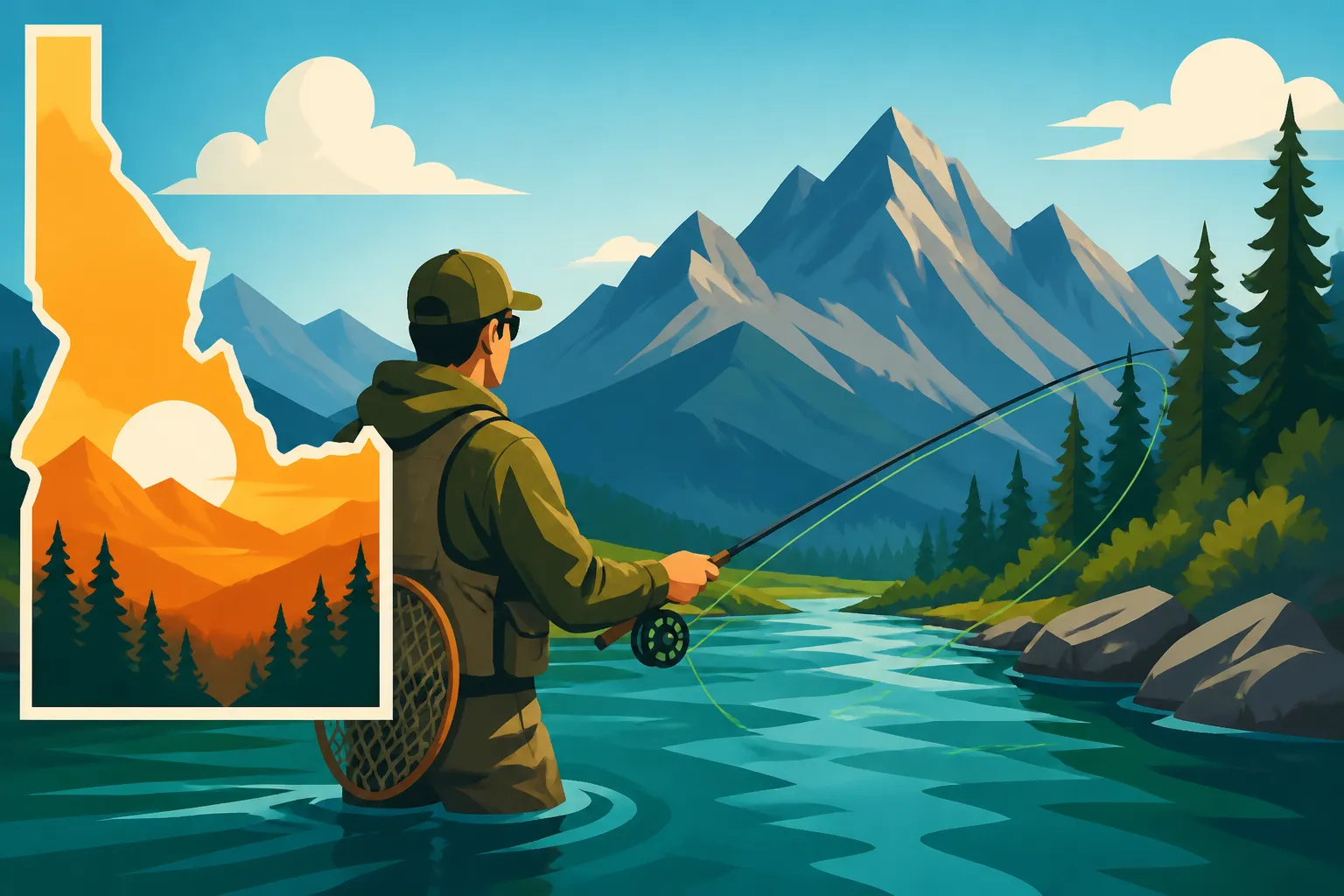
The reward for this effort is genuine solitude. Imagine casting into a clear, cold stream or a glassy alpine lake, knowing that you might be the only person to fish that spot all week, or even all month. The fish in these waters are often less pressured, more willing to take a well-presented fly or lure, and frequently native species that haven't been influenced by hatchery programs. These are the places where you can truly connect with nature and the sport, free from the distractions and crowds that plague more accessible locations. The unpressured nature of the fish also often means healthier populations and stronger, more vibrant trout.
Premier Destinations for Remote Fishing in Idaho
Idaho is a treasure trove of remote fishing opportunities, each offering its own unique challenges and rewards. From crystal-clear alpine lakes nestled in glaciated cirques to wild rivers carving through deep canyons, the options are as varied as they are breathtaking. Knowing where to start your search is key.
The Allure of High Mountain Lakes in the Sawtooths and Frank Church Wilderness
High mountain lakes are perhaps the quintessential remote fishing experience in Idaho. The Sawtooth Wilderness, easily accessed from towns like Stanley or Grandjean, is home to hundreds of these sapphire gems, many teeming with vibrant trout. Lakes like Alice Lake, Toxaway Lake, or Profile Lake in the Sawtooths often require a strenuous day hike or an overnight backpacking trip to reach. The effort is rewarded with breathtaking scenery and feisty populations of Westslope Cutthroat Trout and Rainbow Trout, and sometimes even Brook Trout. These fish are often smaller but incredibly beautiful and eager to strike. For an even deeper dive into these aquatic paradises, check out our guide on the Best High Mountain Lakes in Idaho for Fishing.
Further north, within the massive Frank Church-River of No Return Wilderness, the high mountain lake experience takes on an even wilder character. Access often involves multi-day pack trips or flights into remote airstrips like those near Big Creek or Taylor Ranch, followed by significant hikes. These lakes offer truly isolated angling for native cutthroat and even Golden Trout in some rare instances. You'll need to be completely self-sufficient and prepared for any weather conditions.
Untouched Stretches of the Middle Fork of the Salmon River
The Middle Fork of the Salmon River is arguably the crown jewel of Idaho's wilderness rivers. Flowing 100 miles through the heart of the Frank Church-River of No Return Wilderness, it's a designated Wild and Scenic River. Fishing here is almost exclusively done as part of a multi-day float trip, either via whitewater raft or drift boat, often with a licensed outfitter. Permits are highly sought after and must be reserved far in advance, sometimes through a lottery system.
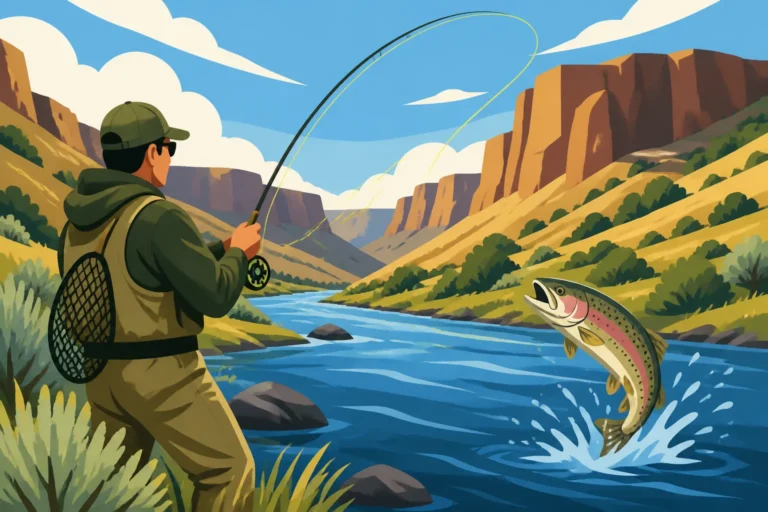
The Middle Fork is world-renowned for its incredible dry fly fishing for native Westslope Cutthroat Trout, but it also holds Rainbow Trout and Bull Trout. The sheer remoteness means minimal angling pressure, and the fish are often aggressive. Imagine casting to rising cutthroat with no other anglers in sight for miles, surrounded by towering canyon walls and abundant wildlife. It's an experience that transcends mere fishing and becomes a profound connection with an untouched ecosystem. Our guide on Fishing the Middle Fork of the Salmon River delves deeper into what makes this river so special.
Exploring Hidden Gems in the Selkirk and Bitterroot Mountains
While the Sawtooths and Middle Fork get a lot of attention, other mountain ranges in Idaho offer fantastic, less-traveled remote fishing. The Selkirk Mountains in Idaho's panhandle, particularly around Priest Lake, hold numerous remote lakes and streams. Some of these require serious bushwhacking or long traverses through dense forests, leading to waters that might see only a handful of visitors each year. These can offer opportunities for Cutthroat Trout, Rainbow Trout, and even native Bull Trout in certain drainages, though Bull Trout are strictly catch-and-release and require careful handling.
Similarly, the Idaho side of the Bitterroot Mountains, bordering Montana, provides access to rugged terrain and forgotten alpine lakes. These areas are harder to navigate and often require extensive research and advanced navigational skills. Lakes here might contain colorful Brook Trout or small, scrappy cutthroat that have never seen an artificial fly. Finding these spots takes dedication, but the reward of a truly undiscovered fishing hole is immense.
Essential Preparations for Remote Idaho Fishing Expeditions
Embarking on a remote fishing trip in Idaho isn't like heading to your local stocked pond. It requires meticulous planning, the right gear, and a strong understanding of safety protocols. The wilderness is beautiful but unforgiving, and being unprepared can quickly turn an adventure into a dangerous situation.
Planning Your Trip: Logistics, Permits, and Timing
Research is paramount. Before you even think about packing your bag, you need to know where you're going, how you're getting there, and what permits you'll need.
- Permits: For wilderness areas, you might need wilderness permits, which can sometimes be self-issued at trailheads, but for popular river floats like the Middle Fork, a highly competitive lottery system is in place. Always check the specific land management agency (e.g., US Forest Service, Idaho Department of Fish and Game) for current regulations. Knowing the Idaho Fishing Permits and Stamps Explained will be crucial.
- Access: Is it a hike-in, pack-in, or fly-in spot? If it's a pack trip, booking an outfitter well in advance is essential. If flying in, coordinate with an air charter service.
- Timing: Idaho's high country is typically snowed in until late June or early July, and snow can return in September. Optimal fishing for high mountain lakes usually runs from mid-July to late August. River conditions, especially during spring runoff, can drastically impact accessibility and fishing success. Consult resources like Idaho Fishing Season Dates and Limits to align your trip with peak conditions.
- Navigation: You cannot rely on GPS alone. Bring detailed topographic maps and a compass, and know how to use them. A satellite communication device (like a Garmin inReach or Zoleo) for emergencies is also highly recommended, as cell service will be nonexistent.
Gear and Supplies for Self-Sufficiency
When you're miles from the nearest road, every item in your pack needs to count. Weight and versatility are key.
- Fishing Gear: Light and packable rods are a must. A 4- or 5-weight fly rod is ideal for most mountain lakes and small streams, while a 6- or 7-weight might be better for larger rivers or bigger fish. Pack an assortment of flies (dry flies, nymphs, streamers), leaders, tippet, and tools. If spin fishing, bring lightweight ultralight spinning gear with a variety of small spinners, spoons, and soft plastics. Don't forget a net!
- Camping Gear: A lightweight tent, sleeping bag rated for colder mountain nights (even in summer), and a compact cooking system are essential. Bear-resistant food canisters or Ursacks are often required or highly recommended, especially in areas with grizzly bears (mostly in eastern Idaho and the Panhandle).
- Clothing: Layering is crucial. Be prepared for sun, rain, and sudden temperature drops, even if the forecast looks clear. Wicking base layers, a warm mid-layer (fleece or down), and waterproof outer shells are non-negotiable. Sturdy hiking boots that are well broken-in are also vital.
- Food and Water: Pack enough high-energy, lightweight food for the duration of your trip, plus an extra day or two's worth for emergencies. A reliable water filter or purification tablets are absolutely essential, as you'll be relying on natural water sources.
- First Aid: A comprehensive first-aid kit is critical. Include blister treatment, pain relievers, wound care, and any personal medications. Knowing basic wilderness first aid could be a lifesaver.
- Navigation: As mentioned, map, compass, and a reliable satellite messenger.
Here's a quick comparison of typical gear needs for remote trips:
| Item Type | High Mountain Lake Trip (Backpack) | Middle Fork Float Trip (Outfitter) |
|---|---|---|
| Fishing Rods | 4-5 wt fly rod (packable), ultralight spin rod | 5-7 wt fly rod, medium spin rod |
| Flies/Lures | Assorted dries, nymphs, small spoons/spinners | More variety, larger dries/streamers for big water |
| Shelter | Lightweight backpacking tent | Provided by outfitter (usually larger tents) |
| Sleeping Bag | Lightweight, 15-30°F rated | Often provided or rent from outfitter |
| Cooking | Compact backpacking stove, dehydrated meals | Provided by outfitter (gourmet meals often) |
| Water Filter | Essential (Katadyn BeFree, Sawyer Squeeze) | Often provided, but personal filter is a good backup |
| Navigation | Topo maps, compass, satellite messenger | Outfitter handles primary navigation; personal backup useful |
| First Aid | Comprehensive personal kit | Outfitter carries group kit; personal meds essential |
| Footwear | Sturdy hiking boots, camp shoes | River sandals/wading boots, camp shoes |
| Clothing | Layers for all weather, waterproof shells | Similar layers, quick-dry fabrics emphasized |
| Bear Protection | Bear canister/Ursack for food | Outfitter typically handles food storage |
| Weight Priority | EXTREMELY high, every ounce counts | Less critical for personal gear (boats carry bulk) |
For more detailed packing lists, especially for multi-day excursions, consult guides like What to Pack for a Multi-Day Fishing Trip and What Gear to Pack for a Sawtooth Backcountry Fishing Trip.
Safety Considerations and Emergency Planning
The greatest danger in remote areas is often complacency. Assume you will encounter challenges and plan for them.
- Wildlife: Idaho is home to black bears, grizzly bears (primarily in the Yellowstone ecosystem and some northern panhandle areas), moose, and mountain lions. Carry bear spray, know how to use it, and understand bear country etiquette (food storage, making noise).
- Weather: Mountain weather can change in an instant. Hypothermia is a real threat even in summer. Always check the forecast but be prepared for the worst. Lightning can be deadly in exposed areas.
- Terrain: Steep, rocky trails, river crossings, and dense brush can be physically demanding and dangerous. Evaluate your physical fitness honestly.
- Communication: As mentioned, a satellite communication device is a non-negotiable safety item. It allows you to call for help even without cell service. Ensure someone knows your itinerary and expected return time.
- Solo vs. Group: While solo trips offer ultimate solitude, traveling with a partner or group significantly increases safety in remote settings.
Booking with a reputable outfitter, especially for river trips, can significantly mitigate many of these risks. Many fantastic guides are listed on platforms like FishingBooker, which can help you find experienced professionals for trips on the Middle Fork, Selway, or other remote rivers.
Ethical Angling and Conservation in Idaho's Backcountry
Fishing in Idaho's remote waters comes with a profound responsibility: to protect and preserve these pristine environments for future generations. These aren't just fishing spots; they're delicate ecosystems that can be easily impacted by thoughtless actions.
Leave No Trace Principles in Wilderness Fishing
Adhering to Leave No Trace principles is fundamental in any wilderness setting, but especially so in remote fishing areas.
- Plan Ahead and Prepare: This covers much of what we just discussed—knowing regulations, bringing the right gear, and preparing for emergencies.
- Travel and Camp on Durable Surfaces: Stick to established trails where they exist. When off-trail, spread out to minimize impact. Camp at least 200 feet from water sources.
- Dispose of Waste Properly: Pack it in, pack it out. This includes all trash, food scraps, and even fish guts (pack them out or dispose of them deep in fast-moving water). Dig cat holes for human waste at least 6-8 inches deep and 200 feet from water.
- Leave What You Find: Don't take natural objects, alter sites, or build structures.
- Minimize Campfire Impacts: Use established fire rings where allowed, keep fires small, and ensure they are completely out. In many remote areas, fires may be prohibited or strongly discouraged due to risk. Consider a stove for cooking.
- Respect Wildlife: Observe from a distance, never feed animals, and store food securely.
- Be Considerate of Other Visitors: While solitude is the goal, if you do encounter others, give them space and respect their experience.
Understanding Special Regulations and Sensitive Species
Many of Idaho's remote waters are home to sensitive native species like Westslope Cutthroat Trout, Bull Trout, or rare populations of Arctic Grayling. These species often have special regulations designed to protect them.
- Catch and Release: For certain species, like Bull Trout, fishing is strictly catch-and-release, often requiring barbless hooks and minimal handling. Make sure you know how to identify these species and release them safely. Our guide on Westslope Cutthroat Trout in Idaho provides more context on this native species.
- Barbless Hooks: In many special regulation waters, barbless hooks are mandatory to minimize harm to fish. Always check the current Idaho Fishing Regulations Explained before heading out.
- Bag Limits: Even for species you can keep, daily and possession limits in remote areas might be different or more restrictive than in more accessible waters. Only keep what you can realistically eat and transport without spoilage.
- Fish Handling: Practice good catch-and-release techniques: minimize air exposure, keep fish wet, handle them gently with wet hands, and revive them thoroughly before release. This is especially critical for wild fish that may not recover easily from poor handling.
When planning your trip, consider checking the Idaho Fish and Game website or local Forest Service offices for specific, hyper-local regulations for your chosen area. These rules can change frequently based on fish populations and environmental conditions.
Disclaimer
Please note that fishing conditions, regulations, and access can change rapidly in Idaho. Always consult the latest Idaho Department of Fish and Game regulations and local land management agencies (e.g., U.S. Forest Service) before planning any fishing trip. Safety in the backcountry is your responsibility; be prepared and informed.