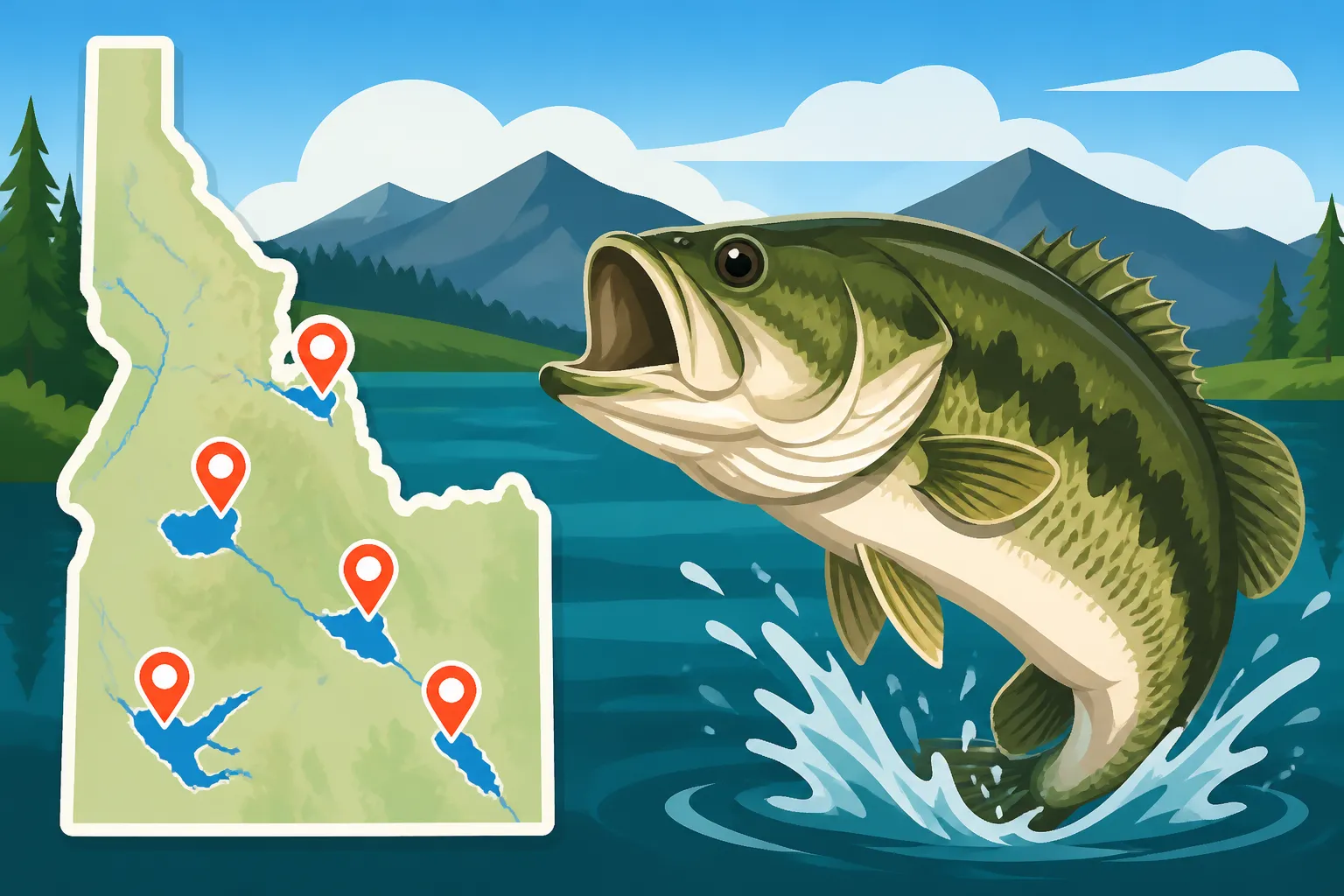
Where Largemouth Bass Are Most Common in Idaho
It can be incredibly frustrating to hear about all the fantastic bass fishing happening in other states, only to feel like Idaho is solely a trout and steelhead haven. While our cold, clear rivers certainly shine for those species, many anglers overlook the incredible largemouth bass opportunities tucked away in warmer waters across the Gem State. This guide is here to shed light on exactly where you can find those elusive bucketmouths and how to successfully target them, giving you the inside scoop on Idaho's often-underestimated largemouth bass fishery.
Understanding Idaho's Largemouth Bass Landscape
Idaho is renowned for its majestic mountains, pristine rivers, and incredible salmonid fisheries. Because of this, largemouth bass often take a backseat in the public consciousness, sometimes even leading anglers to believe they aren't really a "thing" here. But that couldn't be further from the truth! While they might not dominate every water body, understanding the unique environmental factors at play helps us pinpoint their prime locations.
Why Largemouth Bass Aren't Everywhere in Idaho
The simple truth is that much of Idaho's landscape, particularly the mountainous regions and high-elevation lakes, is just too cold for largemouth bass to thrive. These fish prefer warmer water, typically above 60 degrees Fahrenheit, for optimal spawning, feeding, and growth. Our snow-fed rivers and deep, glacial lakes are often below this threshold for significant portions of the year, making them unsuitable for robust largemouth populations. Instead, these waters are tailor-made for species like trout, salmon, and steelhead, which have adapted to colder conditions and swift currents. This ecological reality means that largemouth bass in Idaho are largely confined to specific types of water bodies that can maintain consistent warmth throughout their active seasons, or those that offer unique microclimates.
Key Characteristics of Ideal Largemouth Habitat in Idaho
So, if not everywhere, then where? Largemouth bass are ambush predators, and their ideal habitat is defined by two primary factors: warmth and structure. In Idaho, this usually translates to shallower, nutrient-rich waters that absorb and retain heat more effectively. Think reservoirs, slow-moving river backwaters, farm ponds, and smaller lakes that don't have a constant influx of icy mountain runoff.
Within these warmer water bodies, largemouth crave cover. They love to hide, waiting for unsuspecting prey to swim by. This means you'll find them lurking around submerged vegetation like lily pads, cattails, and hydrilla. Woody debris such as fallen trees, submerged stumps, and brush piles are also prime real estate. Rock piles, riprap along dam faces, and even man-made structures like docks and bridge pilings provide excellent ambush points. These features not only offer cover from predators and direct sunlight but also attract baitfish, creating a perfect ecosystem for largemouth to flourish. Understanding these preferences is key to success, whether you're fishing a well-known lake or exploring a new pond.
Top Regions for Largemouth Bass in Idaho
Idaho might be big, but when it comes to consistently good largemouth bass fishing, a few regions really stand out. These areas tend to have the right combination of climate and water bodies to support healthy populations of these feisty fish. It's not always about finding the deepest, coldest water here; often, it's the opposite!
Southwestern Idaho's Warmer Waters
If you're looking for Idaho's largemouth bass hotspots, the southwestern part of the state, particularly around the Treasure Valley (Boise, Nampa, Caldwell), is your best bet. This region generally experiences warmer, longer summers compared to the higher elevations, which translates to more consistent water temperatures that largemouth bass absolutely love. The lower elevation rivers, like sections of the Snake River, slow down enough to create backwaters and oxbows perfect for bass.
Beyond the rivers, this area is dotted with numerous reservoirs and smaller ponds that are specifically managed for warmwater species. These impoundments often have extensive shallow flats, coves, and submerged vegetation, which are quintessential largemouth bass habitat. Think about places like Lake Lowell, which is practically synonymous with largemouth fishing for local anglers. You'll also find community ponds and irrigation reservoirs, often overlooked, that can hold surprising numbers of quality bass. These waters are typically more accessible and offer a great option for an afternoon outing or for introducing new anglers to the sport. Good Fishing Within an Hour of Boise details many of these easily accessible spots.
Panhandle's Lakes and Backwater Areas
While North Idaho is famous for its stunning, deep, and cold lakes known for lake trout and kokanee, it also holds some respectable largemouth bass fisheries, especially in its shallower bays and specific lake systems. The northernmost part of the state, with lakes like Coeur d'Alene, Hayden Lake, and Pend Oreille, actually has significant warm, shallow areas. These zones, particularly in protected coves, river deltas, and backwater sloughs, heat up nicely in the summer and provide ample cover.
For example, the shallower southern end of Lake Coeur d'Alene, or specific arms and bays of Hayden, can be excellent. These areas often feature extensive weed beds, lily pads, and submerged timber, all perfect hideouts for largemouth. You might not find largemouth bass throughout the entire lake, but if you focus on these specific warm, shallow, and structured areas, you'll be pleasantly surprised. It takes a bit more searching than in Southwest Idaho, but the rewards can be substantial, often with less fishing pressure from bass-specific anglers.
Southern and Eastern Idaho's Isolated Pockets
Southern and Eastern Idaho are typically known for high-desert landscapes, potato farms, and world-class trout streams like the Henry's Fork. Largemouth bass might not be the flagship species here, but that doesn't mean they're entirely absent. You'll find them in more isolated pockets, usually in smaller, warmer irrigation reservoirs, canals, and farm ponds that dot the agricultural lands.
These fisheries are often less publicized and can be diamonds in the rough. They typically don't see the same fishing pressure as the more famous trout waters or even the larger bass lakes further west. Access might be more limited, sometimes requiring permission from landowners if it's a private pond. However, for those willing to explore, these smaller waters can yield some impressive largemouth, particularly because they might be less disturbed. Finding these spots often comes down to local knowledge or a good map study, looking for those smaller, shallow impoundments that warm up quickly and hold water consistently throughout the season.
Specific Waters Known for Largemouth Bass
Let's dive into some of the specific locations that consistently produce quality largemouth bass in Idaho. These are the places that often come up when local bass anglers swap stories, and for good reason – they offer the habitat and forage bass need to thrive.
Lake Lowell
Without a doubt, Lake Lowell near Nampa is one of Idaho's premier largemouth bass destinations. This large, shallow reservoir, part of the Deer Flat National Wildlife Refuge, is almost entirely warm water habitat. It's relatively shallow throughout, with extensive weed beds and submerged vegetation, especially during the summer months. The entire lake is essentially a haven for largemouth, providing abundant cover, structure, and forage.
Anglers here often find success pitching jigs, worms, and spinnerbaits into the thick cover, or working topwater lures over the mats of vegetation during low-light conditions. The lake's irregular shoreline with numerous coves and points offers endless opportunities to explore. While it can get busy, especially on weekends, its vastness means there's always a new corner to discover. If you're new to Idaho bass fishing, Lake Lowell is an excellent place to start, offering a very "bass-y" experience compared to some of our other waters. Fishing Lake Lowell Near Nampa has more detailed insights for this spot.
C.J. Strike Reservoir
C.J. Strike Reservoir, located on the Snake River, is another fantastic warmwater fishery that boasts a healthy population of largemouth bass, alongside smallmouth bass and crappie. Unlike some of the shallower ponds, C.J. Strike offers a diverse range of habitats, from rocky bluffs and deep channels to expansive shallow flats and submerged brush piles. The reservoir's unique character, with its confluence of the Snake and Bruneau rivers, creates varied current and temperature zones.
Largemouth tend to concentrate in the warmer, shallower coves and arms, especially those with flooded timber or dense weed growth. The numerous islands and rocky points also provide excellent ambush spots. Anglers often target largemouth here with crankbaits, jigs, and soft plastics fished around structure. The diversity of cover means you can employ various techniques, making it a great place to experiment. Just be mindful of the often-present wind, which can make boat control a challenge on this larger body of water. Best Coves on C.J. Strike Reservoir for Bass offers specific recommendations for targeting bass here.
Brownlee Reservoir
Stretching along the Idaho-Oregon border, Brownlee Reservoir is the largest of the three Hells Canyon Complex reservoirs and is widely regarded as one of the best bass fisheries in the Northwest. While it's particularly famous for its smallmouth bass, Brownlee also holds an excellent population of largemouth, especially in its upper reaches and numerous protected coves and backwaters. The reservoir is known for its dramatic canyons, but within these steep walls are countless submerged rock piles, ledges, and areas of flooded timber that create prime largemouth habitat.
The warmer, shallower sections of Brownlee, particularly those with reduced current, provide ideal conditions for largemouth. They love to hide out in the flooded brush and rock crevices, ambushing baitfish. Fishing here often involves working jigs, Texas-rigged worms, or lipless crankbaits along the contours and through submerged structure. The sheer size and rugged beauty of Brownlee make it an incredible destination for a multi-day fishing adventure, and you might even find some impressive crappie and channel catfish in the same areas.
Smaller Ponds and Community Fisheries
Don't overlook the smaller, unassuming waters scattered across the state, especially in urban and suburban areas. Idaho has a fantastic network of community ponds and small irrigation reservoirs, many of which are regularly stocked with rainbow trout but also often contain naturally reproducing populations of warmwater species, including largemouth bass. These ponds are typically shallower, warm up quickly, and can provide excellent, accessible fishing.
Think about places like Esther Simplot Park ponds in Boise, Kleiner Park Pond in Meridian, or even countless farm ponds throughout the agricultural valleys. These smaller waters often have shoreline vegetation, docks, or other man-made structures that largemouth gravitate towards. They are perfect for a quick evening trip or for taking kids out, offering a high chance of success without needing a boat. Checking local Idaho Fish and Game stocking reports can sometimes reveal which of these ponds also support warmwater fisheries. You'd be surprised how many great largemouth bass can lurk in these easily overlooked spots. Many of these spots are listed in Small Ponds Near Boise.
Seasonal Considerations for Idaho Largemouth Bass Fishing
Just like with any species, timing is everything when it comes to largemouth bass in Idaho. Their behavior, where they hold, and what they're willing to bite changes dramatically with the seasons. Understanding these patterns will significantly increase your chances of success.
Springtime Strategies
Spring is arguably one of the most exciting times to target largemouth bass in Idaho. As water temperatures begin to rise, typically from April through June depending on the specific water body and elevation, the bass start to shake off their winter lethargy and move into shallower waters. This is the pre-spawn and spawning period, characterized by increased activity as they prepare to reproduce.
During pre-spawn, bass are often actively feeding, trying to pack on weight before the rigors of spawning. Look for them in transitional areas between deep and shallow water, such as points, submerged humps, and the edges of weed beds. Crankbaits, spinnerbaits, and lipless crankbaits can be incredibly effective during this aggressive feeding phase. As the water warms further, usually into the mid-50s to low 60s Fahrenheit, bass will move onto their spawning beds in very shallow, protected coves. When they're on beds, sight fishing with soft plastics or jigs can be very productive, but remember to practice responsible catch and release to protect these crucial breeding fish.
Summer Patterns
Idaho summers can get quite warm, and as water temperatures climb into the 70s and even 80s in some reservoirs, largemouth bass will adjust their behavior. They'll often seek refuge from the intense sun and heat in deeper, cooler water, or burrow into dense cover that provides shade. This means you might find them pulled tight into thick weed mats, under lily pads, around flooded timber, or suspended over deeper structure.
Topwater lures can still be explosive during early mornings and late evenings when the water surface is cooler. During the heat of the day, however, you'll need to go to them. Flipping and pitching jigs or heavy Texas-rigged soft plastics into dense cover is a classic summer tactic. Deeper diving crankbaits and Carolina rigs can also entice bass holding on submerged humps or drop-offs. The key is to fish slowly and thoroughly, targeting those areas of shade and cover where bass can escape the summer sun. Best Time of Day to Fish in Idaho During Summer Heat will give you more insight into adjusting your schedule for warmer conditions.
Fall Transition
As summer fades into fall, and water temperatures begin to cool, largemouth bass enter another active feeding period. This is often referred to as the "fall turnover" or the "fall bite," as bass feed aggressively to build up fat reserves for the lean winter months ahead. They become much more accessible again, moving out of their deep summer haunts and spreading out into various depths.
During early fall, you might find them still relating to deeper weed lines or points, but as temperatures continue to drop, they'll follow baitfish into shallower bays and flats. Crankbaits, spinnerbaits, and jerkbaits are excellent choices for covering water and finding active fish. Later in the fall, as temperatures dip further, bass will start to congregate in deeper pockets, channels, or around significant submerged structure, making jigs and slow-fished soft plastics more effective. This transitional period can offer some of the most consistent and exciting bass fishing of the year, as fish are often willing to chase down a variety of presentations.
Essential Gear and Tactics for Idaho Largemouth
Having the right tools and knowing how to use them can make all the difference when chasing Idaho's largemouth bass. While the basic principles of bass fishing apply, a few specific considerations can really help you dial in your approach for our unique waters.
Rods, Reels, and Line Choices
For largemouth bass, versatility is key, but so is power. You'll want a rod and reel setup that can handle heavy cover and powerful fish.
- Rods: A good all-around choice would be a 6'6" to 7'6" medium-heavy or heavy power casting rod with a fast action. This provides the backbone to pull fish out of weeds and wood, while the fast action allows for precise casting and quick hook sets. For techniques like throwing big swimbaits or punching through thick mats, a longer, heavier rod (7'6"+, heavy power) is often preferred. For finesse techniques like shaky heads or drop shots, a 7' medium power spinning rod can be a great addition.
- Reels: Pair your casting rod with a good quality baitcasting reel that has a smooth drag system and a gear ratio appropriate for your chosen technique. A mid-range gear ratio (6.X:1 to 7.X:1) is versatile for many applications, while a higher ratio (8.X:1) is excellent for quickly taking up slack when fishing topwater or flipping. For spinning rods, a 2500 or 3000 series reel is usually ideal.
- Line: Your line choice depends on the cover you're fishing. For heavy cover and pitching, 15-20 lb fluorocarbon or 30-65 lb braided line is common. Fluorocarbon offers invisibility and sensitivity, while braid provides incredible strength and no stretch, perfect for cutting through weeds. For open water or finesse, 8-12 lb fluorocarbon or monofilament will work well. Many anglers spool their baitcasters with braid and add a fluorocarbon leader for a good balance of strength and stealth.
Lures and Baits That Get Bites
Idaho largemouth are no different from their cousins elsewhere—they respond well to classic bass presentations. Here are some staples you'll want in your tackle box:
- Soft Plastics: These are arguably the most versatile. Texas-rigged worms, creature baits, and senkos are deadly when fished around cover. You can find a huge variety of soft plastics on Amazon to match local forage or water conditions. Jigging worms, shaky heads, and drop shots are also excellent finesse options, especially in clearer water or when the bite is tough.
- Jigs: Flipping jigs and football jigs are fantastic for fishing heavy cover, rocks, and wood. Pair them with a craw or creature trailer for added bulk and action. These imitate crawfish and baitfish, both prime food sources for bass.
- Crankbaits: From shallow-diving squarebills that deflect off wood to deep-diving models that reach the depths of Brownlee, crankbaits are great search baits. Choose colors that mimic local baitfish or crawfish.
- Spinnerbaits and Chatterbaits: These are excellent for covering water and fishing through sparse to moderate cover. The flash and vibration can trigger reaction strikes, especially in stained water.
- Topwater Lures: When conditions are right (low light, calm water, warm temps), nothing beats a topwater strike! Poppers, walking baits, and hollow-body frogs (especially over thick vegetation) provide heart-pounding action. Many anglers stock up on their favorite brands via Amazon.
Reading the Water for Largemouth
Successfully finding largemouth bass often comes down to understanding where they should be. Look for these key indicators:
- Cover: As mentioned, largemouth love cover. Focus on visible cover like docks, fallen trees, brush piles, and weed edges. If you have electronics, look for submerged stumps, rock piles, or old roadbeds.
- Structure: This refers to changes in depth or bottom composition. Points, humps, drop-offs, creek channels, and even subtle depressions can hold bass. These areas provide easy access to different depths as bass move with changing conditions.
- Shade: Especially during bright, sunny days, bass will hold in shaded areas. This could be the shade cast by an overhanging tree, a dock, or the deeper side of a large rock.
- Baitfish: If you see schools of baitfish flickering on the surface or marking them on your fish finder, bass are likely nearby. Bass follow their food, so finding the bait is a crucial step.
- Water Clarity and Color: Clear water might call for more subtle presentations and lighter lines, while stained or muddy water can make brighter colors and more aggressive lures effective.
Being observant and constantly adjusting your approach based on what the water is telling you will drastically improve your largemouth bass fishing success in Idaho.
Idaho's Premier Largemouth Bass Waters At A Glance
To help you get a quick overview, here's a table summarizing some of the best largemouth bass fishing locations in Idaho, highlighting their key characteristics and what makes them stand out.
| Water Body | Region | Primary Habitat Type | Best For (Size/Numbers) | Key Features for Largemouth | Notes |
|---|---|---|---|---|---|
| Lake Lowell | Southwestern Idaho | Shallow reservoir, extensive vegetation | Numbers & Size | Abundant weed beds, lily pads, shallow coves | Excellent for beginners, busy on weekends, great topwater action |
| C.J. Strike Reservoir | Southwestern Idaho | Diverse reservoir, rocky bluffs, shallow flats | Numbers & Size | Flooded timber, shallow coves, rocky points, diverse forage | Also known for smallmouth, crappie; wind can be a factor |
| Brownlee Reservoir | Southwestern Idaho | Large riverine reservoir, canyons, backwaters | Trophy Size & Numbers | Flooded timber, submerged rock piles, numerous coves | Shares border with Oregon, also famous for smallmouth and crappie; great multi-day trip destination |
| Hayden Lake (Bays) | Northern Idaho | Deep lake with shallow, warm bays/backwaters | Numbers | Weed lines, docks, submerged timber in shallower sections | Focus on the warmer bays and protected coves, especially in the southern end |
| Lake Coeur d'Alene (S. End) | Northern Idaho | Large lake with extensive shallow south end | Numbers | Weed flats, lily pads, docks, creek mouths | Concentrate on the southern, shallower sections; also holds excellent smallmouth and pike |
| Esther Simplot Park Ponds | Southwestern Idaho | Urban ponds, community fishery | Accessible Numbers | Docks, shoreline vegetation, submerged structure | Family-friendly, convenient for Boise area, often stocked with trout too |
This table provides a snapshot, but remember that conditions can change, and exploration is part of the fun!
Finding largemouth bass in Idaho might require a different approach than chasing trout in our pristine rivers, but the rewards are absolutely worth it. From the expansive, vegetation-rich waters of Lake Lowell to the dramatic canyons of Brownlee Reservoir, and even the hidden gems in small community ponds, the Gem State offers some truly fantastic opportunities for bass anglers. With the right knowledge of habitat, seasonal patterns, and effective techniques, you'll be well on your way to experiencing the explosive strikes and powerful fights of Idaho's bucketmouths. So grab your gear, maybe pick up some new lures from Amazon, and get out there to discover the overlooked bass fishing treasures Idaho has to offer!
Disclaimer
This article is for general informational purposes only and does not constitute professional advice. Laws, prices and regulations vary by location and change over time. Consult a qualified professional for guidance on your specific situation.