Idaho Daily Bag Limit for Steelhead
Oh, the elusive Idaho steelhead! There's nothing quite like the thrill of feeling that powerful tug on your line, the silver flash in the pristine Idaho waters. But let's be honest, trying to keep up with all the fishing regulations can sometimes feel as challenging as landing one of these magnificent fish. It's frustrating to plan a trip, get all your gear ready, only to realize you're not entirely sure about the exact rules, especially when it comes to how many of these beauties you can actually keep. This guide is here to clear up the confusion surrounding the Idaho daily bag limit for steelhead, ensuring you understand the rules before you even cast your first line.
The Allure and Intricacies of Idaho Steelhead Fishing
Steelhead fishing in Idaho isn't just a pastime; for many, it's a way of life. These anadromous rainbow trout, born in freshwater, migrating to the ocean, and returning to spawn, represent the wild spirit of Idaho's rivers. Their incredible strength and beauty make them one of the most sought-after game fish, drawing anglers from all over. But with such a treasured resource comes the responsibility of careful management, which often leads to regulations that can sometimes feel like a moving target.
Why Steelhead are Such a Coveted Catch in Idaho
Imagine standing on the banks of a roaring river, the crisp Idaho air filling your lungs, and then, wham! A steelhead hits your lure, stripping line like a freight train. This isn't just a fish; it's an experience. Steelhead are renowned for their acrobatic fights, their sheer power, and their stunning chrome appearance when they first enter freshwater. Rivers like the Clearwater and the Salmon River are legendary for their steelhead runs, drawing a dedicated community of anglers who cherish every moment on the water. The challenge of pursuing them, often in less-than-ideal weather, only adds to their mystique and makes that eventual hook-up all the more rewarding. It's a true test of skill, patience, and persistence, which is why so many of us keep coming back year after year.
The Complexities of Managing a Steelhead Fishery
Managing a species like steelhead is incredibly complex. These fish face numerous challenges throughout their life cycle, from ocean conditions to dam passage, and of course, fishing pressure. Idaho Fish and Game has the monumental task of balancing angler opportunity with the conservation of these vital populations, especially the wild steelhead runs that are so crucial for the species' future. This delicate balance means that regulations often need to be dynamic, changing year-to-year or even mid-season, based on run forecasts, actual returns, and escapement goals (the number of fish needed to safely make it to spawning grounds). These changes can certainly be a headache for anglers, who just want to know the rules, but they are absolutely essential for ensuring there are steelhead for future generations to enjoy. Understanding the "why" behind these rules helps appreciate their importance, even when they seem complicated.
Decoding Idaho's Daily Steelhead Bag Limit
The core of successful and compliant steelhead fishing in Idaho lies in truly understanding the daily bag limit. This isn't just a simple number; it's often tied to specific rivers, certain times of the year, and, most critically, the type of steelhead you encounter. Ignorance of these rules can lead to significant penalties, so let’s get down to the brass tacks.
The Core Statewide Daily Limit Rules
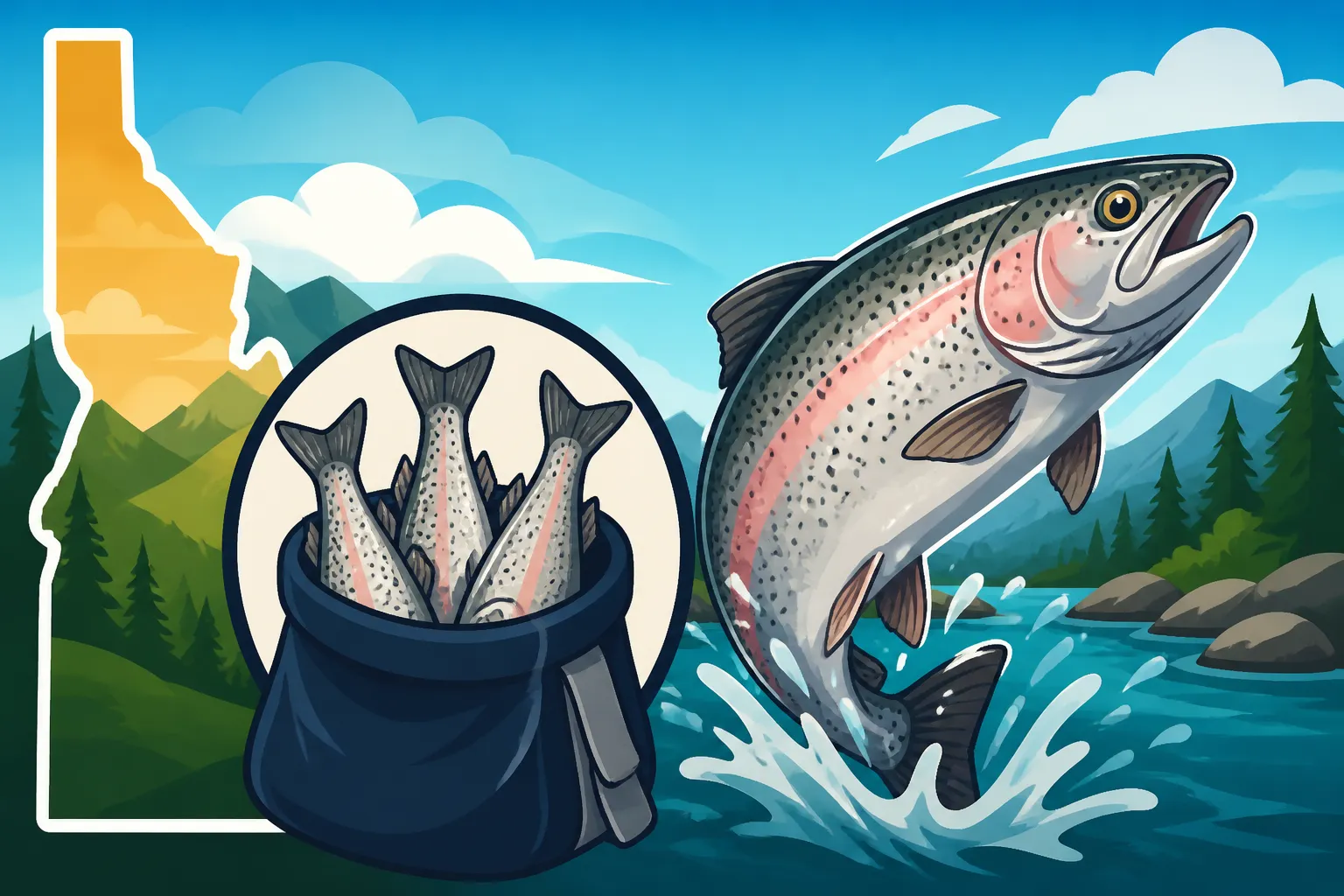
Generally speaking, for most of Idaho's steelhead waters, the daily bag limit for steelhead is three hatchery steelhead. It's critical to note the "hatchery" qualifier here. What does this mean in practical terms? It means that any steelhead you decide to keep must have a clipped adipose fin. The adipose fin is a small fleshy fin located on the fish's back between the dorsal fin and the tail fin. Hatchery-raised steelhead have this fin removed as juveniles, a practice known as "fin-clipping." This clipping distinguishes them from wild steelhead, which retain their adipose fin.
So, if you catch a steelhead with an intact adipose fin, it's a wild fish and must be immediately released unharmed. There are virtually no exceptions to this statewide rule for daily limits, making accurate identification paramount. The daily limit of three hatchery steelhead applies to the aggregate of all steelhead caught across all waters you might fish in a single day within Idaho. This isn't three per river, or three per spot; it's three total for that 24-hour period. You also need to be aware of the Idaho Catch Limits and Bag Limits Explained for other species, as exceeding any limit can have serious consequences.
Understanding the Crucial Hatchery-Only Rule
The distinction between hatchery and wild steelhead isn't just a formality; it's the cornerstone of Idaho's steelhead management and conservation efforts. Wild steelhead populations are often more vulnerable and less numerous than their hatchery-supplemented counterparts. By allowing anglers to keep only hatchery steelhead, Idaho Fish and Game aims to protect and promote the recovery of wild stocks, which are crucial for the genetic diversity and long-term health of the species.
This means that if you hook into a magnificent, hard-fighting steelhead, your very first action, even before admiring its beauty, should be to quickly and carefully check for that adipose fin. If it's present, that fish is precious, and it needs to go back into the water with minimal stress. This policy ensures that the wild fish can continue their journey upstream to spawn, contributing to future generations of Idaho's iconic steelhead runs. It's a small but incredibly important act of stewardship that every angler must uphold.
Regional Variations: Where Limits Can Differ (Clearwater, Salmon Rivers)
While the three hatchery steelhead limit is a solid general rule, Idaho's vast and diverse waters mean that specific rivers and even sections of rivers can have their own unique regulations, especially for steelhead. It's not uncommon for the Clearwater River or different stretches of the Salmon River to have varying daily bag limits, which can sometimes be more restrictive.
For example, certain sections of the Snake River, Clearwater River, or Salmon River might have reduced limits, perhaps one or two hatchery steelhead per day, or even specific periods where all steelhead fishing is catch-and-release only. These localized rules are often implemented to protect specific runs, manage localized fishing pressure, or account for specific conservation needs in that watershed.
It’s absolutely imperative to consult the most current Idaho Fishing Regulation Brochure and Proclamation before heading out. This crucial document, available online or at license vendors, details all these nuances, including the specific boundaries of special regulation areas and any changes to the general statewide rules. A good practice is to download the digital version to your phone or even print out the relevant pages for the river you're targeting. You can even find waterproof regulation guides or pouches on Amazon that keep your copy safe and dry.
Beyond the Daily Limit: Permits, Possession, and Identification
Understanding the daily bag limit is a great start, but Idaho steelhead fishing involves a few more critical pieces of the regulatory puzzle. These additional requirements are designed to help biologists monitor fish populations, track angler effort, and enforce the rules effectively. Skipping any of these steps could lead to fines or even loss of fishing privileges.
The Mandatory Idaho Steelhead Permit and Catch Record Card
Before you even think about targeting steelhead, you need to make sure you have the correct permits. Beyond your general Idaho Fishing License Guide, which you can learn how to buy an How to Buy an Idaho Fishing License, you absolutely need an Idaho Steelhead Permit. This permit is required for anyone fishing for or possessing steelhead, regardless of whether you intend to keep any. It's not just a revenue generator; it's a vital tool for Idaho Fish and Game to manage this unique fishery.
Along with your permit, you'll receive an Idaho Catch Record Card Requirements. This isn't just a souvenir; it's a legal document that you must carry with you and fill out accurately. Every time you catch a steelhead that you keep (a hatchery fish, of course), you must immediately record it on your catch card by punching out the corresponding notch. Even if you release a hatchery fish, it must be recorded if it's "killed or retained." Failure to properly validate your catch can be considered fishing without a license or exceeding your limit. It's easy to get excited and forget, but getting caught without a properly punched card can result in a hefty ticket. Think of it as your personal logbook that helps fisheries managers understand the dynamics of the steelhead run.
Mastering Steelhead Identification: Hatchery vs. Wild
This is arguably the most critical skill for any Idaho steelhead angler. The difference between keeping a legal hatchery fish and illegally retaining a wild one comes down to one small fin: the adipose fin.
- Hatchery Steelhead: These fish will have a cleanly clipped adipose fin. The area where the fin should be will typically be smooth or have a scar. This clip is usually performed when the fish are very small, so it's a permanent and obvious marker.
- Wild Steelhead: These fish will have a fully intact adipose fin. It's a small, soft fin located just forward of the tail fin and behind the dorsal fin. It will be present and often look perfect and natural.
Sometimes, especially with smaller fish or those that have been through a lot, it can be tricky. Scars, minor injuries, or even previous encounters can make the area look ambiguous. When in doubt, it’s always best to err on the side of caution and release the fish. You can find excellent visual guides, sometimes even small, laminated cards, on Amazon that show clear examples of clipped and unclipped fins to help you identify them on the water. Taking an extra second to confirm could save you a significant headache and protect a precious wild fish.
Possession Limits and Other Important Rules
Beyond the daily bag limit, Idaho also has possession limits. This refers to the maximum number of fish you can have in your possession at any given time, including those kept at your home, in your cooler, or at your campsite. For steelhead, the possession limit is typically two times the daily bag limit. So, if the daily limit is three, your possession limit is six hatchery steelhead. This prevents anglers from accumulating large numbers of fish over multiple days beyond what's considered reasonable for personal consumption.
Other vital rules include:
- Barbless Hooks: For steelhead, barbless hooks are often required in many, if not all, steelhead waters in Idaho. This rule is in place to minimize harm to fish, especially those that are caught and released. If you're using barbed hooks, simply crimp down the barb with a pair of pliers. It’s a quick and easy modification. For more details, check out Idaho Barbless Hook Requirements.
- Number of Rods: Generally, anglers are limited to one fishing rod while fishing for steelhead, unless a second rod permit is purchased for other species in specific waters. However, when actively fishing for steelhead, it’s typically a single rod affair. Always check the specific river regulations for any exceptions.
- Catch-and-Release Practices: For any wild steelhead or any hatchery steelhead you choose to release, proper catch-and-release techniques are paramount. Minimize handling, keep the fish in the water as much as possible, use wet hands, and use a tool to remove the hook quickly. Protecting these fish, even the ones you don't keep, is part of being a responsible angler.
Practical Tips for a Successful and Compliant Steelhead Trip
Navigating Idaho's steelhead regulations can feel like a game of chess, but with a bit of preparation and the right mindset, you can focus on the fishing and the breathtaking scenery. A successful trip isn't just about catching fish; it's about doing it responsibly and legally.
How to Stay Up-to-Date on Ever-Changing Regulations
The single most important piece of advice for steelhead fishing in Idaho is this: always check the current regulations immediately before your trip. Idaho Fish and Game updates its regulations frequently, sometimes even issuing emergency rule changes mid-season due to unforeseen circumstances like low returns or unique environmental conditions.
Here’s how to stay informed:
- Idaho Fish and Game Website: This is your primary and most reliable source. Navigate to the fishing regulations section for the most up-to-date information, including emergency closures or amendments.
- Official Regulation Brochure: Grab a physical copy from any licensed vendor (sporting goods stores like Cabela's or Boise Army Navy, or even many convenience stores across Idaho) or download the PDF version. Read it thoroughly, paying special attention to the section on anadromous fish (steelhead and salmon) and any specific rules for the waters you plan to visit.
- Local Tackle Shops: These shops are often invaluable resources. The folks working there usually fish the local waters and are aware of the latest rule changes and fishing conditions. Don't be shy about asking questions!
- IDFG News Releases: Sign up for email alerts from Idaho Fish and Game. They regularly send out updates regarding season changes, emergency closures, and other important news.
Remember, even if you’ve fished the same river for years, rules can change. A quick check of Idaho Fishing Season Dates and Limits and the specific river rules will save you a lot of potential grief.
Essential Gear for Measuring and Releasing Fish
Having the right gear isn't just for catching fish; it's for legal compliance and responsible angling.
- Measuring Tape: Since some regulations might include minimum or maximum size limits (though less common for steelhead daily limits, it's good practice), a reliable, waterproof measuring tape is crucial. You can find durable, flexible measuring tapes on Amazon that are perfect for boat or bank fishing.
- Pliers or Hemostats: For quick and safe hook removal, especially with barbless hooks. This minimizes handling time and stress on the fish, increasing its chances of survival.
- Rubber Net: A net with rubberized mesh is ideal for steelhead. It's gentler on the fish's slime coat and fins compared to knotted nylon nets, reducing injury during landing and release.
- Waterproof Camera (Optional, but fun!): If you're releasing a wild steelhead, a quick photo with the fish still mostly in the water is a fantastic way to capture the memory without harming the fish. Just be prepared and quick!
Having these items readily accessible means you can quickly measure, identify, and either record or release your catch legally and ethically. It shows respect for the fish and the regulations, ensuring everyone can enjoy Idaho's incredible steelhead fishery for years to come.
Planning Your Steelhead Trip with Limits in Mind
Successfully planning a steelhead trip that adheres to all regulations can feel like a puzzle, but with the right approach, it becomes second nature. It's all about being proactive and thoughtful before you even hit the water.
Where to Find Current Regulations
As we touched on, the Idaho Fish and Game website is your digital bible for current regulations. However, beyond the website, knowing how to quickly find and interpret the information is key. The annual Fishing Seasons and Rules brochure is published every year and details all the statewide regulations, as well as specific rules for individual waters. This brochure is often divided into regions (Panhandle, Clearwater, Southwest, Southeast, Upper Snake), so zeroing in on your target area will save you time.
Look for specific sections on "Anadromous Salmon and Steelhead." This part of the brochure will outline the general rules, the daily bag and possession limits, and any special restrictions on specific rivers, such as the Clearwater, Salmon, or Snake rivers. It’s also where you’ll find important information like Idaho Steelhead Bag Limits and rules for other species. Always look for the effective dates on the document to ensure you’re not looking at outdated information. A printout, or a downloaded PDF on your phone, is a must-have, especially since cell service can be spotty in some of Idaho’s remote fishing locations.
Seasonal Considerations for Steelhead Limits
Steelhead seasons in Idaho typically run during the fall, winter, and spring, as these are the times when the fish are migrating upstream from the ocean. However, the exact dates and the regulations can shift. For instance, early fall runs might have different limits or open/close dates compared to late winter or spring runs.
- Fall Steelhead: These fish typically enter the rivers in late summer and fall. Often, fishing is excellent, and limits might be more liberal if run forecasts are strong.
- Winter Steelhead: As temperatures drop, fishing can get tougher, but dedicated anglers still find success. Regulations typically remain similar to fall, but access can be challenging due to snow and ice.
- Spring Steelhead: These are often the last waves of fish pushing upstream, sometimes mingling with kelts (fish that have already spawned and are returning to the ocean). Limits and open seasons can be highly dependent on the number of fish still migrating.
Always pay attention to the specific dates outlined in the regulations for the river you intend to fish. A river might be open for steelhead fishing, but a certain section or specific dates might have different bag limits or even be catch-and-release only. This seasonal variability is another reason why checking the current Idaho Fishing Season Dates and Limits is non-negotiable every time you plan a trip.
Idaho Steelhead Daily Bag Limits Overview
Here's a quick reference table summarizing the general daily bag limits for steelhead in Idaho. Remember, this is a general guide, and specific river sections or emergency regulations can always supersede these. Always check the official Idaho Fish and Game regulations for the most current and accurate information before you fish.
| Steelhead Type | Adipose Fin Status | General Daily Bag Limit | Important Note |
|---|---|---|---|
| Hatchery Steelhead | Clipped | 3 Fish | Must be recorded on catch card. Subject to regional variations. |
| Wild Steelhead | Intact | 0 Fish (Catch & Release) | Must be immediately released unharmed. |
Conservation and the Future of Idaho Steelhead Fishing
Every time you head out to fish for steelhead in Idaho, you become a part of a much larger story – one of conservation, passion, and the preservation of an incredible natural resource. Understanding and respecting the daily bag limits and other regulations isn't just about avoiding a ticket; it's about actively participating in the future of these magnificent fish.
Why These Regulations Are So Important
The regulations set by Idaho Fish and Game, particularly those around daily bag limits and the distinction between hatchery and wild fish, are the backbone of steelhead conservation. Wild steelhead populations in the Columbia River Basin (which includes Idaho's rivers) have faced significant declines over the decades due to a myriad of factors, including habitat loss, hydropower dams, and historical overfishing. The rules we follow today are a direct response to these challenges, designed to give wild fish the best possible chance to reproduce and thrive.
When you adhere to the three-hatchery-fish limit, meticulously check for an adipose fin, and carefully release wild steelhead, you are directly contributing to the recovery efforts. These regulations allow a greater number of wild fish to reach their spawning grounds, ensuring genetic diversity and robust future generations. They also help manage the overall pressure on the fishery, distributing the harvest among anglers and preventing localized depletion. It's a delicate ecosystem, and every angler's actions have an impact.
Contributing to Sustainable Steelhead Populations
Beyond simply following the rules, there are other ways you can contribute to the sustainability of Idaho's steelhead populations:
- Practice Responsible Catch and Release: Even with hatchery fish you intend to release, minimize stress. Use appropriate tackle, land fish quickly, keep them in the water, use wet hands, and use a de-hooking tool. This reduces delayed mortality, meaning more fish survive to their next encounter or to fulfill their biological purpose.
- Report Violations: If you witness someone violating fishing regulations, report it to Idaho Fish and Game. Illegal fishing undermines conservation efforts and steals opportunities from responsible anglers.
- Support Conservation Organizations: Many non-profit organizations work tirelessly to restore steelhead habitat, advocate for fish passage improvements, and conduct vital research. Consider supporting groups like Idaho Rivers United, Trout Unlimited, or the Northwest Steelheaders.
- Stay Informed and Educated: Continue to learn about steelhead biology, the challenges they face, and the reasons behind the regulations. The more knowledgeable you are, the better ambassador you can be for this incredible fishery.
Ultimately, the Idaho daily bag limit for steelhead is more than just a number; it's a reflection of our collective commitment to responsible angling and the long-term health of one of Idaho's most cherished natural treasures. By understanding and respecting these rules, we ensure that the thrill of a steelhead on the line can be experienced by generations to come.
Disclaimer
Please remember that fishing regulations, including bag limits and seasons, are subject to change by the Idaho Department of Fish and Game. While this guide provides comprehensive information, it is your responsibility to consult the most current and official Idaho fishing regulations before engaging in any fishing activities. This content is for informational purposes only and does not constitute legal advice.