Idaho Fishing License Options for a Family of Four
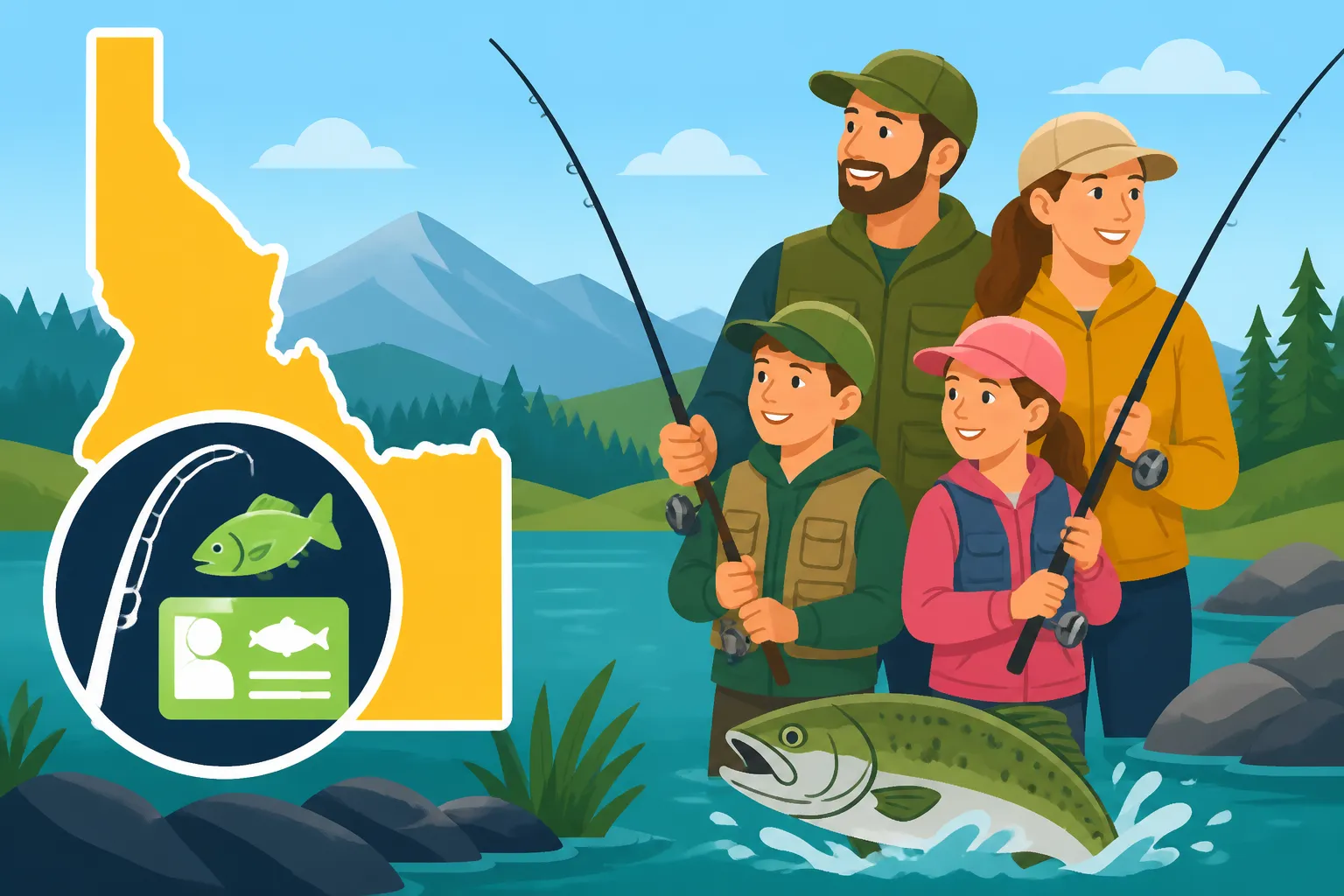
Planning a family fishing trip to the stunning rivers and lakes of Idaho sounds like a perfect getaway, doesn't it? Days filled with laughter, fresh air, and maybe even a few fish caught. But then you start delving into the world of fishing licenses, and suddenly that dream can feel a bit tangled, like a snarled fishing line. Figuring out who needs what, what age counts, and what the actual costs are for every member of your family can be confusing and frankly, a bit overwhelming. This guide is here to untangle all that for you, breaking down the Idaho fishing license options for a family of four so you can spend less time stressing over regulations and more time making those precious fishing memories.
Understanding the Foundation of Idaho Fishing Licenses for Families
Before we dive into the specifics for each family member, let's lay down the groundwork. Idaho's licensing system, like many states, aims to be fair while generating funds to support fish and wildlife conservation. This means licenses vary based on your residency status and age. It's crucial to understand these foundational elements first, as they dictate everything that follows.
Residency Status: It Makes a Big Difference
The biggest factor affecting the cost and type of fishing license for your family is whether you qualify as Idaho residents or nonresidents. This isn't just about where you currently live; there are specific criteria. Generally, to be considered an Idaho resident for licensing purposes, you must have lived in the state for at least six consecutive months immediately prior to purchasing your license, and you can't claim residency in another state. If you own property in Idaho but live elsewhere, you're usually still considered a nonresident.
This distinction is massive because nonresident licenses are significantly more expensive than resident ones. It's not a small difference, so if there's any ambiguity about your family's residency, it's worth checking the official Idaho Fish and Game (IDFG) guidelines carefully. Misrepresenting residency can lead to hefty fines, and nobody wants that on a family vacation.
Age Requirements: Who Needs What and When
One of the most common questions families ask is, "Do kids need a fishing license in Idaho?" The good news is that Idaho is quite family-friendly when it comes to young anglers. Children under the age of 14 do not need a fishing license to cast a line in Idaho waters. This is a huge relief for many families, especially those introducing very young children to fishing. Imagine the joy of watching a little one catch their first fish without the added burden of an extra license purchase!
However, once a child hits 14, they officially enter the "youth" category and will need their own license. This transition can sometimes catch parents off guard, so it's essential to keep those birthdays in mind when planning your annual trips. For a full breakdown, you can check out the specific Idaho Fishing License Age Requirements to ensure everyone is covered.
Decoding Specific License Options for Each Family Member
Now that we've covered the basics, let's break down the actual license types and estimated costs you might encounter for a family of four. For our hypothetical family, let's assume two adults and two children. We'll explore both resident and nonresident scenarios, as the costs can differ dramatically.
Adults: The Backbone of the Family Fishing Trip
For adults (ages 18 and over), the license options generally include annual licenses or shorter-term licenses. The choice usually comes down to how long you plan to fish in Idaho within a given license year.
For Idaho Resident Adults:
A standard adult resident annual fishing license is usually the most economical option if you plan to fish more than a couple of days out of the year. This license covers you for general fishing from January 1st through December 31st of the year it was purchased. The cost is quite reasonable, reflecting the state's desire to keep fishing accessible for its residents. For current pricing, the Idaho Resident Annual Fishing License page provides the most up-to-date information.
If you're only going to fish for a very short period, say a single weekend, a 1-day fishing license might seem appealing. However, these rarely offer significant savings compared to an annual license once you factor in additional permits or the cost of adding extra days. Often, by the time you add on a couple of "extra days" to a short-term license, you've already spent more than the annual fee.
For Nonresident Adults:
This is where the costs start to climb, and rightfully so, as nonresidents haven't contributed to the state's tax base that supports wildlife management. Nonresident adult annual fishing licenses are substantially more expensive than resident ones. If your family visits Idaho for extended periods or multiple times a year, this might still be your best value. You can find the latest costs for a Idaho Nonresident Annual Fishing License directly from IDFG.
If your family is just visiting for a quick trip, say a long weekend, shorter-term options become more attractive for nonresidents. Idaho offers 1-day, 3-day, and even longer licenses. Carefully consider your trip duration:
- 1-Day Fishing License: Good for a single day of fishing. This can be perfect for a quick stop during a road trip or just testing the waters.
- 3-Day Fishing License: A popular choice for weekend getaways.
- Other Short-Term Licenses: Sometimes 7-day or 10-day options are available, offering flexibility for longer vacations.
It's a common frustration to try and calculate the "cheapest way to fish in Idaho for a weekend," and honestly, it really depends on whether you're adding additional permits, which we'll get to shortly. Always check the current Idaho Fishing License Cost Guide to compare the total price for your specific dates.
Youth and Children: Getting the Next Generation Hooked
Idaho makes it relatively easy and affordable for kids to get involved in fishing, which is fantastic for fostering a love of the outdoors.
Children Under 14:
As mentioned, children under 14 years old do not need a fishing license. This is a huge benefit for families, allowing you to bring along the littlest ones without any extra bureaucratic hurdles or costs. Just grab some basic gear – maybe even a starter kit from Amazon – and head to the water! They're exempt from both the general fishing license and any associated permits or stamps.
Youth Ages 14-17:
Once your child turns 14, they officially need their own license. However, they qualify for a "junior" or "youth" fishing license, which is significantly cheaper than an adult license, even for nonresidents. This is a smart move by the state to keep fishing accessible for teenagers, preventing cost from being a barrier to entry during these formative years. Make sure to check the specific Idaho Youth Fishing License Rules for any nuances.
Seniors: Appreciating Years of Experience
Idaho provides discounts for its senior residents, a nod to a lifetime of contributions and a way to encourage continued participation in outdoor activities.
Idaho Resident Seniors (65 and older):
Eligible senior residents (typically 65 years and older) can purchase a discounted annual fishing license. This is a fantastic benefit that helps keep fishing affordable for those enjoying their retirement years. It's important to verify the exact age requirement and pricing, as these details can occasionally be updated. The Idaho Senior Fishing License Discount page will have the most current information.
Nonresident Seniors:
Unfortunately, nonresident seniors do not receive a discount on Idaho fishing licenses. They would purchase licenses at the standard nonresident adult rates.
Here's a simplified table to help visualize the typical license structure for a family of four (two adults, two children ages 10 and 15):
| Family Member | Residency | Age | License Type (Typical) | Estimated Cost Range (Annual) | Notes |
|---|---|---|---|---|---|
| Adult 1 | Resident | 40 | Resident Annual Fishing | $30-$40 | General fishing, valid for calendar year |
| Adult 2 | Resident | 42 | Resident Annual Fishing | $30-$40 | General fishing, valid for calendar year |
| Child 1 | Resident | 10 | None Required | Free | Under 14, no license needed |
| Child 2 | Resident | 15 | Resident Junior Fishing | $10-$15 | Ages 14-17, discounted rate |
| Total (Resident) | ~$70-$95 | Does not include stamps/permits | |||
| Adult 1 | Nonresident | 40 | Nonresident Annual Fishing | $100-$120 | General fishing, valid for calendar year |
| Adult 2 | Nonresident | 42 | Nonresident Annual Fishing | $100-$120 | General fishing, valid for calendar year |
| Child 1 | Nonresident | 10 | None Required | Free | Under 14, no license needed |
| Child 2 | Nonresident | 15 | Nonresident Junior Fishing | $20-$25 | Ages 14-17, discounted rate |
| Total (Nonresident) | ~$220-$265 | Does not include stamps/permits. Short-term options vary widely. |
Please note: These are estimated costs and can change. Always consult the official IDFG website for the most current pricing.
Navigating Permits and Stamps: Beyond the Basic License
Just when you think you've got the general licenses sorted, Idaho introduces an additional layer of requirements: permits and stamps. These are crucial, as they allow you to fish for specific, highly sought-after species or contribute to specific conservation efforts. Failing to purchase the correct stamps can lead to fines, even if you have your basic fishing license.
Salmon and Steelhead Permits: The Big One for Many Anglers
If your family dreams of catching Idaho's famous anadromous fish – Chinook salmon or steelhead – then you absolutely need a separate permit for each adult and youth angler planning to target them. These permits are in addition to your general fishing license and are mandatory even if you're practicing catch-and-release.
Many anglers are surprised by this requirement. They think their general fishing license covers everything. However, species like steelhead and salmon require intensive management, habitat restoration, and monitoring programs, and these permits help fund those efforts. Without the proper permit, you cannot legally fish for these species. You can find detailed information on the Idaho Salmon and Steelhead Permit and verify if you "Do You Need a Separate Permit to Fish for Steelhead in Idaho?" before you head out. Don't forget, these permits also often come with a mandatory catch record card that needs to be properly filled out to track harvests.
Access and Depredation Fee: Supporting Access
Idaho also requires an Access and Depredation Fee, which supports programs that secure public access to fishing and hunting areas and compensate landowners for damage caused by wildlife. This fee is typically an add-on to your initial license purchase. It's a relatively small fee, but it's mandatory for most adult and youth license holders (with some exemptions, like the very young). Think of it as a small contribution that helps ensure you and your family have places to fish for years to come. The Idaho Access and Depredation Fee Explained page has the full details on who needs to pay and why.
For a family of four, if everyone over 13 is planning to fish for salmon or steelhead, the cost of these permits and the access fee can significantly add to the total. It’s not just about the basic license; it’s about having all the necessary endorsements for your specific fishing goals. For example, if both adults and your 15-year-old plan to fish for steelhead, that’s three separate steelhead permits, plus the access fee for each license holder.
Practical Tips for Buying and Managing Your Family's Licenses
Alright, so you've navigated the different license types and potential permits. Now, how do you actually get your hands on them without a headache? The good news is that Idaho has made the process relatively convenient.
Buying Licenses: Online, In-Person, or By Phone
You have several options for purchasing your family's fishing licenses:
- Online (IDFG Website): This is often the easiest and most convenient method, especially when you're planning ahead. You can purchase licenses, permits, and stamps for everyone in your family from the comfort of your home. You'll need some basic information for each angler, including their full name, date of birth, and residency status. Once purchased, you can print them out immediately. If you're wondering How to Buy an Idaho Fishing License Online, the IDFG website walks you through it step-by-step.
- IDFG Offices and Authorized Vendors: If you prefer face-to-face service or need help understanding specific regulations, you can visit an Idaho Fish and Game office. Additionally, many sporting goods stores (like your local Cabela's or some Walmart locations) and tackle shops across Idaho are authorized vendors. This is often a great option if you're already in Idaho and realize you forgot something, or if you want to chat with local experts about fishing conditions. To find a location near your destination, check the Where to Buy an Idaho Fishing License tool.
- By Phone: You can also purchase licenses over the phone through IDFG's licensing section. This might be a good option if you have specific questions or prefer speaking with a representative.
Keeping Your Licenses Handy: Digital vs. Physical
Once you've purchased your licenses, you need to ensure they're accessible when you're on the water. Idaho generally accepts both physical printouts and digital copies displayed on your smartphone.
- Physical Copy: Always a reliable backup. Printing your licenses and keeping them in a waterproof bag or your tackle box is a smart move. You never know when your phone might die, get wet, or simply lose signal in a remote area. If you ever lose a physical copy, knowing How to Print a Duplicate Idaho Fishing License is a useful skill.
- Digital Copy: Convenient for quick checks by Fish and Game officers. Many anglers save a PDF of their license to their phone's files or use the IDFG app (if available) to display their licenses. Just make sure your device is charged and protected from the elements.
Planning Ahead: Avoid Last-Minute Panics
The biggest piece of advice for families is to purchase your licenses well in advance of your trip. Don't wait until the morning you plan to hit the water. Imagine arriving at your favorite fishing spot, everyone excited, only to realize a license is missing or that the online system is down. A little planning goes a long way here.
Additionally, take a moment to review the current Idaho Fishing Regulations Explained before your trip. Regulations can change year to year, and different waters might have specific rules (e.g., barbless hooks only, specific bait restrictions, or reduced bag limits). It's much better to know this upfront than to learn it the hard way. While you're at it, stocking up on essential gear for the family is a good idea. From fishing rods and reels to waders and tackle, many reliable options can be found on Amazon, ensuring you have everything you need well before your adventure begins. A good waterproof phone case, also easily found on Amazon, is an absolute must-have for protecting your digital licenses and capturing those family photos.
By understanding the residency and age requirements, choosing the right license types for each family member, being aware of necessary permits, and purchasing everything ahead of time, you can ensure your Idaho family fishing adventure is focused on fun, not frustrating paperwork.
Disclaimer
Please remember that fishing regulations and license costs are subject to change. While we strive to provide the most accurate and up-to-date information, it is always your responsibility to consult the official Idaho Department of Fish and Game (IDFG) website or contact them directly for the latest regulations and pricing before you go fishing. This guide is for informational purposes only and should not be considered a substitute for official IDFG resources.