Idaho Fishing License Rules for Disabled Anglers
It can be incredibly frustrating to want to enjoy the peace and solitude of Idaho's stunning rivers and lakes, only to be met with a maze of regulations and license requirements that don't seem to account for your unique circumstances. Many disabled anglers often wonder if there are special provisions, reduced fees, or different rules that apply to them, and navigating the Idaho Department of Fish and Game (IDFG) website can sometimes feel like trying to catch a fish with bare hands. This comprehensive guide is here to untangle that confusion, providing clear, empathetic, and detailed information about Idaho's fishing license rules specifically for disabled anglers, ensuring you can spend less time worrying and more time fishing.
Understanding Idaho's General Fishing License Requirements
Before we dive into the specific provisions for disabled anglers, it's really helpful to understand the baseline rules that apply to everyone hitting the water in Idaho. This foundation will help clarify where the special considerations fit in and why they exist. Believe me, understanding the 'why' makes the 'what' a whole lot easier to digest.
Who Needs a License and General Exemptions
Generally speaking, if you're 14 years or older and want to fish in Idaho's public waters, you're going to need an Idaho fishing license. This applies whether you're targeting trophy trout on the Henry's Fork or just dropping a line for perch in a local pond. It's the state's way of ensuring that everyone contributes a little bit to the conservation efforts that keep our fisheries thriving. There are a few standard exemptions, of course. Kids under 14 years old, for instance, don't need a license, which is fantastic for getting youngsters hooked on fishing early. You can find more details on general rules in our comprehensive Idaho Fishing License Guide. Also, don't forget Idaho often has a "Free Fishing Day" once a year, usually in June, where anyone can fish without a license – a perfect opportunity to introduce someone to the sport or just enjoy a stress-free day on the water.
It's also crucial to remember that residency plays a big role in license pricing and types. An Idaho resident typically pays significantly less for a license than a nonresident. The rules for determining residency are pretty strict, involving things like how long you've lived here, where you pay taxes, and if you hold a driver's license from another state. This distinction is particularly important when we talk about licenses for disabled veterans, as these programs are exclusively for Idaho residents. If you're wondering about your status, checking the specific criteria for an Idaho Resident Fishing License Guide or an Idaho Nonresident Fishing License Guide is a good first step. It can feel a bit bureaucratic, but these rules are in place to fairly manage resources for those who call Idaho home.
The Importance of the Access and Depredation Fee
Beyond the base license cost, nearly all anglers in Idaho are required to pay an Access and Depredation Fee. This isn't just some arbitrary extra charge; it's a vital component of Idaho's conservation strategy. This fee helps fund programs that protect private land from wildlife damage and ensure public access to hunting and fishing lands. Think of it as a small investment in keeping those pristine fishing spots open and healthy for everyone. Even if you qualify for a low-cost or free license, this fee is typically still required.
Many anglers initially scratch their heads at this fee, especially when they're already paying for a license. However, once you understand that it directly supports maintaining access to amazing places like the Clearwater River or the Snake River, it makes a lot more sense. This fee helps mitigate conflicts between landowners and wildlife, which in turn preserves opportunities for us to enjoy the outdoors. For a deeper dive into what this fee entails and why it's so important, our article on the Idaho Access and Depredation Fee Explained offers a lot of clarity. It's a small price to pay for the incredible access we have in Idaho.
Specific Provisions for Disabled Anglers in Idaho
Now, let's get to the heart of the matter: what special considerations does Idaho offer for anglers with disabilities? This is where many folks feel a lot of uncertainty, and it's important to clarify that Idaho's primary provision for disabled individuals in the context of fishing licenses specifically targets resident disabled veterans.
Resident Disabled Veteran Fishing License
Idaho has a profound respect for its veterans, and this is reflected in the licensing system. For resident disabled veterans, the Idaho Department of Fish and Game offers a deeply discounted "Resident Disabled Veteran Combination License." This isn't just a fishing license; it typically includes hunting, fishing, and trapping privileges all in one, providing incredible value for those who have served our country. The cost for this license is remarkably low, often just a few dollars, plus the aforementioned Access and Depredation Fee. It's a small token of gratitude for their service and sacrifice.
However, qualifying for this license does come with specific criteria that need to be met. To be eligible, you must be an Idaho resident and have a service-connected disability of 40% or more, as rated by the U.S. Department of Veterans Affairs. This isn't a self-proclaimed disability; it requires official documentation from the VA. It's essential to have your VA disability rating readily available when you apply. This specific provision aims to support those who have faced significant challenges due to their military service, making it easier for them to enjoy Idaho's natural beauty and recreational opportunities. It’s a fantastic benefit, and if you meet the criteria, you should absolutely take advantage of it.
Other Disability-Related License Considerations
It's important to be realistic here: while the resident disabled veteran license is a wonderful program, there isn't a broad "disabled" fishing license category for all Idaho residents or nonresidents with disabilities, regardless of veteran status. If you are an Idaho resident with a disability but don't meet the disabled veteran criteria, you would generally purchase a standard resident fishing license, which you can learn more about in our Idaho Fishing License Cost Guide.
This can be a point of frustration for many, as other states might have more expansive disability-based licensing programs. However, it's crucial to consult the current Idaho Fishing Regulations Explained directly from IDFG each year, as regulations can occasionally change. Sometimes, other age-related exemptions might apply, such as the general rules for youth or senior licenses. For instance, while there isn't a specific "disabled senior" license, if you're a disabled senior, you would simply qualify for the existing Idaho Senior Fishing License Discount. It's all about navigating the specific categories Idaho has in place rather than assuming a universal "disabled" category. Always check the official proclamation or speak with IDFG staff if you have specific questions about your situation.
Adapting to Idaho's Waters with a Disability
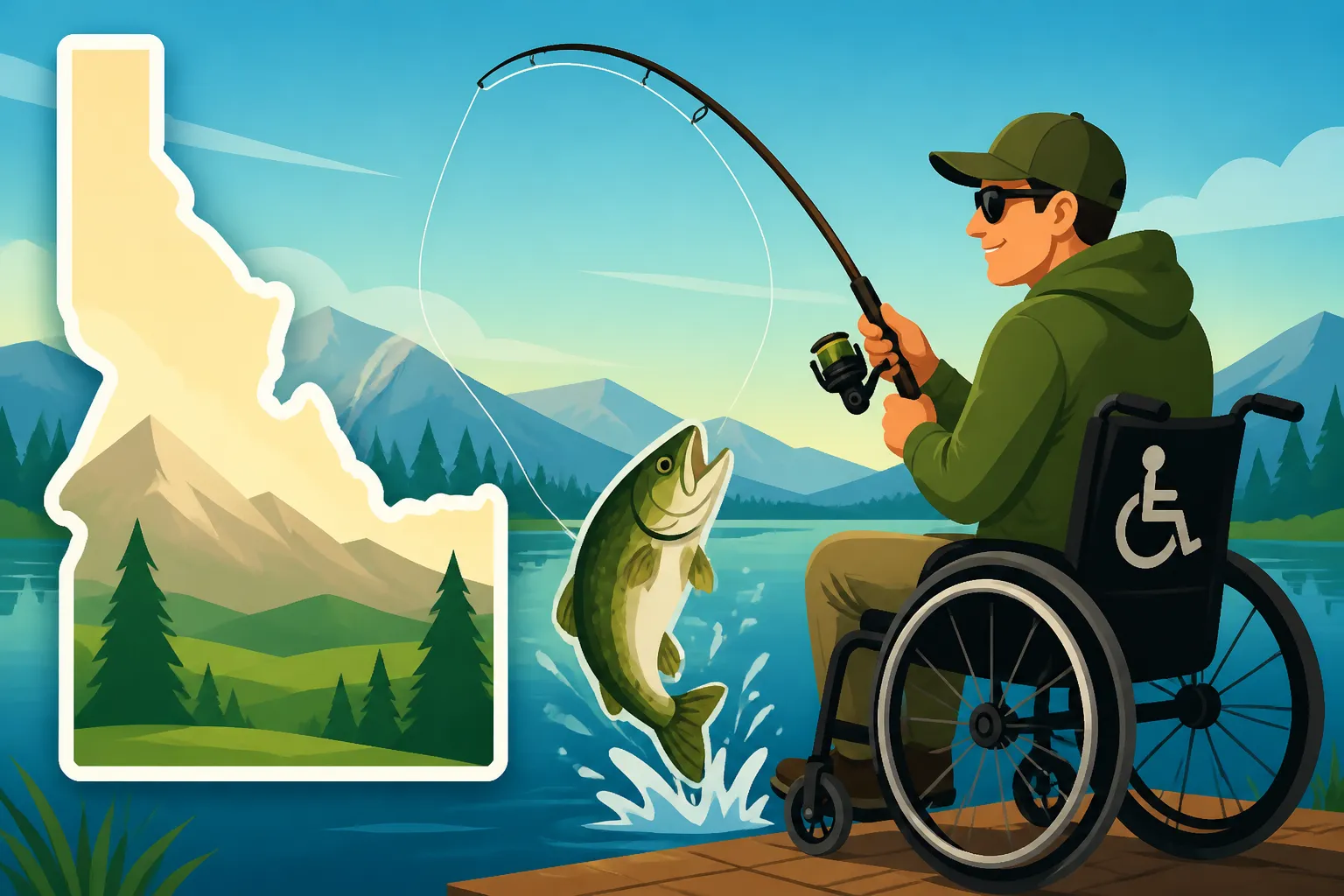
Beyond the license itself, many disabled anglers face practical challenges on the water. Idaho is known for its rugged and wild landscapes, which, while beautiful, aren't always the most accessible. However, progress is being made. Many popular fishing spots now feature improved access points, paved paths, and even wheelchair-accessible fishing piers, making it possible for more people to enjoy the sport. These efforts are often driven by local communities and conservation groups working alongside IDFG to create inclusive outdoor experiences.
When planning a trip, look for waters that are specifically designated as having good access. For example, some stretches of the Boise River Greenbelt offer excellent paved access for fishing, as do certain areas around larger reservoirs like Lake Coeur d'Alene or Lucky Peak. Our guide on Wheelchair-Accessible Fishing Piers in Idaho is a great resource to start with. It's about finding the right locations and sometimes, the right gear, to make your fishing dreams a reality. Adaptations in gear, like specialized rod holders or modified reels, can also significantly enhance the experience, allowing anglers of all abilities to cast a line and feel the thrill of a bite.
How to Apply for a Disabled Angler License
Getting your hands on that coveted license, especially the Resident Disabled Veteran Combination License, is a pretty straightforward process once you know the steps. It's less intimidating than it sounds, I promise!
Required Documentation and Application Process
For the Resident Disabled Veteran Combination License, the key piece of documentation you'll need is proof of your service-connected disability rating from the U.S. Department of Veterans Affairs. This isn't just a letter saying you're disabled; it needs to specifically state the percentage of your service-connected disability, which must be 40% or greater. Along with this, you'll need proof of Idaho residency, such as an Idaho driver's license or state ID that has been valid for at least six consecutive months, and potentially other documents like voter registration or property tax statements.
The application process typically involves filling out a specific application form provided by IDFG, presenting your documentation, and paying the required fees. It's not something you can usually do entirely online for the first time, as your disability status needs to be verified. However, once you're in the system and have been approved, subsequent renewals might be simpler. Make sure all your documents are current and readily available to avoid any delays. The staff at IDFG are generally very helpful, so don't hesitate to reach out to them if you're unsure about any specific document.
Where to Purchase and Renew
You have a few options for where to purchase your Idaho fishing license, including the special disabled veteran license. The most direct route is often through an Idaho Department of Fish and Game regional office. Here, you can speak directly with staff, present your documents, and get immediate clarification on any questions you might have. This personal touch can be really reassuring, especially when dealing with specific eligibility requirements.
Many authorized license vendors across the state also sell IDFG licenses. These include sporting goods stores like Cabela's or Sportsman's Warehouse, as well as many smaller tackle shops and even some convenience stores. While many general licenses can be bought online through the IDFG website, the initial purchase of a Resident Disabled Veteran Combination License usually requires an in-person visit to verify documentation. Once established, however, you might be able to How to Renew an Idaho Fishing License online. Always remember to ask if they process disabled veteran licenses specifically, as some smaller vendors might not be equipped for the initial documentation verification. For a full list of options, our guide on Where to Buy an Idaho Fishing License provides detailed locations and methods.
Beyond the License: Accessible Fishing in Idaho
A license is just the start! Idaho is truly a gem for anglers, and ensuring everyone can experience its beauty is a priority. Let's talk about how to make those fishing trips a reality for disabled anglers.
Identifying Accessible Fishing Locations
Finding the right fishing spot when you have mobility challenges can feel like a daunting task, but Idaho is making strides. Many state parks, national forests, and local municipalities have invested in creating more accessible fishing opportunities. These often include paved or well-maintained gravel paths to fishing docks or river banks, accessible restrooms, and sometimes even adaptive picnic areas. For example, some sections of the Payette River, particularly near towns like McCall, have developed more accessible bank fishing areas. The same goes for the lower stretches of the Snake River, where some parks offer improved access.
It's really helpful to research specific locations beforehand. The Idaho Department of Fish and Game often publishes information on accessible sites, and local tourism boards can also be a fantastic resource. Don't be afraid to call ahead to ranger stations or local outfitters – they often have the most up-to-date information on trail conditions and accessibility. Additionally, looking for larger reservoirs and lakes, which tend to have more developed boat ramps and access points, can be a good strategy. Even if you're not using a boat, these areas often have improved shore access that makes getting to the water much easier than trying to navigate rugged riverbanks. For some ideas, consider exploring spots listed under Idaho Waters You Can Fish Well from Shore.
Resources and Support for Disabled Anglers
You're not alone in this journey! There are many organizations dedicated to helping disabled individuals enjoy outdoor activities, including fishing. Groups like Casting for Recovery or Project Healing Waters Fly Fishing, while not exclusively Idaho-based, often have local chapters or organize events that come through the state, providing invaluable support, adaptive equipment, and guided experiences. These organizations not only offer practical assistance but also foster a strong sense of community and camaraderie.
Beyond these dedicated groups, don't underestimate the power of local fishing clubs and forums. Many seasoned anglers are happy to share their knowledge of accessible spots or offer a helping hand. The Idaho Department of Fish and Game itself also serves as a critical resource, not just for licenses but for general information on accessible sites and any special regulations that might apply. If you're looking for gear, a quick search on a site like Amazon for "adaptive fishing equipment" can yield a variety of tools designed to make casting, reeling, and handling fish easier for individuals with different mobility levels. The key is to connect with these resources and not let physical barriers deter you from enjoying the wonderful sport of fishing in Idaho.
Conclusion
Navigating the world of fishing licenses and regulations can be a bit like deciphering a secret code, especially when you have specific needs as a disabled angler. But as we've seen, Idaho does offer significant support, particularly through its Resident Disabled Veteran Combination License, acknowledging the service and sacrifice of our veterans. While a general "disabled" license for all may not be explicitly available, understanding the existing categories and exploring the growing number of accessible fishing locations and supportive organizations can open up a world of angling opportunities. Don't let the paperwork or the fear of inaccessible spots keep you from the therapeutic joy of casting a line into Idaho's pristine waters. The fish are waiting!
Disclaimer
Please note that fishing regulations and license requirements are subject to change. While every effort has been made to provide accurate and up-to-date information, it is always recommended to consult the official Idaho Department of Fish and Game website or contact them directly for the most current rules and regulations before planning your fishing trip.