How to Fish Silver Creek’s Technical Water
Silver Creek isn't just a stream; it's a legendary proving ground for fly anglers, and if you've ever stood on its banks, watching those famously selective trout sip invisibly tiny insects while your best efforts are utterly ignored, you know the true meaning of frustration. This guide is here to unravel the mysteries of Silver Creek's highly technical water, equipping you with the knowledge and tactics to finally connect with those elusive, magnificent fish.
Understanding Silver Creek's Unique Challenges
Fishing Silver Creek is a masterclass in subtlety and precision. It’s not your average freestone river where you can just huck a big streamer and hope for the best. The creek's reputation for being "technical" isn't an exaggeration; it's a descriptor born from the challenging combination of ultra-clear water, incredibly wary trout, and an ecosystem that breeds hyper-selective feeders. Many anglers come here with high hopes, only to leave feeling thoroughly defeated, wondering what secret handshake they missed. It's a humbling experience, but one that, with the right approach, can be incredibly rewarding.
The Crystal-Clear Water and Wary Trout
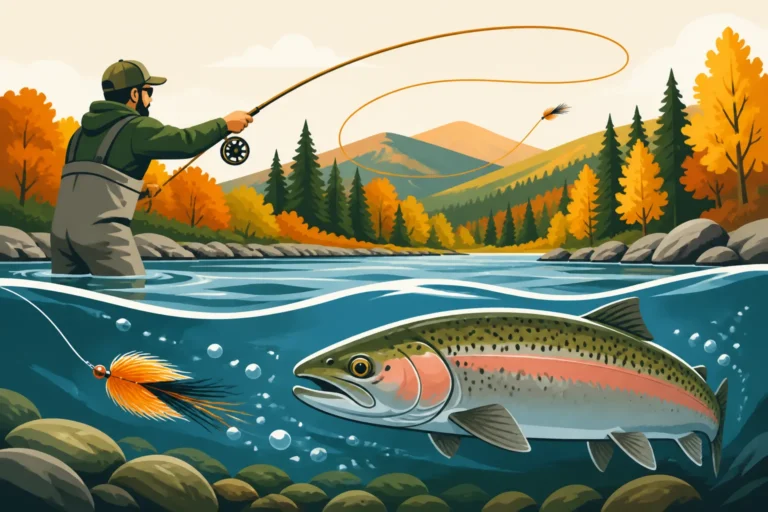
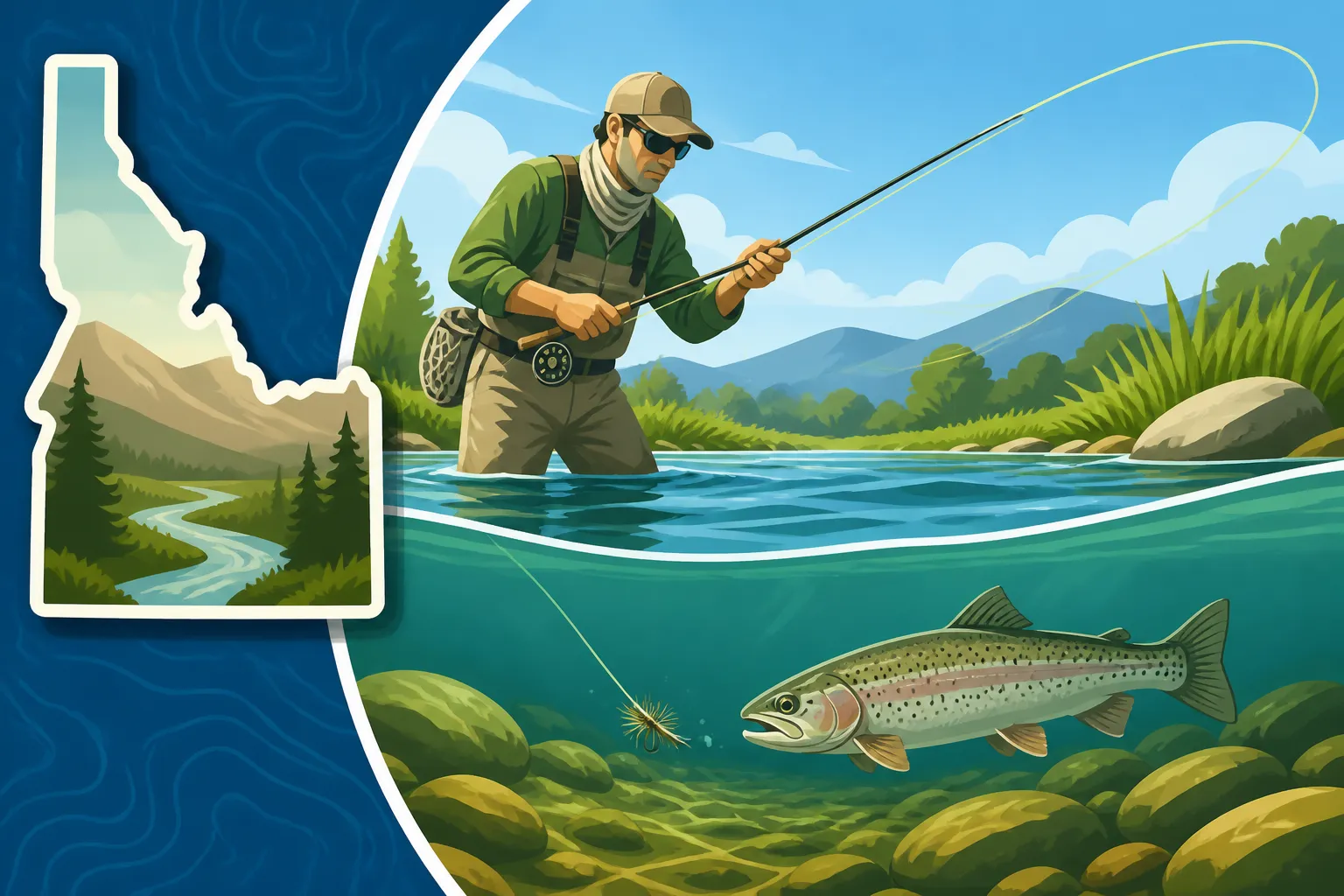
Imagine water so transparent that you can count the pebbles on the bottom in even the deepest runs. That's Silver Creek. While this clarity offers incredible opportunities for sight fishing – the thrill of spotting a massive rainbow or brown trout actively feeding before you even cast – it also means the fish can see you just as clearly. This isn't just about spotting your brightly colored vest; it's about detecting any unnatural movement, any sudden shadow, any hint of danger. These trout aren't just big; they're incredibly intelligent and skittish, having seen countless anglers and learned to distinguish genuine food from a crude imitation.
This extreme visibility forces anglers into a state of hyper-awareness. You might feel like a hunter stalking prey, creeping along the banks, keeping low, using every piece of streamside vegetation for cover. It's truly a game of stealth. I remember one early morning on the creek, slowly crawling on my hands and knees for fifty yards just to get within casting range of a particularly fat rainbow. I finally got into position, ready to make the perfect cast, only to have my shadow briefly fall across the water as I stood up slightly. In an instant, that fish, which had been happily feeding, darted into the weeds, leaving nothing but an empty spot and a profound sense of disappointment. It's moments like these that teach you Silver Creek's first, most crucial lesson: subtlety is paramount.
The Delicate Ecosystem and Abundant Hatches
Silver Creek isn't just clear; it's also incredibly rich in aquatic insect life. This spring creek's constant water temperature and nutrient-rich environment create a buffet for trout. From tiny Tricos and Baetis (blue-winged olives) to larger Pale Morning Duns (PMDs) and various caddisflies, the hatches here are prolific and often overlapping. While this sounds fantastic – more food, more feeding fish! – it actually makes the fishing more challenging. Why? Because the trout become incredibly selective. When there are thousands of natural insects drifting by, a fish doesn't need to be opportunistic; it can afford to be picky.
They often focus on a specific stage of an insect's life cycle (nymph, emerger, adult, spinner) or even a particular size or color. You might see fish rising everywhere, confidently sipping bugs off the surface, but cast your generic dry fly, and they’ll ignore it completely. It's like serving a gourmet diner a fast-food burger when they're expecting a five-star meal. You have to match the hatch not just in species, but in size, profile, and presentation.
There was a time I spent an hour trying to figure out what a group of feeding trout were eating. My PMD dry flies, which usually worked like a charm elsewhere, were completely ignored. I watched closely, straining my eyes, and finally saw a few tiny, almost invisible insects drifting. Turns out, they were focusing on the minute emerger stage of a Trico hatch, barely a size 24. My size 16 PMDs were like boulders to them. It hammered home the point that sometimes, the "wrong" fly isn't wrong by much, but it's enough to be utterly rejected. The key to unlocking this puzzle lies in meticulous observation and a well-stocked fly box.
Essential Gear and Tackle for Silver Creek Success
When it comes to fishing Silver Creek, your gear isn't just about getting the job done; it's about refining your approach to meet the creek's exacting demands. This isn't a place for heavy-handed tackle or brightly colored lines. Think light, stealthy, and sensitive. The right setup will make the difference between a day of frustration and a memorable encounter with one of Idaho's legendary trout.
Rods, Reels, and Lines for Finesse
For Silver Creek, finesse is the name of the game. You'll want a rod that allows for delicate presentations, protecting light tippets, and making accurate casts to selective fish. Most anglers find that a 3-weight or 4-weight fly rod, typically between 7.5 and 9 feet in length, is ideal. A shorter rod, like a 7.5-foot 3-weight, can be wonderful in tighter spots where you need pinpoint accuracy, while a 9-foot rod will give you better line control for longer leaders and mending on the water. These lighter rods protect those ultra-fine tippets you’ll be using, preventing break-offs when a large trout decides to make a run.
Your reel doesn't need to be a high-tech marvel with an expensive drag system, though a smooth drag is always a plus. For these smaller rod weights, a simple, lightweight reel that balances your rod is usually sufficient. Most of your fight will be on the rod itself, gently coaxing the fish.
The fly line, however, is crucial. You'll want a weight-forward floating line designed for delicate presentations. Some manufacturers offer specific "spring creek" or "dry fly" lines that have a longer, finer front taper. These tapers allow your leader and fly to lay out softly on the water, minimizing splash and spooking less fish. Brands like Scientific Anglers or Rio often have excellent options that you can find readily on sites like Amazon. A brightly colored line might look cool, but on Silver Creek, a duller, more muted color can reduce the chance of spooking fish when it lands or drifts near a target.
Leaders, Tippet, and Small Fly Selection
This is where many anglers either succeed or fail on Silver Creek. Forget your standard 7.5-foot, 4X leader. You'll need length and extreme stealth.
- Leaders: I almost exclusively use 9-foot to 12-foot tapered leaders for Silver Creek. Sometimes, I even build my own longer leaders or extend a 9-foot leader with an additional section of fluorocarbon to reach 14 or 15 feet. This extra length helps to keep your fly line further from the fish and allows your fly to drift more naturally without the leader "lining" the fish. Fluorocarbon leaders are often preferred for their low visibility in water.
- Tippet: This is non-negotiable. You'll be using incredibly fine tippet, typically ranging from 5X down to 7X. If you're struggling to get bites on a size 20 fly with 5X tippet, don't hesitate to drop down to 6X or even 7X, especially when fish are focused on microscopic midges or Tricos. Yes, 7X tippet is gossamer thin and breaks easily, but it's often the only way to fool those highly educated trout. Always carry a spool of 5X, 6X, and 7X tippet. Reliable brands like Rio or Seaguar often have multi-spool packs available on Amazon, which is convenient.
Now, for the "menu" – your fly selection. Silver Creek is a fly tier's paradise, and having a diverse, well-organized fly box is essential.
Common Fly Types and Sizes for Silver Creek:
| Insect Type | Common Sizes | Stages to Carry | Notes |
|---|---|---|---|
| Blue-Winged Olives (Baetis) | #18-24 | Nymph, Emerger, Dry, Spinner | Very common, especially in spring and fall, cloudy days. |
| Pale Morning Duns (PMDs) | #16-20 | Nymph, Emerger, Dry, Spinner | Prolific in late spring/early summer. |
| Tricos | #22-28 | Nymph, Emerger, Dry, Spinner | Famous morning hatch in summer; tiny, challenging but rewarding. |
| Caddisflies | #14-20 | Larva, Pupa, Dry | Generally less selective than mayflies, good searching pattern. |
| Midges | #20-28 | Larva, Pupa, Dry, Emerger | Year-round importance, especially in colder months. |
| Terrestrials | #12-18 | Dry (Ants, Hoppers, Beetles) | Critical in summer and early fall, especially on windy days. |
Beyond these, having a few general attractor patterns like a small Parachute Adams or an Elk Hair Caddis can be useful, but often, the more specific you are, the better. Don't forget emergers! Many Silver Creek trout spend their time feeding just below the surface on emerging insects, making patterns like a Barr's Emerger or a Sparkle Dun incredibly effective. You can often find specialty fly assortments from various brands on Amazon if you're looking to quickly build up your Silver Creek arsenal. For more insights on general fly types, check out our guide on Best Bait and Lures for Idaho Fishing.
Mastering Silver Creek's Technical Fly Fishing Techniques
Getting the gear right is only half the battle. On Silver Creek, it's how you use that gear that truly sets successful anglers apart from those who leave defeated. This is where patience, observation, and meticulous technique come into play. It's a humbling experience, but one that sculpts you into a more proficient angler. For a broader overview of fishing methods, take a look at our Idaho Fishing Techniques Guide.
The Art of Stealth and Approach
This cannot be overstated: stealth is king on Silver Creek. These trout are acutely aware of their surroundings. Any sudden movement, a shadow cast over the water, or vibrations from heavy footsteps on the bank can send them scattering. It's a major reason why many anglers walk away frustrated; they simply spook the fish before they even make a cast.
- Move Slow and Low: Approach the water like a heron stalking prey. Walk slowly, deliberately, and keep your profile as low as possible. Utilize bankside vegetation – tall grasses, willows, bushes – as natural blinds. Sometimes, this means crawling on your hands and knees or even belly-crawling the last few feet to a prime casting position.
- Shadow Management: Always pay attention to where your shadow is falling. On a sunny day, a shadow drifting across the water is an instant alarm bell for these wary fish. Try to approach from a direction where the sun is behind you, or fish shaded banks.
- Wade Minimally and Carefully: While Silver Creek can be wadable in many areas, wading should be kept to an absolute minimum. The bottom is often silty, and stirring it up will cloud the water and alarm fish downstream. If you must wade, move slowly, shuffle your feet, and avoid creating any unnecessary disturbances. Often, fishing from the bank is the most effective and least disruptive approach. You'll often find that the best fishing is close to shore, making long casts into the middle unnecessary if you can approach effectively.
Delicate Presentations and Drag-Free Drifts
Once you're in position, the next hurdle is delivering your tiny fly to the target without spooking the fish and ensuring it drifts naturally. This is where the term "technical water" truly shines.
- Delicate Landing: Your fly needs to land on the water with the grace of a natural insect, not a stone. This often requires a "parachute" or "reach" cast, where you throw an open loop that allows your leader and tippet to unroll softly. A forceful splashdown is almost guaranteed to send a feeding trout fleeing.
- Drag-Free Drift: Trout in Silver Creek are highly attuned to drag. If your fly is skating or pulling unnaturally on the surface (or subsurface for nymphs), it will be immediately rejected. You need to achieve a drift that perfectly mimics the natural flow of the current.
- Mending: This is your primary tool for achieving drag-free drifts. As your line begins to be pulled by different current seams, "mend" your line (flick a portion of it upstream or downstream) to keep slack between your fly and rod tip, allowing the fly to float freely.
- Slack Line Casts: Casts like the S-curve cast or parachute cast intentionally introduce slack into your line and leader, allowing for longer drag-free drifts in complex currents. Practice these, as they are essential for tricking picky fish.
- Precision is Key: These fish often feed in a very specific "feeding lane" or even sip insects from a precise spot. Your cast needs to be accurate, landing your fly just a few inches upstream of the feeding fish. Overcasting or landing too far away means your fly will drag or be ignored by the time it reaches the fish. It's not about distance; it's about accuracy.
Sight Fishing and Reading the Water
Silver Creek offers some of the best sight fishing opportunities anywhere, and it’s a strategy you should absolutely employ. Being able to spot a fish, observe its feeding behavior, and then present a fly directly to it is incredibly exciting and effective. To truly excel, you'll need to master Reading Water on Idaho's Rivers.
- Polarized Sunglasses are Non-Negotiable: A good pair of polarized sunglasses (brown or amber lenses work best in bright conditions) is your most important tool for sight fishing. They cut the glare off the water, allowing you to peer beneath the surface and spot fish, structure, and insect activity. You can find many quality options on Amazon.
- Spotting the Fish: Look for subtle movements: a flash of silver, the sway of a tail, or the shadow of a fish holding near a weed bed. Often, the fish you're looking for aren't in the fastest currents, but in the slower, more methodical seams and pools where insects collect.
- Observing Feeding Behavior: Once you spot a fish, watch it. Is it rising consistently? What kind of rise is it? A slow, deliberate sip usually indicates tiny surface insects (like Tricos or midges), while a more aggressive splash might suggest larger dry flies or emergers. Is it feeding subsurface? Look for subtle flashes or pauses in the water. This observation is key to matching the hatch and selecting the correct fly.
- Targeted Presentation: Once you've identified the fish and its preferred food, make your cast with extreme care. Place your fly a foot or two upstream of the fish, allowing it to drift naturally into the feeding zone. Be ready for an immediate take, as these fish often have little time to inspect a perfect presentation. If you're struggling with presentation, consider practicing How to Cast to Selective Trout on a Spring Creek.
Seasonal Considerations and Best Practices
Understanding the rhythm of Silver Creek throughout the year is crucial for maximizing your success. While the creek maintains a fairly constant temperature, the hatches and fish behavior shift significantly with the seasons. Planning your visit around specific hatches can make a huge difference, as outlined in our comprehensive Idaho Fishing Season Dates and Limits and Best Time of Year to Fish in Idaho guides.
Spring and Early Summer Hatches
Spring on Silver Creek, typically from late April through early June, is characterized by emerging Baetis (Blue-Winged Olives) and then the prolific Pale Morning Duns (PMDs).
- Baetis Blitz (Late April – May): These tiny mayflies (sizes 18-24) hatch heavily, especially on cloudy or drizzly days. The fish become incredibly focused on them. You'll need tiny dry flies, emergers, and nymphs to match. Look for slower sections and eddies where adults collect.
- PMD Parade (Late May – Early July): PMDs (sizes 16-20) bring out some of the most consistent dry fly fishing. Fish will rise steadily for these sulfur-colored mayflies. This is often a fantastic time for delicate dry fly presentations. During peak hatches, having a variety of PMD patterns (nymphs, emergers, duns, spinners) is essential.
- Water Levels and Conditions: Unlike freestone rivers, Silver Creek’s flow is relatively stable, so you don't typically contend with massive spring runoff. However, spring weather can be unpredictable, bringing gusty winds or sudden rain showers, which can make casting delicate rigs even more challenging. Mornings can be chilly, so dress in layers.
Mid-Summer Terrestrials and Tiny Tricos
Summer, from July through August, brings warmth, longer days, and a shift in insect activity. This is also when Silver Creek hosts its most legendary—and challenging—hatch.
- Trico Triumph (July – August, Mornings): The Trico hatch (sizes 22-28) is a phenomenon. It usually begins around dawn, peaking as male and female spinners blanket the water, creating dense mats that fish gorge on. To effectively fish the Trico hatch, you need to be on the water at first light. These tiny flies demand incredible precision, fine tippets (6X-7X), and often require patterns that mimic the male, female, and spent spinner stages. It's a truly humbling experience, but catching a large trout on a Trico is the ultimate accomplishment.
- Terrestrial Takeover (July – September): As summer progresses, grasshoppers, ants, and beetles become a significant food source, especially on windy days when they're blown into the water. Larger terrestrial patterns (sizes 12-16) can be very effective, offering a bit of a break from the micro-flies. This can be an exciting time for aggressive takes from larger fish lurking under banks. Fish these patterns close to bankside vegetation.
- Warmth and Crowds: Mid-summer can be warm, so early mornings and late evenings often offer the best fishing. Also, Silver Creek can attract more anglers during the summer, so expect company, especially on popular stretches. However, the sheer size and abundance of fish, including healthy populations of Idaho Rainbow Trout and Idaho Cutthroat Trout, make it worth the visit.
Fall Fishing Opportunities
Autumn on Silver Creek, from September through October, is often a favorite among seasoned anglers. The crowds thin out, the air is crisp, and the fishing can be exceptionally good.
- Resurgent Baetis and Mahoganies: Baetis hatches pick up again as temperatures cool, and other fall mayflies like Mahoganies (sizes 16-18) also make an appearance. Fish that were focused on terrestrials might revert to smaller nymphs and dries.
- Big Fish Behavior: As fall progresses, many of the creek's larger brown trout become more active and aggressive, feeding heavily in preparation for winter. This is when larger nymphs, streamers (used sparingly and with extreme stealth), and even larger dry flies mimicking caddis or terrestrials can tempt a trophy fish.
- Fewer Anglers: With hunting seasons opening and school resuming, the fishing pressure often significantly decreases, allowing for more solitude and less wary fish. The fall colors along the creek also add to the beauty of the experience.
Here’s a quick overview of recommended fly types and sizes by season for Silver Creek:
| Season | Primary Hatches/Food | Recommended Dry Flies | Recommended Nymphs/Emergers | Tippet Size | Notes |
|---|---|---|---|---|---|
| Spring | Baetis, PMDs | Parachute Baetis (#18-24), PMD Dun (#16-20) | Baetis Nymph, PMD Emerger, WD-40 (#18-22) | 5X-6X | Focus on cloudy days for Baetis. PMDs are consistent. |
| Summer | Tricos, Terrestrials | Trico Spinner/Dun (#22-28), Hippie Stomper, Ant (#12-18) | Trico Emerger (#22-28), Copper John (#18-22) | 6X-7X | Early mornings for Tricos. Terrestrials mid-day, especially windy. |
| Fall | Baetis, Mahoganies | Parachute Baetis (#18-22), Mahogany Dun (#16-18) | Baetis Nymph, Prince Nymph (#16-20), Zebra Midge (#20-24) | 5X-6X | Fewer crowds, larger brown trout become more active. |
| Winter | Midges | Griffith's Gnat (#20-24) | Zebra Midge, Blood Midge (#20-26) | 6X-7X | Fishing is slow but possible; target warmer parts of the day. |
Fishing Silver Creek is undeniably challenging, but that's precisely what makes it one of the most rewarding fly fishing experiences in Idaho. It forces you to elevate your game, to be more observant, more patient, and more precise. When you finally fool one of its magnificent, wild trout, the satisfaction is unlike any other. Don't be discouraged by initial struggles; embrace the learning process, hone your skills, and you'll soon understand why this technical water holds such a revered place in the hearts of fly anglers. If you're planning a trip, remember to consult the overall Idaho Fishing Regulations Explained to ensure you're compliant with all local rules. For more general advice, our Best Fishing Spots in Idaho might offer some good alternatives or complementary locations for your trip. And, don't forget to check out our complete Idaho Fishing Gear Guide by Season to make sure you're fully equipped!
Disclaimer
Please remember that fishing conditions, regulations, and recommendations can change. Always check the latest Idaho Fish and Game regulations and local conditions before heading out on any fishing trip. Be aware of private property boundaries and respect the delicate ecosystem of Silver Creek. Practice catch and release, especially for larger fish, to help preserve this incredible resource for future generations.