Idaho Waters Worth Fishing for Catfish
For many anglers, when you think "Idaho fishing," your mind probably jumps straight to those beautiful, wild trout streams or maybe even the thrilling pursuit of steelhead. And you wouldn't be wrong to think that – Idaho is a trout angler's paradise! But if you've ever felt that itch for something different, something a bit more laid-back with a strong pull and a delicious reward, you might be overlooking one of Idaho's best-kept secrets: its fantastic catfish opportunities. Finding reliable information on where to target these whiskered fighters can be a challenge, leaving many wondering if Idaho is even worth fishing for catfish. Well, I'm here to tell you that it absolutely is, and this guide will show you exactly where to find them.
The Underrated World of Idaho Catfishing
Let's be honest, Idaho isn't typically the first place that comes to mind when you hear "catfishing." States in the Midwest or the South often get all the glory for their massive flatheads and channel cats. But Idaho, with its vast network of rivers and reservoirs, actually offers some incredible, often uncrowded, catfishing experiences, primarily for Channel Catfish. These fish provide a strong fight, grow to impressive sizes, and are excellent table fare, making them a worthy target for any angler looking for a change of pace or a new challenge. It’s a completely different rhythm than chasing trout, and many find it wonderfully relaxing.
Why Catfish Thrive in Idaho's Waters
While you might associate Idaho with cold, clear mountain streams, many of its larger rivers and numerous reservoirs provide the warmer, often murkier, and nutrient-rich environments that Channel Catfish absolutely love. These are resilient fish that can tolerate a wider range of water conditions than many of their cold-water counterparts. The long, hot Idaho summers warm up these waters significantly, making catfish active and hungry. They're opportunistic feeders, meaning they'll readily take a variety of baits, which is great news for both seasoned and novice anglers. Plus, their nocturnal habits mean you can often have excellent fishing sessions in the cooler evenings, escaping the midday heat and the crowds. Understanding the general behavior of Idaho's catfish populations is key to consistently finding them.
What to Expect When Targeting Catfish Here
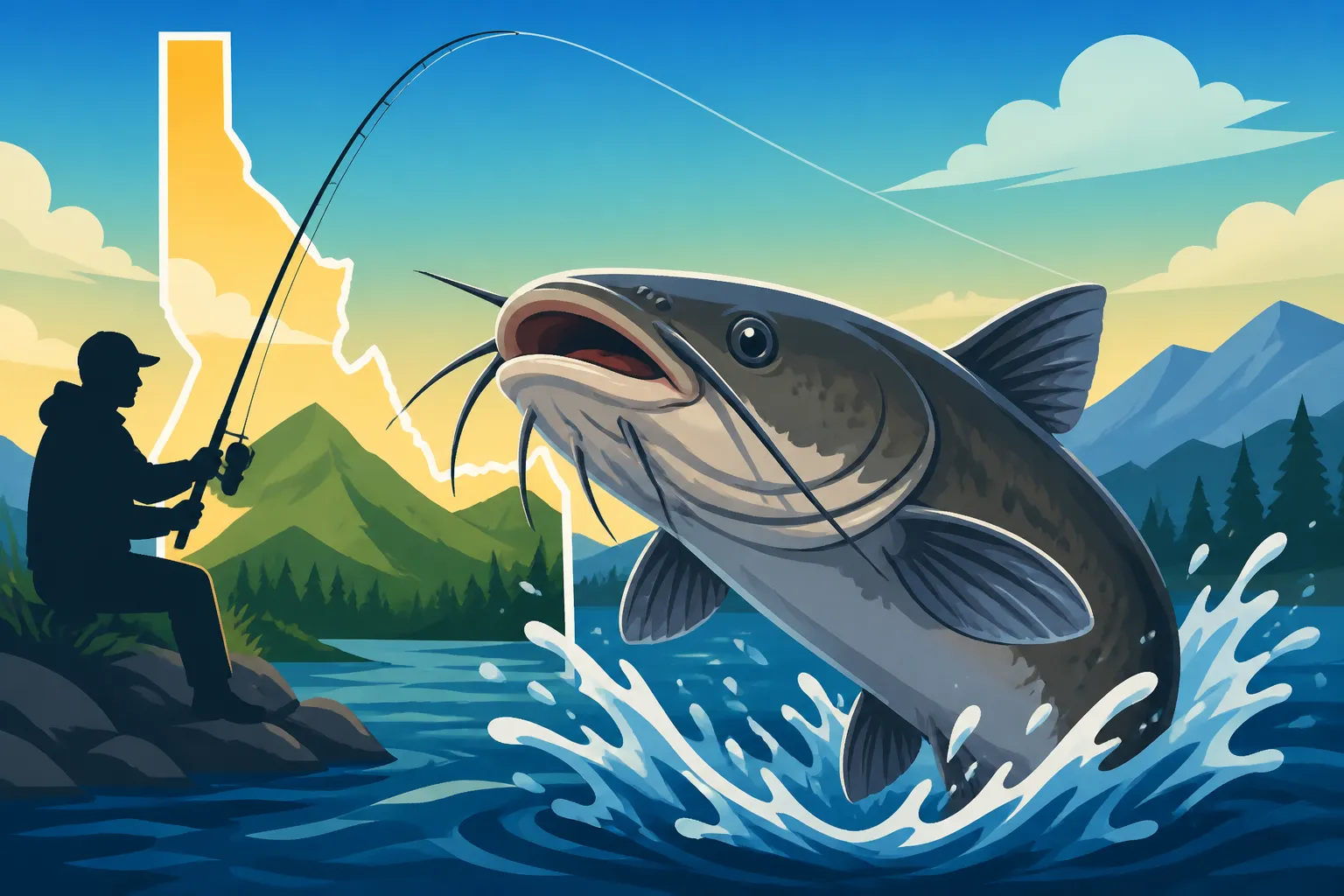
When you decide to go after catfish in Idaho, you'll primarily be targeting Channel Catfish. These are identified by their deeply forked tail, smooth, scaleless skin, and those distinctive whiskers, or barbels, around their mouth. While not quite reaching the gargantuan sizes of their flathead cousins found elsewhere, Idaho's Channel Cats can still grow impressively large, often reaching 10-20 pounds, with some reports of even bigger fish being landed. The fight is strong and determined, often described as a steady, deep pull rather than the flashy jumps of a trout. You'll typically find them in deeper holes, around submerged structures like logs or rock piles, and in areas with slower currents in rivers, or near dam faces and creek mouths in reservoirs. If you're really looking for a trophy, understanding the habits of these larger fish can make all the difference.
Prime Idaho Waters for Catfish
Now for the main event! While catfish can be found in many waters across Idaho, certain locations stand out for their consistent populations and potential for larger fish. These are the spots where locals often head when they're craving that unique tug on the line.
Snake River
The mighty Snake River, flowing across southern Idaho, is arguably the state's premier destination for Channel Catfish. This expansive river offers miles of prime habitat, from the calmer stretches below dams to the deeper pools and eddies found throughout its course. The Snake River's warmer temperatures and abundance of food sources make it a catfish haven.
- Best Stretches: Particularly productive areas include the stretches near CJ Strike Reservoir and downstream of Swan Falls Dam. The waters around Brownlee Reservoir and Oxbow Reservoir, while technically border waters with Oregon, are also phenomenal for catfish, often producing some of the largest specimens. These areas often feature deep pools and slower currents adjacent to faster-moving water, creating perfect ambush points for hungry cats. Shore access can be good in many places, but a boat gives you the advantage of exploring deeper holes and less pressured spots.
- Tactics: Fishing from the bank is very popular, especially around boat ramps and public access points. Using heavy conventional tackle with a slip sinker rig or a Carolina rig is the go-to method. You'll want sturdy rods and reels to handle the strong currents and potentially large fish. Don't be afraid to try different depths until you find where they're holding. The bottom is usually where the action is for these scavengers.
- Time of Year: The warmer months, from late spring through early fall, are prime time. Evening and night fishing can be exceptionally good, especially during the peak of summer when the water temperatures are at their highest. Catfish become much more active and feed aggressively under the cover of darkness.
C.J. Strike Reservoir
Located on the Snake River system, C.J. Strike Reservoir is a fantastic, accessible location for catfish enthusiasts. It's known not only for its impressive populations of smallmouth bass and crappie but also for its abundant Channel Catfish, many of which reach respectable sizes. The reservoir's diverse structure, including rocky points, submerged timber, and deep channels, provides excellent habitat.
- Key Areas: Focus your efforts around the creek mouths where smaller tributaries feed into the reservoir, especially after a rain. The main river channel within the reservoir also holds plenty of fish. The area near the dam is another hotspot, as current breaks and deeper water often concentrate catfish. Don't overlook the numerous coves; some of the quietest coves on C.J. Strike Reservoir are often overlooked but can hold significant numbers of fish.
- Fishing Methods: Both boat and shore fishing are effective here. For boat anglers, anchoring near submerged structure or channel edges and deploying multiple lines is a common strategy. Shore anglers can find success from numerous points and access areas. Cut bait, dead smelt, or nightcrawlers fished on the bottom are highly effective. You might also encounter bullheads here, which are smaller but still fun to catch.
- Best Season: Summer is undoubtedly the best time for catfishing at C.J. Strike. The reservoir's waters warm up nicely, triggering a feeding frenzy among the catfish. Early morning and late evening bites are often the most productive, but night fishing can be phenomenal.
Brownlee Reservoir
Sharing a border with Oregon, Brownlee Reservoir is part of the Snake River Hells Canyon complex and is renowned for its trophy Channel Catfish. This massive reservoir boasts warm waters, extensive submerged cover, and a rich food base, allowing catfish to grow to truly impressive sizes. If you're chasing a true Idaho trophy cat, Brownlee is where you'll want to be.
- Hotspots: The upper reaches of the reservoir, where the Snake River feeds in, are often very productive due to the inflow of nutrients. Other excellent areas include deeper coves, around submerged brush and trees, and the main river channel. Areas near the old homesteads and submerged structures can also hold big fish.
- Recommended Gear & Bait: Given the potential for larger fish, heavier gear is a must. A stout rod (medium-heavy to heavy action), a robust reel spooled with 20-30 lb monofilament or braid, and strong hooks (4/0 to 6/0 circle hooks are excellent for catfish) are recommended. Popular baits include cut anchovies, shad, chicken liver, and commercial catfish stink baits. Some anglers even use hot dogs soaked in garlic.
- Peak Season: Late spring through fall offers the best catfishing, with summer being peak activity. Night fishing is particularly effective, especially for the larger, more cautious cats. Anglers regularly report catching fish in the 20-30 pound range, with occasional giants pushing even higher.
Lake Lowell
Just outside of Nampa, Lake Lowell is a surprising little gem for catfishing, especially for families or those looking for an easy, close-to-town fishing experience. While not known for trophy fish like Brownlee, it offers consistent action for eater-sized Channel Catfish, along with respectable populations of crappie and bass. It’s definitely why Lake Lowell Is an Easy First Trip for Nampa Families looking for a good time.
- Access & Structure: Lake Lowell is easily accessible with multiple access points and boat ramps. Shore fishing is popular along much of its perimeter. Focus on areas with deeper water near drop-offs, especially around the dam face and any submerged brush piles. The reservoir is relatively shallow overall, so targeting the deeper pockets is key.
- Simple Techniques: Standard bottom fishing rigs with nightcrawlers, chicken liver, or even corn can be very effective. It’s a great place to introduce kids to catfishing due to the frequent bites and manageable fish sizes. A medium-action spinning rod is usually sufficient.
- When to Go: Like most Idaho catfish spots, summer is the best time. Early mornings and evenings are productive, but you can often catch fish throughout the day, especially if you find a shaded, deeper spot.
| Water Body | Primary Catfish Species | Best Season | Average Size (lbs) | Notable Features |
|---|---|---|---|---|
| Snake River | Channel Catfish | Late Spring-Fall | 5-15 (trophies possible) | Vast, diverse habitat, strong current areas, many access points |
| C.J. Strike Reservoir | Channel Catfish | Summer | 3-10 (up to 20) | Good structure, boat & shore access, close to Boise |
| Brownlee Reservoir | Channel Catfish | Late Spring-Fall | 10-25 (trophies >30) | Renowned for trophy cats, remote feel, large size |
| Lake Lowell | Channel Catfish | Summer | 2-8 | Family-friendly, easy access, consistent action |
Many anglers looking to explore new waters, or even book a guide for the first time, often turn to resources like FishingBooker to compare options and read reviews, especially for a large water body like the Snake River or Brownlee.
Essential Tips and Techniques for Idaho Catfish
Catching catfish in Idaho isn't rocket science, but a few tried-and-true techniques and considerations can significantly increase your success rate. These fish are often found on the bottom, relying heavily on their sense of smell, so your bait choice and presentation are paramount.
Bait Selection: The Scent is Key
Catfish are primarily scavengers and opportunistic feeders, meaning they're drawn to strong scents. Forget the fancy lures; stinky bait is usually the name of the game.
- Cut Bait: This is a perennial favorite for a reason. Using pieces of oily fish like shad, mackerel, or even smaller kokanee (if legal to use as bait and you've got them) can be incredibly effective. The scent trail they release in the water is irresistible to catfish. Be sure to check your Idaho fishing regulations explained to ensure any bait fish you use are legal.
- Chicken Livers: A classic for Channel Cats. The soft texture and strong, bloody scent make them a top choice. They can be a bit messy to work with and prone to coming off the hook, but their effectiveness is undeniable. Some anglers let them sit out in the sun for a bit to really "ripen" them.
- Nightcrawlers/Worms: Simple, readily available, and effective. A big ball of nightcrawlers on a hook can attract a lot of attention, especially from smaller cats and other species like trout, but larger Channel Cats will hit them too. They're a great choice for beginner-friendly waters or if you want to catch a variety of fish.
- Prepared Stink Baits: There are many commercial "stink baits" on the market, ranging from dough balls to punch baits, specifically designed for catfish. Brands like Berkley PowerBait for Catfish often perform well. These can be especially handy when you don't want to deal with the mess of fresh bait.
- Other Options: While less common in Idaho, things like shrimp, hot dogs, and even corn (especially for smaller bullheads) can sometimes work. It never hurts to experiment, but the core smelly options are usually your best bet. If you're looking for a more comprehensive guide to bait and tackle, "Best Bait and Lures for Idaho Fishing" might be a good read.
Rigging Up for Success
A good rig ensures your bait gets to the fish and stays there, even with a strong bite.
- Bottom Rig (Slip Sinker Rig): This is perhaps the most common and versatile setup. It consists of a weight (usually an egg sinker or pyramid sinker) that slides freely on your main line, followed by a swivel, a leader (12-24 inches), and a hook. The sliding sinker allows the fish to pick up the bait and move off without feeling the resistance of the weight, giving you a better hookset.
- Carolina Rig: Very similar to the slip sinker rig, often used in waters with less current or when you want the bait to drift a bit more naturally. The weight is still free-sliding, but the length of the leader can be adjusted to present the bait closer or further from the bottom.
- Three-Way Swivel Rig: Useful in situations where you want to keep your bait slightly off the bottom or in areas with snags. One eye of the swivel ties to your main line, another to a short leader (6-12 inches) with a weight, and the third to a longer leader (12-36 inches) with your hook and bait. This allows the bait to flutter enticingly above the bottom.
- Hooks: Circle hooks are highly recommended for catfishing, especially if you plan to catch and release any fish. They are designed to hook the fish in the corner of the mouth, minimizing gut hooks and increasing survival rates. Sizes typically range from 2/0 to 6/0, depending on the size of the bait and target fish.
Timing Your Catfish Excursion
While catfish can be caught year-round in some Idaho waters, understanding their seasonal patterns will significantly improve your catch rates.
- Summer is Prime Time: As mentioned earlier, the warmer waters of summer (June-August) are when Channel Catfish are most active and feed aggressively. They're constantly on the hunt for food, making them easier to target. This aligns perfectly with many of the Idaho fishing season dates and limits for warm-water species.
- Spring Warm-Up: As water temperatures rise in late spring (May-June), catfish start to become very active after their winter lethargy. This can be a great time to target them, especially in shallower areas as they move in to feed and prepare for spawning.
- Fall Transition: Early fall (September-October) can still offer excellent catfishing as fish feed heavily to bulk up for winter. As water temperatures drop, their activity will gradually slow.
- Night Fishing Advantage: Don't underestimate the power of night fishing for catfish. They are largely nocturnal feeders, and some of the biggest fish are often caught after dark. Pack a headlamp, insect repellent, and be prepared for a different kind of angling experience.
Navigating Idaho's Catfish Regulations
Even for species like catfish, it's crucial to understand and adhere to Idaho's fishing regulations. While not as complex as steelhead or salmon rules, knowing the basics will ensure you have a legal and enjoyable trip. The Idaho Department of Fish and Game (IDFG) sets these rules to manage fish populations sustainably.
License Requirements
First and foremost, unless you're fishing on a designated Free Fishing Day, you will need an Idaho fishing license. This applies to almost everyone over the age of 14.
- Age Requirements: Generally, anyone 14 years or older needs a license. Kids under 14 can usually fish without a license, but they must adhere to the same bag limits as licensed anglers. It’s always best to consult the official IDFG regulations for the most current information on Idaho Fishing License Age Requirements.
- Residency: Whether you're an Idaho resident or an out-of-state visitor, a license is mandatory. The cost will vary, so be sure to check the Idaho Resident Fishing License Cost or the Idaho Nonresident Fishing License Cost depending on your situation.
- Where to Buy: You can easily obtain an Idaho fishing license online through the IDFG website, at most sporting goods stores, or from authorized license vendors across the state. For details, see How to Buy an Idaho Fishing License.
Bag Limits and Possession Limits
Idaho does have daily bag limits and possession limits for Channel Catfish, just like other game fish. These limits can vary by water body, so it's absolutely vital to check the current IDFG fishing regulations brochure or website before you head out.
- Statewide General Rule: In many general waters, you might find a daily bag limit for Channel Catfish, such as 15 fish. However, this is just an example, and specific waters may have different rules. For instance, the Idaho Daily Bag Limit for Channel Catfish might differ significantly in a special regulation water compared to a general rule water.
- Possession Limit: The possession limit refers to the maximum number of fish you can have in your possession at any given time, including those at home in your freezer. This is often twice the daily bag limit but can vary.
- Checking Regulations: The official IDFG website or their annual fishing rule book (available at license vendors) is your best source for up-to-date and specific regulations for the waters you plan to fish. Never assume; always verify. These rules are put in place to ensure sustainable fishing for everyone.
Following these regulations helps ensure that Idaho's catfish populations remain healthy and provide excellent fishing opportunities for years to come. It’s part of being a responsible angler in the Gem State.
Disclaimer
Please be aware that fishing regulations, season dates, and access points can change. Always consult the most current Idaho Department of Fish and Game regulations brochure or their official website before planning any fishing trip to ensure you are up-to-date on all rules and requirements. This guide provides general information and recommendations but should not be considered a substitute for official regulations.