Fishing Ponds and Streams in the Boise National Forest
It’s a common dilemma for anglers living in or visiting Boise: you crave that serene mountain stream experience or a peaceful afternoon casting into a quiet pond, but you don’t want to spend half your day driving. The good news is, Idaho's capital city is uniquely positioned right at the doorstep of the vast and beautiful Boise National Forest, offering a treasure trove of fishing opportunities that are far more accessible than you might imagine. This guide will take you through the best ponds and streams within this incredible resource, helping you find your next perfect catch without venturing too far from civilization.
Why the Boise National Forest is a Go-To for Anglers
The Boise National Forest isn't just a scenic backdrop to the city; it's an expansive playground covering over 2.5 million acres, stretching from the edge of the urban landscape into rugged wilderness. For anyone with a passion for fishing, it represents an incredible opportunity to connect with nature and pursue a wide variety of fish species, primarily different types of trout, often just a short drive away. It's the perfect antidote to the hustle and bustle of city life, offering everything from roadside pull-offs to remote, hike-in gems.
A Breath of Fresh Air Close to Home
One of the biggest frustrations for anglers can be the sheer time commitment involved in reaching quality fishing spots. You envision that tranquil stream or still pond, but then you dread the hours of driving. That’s where the Boise National Forest truly shines. Many fantastic fishing locations are nestled within an hour or two’s drive from downtown Boise, making it entirely possible to squeeze in a morning or afternoon of casting without needing to pack for an overnight expedition. This proximity means less time behind the wheel and more time with a line in the water, which is a win in any angler's book.
Imagine finishing work on a Friday, grabbing your gear, and being able to find yourself by a pristine mountain stream before dinner, hearing nothing but the rush of water and the chirping of birds. This accessibility makes it ideal for impromptu trips, family outings, or just escaping for a few hours to decompress. Whether you're a seasoned fly-fisher or introducing a youngster to the joys of bait fishing, the ease of reaching these spots significantly reduces the barrier to entry, allowing for more frequent and spontaneous adventures. It's this blend of wild beauty and convenient access that makes the Boise National Forest an absolute gem for local and visiting anglers alike.
Diverse Waters for Every Skill Level
Beyond its convenient location, the Boise National Forest boasts an impressive diversity of aquatic environments. You’re not limited to just one type of fishing experience here; the landscape provides everything from placid, well-stocked ponds perfect for beginners and families to challenging, fast-flowing mountain streams teeming with wild trout. This variety means that no matter your skill level or preferred fishing method, you're likely to find a water body that perfectly suits your desires.
For those just starting out, or with small children in tow, the various ponds often provide easy bank access and a high chance of success, thanks to regular stocking by Idaho Fish and Game. These spots are fantastic for teaching casting basics, identifying fish, and instilling a love for the outdoors. On the other hand, experienced anglers seeking a greater challenge can venture into the numerous creeks and rivers that crisscross the forest. These waters demand more technical skill, a keen eye for reading water, and often a willingness to hike, but they reward persistence with feisty, wild trout and unparalleled solitude. You might even find yourself looking for local experts to help navigate these more complex waters; resources like FishingBooker can be helpful for finding guides who specialize in these varied terrains and techniques. This rich tapestry of fishing opportunities ensures that every visit can offer a new adventure, a different challenge, and a unique connection with Idaho's stunning natural environment.
Navigating the Waters: Top Ponds and Streams to Explore
Exploring the Boise National Forest for fishing can feel a bit overwhelming with so many options. To help you narrow it down, let's break down some of the most popular and productive spots, categorized by the type of experience they offer. Whether you're seeking easy access or a bit more adventure, there’s a perfect spot waiting for you.
Accessible Pond Fishing for Families and Beginners
For those looking for a relaxing day of fishing without the need for extensive hiking or technical skills, the Boise National Forest offers several excellent ponds. These spots are often well-maintained, easily reachable by vehicle, and frequently stocked, making them ideal for families with kids or anyone new to fishing.
One fantastic option is Horseshoe Bend Mill Pond, located just outside the town of Horseshoe Bend as you head north into the forest. This pond is specifically managed for family fishing, offering good access, picnic tables, and even restrooms. It’s regularly stocked with rainbow trout, and you might also find some bass or panfish. The calm waters and easy casting make it a perfect place to introduce children to fishing, guaranteeing a higher chance of a bend in the rod. Another beloved spot is Rotary Pond in Idaho City. This charming pond, situated right in the historic town, is another excellent choice for easy access and family fun. Like Horseshoe Bend Mill Pond, it's typically stocked with rainbow trout, providing consistent action for anglers of all ages. You can combine a fishing trip here with a visit to Idaho City's gold rush era attractions, making it a full day adventure. Remember, even at these accessible ponds, you’ll still need an Idaho Fishing License Guide to ensure you're fishing legally.
A bit further up, in the areas surrounding Bogus Basin, you’ll find the Park N' Ski Ponds. While primarily known for winter recreation, in the warmer months, these ponds offer a serene fishing experience. They are smaller and can sometimes require a short walk, but they offer a peaceful escape. Rainbow trout are the main draw here, and the cooler, higher elevation often means a refreshing fishing environment during hot summer days. These ponds are less crowded than some lower-elevation spots, providing a more intimate angling experience. Always check the current Idaho Fishing Season Dates and Limits before heading out, as regulations can vary.
Serene Stream Fishing for the Adventurous Soul
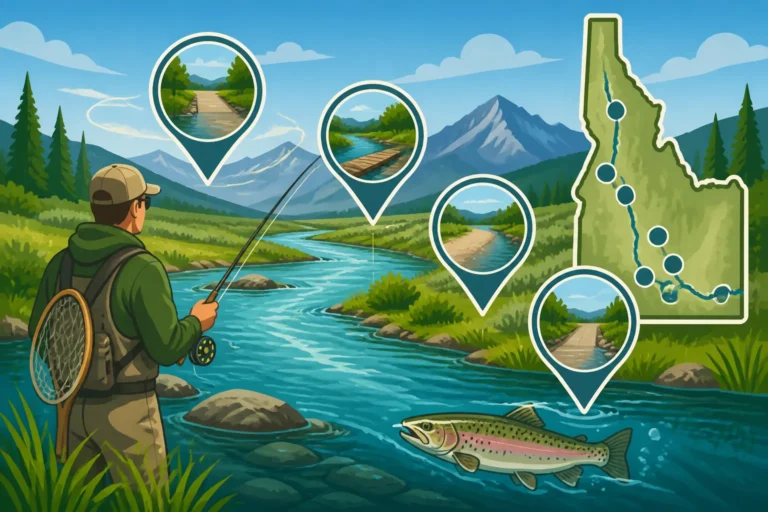
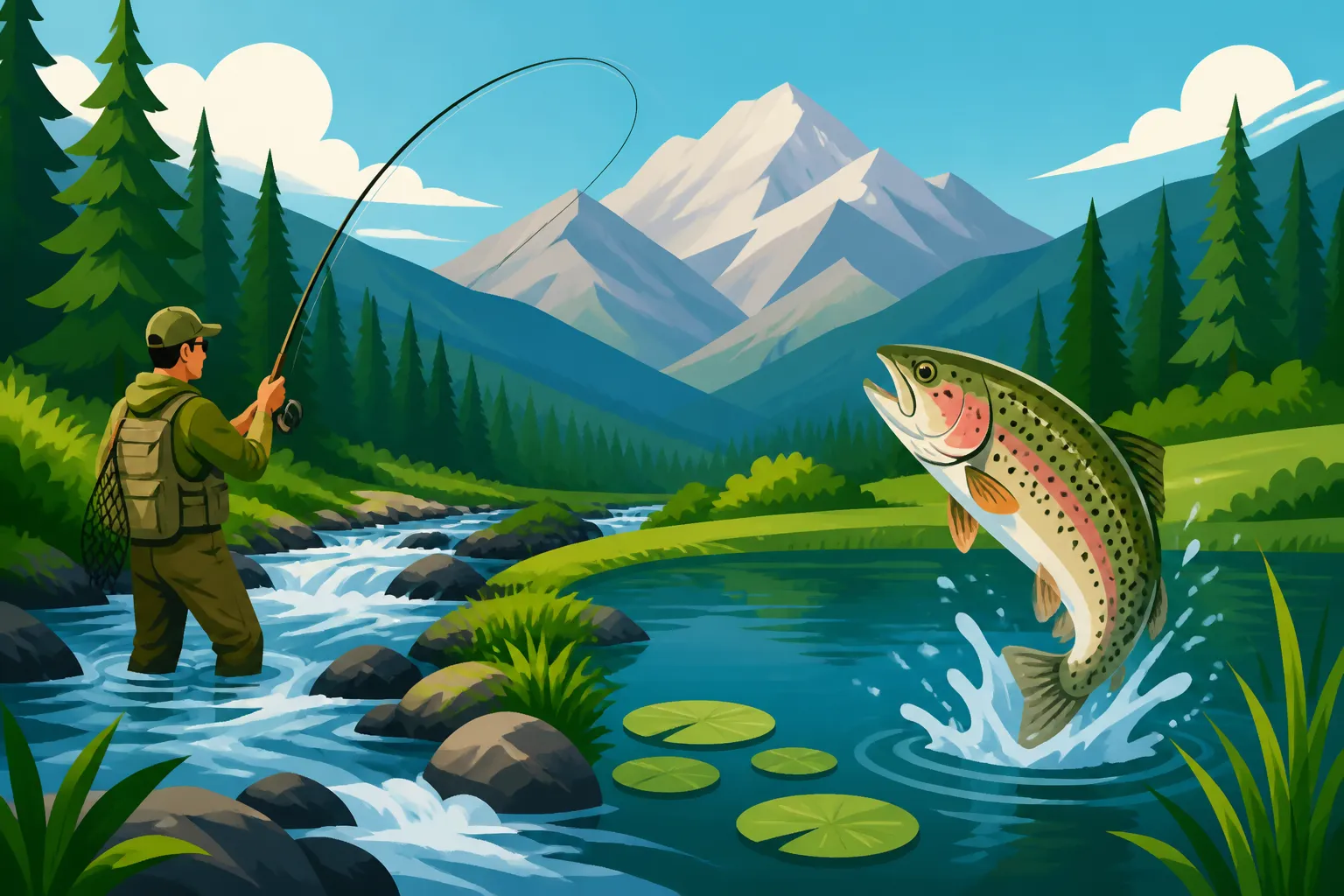
If the gentle ripple of a stream and the challenge of outsmarting a wild trout are more your speed, the Boise National Forest has an abundance of creeks and rivers that will call to you. These waters offer a more immersive, often secluded experience, demanding a bit more skill and effort but delivering immense rewards.
The many tributaries of the Boise River itself, as they wind through the National Forest, are prime targets. Streams like Mores Creek and Crooked River, accessible from various points off Highway 21 heading towards Idaho City, are fantastic for spin fishing or fly fishing. These waters are typically home to rainbow, cutthroat, and brook trout. The terrain can be varied, from easily accessible stretches near roads to more remote sections that require bushwhacking. When fishing these streams, learning Idaho Fishing Techniques Guide specific to moving water can greatly increase your success. You might find yourself drifting nymphs or casting small spinners, trying to entice the wary trout hiding in pockets and runs. For those keen on targeting specific species, exploring an Idaho Cutthroat Trout Fishing Guide can provide valuable insights into where and how to find these beautiful native fish.
Further north, within the extensive network feeding into the South Fork Payette River, you'll discover pristine waters like Tenmile Creek and Clear Creek. These streams often involve a bit more driving and potentially some hiking to reach the best spots, but the solitude and the chance at truly wild fish are well worth the effort. The fish in these remote waters tend to be less pressured and incredibly eager to strike. This is where a lightweight fly rod or a sensitive ultralight spinning setup really shines. When planning a trip to these more remote areas, it's always wise to let someone know your plans and expected return time. If you're new to these types of challenging waters, seeking a local guide can be invaluable; many skilled guides list their services on platforms like FishingBooker, offering deep local knowledge.
High-Elevation Gems Requires a Bit More Effort
For the angler who truly seeks escape and is willing to put in the physical effort, the Boise National Forest is dotted with numerous high-elevation ponds and small alpine lakes, as well as their feeder streams. These aren't your roadside pull-offs; they require hiking, often over rugged terrain, but the reward is unparalleled solitude and the chance to catch vibrant, wild trout in breathtaking settings.
Many of these smaller, unnamed lakes and ponds are found tucked away in the higher reaches of the forest, accessible via various hiking trails. You won’t find them on every map, and that's part of their charm. These waters are often cold, clear, and hold populations of brook, rainbow, or even cutthroat trout that have either been historically stocked by Idaho Fish and Game or are self-sustaining. The fish here are typically smaller but incredibly beautiful and feisty. Backpacking into these areas for an overnight trip can turn a simple fishing excursion into an unforgettable wilderness adventure. For a general overview of similar opportunities, consider checking out resources like a Best Lakes for Fishing in Idaho guide, though many of these small, high-country gems are best discovered through personal exploration and word-of-mouth.
The small streams that feed these high-elevation lakes, or originate from snowmelt and springs, are also fantastic targets. These trickling waters often hold surprisingly large fish that have migrated upstream. Fishing these tiny waters is a true exercise in stealth and precision, often requiring short casts and careful approaches to avoid spooking the fish. The experience is less about catching a trophy and more about the immersion in pristine wilderness, the challenge of the hunt, and the sheer beauty of your surroundings. Remember, even in these remote areas, Idaho Fishing Regulations Explained still apply, so make sure you understand the rules for these special waters.
Essential Tips for Fishing in the Boise National Forest
Embarking on a fishing trip in the Boise National Forest is an incredible experience, but a little preparation goes a long way. Understanding the rules, having the right gear, and knowing the best times to go can make all the difference between a frustrating outing and a truly memorable one.
Licenses, Regulations, and Respecting the Land
Before you even think about casting a line, the absolute first step is to ensure you have the correct Idaho fishing license. It's a non-negotiable requirement for nearly all waters, whether you're a resident or an out-of-state visitor. You can easily purchase your license online through the Idaho Fish and Game website or at many local sporting goods stores. Be aware that even kids may need a license depending on their age; check the Idaho Fishing License Age Requirements for current details.
Beyond the license, it’s crucial to familiarize yourself with the specific regulations for the waters you plan to fish. The Boise National Forest is vast, and different streams, rivers, and ponds can have varying rules regarding bag limits, size restrictions, and even specific tackle requirements. For example, some areas might be catch-and-release only, or have specific restrictions on bait usage. You can find comprehensive details in the latest Idaho Fishing Regulation Brochure, usually available online or at license vendors. Always practice Leave No Trace principles: pack out everything you pack in, avoid disturbing wildlife, and leave the area better than you found it. This ensures these beautiful spots remain pristine for future generations of anglers. If you're ever in doubt about specific rules or want to find a local expert who knows all the nuances, consider using a service like FishingBooker to connect with a knowledgeable Idaho fishing guide.
| Location Type | Common Fish Species | Ease of Access | Recommended Skill Level | Typical Fishing Method | Notes |
|---|---|---|---|---|---|
| Horseshoe Bend Mill Pond | Rainbow Trout, Bass, Panfish | Very Easy (roadside) | Beginner-Family | Bait, Spin | Regularly stocked, great for kids, amenities nearby. |
| Rotary Pond (Idaho City) | Rainbow Trout, Panfish | Very Easy (town access) | Beginner-Family | Bait, Spin | Stocked, historic town nearby, pleasant setting. |
| Park N' Ski Ponds | Rainbow Trout | Easy (short walk from parking) | Beginner-Intermediate | Bait, Spin, Fly | Cooler temps, less crowded, seasonal access. |
| Mores Creek / Crooked River | Rainbow, Cutthroat, Brook Trout | Moderate (some roadside, some hike-in) | Intermediate-Advanced | Spin, Fly | Varied terrain, wilder fish, requires reading water. |
| Tenmile / Clear Creek | Rainbow, Cutthroat, Brook Trout | Moderate-Difficult (longer drive, hike-in) | Intermediate-Advanced | Spin, Fly | More remote, greater solitude, pristine environment. |
| High-Elevation Lakes/Ponds | Brook, Rainbow, Cutthroat Trout | Difficult (hiking required, often overnight) | Advanced | Fly (light tackle), Spin | Wilderness experience, wild fish, breathtaking scenery. |
Gear Up Right
Having the right gear doesn't mean you need to break the bank, but it does mean choosing equipment appropriate for the type of water you'll be fishing. For the smaller ponds and streams of the Boise National Forest, lighter tackle is generally more effective and enjoyable.
For pond fishing, a simple spinning rod and reel combo, typically 5 to 6 feet long with light line (4-6 lb test), is perfect. A variety of baits work well, from powerbait and worms to small spinners and spoons. Make sure to check Idaho Rules on Using Live Bait as some areas have restrictions. For stream fishing, especially if you're venturing into tighter, brushier areas, an ultralight spinning setup (4-5 ft rod, 2-4 lb test line) or a shorter fly rod (6.5-8 ft, 3-5 weight) will give you better control and make casting in tight quarters much easier. Small inline spinners, spoons, and a selection of dry flies, nymphs, and streamers are usually productive. Don't forget essentials like a small landing net (especially for catch-and-release), a pair of pliers for hook removal, sunscreen, bug spray (those mountain mosquitoes can be relentless!), and plenty of water. Waders and sturdy wading boots are highly recommended for stream fishing to safely access different spots and stay comfortable. For those interested in learning more about specific techniques for Idaho waters, an Idaho Fishing Techniques Guide can offer invaluable advice.
Best Times to Visit
Timing can play a huge role in your fishing success and overall enjoyment in the Boise National Forest. Generally, the fishing season kicks off in earnest as the snow melts and stream flows begin to stabilize, usually from late April through May.
Spring (April-June): As runoff subsides and waters clear, spring can be fantastic, especially for trout. The fish are often hungry after winter and actively feeding. However, some high-elevation spots might still be snow-bound or inaccessible due to muddy roads. Lower elevation ponds will be readily accessible.
Summer (July-August): This is prime time for accessing nearly all waters, including high-mountain lakes. Early mornings and late evenings are typically the most productive times, as midday heat can make fish lethargic. Focus on shaded areas or deeper pools in streams during peak heat. This is also when the bug hatches are most prolific for fly anglers. For a comprehensive look at how seasons impact fishing, refer to Best Time of Year to Fish in Idaho.
Fall (September-October): Many anglers consider fall to be the most beautiful time to fish, with vibrant foliage and fewer crowds. Fish are often actively feeding to bulk up for winter, making for excellent action. Water levels are usually lower and clearer, which can make fish spookier but also easier to spot. Higher elevation spots may start to see colder weather and early snow, so always check conditions.
Winter (November-March): While most streams and many ponds will be frozen or too cold for comfortable fishing, some lower-elevation waters might still be accessible on milder days, and ice fishing becomes an option on certain lakes, though this is less common in the Boise National Forest streams and ponds themselves and more so on larger regional reservoirs. Always consult Idaho Fishing Regulations Explained for specific winter rules.
No matter when you plan your trip, always check local weather forecasts and road conditions before heading out, especially when venturing into higher elevations. Forest roads can be unpredictable, and seasonal closures are common.
Disclaimer
The information provided in this guide is for general informational purposes only and is subject to change. Fishing regulations, season dates, and access points can vary and are regularly updated by the Idaho Department of Fish and Game. Always consult the most current Idaho Fishing Regulations publication or the Idaho Fish and Game website before planning your trip to ensure compliance with all laws and to ensure your safety. Fishing, like all outdoor activities, carries inherent risks. Please recreate responsibly and be aware of your surroundings.