Fishing the Middle Fork of the Salmon River
There’s a certain kind of frustration that sets in when you dream of fishing Idaho’s legendary Middle Fork of the Salmon River, only to realize how complex the planning can be. It’s not just showing up with a rod; it’s about permits, logistics, and understanding an entirely different kind of wild water. This comprehensive guide is here to untangle all that, giving you the real-world insights and practical advice you need to plan an unforgettable angling adventure on one of America’s most pristine rivers.
The Untamed Majesty of the Middle Fork of the Salmon River
The Middle Fork of the Salmon River isn't just another Idaho waterway; it's a profound experience, a journey into the heart of one of the largest roadless wilderness areas in the lower 48 states. This river is a wild, free-flowing marvel that carves its way through deep canyons and pristine forests, offering an escape from the modern world that few places can match. For anglers, it’s not merely a fishing trip; it's an immersion into an ecosystem that feels untouched by time. The sheer isolation, the breathtaking scenery, and the challenging yet rewarding fishing are what make it truly legendary.
Why the Middle Fork is a Legendary Destination
What truly sets the Middle Fork apart from other prime fishing locations is its unique combination of raw wilderness, spectacular geology, and unparalleled native fish populations. You're talking about a river that runs over 100 miles without a single dam, flowing through the Frank Church-River of No Return Wilderness Area. The canyons here are grand, carved by millennia of water, revealing ancient pictographs and natural hot springs along the way. It’s a place where you can genuinely feel small in the best possible way, where the sounds of civilization are replaced by the rush of rapids and the calls of ospreys. This isn't just good fishing; it's an adventure that defines a lifetime, a place that tests your skills and rewards you with moments of pure, untainted nature.
The fish themselves contribute immensely to its legendary status. The Middle Fork is renowned as one of the last strongholds for genetically pure Westslope Cutthroat Trout. These aren't your typical hatchery-raised stockers; these are wild, vibrant fish that have adapted to their challenging environment, offering a fight that's as spirited as their colorful markings. Beyond the cutthroat, you might encounter bull trout, another native species that signifies the incredible health of this watershed. The opportunity to pursue these iconic fish in their natural, unaltered habitat is what draws anglers from across the globe, seeking an authentic wilderness angling experience.
Moreover, the entire experience of being on the Middle Fork is transformative. Imagine camping on pristine white sand beaches each night, with no cell service to interrupt the symphony of the river and the stars. The camaraderie with fellow adventurers, the shared stories around a campfire, and the collective awe inspired by the surroundings create memories that stick with you long after you've left the river. It's a place that strips away the unnecessary, bringing you closer to nature and, in many ways, closer to yourself. This isn't just a fishing destination; it's a pilgrimage for those who seek the heart of the wild.
Understanding the Wilderness Experience
Embarking on a Middle Fork trip means embracing a true wilderness experience, which comes with its own set of rules and expectations. This isn't a drive-up-and-fish kind of place. Access is strictly controlled, and once you're on the river, you are largely self-sufficient, relying on your group or your guide for everything. The journey itself typically involves a multi-day float trip, ranging from 6 to 8 days, covering many miles of river. This extended stay deep within the wilderness demands preparation, resilience, and a profound respect for the environment.
The "wilderness" aspect extends to every facet of the trip. There are no lodges, no stores, no easy resupply points once you launch. Every piece of food, every piece of gear, and every drop of water (beyond what you purify from the river) must be brought in and packed out. This "pack it in, pack it out" philosophy is paramount to preserving the pristine nature of the Frank Church-River of No Return Wilderness. This includes human waste, which must be collected in portable toilets and removed from the wilderness, a detail that often surprises first-timers but is a critical part of maintaining the river's ecological integrity.
Furthermore, the isolation means that emergency services are far away. While many guided trips carry satellite phones or communication devices for emergencies, a serious incident can take hours or even a full day to respond to. This reality underscores the importance of being well-prepared, sober, and aware of your surroundings at all times. The Middle Fork offers unparalleled beauty and incredible fishing, but it demands a level of responsibility and self-reliance that might be unfamiliar to those accustomed to more accessible outdoor recreation. It's an intense experience, but one that fosters a deeper connection to nature and a profound sense of accomplishment.
Unique Challenges and Rewards for Anglers
Fishing the Middle Fork presents a unique blend of challenges and rewards that shape the entire angling experience. The primary challenge often lies in accessing the remote stretches of water and dealing with the logistics of a multi-day float trip. Once you're on the water, the ever-changing conditions of a wild river – varying flows, water clarity, and insect hatches – demand adaptability and keen observation. The river is often fished from a raft or drift boat, requiring anglers to make quick, accurate casts while floating downstream, a skill that takes practice.
However, these challenges are precisely what make the rewards so incredibly sweet. The reward is often a stunning Westslope Cutthroat Trout, caught on a dry fly in a spectacular wilderness setting, miles from any road. These fish, known for their aggressive takes and vibrant colors, are a true prize. Catching them in such an untamed environment elevates the experience beyond simply landing a fish; it’s a testament to your skill and patience in harmony with nature. The sheer beauty of the surroundings, from towering cliffs to dense forests, forms an unforgettable backdrop to every cast.
Beyond the immediate thrill of the catch, the Middle Fork offers a profound sense of peace and connection. The absence of modern distractions allows for a heightened awareness of the natural world. You might spot an elk on the bank, a bighorn sheep scaling a cliff, or an eagle soaring overhead. These moments, often shared with friends or family, become cherished memories. The Middle Fork truly exemplifies the idea that sometimes, the greatest fishing rewards aren't just about the fish, but about the entire journey and the unforgettable wilderness immersion it provides.
Navigating Access: Getting to the Middle Fork's Pristine Waters
Getting to the Middle Fork isn't as simple as driving up to a trailhead. It’s a carefully managed process designed to preserve the wilderness character of the river and the surrounding Frank Church-River of No Return Wilderness. This management means that access is controlled, primarily through a permit system, which can feel intimidating at first glance. However, understanding the system and your options—whether you plan a fully guided trip or a self-supported adventure—is key to unlocking this incredible fishing destination.
The Permit System: Your Golden Ticket
The permit system for the Middle Fork of the Salmon River is arguably the most critical aspect of planning your trip. Because the river is a designated Wild and Scenic River within a federal wilderness area, the U.S. Forest Service manages use to prevent overcrowding and protect the delicate ecosystem. This means that during the high-use season (typically May 28 to September 3), you absolutely must have a permit to float the river. Without it, your trip won't happen.
Acquiring a permit is highly competitive. Most permits are allocated through a lottery system, with applications usually accepted the previous year (e.g., apply in the fall for the following summer). Thousands of people apply for a limited number of launch dates, making it one of the toughest permits to draw in the nation. There are also a small number of "last-minute" permits that can become available through cancellations or a secondary lottery, but relying on these is a high-risk strategy. If you're serious about a DIY trip, understanding the Idaho Fishing Permits and Stamps Explained article and applying early is non-negotiable.
For those who don't win the lottery or prefer not to deal with the complexities of a DIY trip, licensed outfitters hold a significant number of permits. Booking a trip through an outfitter bypasses the need for you, as an individual, to secure a permit. This is often the most reliable way to experience the Middle Fork, especially if your schedule isn't flexible enough to gamble on the lottery. The permit system, while strict, serves a vital role in ensuring that every visitor gets to experience the Middle Fork in its wild, unspoiled glory, free from the impacts of overuse.
Guided Trips: The Path of Least Resistance
For many anglers, especially those new to multi-day wilderness floats or those who simply want to maximize their time on the water without logistical headaches, a guided trip is the ideal solution. Booking with a reputable outfitter means all the complex planning is handled for you: the permit, the rafts, the shuttle, the food, the camp setup, and most importantly, the experienced river guides who know the water and the fish inside and out. It’s the closest thing to a truly stress-free wilderness adventure you can get.
Outfitters on the Middle Fork typically offer all-inclusive packages that cover everything from the moment you meet them in a nearby town (like Stanley or Salmon, Idaho) until you’re dropped off after the trip. This includes delicious meals cooked riverside, comfortable camping arrangements (often with tents, sleeping pads, and chairs provided), and a team of guides dedicated to your safety and enjoyment. For anglers, this means your primary focus can remain on fishing. The guides will navigate the rapids, set up camp, and often even prepare your fishing gear, leaving you free to enjoy the scenery and cast a line. Services like FishingBooker can be a great starting point for researching and comparing different reputable outfitters and their offerings. They often list detailed itineraries, pricing, and guide specialties, making it easier to find a perfect match for your group.
While a guided trip might seem like a more significant financial investment upfront, consider what it includes: expert local knowledge, safety protocols, all necessary equipment, and the removal of all planning burdens. For specialized trips, you can find outfitters who cater specifically to fly fishing, focusing on getting you into the best runs and teaching advanced techniques. Many guides have spent decades on the Middle Fork and possess an intimate understanding of its nuances, from the subtle currents to the best hatches. This local expertise is invaluable, turning what could be a challenging logistical puzzle into a seamless, rewarding journey. If you're considering a longer stay, be sure to ask about Multi-Day Idaho Fishing Trip Packages.
DIY Expeditions: For the Adventurous Spirit
For seasoned river rats, experienced anglers, and those with a strong desire for ultimate independence, a do-it-yourself (DIY) expedition on the Middle Fork is the pinnacle of Idaho wilderness adventures. This path, while incredibly rewarding, demands meticulous planning, significant experience in whitewater boating and wilderness travel, and all the gear needed for a self-supported trip. It's a huge undertaking, but the sense of accomplishment from successfully navigating and fishing this legendary river on your own terms is unmatched.
The core of a DIY trip, as mentioned, is securing that elusive permit. Without it, nothing else matters. Once you have a permit, the real work begins: assembling a capable crew, renting or owning appropriate whitewater rafts or drift boats, planning all meals for 6-8 days (including coolers, cooking gear, and bear-resistant food storage), arranging vehicle shuttles from the put-in (Boundary Creek) to the take-out (Cache Bar), and packing every piece of camping and fishing gear imaginable. This also includes essential safety equipment like first-aid kits, repair kits for rafts, and emergency communication devices. Check out the comprehensive Idaho Fishing Gear Guide by Season to ensure you have everything covered.
The beauty of a DIY trip lies in the complete freedom it offers. You set your own pace, choose your own campsites, and decide where and when to fish. This level of autonomy allows for a deeply personal connection with the river and its environment. However, this freedom comes with immense responsibility. You are entirely accountable for your group's safety, navigation, and adherence to all wilderness regulations, including the strict "pack it in, pack it out" and human waste disposal rules. For those with the experience, the resources, and the thirst for adventure, a DIY Middle Fork trip is an unforgettable wilderness journey that truly tests and rewards your self-reliance.
The Prized Catches of the Middle Fork: What You'll Find on Your Line
The Middle Fork of the Salmon River is renowned for its exceptional trout fishing, particularly for native species. It's a pristine coldwater fishery, largely untouched by stocking efforts, allowing its wild fish populations to thrive. Anglers visiting this river come with the expectation of catching vibrant, healthy fish in a truly wild setting, and the Middle Fork rarely disappoints. Understanding the species you're likely to encounter and their characteristics will enhance your experience and help you tailor your approach.
Westslope Cutthroat Trout: The Native Gem
When you talk about fishing the Middle Fork, the conversation almost always begins and ends with the Westslope Cutthroat Trout. These beautiful fish are the undisputed stars of the river, perfectly adapted to its cold, clear, fast-flowing waters. Their name comes from the distinctive red or orange slash marks found under their jaw, a characteristic that makes them easily identifiable. They are a true native species to this region, making every catch feel like a privilege.
Westslope Cutthroat in the Middle Fork typically range from 10 to 18 inches, with larger specimens pushing past the 20-inch mark, particularly in the lower stretches of the river. What they might lack in sheer size compared to some other trout species, they more than make up for in beauty and willingness to rise to a dry fly. They are opportunistic feeders, often eager to snatch an imitation of a prevalent insect, making for exciting surface action, especially during prolific hatches of stoneflies, caddisflies, and mayflies. Their fight is spirited, often involving acrobatic jumps, making them a favorite target for fly anglers. For more in-depth information, you can dive into our Idaho Cutthroat Trout Fishing Guide.
Beyond their angling appeal, the health of the Westslope Cutthroat population is a key indicator of the Middle Fork's overall ecological integrity. Being a wild, self-sustaining population in such a pristine environment means they are resilient, but also sensitive to environmental changes. Strict catch-and-release practices for all trout species on the Middle Fork ensure these native gems continue to thrive for future generations. Learning about Westslope Cutthroat Trout in Idaho is not just academic; it’s a way to deepen your appreciation for this incredible fishery.
Bull Trout: The Elusive Predator (Catch-and-Release Only)
While Westslope Cutthroat Trout are the bread and butter of Middle Fork fishing, encountering a Bull Trout is a special, often unexpected, treat. Bull Trout are apex predators in their native coldwater habitats, characterized by their olive-green to blue-gray bodies with pale spots, and often sporting reddish-orange hues on their fins and belly during spawning. They are a protected species throughout much of their range, and on the Middle Fork, they are strictly catch-and-release only.
These fish prefer deep, cold pools and often lurk in the shadows or under structure, waiting to ambush smaller fish or large invertebrates. They can grow to impressive sizes, with specimens over 25 inches not uncommon in the Middle Fork, though they are much rarer to catch than cutthroat. Anglers typically target them with larger streamers or nymphs, or occasionally with lures when spin fishing is permitted (though fly fishing is dominant on the Middle Fork). The fight of a large Bull Trout is powerful and determined, often involving deep runs and head shakes, making for an unforgettable encounter. To fully understand the protective measures around this species, read about what the Idaho Bull Trout Protections Mean for Anglers.
Catching a Bull Trout on the Middle Fork is a testament to the river's incredible ecological health. Their presence signifies a robust food web and pristine water quality. It’s crucial to handle these fish with extreme care, minimizing their time out of the water and ensuring a quick, healthy release. Using barbless hooks is not only recommended but often required for all species on the Middle Fork, significantly aiding in the safe release of these magnificent predators. Remember, a picture is great, but the fish's well-being is paramount.
Other Species: Whitefish and Rainbow Trout
While cutthroat and bull trout are the main draws, anglers on the Middle Fork might also encounter other coldwater species, primarily Mountain Whitefish and occasionally some hybridized Rainbow Trout. These encounters add to the diversity of the angling experience, though they are typically not the primary target.
Mountain Whitefish are often overlooked but are a native and important part of the Middle Fork ecosystem. They are streamlined fish with large scales and a small, upturned mouth. While not as flashy as trout, they can offer a surprising fight on light tackle, especially in faster currents. They feed primarily on aquatic insects and are often caught incidentally by anglers targeting trout with nymphs or small dry flies. Some anglers even find them quite palatable if harvested ethically and within regulations (though check specific Middle Fork regulations, as most are catch-and-release). Their presence indicates a healthy benthic invertebrate community, which in turn supports the entire food chain.
Occasionally, you might hook a Rainbow Trout, though pure rainbow strains are less common in the Middle Fork compared to other Idaho rivers, largely due to the dominance of native cutthroat and bull trout. Any rainbow encountered is often a hybrid with a cutthroat, creating what’s known as a "cut-bow." These hybrids share characteristics of both species and can be identified by their mix of cutthroat slashes and rainbow spotting. While less frequent, they offer a similar strong fight to a pure rainbow. Generally, all trout-like species encountered in the Middle Fork should be treated with the same catch-and-release philosophy as the prized cutthroat and bull trout, respecting the wild nature of this incredible fishery.
Mastering Middle Fork Techniques and Tackle
Fishing the Middle Fork of the Salmon River is a unique challenge that rewards thoughtful preparation and adaptable techniques. Given its remote, wild nature and its primary species (Westslope Cutthroat Trout and Bull Trout), certain approaches are far more effective than others. This isn't a place for heavy gear or bait fishing; it's a place where fly fishing truly shines, and where understanding the nuances of the river dictates your success.
Fly Fishing: The Dominant Art Form
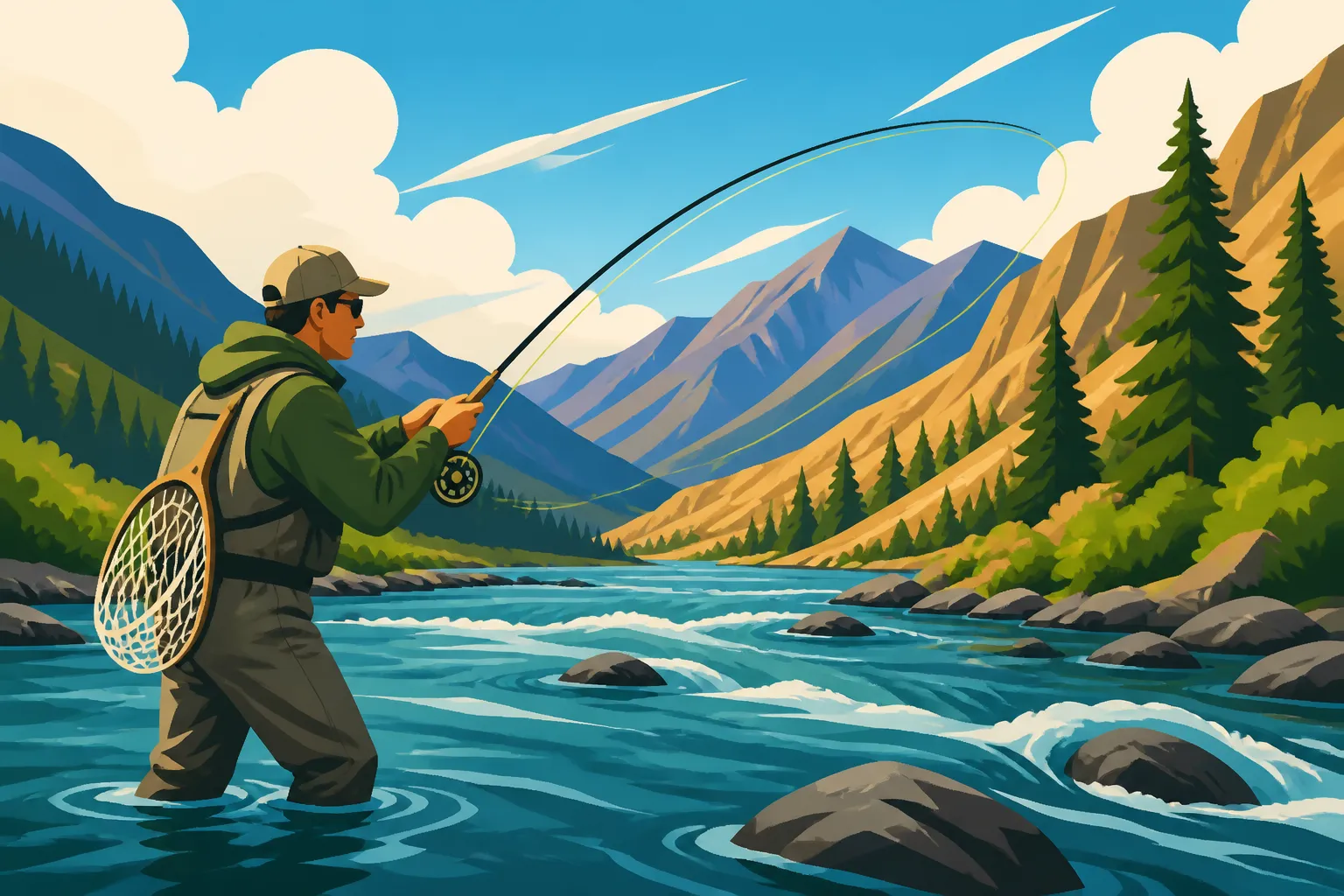
Fly fishing is, without a doubt, the dominant and most effective art form for angling on the Middle Fork. The river's clear waters, abundant insect life, and the eagerness of its native cutthroat to rise to a well-presented fly make it a dry fly angler's paradise. Whether you're casting from a moving raft or wading into a productive run, the challenge and reward of fooling a wild trout with an imitation insect are profoundly satisfying. Learning How to Fly Fish in Idaho is almost a prerequisite for a Middle Fork trip.
During the prime summer months, large attractor patterns often dominate the scene. Think big foam dry flies that imitate grasshoppers, crickets, or large stoneflies (like Chubbies or Stimulators). The cutthroat are not shy, and a perfectly drifted dry fly often results in an explosive take, sometimes multiple fish competing for the same fly. When conditions get tougher, or if you're targeting deeper holding fish, nymphing with patterns like stonefly nymphs, Prince Nymphs, or caddis larvae can be incredibly productive. Often, a "dry-dropper" rig, with a heavy nymph suspended below a buoyant dry fly, is the go-to setup, allowing you to cover both surface and subsurface water simultaneously.
For those pursuing the elusive Bull Trout, stripping large streamers is often the most effective method. Patterns that imitate baitfish, such as Sculpzillas, Sex Dungeons, or articulated leeches in olive, black, or white, can entice these predatory fish out of their hiding spots. A strong leader and tippet are essential when targeting bull trout, as they are powerful fighters and often inhabit snaggy areas. Regardless of the technique, precision casting, thoughtful drifts, and keen observation of insect activity will significantly increase your success rates on this incredible river.
Gear Essentials: What to Pack for the Wilderness
Packing for a Middle Fork fishing trip is about striking a balance between preparedness and minimalist efficiency. Remember, everything you bring must be floated downriver and ultimately packed out. For fishing gear, a reliable 9-foot, 5 or 6-weight fly rod is a versatile choice for most cutthroat situations, paired with a matching reel and a weight-forward floating line. Many anglers also bring a secondary rod, perhaps a 7-weight, rigged with a sinking line or a heavier streamer setup specifically for bull trout.
Beyond rods and reels, your fly selection is paramount. Prioritize sturdy dry flies in various sizes for stoneflies, caddis, and hoppers (sizes 6-14). Include a good assortment of nymphs (Prince, Hare's Ear, Pheasant Tail, Copper John, Stonefly nymphs in sizes 10-16). Don't forget streamers in different colors and sizes (e.g., #2-8) for bull trout. Tippet in 3x, 4x, and 5x, along with leader material, will be crucial. Remember, barbless hooks are the rule here, so either buy them that way or pinch down the barbs on all your flies before you go.
Other essential gear includes a good pair of polarized sunglasses (critical for spotting fish and protecting your eyes), a wide-brimmed hat, line nippers, forceps, a net (preferably rubberized to protect fish), and plenty of sunscreen and insect repellent. Layered clothing is also key, as temperatures can fluctuate wildly between warm days and cool evenings. Quick-dry shirts, shorts, and convertible pants are excellent choices, along with a rain jacket and fleece layer. Footwear should include sturdy wading boots and comfortable camp shoes. A good dry bag for your personal items and a waterproof camera or phone case will ensure your electronics stay safe. Planning with the general Idaho Fishing Gear Guide by Season is a great baseline, but tailor it specifically for a multi-day float trip.
Reading the Water: Strategy for Success
Successfully fishing the Middle Fork, like any wild river, hinges on your ability to read the water effectively. This means understanding where fish are likely to hold, how currents affect your presentation, and identifying potential feeding lanes. The Middle Fork is characterized by a mix of rapids, fast riffles, deep pools, and braided sections, each demanding a slightly different approach.
When floating, pay close attention to the seams where fast water meets slow water, eddies behind rocks, and the tail-outs of pools. These are prime feeding lies where fish can expend minimal energy while waiting for insects to drift by. Cutthroat will often position themselves just off the main current, darting out to intercept food. For bull trout, think deeper: look for large boulders, submerged logs, or the deepest parts of pools, especially those with some overhead cover. Understanding the Idaho Fishing Rules for the Salmon River Explained will also guide you on where specific methods might be more effective or restricted.
Accurate and timely casts are critical, particularly from a moving boat. You'll often have a narrow window to present your fly to a specific spot before the current carries you past. Learn to anticipate where fish will be and make your cast well in advance. Mending your line to achieve a drag-free drift is paramount, as unnatural drag will immediately spook fish. Work with your guide if you have one; they know these waters intimately and can point out prime lies and provide real-time advice on presentation. Developing your water reading skills will not only increase your catch rate but also deepen your appreciation for the complex dynamics of this magnificent river.
| Fishing Situation | Recommended Technique | Target Species | Fly/Lure Type | Notes |
|---|---|---|---|---|
| Mid-day Hatches (Summer) | Dry Fly (upstream/across) | Westslope Cutthroat | Large Stoneflies, Hoppers, Caddis | Focus on seams and eddies. |
| Deep Pools / Low Activity | Nymphing (indicator or Euro) | Westslope Cutthroat, Bull Trout | Stonefly Nymphs, Prince Nymphs | Target deeper runs, current breaks. |
| Targeting Bull Trout | Streamer Fishing (stripping) | Bull Trout | Large Streamers (Sculpin, Leech patterns) | Work deep, retrieve erratically. |
| Fast Riffles / Pocket Water | Dry-Dropper Rig | Westslope Cutthroat | Stimulator (dry) with Pheasant Tail (dropper) | Quick casts, short drifts. |
| Morning/Evening Surface | Dry Fly (matching hatch) | Westslope Cutthroat | Mayflies, Smaller Caddis | Look for rising fish in calmer water. |
Conservation and Regulations: Protecting a National Treasure
The Middle Fork of the Salmon River is not just a fishing destination; it's a designated Wild and Scenic River, flowing through a vast wilderness area, and as such, it comes with a strict set of regulations and a deeply ingrained conservation ethic. Adhering to these rules isn't merely about avoiding a fine; it's about preserving one of the last truly wild river systems for future generations. Understanding and respecting these guidelines is paramount for anyone venturing into this sensitive ecosystem.
Strict Catch-and-Release Rules
One of the most defining aspects of fishing on the Middle Fork is the pervasive and often strict catch-and-release mandate. For most species, particularly all trout, releasing your catch unharmed is not just encouraged, it's a legal requirement. This policy is fundamental to maintaining the robust, wild populations of Westslope Cutthroat Trout and protecting endangered species like the Bull Trout. It ensures that the resource remains self-sustaining and provides incredible fishing experiences year after year.
To facilitate safe catch-and-release, anglers are strongly advised to use barbless hooks for all fishing. In some sections or for specific species, barbless hooks might even be legally required. Pinching down the barb on your flies or lures makes removal much easier, faster, and less damaging to the fish's mouth and internal organs. When you hook a fish, land it quickly, keep it in the water as much as possible, and use wet hands if you need to handle it. Avoid squeezing the fish or touching its gills. A quick photo while the fish is still partially submerged is ideal, followed by a gentle release, allowing the fish to swim away on its own power. You can learn more about general Idaho Catch Limits and Bag Limits Explained but remember, Middle Fork often has stricter, specific rules.
The ethos of catch-and-release extends beyond just the act of unhooking a fish. It's about respecting every living creature in this fragile environment. It means not stressing fish unnecessarily, especially during warmer water periods, and being mindful of spawning areas. The guides on the Middle Fork are highly skilled in safe fish handling and will educate clients on best practices. This collective commitment to conservation is what keeps the Middle Fork such a vibrant and productive fishery, truly a testament to responsible angling.
Leave No Trace: Preserving the Wild
The "Leave No Trace" principles are not just suggestions on the Middle Fork; they are fundamental operational guidelines that every visitor, whether DIY or guided, must rigidly adhere to. These principles are designed to minimize human impact on the wilderness, ensuring that the next group to float through experiences the same pristine environment as the last. It's about leaving absolutely no evidence of your visit.
This includes proper waste management – and we're talking about all waste. All solid human waste must be collected in a portable toilet system and packed out of the wilderness. This is often the most surprising and challenging rule for first-timers, but it’s absolutely critical for preventing contamination and preserving the health of the river and its beaches. All trash, no matter how small (even organic matter like orange peels or apple cores, which decompose slowly in a wilderness environment), must also be packed out. Fire rings must be completely extinguished and scattered, or ideally, fires should be built in established fire pans to prevent scarring the ground.
Beyond waste, Leave No Trace also encompasses respectful interaction with wildlife, minimizing impact on vegetation by camping on durable surfaces like established sand beaches, and respecting other users and the solitude of the wilderness. It means not cutting live trees for firewood, keeping noise levels down, and traveling on existing trails rather than creating new ones. By embracing these principles, you become a steward of the Middle Fork, contributing to its long-term preservation and ensuring that its wild character endures. For an overall understanding of the rules, consult the Idaho Fishing Regulations Explained.
Understanding Specific Water Regulations
While general Idaho fishing regulations apply statewide, the Middle Fork of the Salmon River has highly specific, and often more restrictive, regulations due to its unique status as a Wild and Scenic River and a critical habitat for native species. These regulations are published annually by the Idaho Department of Fish and Game and are crucial to review before your trip. Ignorance of the rules is never an excuse, and violating them can lead to significant fines or even legal action.
Key regulations often include gear restrictions, such as the mandatory use of single, barbless hooks. The use of bait is typically prohibited for trout, reinforcing the fly-fishing-centric approach on the river. There are often very specific harvest limits, which for trout on the Middle Fork, usually mean zero retention (all catch-and-release). Special rules also apply to protected species like Bull Trout, which, as mentioned, are always catch-and-release, and handling must be done with extreme care. Furthermore, the permit system itself is a regulation, controlling the number of people on the river at any given time.
It’s your responsibility to obtain and understand the most current Idaho Fishing Regulations Brochure and Proclamation before your trip. This document, available on the Idaho Department of Fish and Game website or at license vendors, will detail any specific rules for the Middle Fork of the Salmon River, including launch and take-out procedures, seasonal closures, or gear restrictions. Additionally, you’ll need a valid Idaho Fishing License Guide, which is a separate requirement from your river permit. Being well-informed ensures a legal, safe, and truly responsible wilderness fishing experience.
Timing Your Adventure: Seasons on the Middle Fork
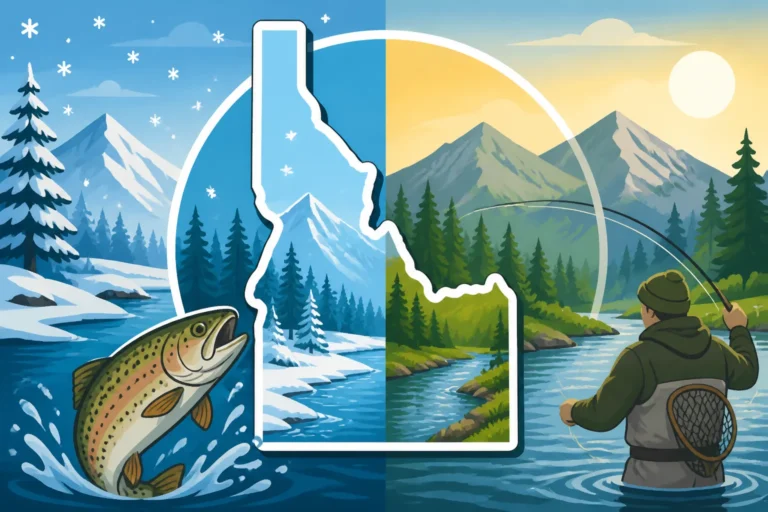
The Middle Fork of the Salmon River is truly a year-round marvel, but its accessibility and the nature of the fishing experience change dramatically with the seasons. Deciding when to go is a critical part of planning and will heavily influence everything from the types of fish you target to the specific gear you pack and the river conditions you'll encounter.
Prime Season: Summer's Glorious Window
For most anglers, late June through early September represents the prime season for fishing and floating the Middle Fork of the Salmon River. This is when the river generally settles into lower, clearer flows after the spring runoff, and insect hatches become prolific, particularly the large stoneflies, caddis, and terrestrial insects like grasshoppers. This creates ideal conditions for classic dry fly fishing, which is what many anglers dream of on this river.
During July and August, water temperatures are typically comfortable for swimming, making the side hikes to explore hot springs or historical sites even more appealing. The weather is generally warm and sunny, perfect for camping on expansive sand beaches under star-filled skies. The cutthroat are active and readily rise to well-presented dry flies, and even the elusive bull trout can be found in deeper pools, often willing to chase streamers. This period offers the most predictable and generally comfortable conditions, making it the most popular time to visit. However, this popularity also means permits are hardest to secure and guided trips book up far in advance, sometimes a year or more out.
The fishing during this prime window can be exceptional, with multiple fish days being the norm for experienced anglers. The guides, who are constantly on the water, know exactly where the fish are holding and what flies are working best. The entire experience, from the whitewater rapids to the stunning scenery and the active fishing, is at its peak during these summer months. It's truly a magnificent time to experience the Middle Fork, validating its reputation as a world-class wilderness fishing destination. If you're wondering about the overall best time to wet a line, check out our guide on the Best Time of Year to Fish in Idaho.
Spring and Fall: Opportunities for the Dedicated
While summer is undeniably popular, the shoulder seasons of spring and fall offer unique, often more challenging, but incredibly rewarding opportunities for the dedicated angler on the Middle Fork. These seasons tend to see fewer people, offering an even greater sense of solitude, but they demand a higher level of preparedness and adaptability due to less predictable weather and water conditions.
Spring (late April to early June) is characterized by high, cold water due to snowmelt, often referred to as "runoff." Fishing during runoff can be tough as the water is typically murky and fast. However, for those willing to brave the conditions, some deep-water nymphing or streamer fishing can be productive, especially as the river begins to drop and clear. The whitewater is often at its most exciting during this period, offering a thrilling ride. The window between peak runoff and low summer flows can be exceptional, as fish are hungry and less pressured, but timing it perfectly is a gamble. Permits are easier to acquire, but trip logistics require more experience.
Fall (late September to October) offers stunning scenery as the aspens and cottonwoods turn golden. Water flows are typically lower and clearer than summer, and the fish, particularly cutthroat, are often aggressively feeding to bulk up for winter. While large terrestrial hatches might be winding down, nymphing and streamer fishing can be very effective. Weather can be highly variable, ranging from sunny and warm to cold and rainy, with the possibility of early snow. This requires packing plenty of layers and being prepared for anything. For those seeking solitude and don't mind cooler temperatures, fall can provide an incredibly peaceful and productive fishing experience, though some sections might become too shallow for larger rafts later in the season.
Weather and Water Conditions: What to Expect
No matter when you choose to visit, understanding and respecting the dynamic weather and water conditions on the Middle Fork is paramount. This is a truly wild river, and conditions can change rapidly and dramatically, impacting everything from your safety to your fishing success. Being prepared for a range of possibilities is key.
In summer, while generally warm, afternoon thunderstorms are common and can bring sudden, intense downpours, leading to temporary rises in water levels or changes in clarity. Temperatures can drop significantly in the evenings, so even in July, a warm jacket or layers are essential for camp. During spring, expect cold temperatures, rain, and potentially snow, with very high, fast, and often silty water. Fall can bring crisp, clear days but also freezing nights and the chance of early winter storms. Always pack waterproof outerwear, multiple layers, and a good sleeping bag rated for colder temperatures than you anticipate.
Water levels are a critical factor. High water in spring means faster currents, bigger rapids, and often reduced water clarity, making fishing challenging but whitewater thrilling. Low water in late summer or fall means easier navigation but potentially more exposed rocks, slower currents, and warmer water temperatures, which can stress fish. Always consult current river flow data (typically available from the U.S. Geological Survey) and weather forecasts before and during your trip. Your outfitter or lead boatman will be constantly monitoring these conditions. Adapting your fishing techniques and focusing on safety based on the prevailing conditions is the mark of a truly prepared and responsible Middle Fork angler.
Disclaimer
Please remember that fishing regulations, conditions, and best practices can change. Always consult the most current Idaho Fish and Game regulations and local wilderness rules before planning and embarking on any fishing trip to the Middle Fork of the Salmon River. Safety in the wilderness is paramount, and preparation is key.