Fishing the Teton River
The Teton River, with its majestic views of the Teton Range, is a fly fishing paradise, but it’s also a place that can challenge even the most seasoned angler. Many arrive with dreams of eager trout, only to find themselves facing exceptionally wary fish in crystal-clear water, or struggling to navigate the often-confusing mix of public and private access. This comprehensive guide is designed to peel back the layers of this iconic Idaho fishery, helping you understand its unique character, find its hidden gems, and ultimately, experience the unforgettable angling it truly offers.
The Allure and Challenges of the Teton River Fishery
The Teton River, snaking through eastern Idaho, isn't just another pretty waterway; it's a living postcard with a demanding spirit. Its reputation precedes it, often whispered about in hushed tones among fly fishermen who appreciate its wild beauty and the challenge it presents. However, this very wildness and beauty are what contribute to its complexities, creating both a draw and a hurdle for those who seek to cast a line in its waters.
A Pristine Eastern Idaho Gem
What makes the Teton River truly unique is its pristine nature and the landscape it cuts through. Originating high in the mountains, much of its upper stretch flows through rugged, roadless country, providing a true wilderness experience. As it descends, it meanders through a mix of agricultural valleys and rolling hills, eventually joining the legendary Henry's Fork of the Snake River. This journey imbues the Teton with a diverse character, from freestone upper sections to slower, almost spring creek-like meanders lower down. It's a system largely powered by snowmelt and cold, clean spring flows, which contribute to its incredible water clarity and the health of its wild trout populations. Anglers often come here hoping to escape the crowds found on some other, more well-known rivers, and for good reason – the solitude can be profound, particularly on its upper reaches.
Yet, this very clarity and wildness are often the source of angler frustration. The fish here are incredibly educated. They see a lot of flies, a lot of shadows, and they have the luxury of abundant natural food sources, making them exceptionally selective. A slight drag on your fly, a misplaced cast, or a mismatched imitation can send them scurrying for cover. Furthermore, the Teton's trout are highly sensitive to weather changes, water levels, and even atmospheric pressure, meaning what worked yesterday might be a bust today. It’s a river that demands patience, precision, and a deep understanding of trout behavior, often leaving those who come unprepared feeling a bit bewildered. But for those willing to put in the effort, the reward of a wild Westslope Cutthroat sipping your perfectly presented dry fly is unparalleled.
Understanding Its Diverse Sections
The Teton River isn't a monolithic entity; it’s a river of distinct personalities, each offering a different angling experience. Understanding these sections is key to planning a successful trip and knowing what to expect.
The Upper River, generally considered from its headwaters down to around the Teton Canyon area, is primarily a wilderness fishery. Here, the river is smaller, sometimes more a creek than a river, tumbling through forested canyons and open meadows. Access is often limited to hiking trails, meaning you'll earn your fish with sweat equity. The trout in these sections are typically smaller, though vibrant and eager, mostly native Westslope Cutthroat. The feeling here is one of true backcountry immersion – solitude is almost guaranteed, and the focus is on stealthy approaches and delicate presentations in intimate settings. It’s perfect for the adventurous angler who loves to explore on foot.
As the Teton flows out of the canyons and into the Middle River section, roughly from Teton Canyon down through the agricultural valley, it broadens and deepens. This is where you find more classic fly fishing water, with a mix of riffles, runs, and slower pools. Public access becomes a bit more available at bridges and designated easements, though large stretches still run through private farmland, requiring careful attention to land ownership. The fish here are generally larger, having more room to grow and a richer food base. While still predominantly Westslope Cutthroat, you might also encounter some hearty Rainbow Trout and even the occasional Brown Trout. This section is popular for both wade fishing and floating, offering a diverse array of water types to explore.
Finally, the Lower River, as it approaches its confluence with the Henry's Fork, takes on a different character. The river becomes wider and slower, with deeper channels and more substantial flows. Here, the influence of the Henry's Fork becomes more apparent, with a higher likelihood of encountering larger Rainbow Trout and Brown Trout that might move between the two rivers. While the scenery is still beautiful, the fishing here can be more akin to a larger tailwater, often requiring different tactics than the upper or middle sections. This area typically offers more boat access and is often fished by anglers looking for bigger, stronger fish. Knowing these distinctions is crucial, as what works on one section might be completely ineffective on another.
Target Species and What Makes Them Special
When you talk about fishing the Teton River, you’re primarily talking about trout, and for good reason. The river is a stronghold for native species and supports a healthy ecosystem that allows these fish to thrive. But not all Teton trout are created equal, and understanding the specific species you’re likely to encounter can significantly enhance your fishing experience.
The Prized Westslope Cutthroat Trout
The undisputed monarch of the Teton River is the Westslope Cutthroat Trout. These beautiful fish, native to the Pacific Northwest and northern Rockies, are easily identified by their vibrant colors – often a shimmering gold-bronze along their flanks, fading to olive on the back, and those tell-tale red-orange "cutthroat" markings under their jaw. They are truly magnificent creatures, representing a wild, resilient strain of trout that has adapted perfectly to the Teton’s clear, cold waters. Idaho has a specific focus on protecting and managing these native populations, and the Teton River is a prime example of a healthy, self-sustaining fishery for them.
Westslope Cutthroat in the Teton are known for their opportunistic feeding habits, readily rising to dry flies during a hatch, but also skilled at foraging subsurface on nymphs and emergers. However, they are also incredibly wary. Their primary diet consists of aquatic insects like mayflies, caddis, and stoneflies, along with terrestrial insects such as grasshoppers and ants during the warmer months. When presented with a perfect imitation, they can be quite aggressive, but any mistake in presentation, leaders that are too heavy, or even the shadow of your fly line can send them fleeing. The pursuit of these wild, unpressured fish often involves long leaders, fine tippets, and a stealthy approach. Engaging in responsible catch and release practices is paramount here, especially for these native populations, ensuring their health and vitality for generations of anglers to come. Their wildness and beauty are why many anglers consider them the ultimate prize on the Teton, and if you want to learn more about these specific fish, an Idaho Cutthroat Trout Fishing Guide can offer even deeper insights.
Rainbows, Browns, and the Occasional Hybrid
While the Westslope Cutthroat holds court, other trout species also call the Teton River home, adding variety to the angling experience. You won't find significant stocking programs directly on the main stem of the Teton River for these species, but they are present due to natural migration and historic introductions in the broader watershed.
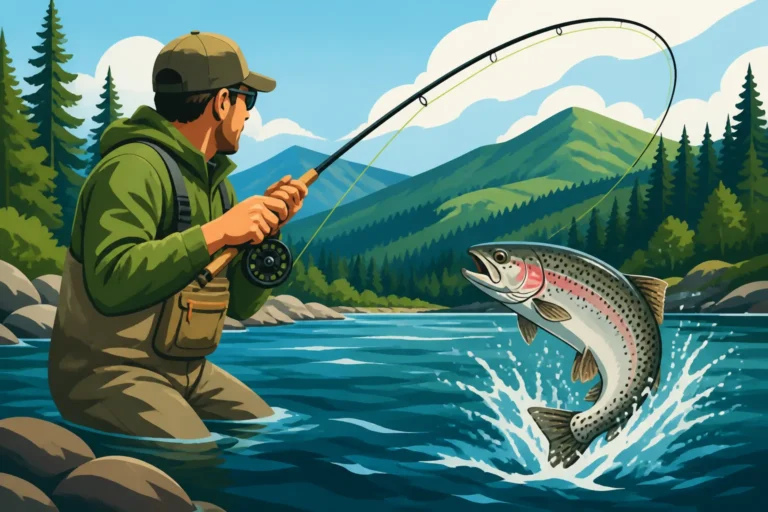
Rainbow Trout are a common sight, particularly in the lower sections of the Teton and near its confluence with the Henry's Fork. These fish, known for their iridescent pink band and aggressive fighting style, can be a thrilling catch. They might migrate from the Henry's Fork system or originate from tributaries where they have been introduced historically. Rainbows tend to be less selective than their cutthroat cousins, often willing to chase a streamer or strike a well-presented nymph, even if the drift isn't absolutely perfect. Their presence, especially larger ones, can add an exciting dynamic to your day on the water, offering a powerful fight that can test your tackle.
Brown Trout, though less prevalent than cutthroat or rainbow trout, are certainly present in the Teton, particularly in the deeper, slower pools of the middle and lower river. Browns are the apex predators of the trout world, known for their elusive nature and propensity to grow to impressive sizes. They are often more active during low light conditions, like dawn and dusk, or on overcast days. While they will take nymphs, especially larger stonefly patterns, they are particularly fond of streamers, eagerly chasing baitfish imitations. Hooking into a large Teton River brown trout is a rare and truly memorable experience, often requiring dedicated effort and targeting specific holding water.
One interesting and fairly common occurrence on the Teton is the Cut-bow – a hybrid resulting from the interbreeding of rainbow and cutthroat trout. These fish can be a bit tricky to identify, exhibiting characteristics of both parents. They might have the spots and fighting vigor of a rainbow, combined with the subtle cutthroat markings and coloration. For regulation purposes, it’s important to familiarize yourself with Idaho Steelhead Identification Guide and other species-specific guides, as some cutthroat and rainbow populations have different rules regarding retention. On the Teton, the general best practice is to handle all trout with care and release them unharmed, especially considering the delicate balance of its native cutthroat population.
Navigating the Teton: Access Points and Prime Waters
One of the biggest hurdles for new anglers approaching the Teton River isn't necessarily the fish themselves, but figuring out where to fish. The river snakes through a diverse landscape, with stretches of public access interspersed with private land, making a solid plan for entry and exit absolutely crucial.
Key Access Points for Upper and Middle River
For those looking to explore the Teton on foot, or wanting to launch a drift boat for a float trip, knowing the specific access points is paramount. Heading up towards the headwaters, the Teton Canyon Trailhead offers access to the upper reaches, where the river is smaller and often requires more strenuous hiking. This is prime territory for adventurous wade fishermen seeking solitude and smaller, wild cutthroat. The trails here can be rugged, so sturdy hiking boots are a must.
Further downstream, as the river enters the valley, you'll find more recognizable public access. Stateline Road provides a few informal pull-offs, though it’s crucial to respect private property boundaries and only access where clearly public. Moving downstream, Bates Bridge is a well-known public access point that serves as both a popular wade fishing spot and a common put-in for float trips. There's usually decent parking, but it can fill up quickly, especially on weekends. The water around Bates Bridge offers a nice mix of riffles and runs, holding good numbers of trout.
Continuing down, Cache Bridge is another key access point, often used as a take-out for floats started at Bates, or as a wade fishing area itself. Again, parking can be limited. Downstream from Cache Bridge, you'll find other county road bridges and a few designated public easements (often marked with green Idaho Fish and Game signs), but it's important to consult a detailed map or a local guide to ensure you're not trespassing. A common frustration for anglers in Idaho is inadvertently crossing onto private land, so always be vigilant and err on the side of caution. Websites like FishingBooker can sometimes offer detailed map overlays or local guide services that are intimately familiar with public access points. Remember, knowing your Idaho Fishing Regulations Explained regarding access is vital.
Floating the Teton: A Different Perspective
While wade fishing offers intimacy with the river, floating the Teton provides an entirely different, often more productive, perspective, allowing you to cover vast stretches of water and access areas that are difficult or impossible to reach on foot. The most popular sections for floating are generally from Bates Bridge down to Cache Bridge, or continuing even further downstream towards the confluence with the Henry's Fork. These stretches offer a good mix of slower, meandering sections and faster riffles, ideal for drifting nymphs, stripping streamers, or presenting dry flies to rising fish along the banks.
When floating the Teton, you'll primarily see drift boats, rafts, and occasionally kayaks. Drift boats are the most common choice, offering stability, ample storage for gear, and the ability to maneuver precisely in the current. Shuttling a boat can be a logistical challenge, often requiring two vehicles or the services of a local shuttle provider. Planning your put-in and take-out points carefully is essential to avoid long drives or dead ends. For instance, if you put in at Bates Bridge, Cache Bridge is a common take-out, but you'll need to arrange transport for your vehicle from the put-in.
It's important to remember that even on float trips, large sections of the river run alongside private property. While the riverbed itself is typically public up to the high-water mark, getting out of your boat and wading onto private land without permission is trespassing. Always be mindful of your surroundings and respect landowners. Guides often have agreements with landowners for specific access, which is one of the many benefits of booking a trip with a reputable outfitter found on platforms like FishingBooker or through local shops. Whether you're floating or wading, the Teton demands respect for its environment and its local communities.
Effective Techniques and Essential Gear for the Teton
The Teton River is, without a doubt, a fly fisherman's river. Its clear water, abundant insect life, and wild trout make it an ideal classroom for the nuanced art of fly casting. While spin fishing can have its moments, the Teton truly shines when approached with a fly rod.
Fly Fishing: The Teton's Preferred Method
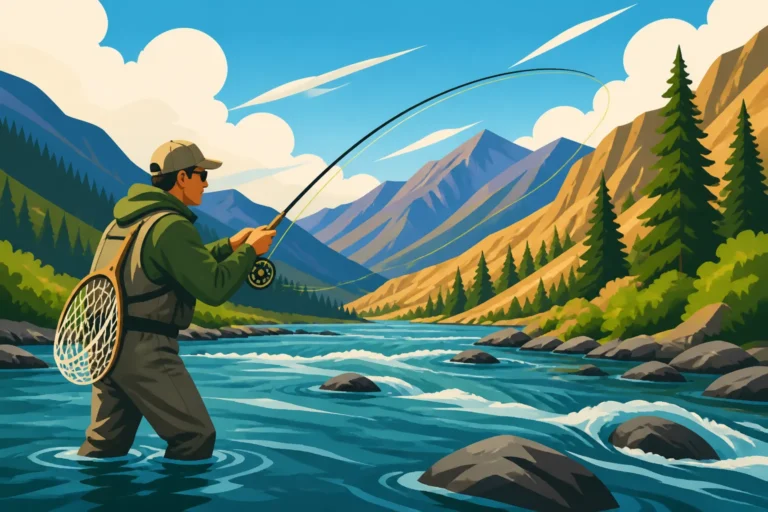
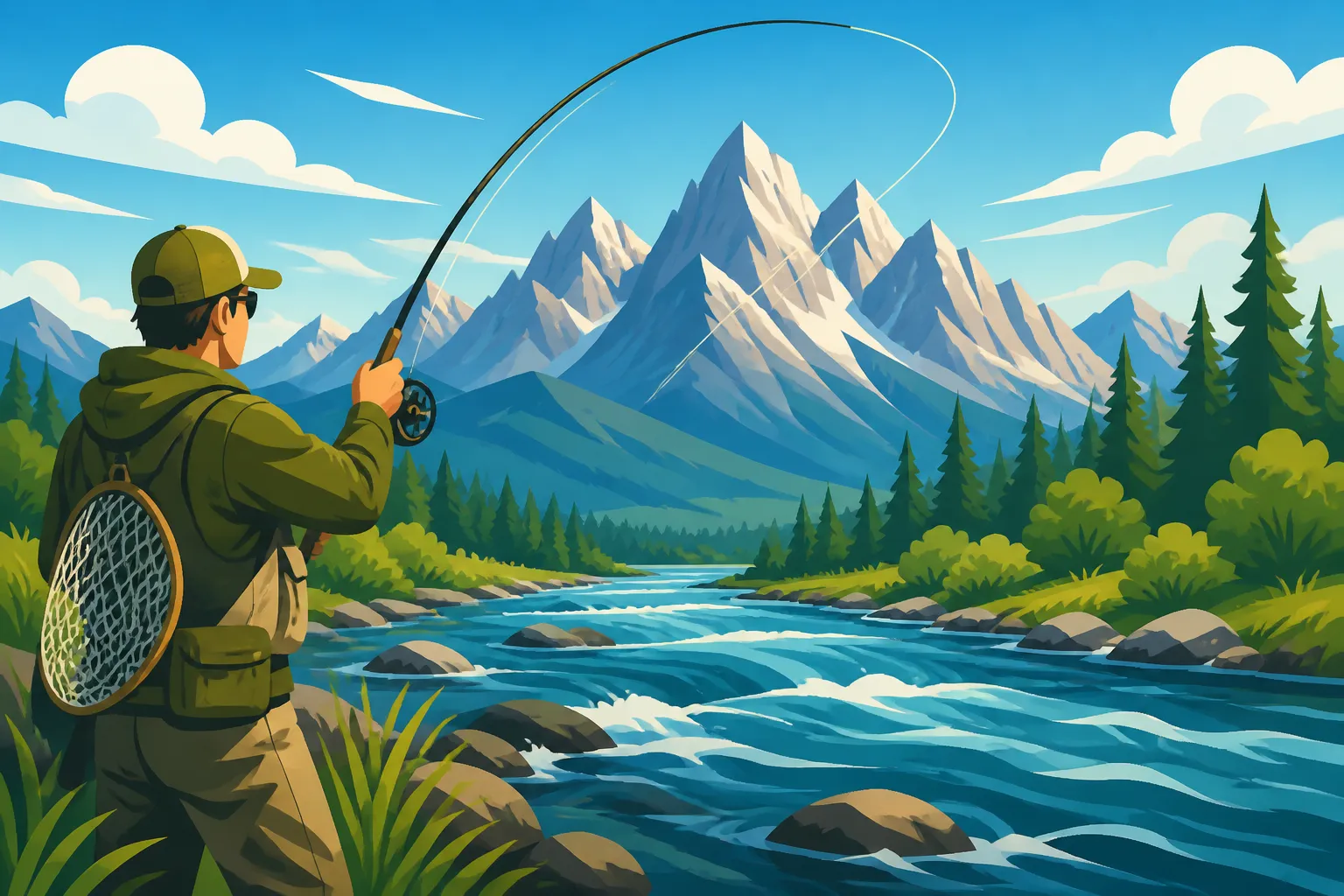
When you think of the Teton, you think of dry flies. Dry fly fishing here can be sublime, particularly during a prolific hatch. Matching the hatch is critical, as the Teton's cutthroat are often incredibly selective. Key hatches include Pale Morning Duns (PMDs) in late spring and early summer, followed by various Caddis species, and then the larger Green Drakes and Golden Stones later in summer. As fall approaches, smaller Blue Winged Olives (BWOs) become important. Presentation is everything; long, delicate leaders and fine tippets (often 5X or 6X) are necessary to avoid spooking fish in the gin-clear water. A perfectly executed mend and a drag-free drift are often the difference between success and frustration. This is where patience truly pays off, as you might spend more time observing rises and scrutinizing fly patterns than actually casting. If you're new to this, an Idaho Fly Fishing Guide might be a great resource to get started.
When fish aren't actively rising, nymphing becomes the go-to technique. The Teton River has an abundance of subsurface insect life, from various caddis and mayfly nymphs to larger stonefly patterns. Both indicator nymphing (using a bobber-like indicator to detect subtle takes) and tight-line nymphing (also known as Euro nymphing, which offers more direct contact with your flies) can be highly effective. The key is getting your flies down to where the fish are holding, often in deeper runs, riffles, or the tails of pools. Split shot might be needed, and a variety of weighted nymph patterns are essential. It's often said that Teton trout spend 80% of their time feeding subsurface, so don't neglect this crucial technique, especially on bright, clear days when dry fly action is slow.
For the chance at a larger fish, particularly the elusive brown trout, streamer fishing can be very productive. While not as common as dry fly or nymphing, stripping a baitfish imitation through deeper pockets, along undercut banks, or around woody debris can entice an aggressive strike. Streamers can be particularly effective during overcast days, higher flows, or in the fall when trout are looking for a bigger meal. A slightly heavier rod, perhaps a 6-weight, is often preferred for casting larger, heavier streamers.
Your typical rod and reel setup for the Teton will usually involve a 4-weight or 5-weight fly rod for most dry fly and nymphing applications, offering a good balance of delicate presentation and the power to handle a decent-sized trout. Reels should have a smooth drag system, though heavy backing capacity isn't usually a major concern with Teton trout. Always carry a variety of leader and tippet sizes, from 3X down to 6X.
Spin Fishing: When and Where It Works
While fly fishing is the quintessential Teton River experience, spin fishing can still be effective in certain situations, though often with limitations due to the river's clear water and the pressured nature of its trout. If you're not a fly angler, don't despair, but be prepared to employ different tactics and manage your expectations.
The best approach for spin fishing on the Teton is to use small, subtle lures that mimic natural prey or are incredibly enticing. Small spinners, like classic Panther Martins or Rooster Tails in sizes #0 or #1, can be effective, particularly in gold, silver, or natural patterns. Small, ultralight spoons can also work. The key is to cast accurately and retrieve slowly, mimicking a wounded baitfish or an emerging insect. Avoiding flashy, oversized lures is crucial, as they will often spook the wary Teton trout. Micro-jigs, tipped with a small piece of worm or scented soft plastic, can also be productive when fished beneath a bobber in slower pools.
Spin fishing is often more effective during periods of slightly higher or off-color water, such as after a rain shower or during the edges of spring runoff when the water isn't quite as clear. These conditions can offer a bit more cover for the fish, making them less skittish. However, even then, a stealthy approach, casting from a distance, and keeping a low profile are essential.
One critical consideration for spin anglers on the Teton, as with all fishing methods, is conservation. Many anglers choose to crimp down barbs on their hooks (creating barbless hooks) or replace treble hooks with single, barbless hooks. This significantly reduces harm to fish, especially the native cutthroat, increasing their survival rate upon release. Always check the current Idaho Fishing Regulations Explained for any specific tackle restrictions or recommendations on the Teton River, as rules can vary by water body and species. By focusing on small presentations and practicing responsible angling, spin fishermen can certainly enjoy the Teton River, even if it's primarily known for its fly fishing. You might find some excellent general recommendations for lures and bait in an Idaho Fishing Gear Guide by Season or Best Bait and Lures for Idaho Fishing.
Seasons, Hatches, and Weather Wisdom
Understanding the rhythm of the Teton River through its seasons is paramount to planning a successful fishing trip. Each part of the year presents unique challenges and opportunities, dictated by water levels, temperatures, and the life cycles of aquatic insects.
Spring into Summer: Rising Waters and Prolific Hatches
Spring on the Teton River is often a tale of two halves. Early spring, typically April into early May, can offer some surprisingly good fishing before the heavy snowmelt truly kicks in. The water is often low and clear, and trout can be eager to feed after a long winter. Small dark nymphs and emergers can be effective, and if you hit a warm, overcast day, you might even find some early-season BWO hatches. However, this is usually a short window.
The main event of spring, and often the biggest challenge, is spring runoff. As the high mountain snowpack melts, the Teton swells, becoming high, fast, and often muddy. This usually occurs from late May through mid-June, making fishing difficult to impossible on many sections. This is a critical time for the river's ecosystem, as it flushes nutrients and reshapes the riverbed, but it's generally not prime fishing time. Always check current river flows and clarity reports before heading out during this period.
As runoff recedes, typically by late June or early July, the river begins to drop and clear, ushering in the truly prolific hatches of early summer. This is often considered prime time for dry fly fishing on the Teton. You'll witness incredible insect activity, starting with widespread Caddis hatches, often in the evenings, followed by the classic Pale Morning Duns (PMDs) throughout the day. Later in July and into August, the larger Green Drakes and Golden Stones emerge, offering opportunities for bigger dry flies and sometimes drawing out the larger trout. During this period, water temperatures are ideal, and trout are actively looking up, making for some truly memorable dry fly action. Terrestrials like grasshoppers and ants also become important as the summer progresses. Keep an eye on Idaho Fishing Season Dates and Limits for specific regulations that might apply to this busy time.
Fall Fishing: Solitude and Larger Trout
Many seasoned Teton anglers consider fall (September through October) to be the absolute best time to fish the river. The frenetic energy of summer fades, crowds thin out, and a profound sense of solitude descends upon the valley. The weather becomes crisp and cool, and the golden hues of cottonwoods and aspens against the backdrop of the Teton Range are simply breathtaking.
From an angling perspective, fall offers several advantages. Lower flows mean the river is more wadeable, and the water clarity is often exceptional, making for challenging but rewarding sight fishing opportunities. Cooler water temperatures invigorate the trout, making them active and aggressive as they prepare for winter. While the massive hatches of summer subside, smaller, important hatches like the Blue Winged Olives (BWOs) become prevalent, often appearing on overcast days. Mahoganies are another key fall insect.
Perhaps the biggest draw of fall fishing is the opportunity for larger trout. Many of the river's biggest fish, particularly brown trout, become more active and territorial as they begin their pre-spawn rituals. This is a prime time for throwing larger streamers, hoping to entice a trophy-sized brown or a beefy rainbow. The cutthroat are still active and often more willing to rise than during the dog days of summer. This combination of stunning scenery, eager fish, and fewer anglers makes fall an incredibly rewarding time to be on the Teton, well worth braving the cooler temperatures.
Winter: A Quiet Pursuit
Winter fishing on the Teton River is a niche pursuit, appealing to the most dedicated and hardy anglers seeking ultimate solitude. Many sections of the river can freeze over completely, particularly in the upper reaches. However, some lower sections, or areas with stronger spring inputs, may remain open throughout the colder months.
When accessible, winter fishing is an extremely technical affair. The water is often at its lowest and clearest, and the fish are lethargic, conserving energy in the frigid temperatures. Nymphing becomes the dominant technique, often with tiny midge patterns, small BWO nymphs, or stonefly imitations. Presentation must be absolutely perfect, with long, drag-free drifts being the key to success. Strikes are incredibly subtle, often just a slight hesitation of your indicator. The rewards of winter fishing are not measured in numbers, but in the sheer beauty of the snow-covered landscape and the satisfaction of fooling a truly wild trout in the harshest conditions.
While you won't typically find dedicated "ice fishing" on the main stem of the Teton River, nearby stillwaters might offer such opportunities. For the Teton itself, it's about finding those open pockets and being prepared for extremely cold weather, requiring insulated waders, warm layers, and vigilant attention to safety. Always check local conditions and access before venturing out in winter.
Teton River Regulations and Responsible Angling
Understanding and adhering to fishing regulations is not just a legal requirement; it's a fundamental part of responsible angling and crucial for protecting the Teton River's precious resources, especially its native Westslope Cutthroat Trout. Idaho Fish and Game manages the fishery with careful consideration, and rules can vary by specific river section or time of year.
Understanding Idaho's Statewide and Specific Teton Rules
Before you even tie a knot, the first step for any angler on the Teton River should be to consult the current Idaho Fishing Regulations Explained proclamation. This isn't just a suggestion; it's absolutely essential. Regulations change periodically, and what was legal last year might not be this year. The statewide rules provide a baseline, but rivers like the Teton often have special regulations that supersede the general ones.
For the Teton River, common special regulations might include specific limits on the number of fish you can keep (often zero for native cutthroat, promoting catch-and-release), size restrictions, or tackle restrictions. For instance, barbless hooks are frequently required or highly recommended on specific stretches or for certain species, particularly for white sturgeon, but also increasingly for trout in sensitive native fisheries like the Teton. This is to minimize harm to fish, ensuring their survival upon release. It's not uncommon to find rules like "catch-and-release only" for all trout on certain sections of the Teton, or specific rules for each of the Idaho Catch Limits and Bag Limits Explained. Always double-check the current Idaho Fish and Game brochure, available online or at license vendors.
Important Note on Licenses: Even if you plan on catch-and-release fishing, you still need a valid Idaho fishing license. If you're an out-of-state visitor, you'll need an Idaho Nonresident Fishing License Guide. Residents, of course, have their own specific requirements outlined in the Idaho Resident Fishing License Guide. Don't assume you're exempt; conservation funds from license sales directly support the health of fisheries like the Teton. You can learn more about securing your license in our How to Buy an Idaho Fishing License article.
Leave No Trace and Conservation
Beyond the written regulations, responsible angling on the Teton River involves adhering to the principles of "Leave No Trace" and actively participating in conservation efforts. The Teton's wild beauty and healthy fish populations are a result of natural processes and dedicated stewardship, and it's every angler's responsibility to contribute to that.
Protecting native cutthroat populations is perhaps the most critical aspect of Teton River conservation. These fish are wild, genetically pure, and vital to the ecosystem. Catch-and-release practices, especially for these native trout, are strongly encouraged. When you do catch a fish, handle it minimally, keeping it in the water as much as possible. Wet your hands before touching the fish to protect its slime coat, and use forceps or a hemostat to quickly remove the hook. If the fish is deeply hooked, simply cut the line as close to the hook as possible. Avoid dragging fish onto dry banks or subjecting them to prolonged fights, especially in warmer water conditions.
Stream bank etiquette is also vital. Avoid trampling vegetation along the banks, which can lead to erosion and habitat degradation. Stick to established trails or paths where possible. When passing through private land (with permission, of course), close gates behind you and be respectful of agricultural operations. Parking thoughtfully, picking up any trash (even if it's not yours), and generally leaving the area cleaner than you found it are simple but impactful actions.
Finally, be mindful of protecting the ecosystem from invasive species. Before and after each fishing trip, clean, drain, and dry your boat, waders, and gear to prevent the transfer of aquatic invasive species from one water body to another. This simple step helps ensure that the Teton's pristine waters remain free from threats that could devastate its native fish. By embracing these principles, we ensure that the Teton River continues to be an incredible, wild fishing destination for all. If you're looking to enhance your experience with local knowledge and support, consider booking a guide through platforms like FishingBooker, where many guides are committed to these conservation practices.
| Section of River | Primary Species | Best Time to Fish | Dominant Technique | Access Notes |
|---|---|---|---|---|
| Upper (wilderness) | Westslope Cutthroat | Summer-Fall | Dry Fly, Nymphing | Hike-in only, challenging, solitude |
| Middle (valley) | Westslope Cutthroat, Rainbow, Brown | All Open Season | Dry Fly, Nymphing, Streamer | Bridge access, float trips, private land |
| Lower (near confluence) | Rainbow, Brown | Spring, Fall | Nymphing, Streamer | Boat ramps, confluence with Henry's Fork |
Disclaimer
Please be aware that fishing regulations, conditions, and access points can change frequently. Always consult the latest Idaho Fish and Game regulations and local resources before planning your trip to the Teton River. Fishing involves inherent risks, and it is your responsibility to ensure your safety and adhere to all laws and ethical practices. This guide is for informational purposes only and should not be considered a substitute for official regulations or professional advice.