Fishing Bear Lake for Cutthroat Trout
Oh, the allure of Bear Lake! It's one of those places in Idaho that just calls to you, especially if you're a trout angler. But let's be honest, showing up to a massive lake like Bear Lake with its unique turquoise waters and legendary Bonneville cutthroat can feel a little intimidating. You wonder where to even start, what gear you truly need, and how to actually coax those beautiful fish into biting. Well, don't you worry, because this guide is all about demystifying fishing Bear Lake specifically for those prized cutthroat trout, helping you approach it with confidence and land some unforgettable catches.
The Unique Appeal of Bear Lake Cutthroat Trout Fishing
Bear Lake isn't just any lake; it's a magnificent, ancient body of water straddling the Idaho-Utah border, famous for its brilliant blue color and the distinct fish species that call it home. For anglers, it's primarily the Bonneville cutthroat trout that captures the imagination, offering a truly unique angling experience that sets it apart from other trout fisheries in the region.
Why Bear Lake Stands Out for Cutthroat
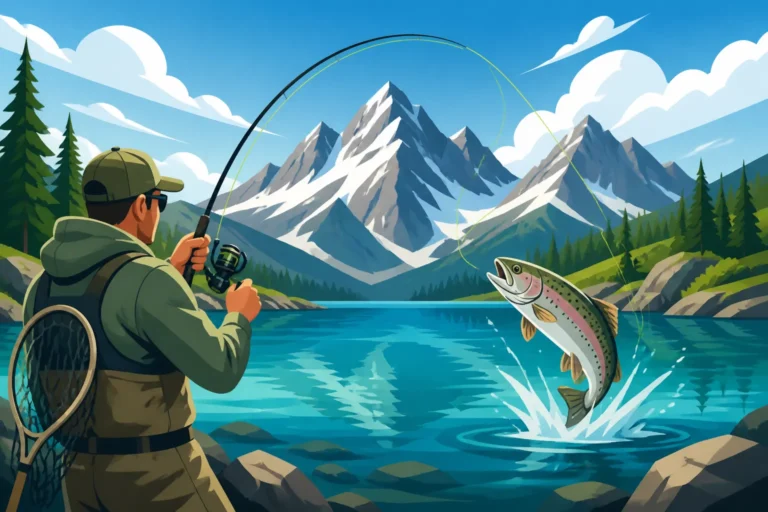
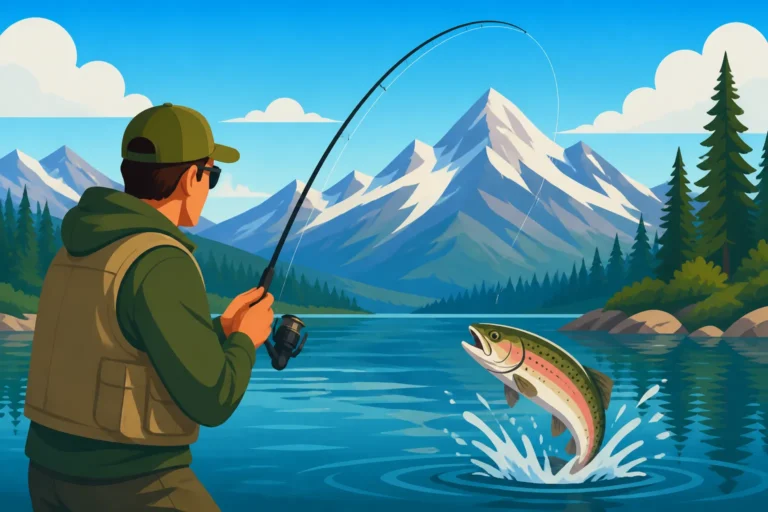
What makes Bear Lake so special for cutthroat? It's largely its deep, clear, and cold waters, which are ideal for these native trout. Unlike many other lakes where cutthroat might be a secondary target, here they are kings. The sheer size of the lake, stretching approximately 20 miles long and 8 miles wide, means there's a vast habitat for them to thrive and grow to impressive sizes. It’s not just the quantity, though; it's the quality. These fish are known for their strong fights and stunning coloration, making them highly sought after. You won't find this exact combination of factors just anywhere, and that's what draws anglers from all over the country to this unique ecosystem. Plus, the surrounding landscape, with the Bear River Range to the west and the rolling hills to the east, just adds to the overall majesty of the fishing adventure.
Understanding Bear Lake's Cutthroat Species
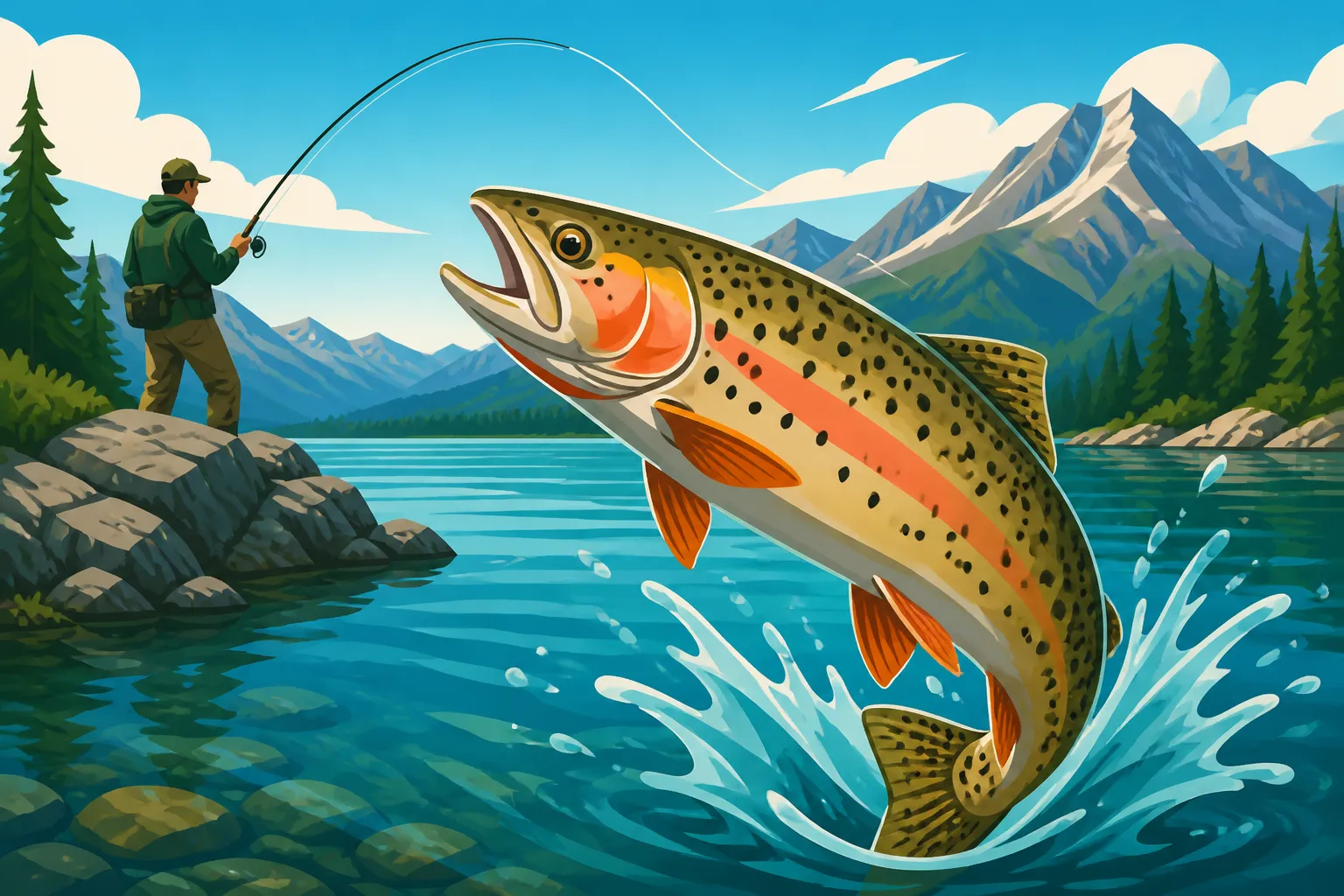
The cutthroat trout in Bear Lake aren't just any cutthroat; they are specifically the Bonneville cutthroat trout (Oncorhynchus clarkii utah), a subspecies native to the Bonneville Basin. This means they've evolved in isolation within this particular region, giving them some distinct characteristics. Historically, these fish were a vital food source for native tribes and early settlers, and today, they represent a significant conservation success story. They typically have a more silvery body compared to some other cutthroat subspecies, but they still sport those tell-tale red or orange slashes under their jaw that give them their name. These fish can grow quite large in Bear Lake, with individuals exceeding 20 inches not uncommon, and sometimes much larger. Knowing you're targeting a distinct, native subspecies adds another layer of appreciation to every catch. Understanding their natural behavior, like how they feed on the lake's abundant chubs and sculpins, is key to developing effective strategies. If you want to dive deeper into the nuances of different trout species, our comprehensive Idaho Fish Species Guide offers a wealth of information.
Essential Gear and Tackle for Bear Lake
Successfully fishing Bear Lake for cutthroat trout requires a thoughtful approach to your gear. This isn't your average small stream trout fishing; the size of the lake, the depth of the water, and the potential size of the fish demand specific tackle that can handle the conditions and entice these particular trout.
Rods, Reels, and Line Choices
When it comes to rods, many anglers opt for a medium-heavy action spinning rod, typically in the 7 to 9-foot range, especially if you're planning to troll or cast from shore. The extra length helps with casting distance and allows for better line control when trolling multiple lines. For baitcasting setups, a similar length rod with a moderate-fast action can work wonders, especially when dealing with heavier trolling weights or larger lures. Your reel should be robust, capable of holding a good amount of line – think a 2500-4000 series spinning reel or a level-wind baitcasting reel.
Line choice is critical on Bear Lake. Given the incredibly clear water, fluorocarbon leaders are almost a must. They're nearly invisible underwater, which can make all the difference with wary cutthroat. For your main line, many anglers prefer braided line (10-20 lb test) for its sensitivity and strength, backed with a fluorocarbon leader (6-10 lb test). The braid helps you feel subtle bites, especially when fishing deeper, and the fluorocarbon provides that stealthy presentation. If you're going solely with monofilament, a clear or low-visibility line in the 8-12 lb range is a good starting point. For specific recommendations across all types of fishing, check out our detailed Idaho Fishing Gear Guide by Season.
Lures, Baits, and Flies for Success
Bear Lake cutthroat are opportunistic feeders, but they do have their preferences. Lures that imitate their natural prey, such as minnows or chubs, are consistently effective.
- Trolling Spoons and Plugs: Popular choices include Needlefish spoons, Rapala Original Floaters or Husky Jerks, and similar minnow-imitating crankbaits. Colors like silver, gold, blue/silver, or perch patterns often produce well. Experiment with different sizes and diving depths based on where you're marking fish.
- Jigs and Plastics: When still fishing or jigging, especially during colder months or for deeper fish, lead head jigs tipped with plastic swimbaits, grubs, or even a piece of sucker meat can be incredibly effective. White, chartreuse, and natural baitfish colors are great starting points.
- Natural Baits: While not as common for pure cutthroat targeting, some anglers find success with worms or dead minnows, particularly when still fishing on the bottom. However, be mindful of local bait regulations; live bait restrictions apply in certain Idaho waters to prevent the spread of invasive species.
- Flies: For fly anglers, streamers that mimic baitfish are paramount. Patterns like woolly buggers (black, olive, brown), clouser minnows, and various sculpin imitations are excellent. During hatches, smaller nymphs and dry flies can sometimes entice surface feeders, though this is less common for the deeper-dwelling Bonneville cutthroat. To explore a wider range of options, our guide on the Best Bait and Lures for Idaho Fishing provides a great overview.
Top Techniques for Landing Bear Lake Cutthroat
Fishing Bear Lake effectively for its renowned cutthroat requires understanding and adapting to the lake's unique characteristics. These fish can be found throughout the water column, from shallow shoals to deep basins, and their behavior shifts with the seasons.
Trolling Strategies and Depths
Trolling is arguably the most popular and effective method for covering large expanses of Bear Lake and locating active cutthroat. The key is to present your lure at the right depth and speed.
- Depth Control: Cutthroat often suspend at various depths, so downriggers are incredibly useful for getting your lures precisely where the fish are holding. If you don't have downriggers, diving planes, lead core line, or even simply heavier trolling weights can help you achieve depth. A good fish finder is invaluable here to mark schools of baitfish and the trout themselves. Common depths vary, but many anglers target the 20 to 60-foot range, especially during warmer months when fish retreat to cooler waters.
- Speed and Pattern: A trolling speed between 1.5 to 3 miles per hour is a good starting point. Experimentation is key; sometimes a subtle speed change can trigger bites. Don't just troll in straight lines; incorporating wide S-curves or figure-eights can make your lure appear to speed up and slow down, often provoking a strike as it swings wide or tightens. Pay attention to how the wind and current might affect your boat speed and adjust accordingly.
- Lure Presentation: Run multiple lines at different depths and with various lures until you find what the fish are responding to. A common setup might include a spoon on one side, a crankbait on the other, and perhaps a dodger or flasher ahead of a fly or squid imitation. Remember that Bear Lake's water is exceptionally clear, so a stealthy presentation and fluorocarbon leaders are critical, especially when fishing near the surface.
Still Fishing and Jigging Methods
While trolling covers ground, still fishing and jigging can be incredibly productive, especially when fish are concentrated in certain areas, or during the ice fishing season.
- Still Fishing from Anchor: Anchoring up over a known drop-off, a submerged structure, or a point where cutthroat are likely to ambush prey can be effective. Use a slip bobber setup or a bottom-rigged bait with a weight. Sucker meat, nightcrawlers, or even commercial trout baits can be effective. The clear water demands patience and minimal disturbance. This method allows you to relax and enjoy the scenery while waiting for a bite.
- Jigging from Boat or Ice: Jigging is a more active approach that can be very rewarding. From a boat, use a vertical jigging spoon, a heavy swimbait, or a lead-head jig tipped with bait. Drop it down to the depth where you're marking fish and use short, sharp lifts, letting it flutter back down on a semi-slack line. For ice fishing, this method truly shines. Small jigging spoons, like Swedish Pimples or Kastmasters, are fantastic, often tipped with a mealworm or a small piece of bait. The movement created by jigging mimics struggling baitfish, which is often irresistible to hungry cutthroat. Make sure to vary your jigging retrieve until you find what works, sometimes a slow, deliberate lift is all it takes, other times an aggressive snap.
Fly Fishing Opportunities (Shore & Boat)
Bear Lake offers unique challenges and rewards for fly anglers. While it might not be the quintessential small-stream experience, targeting its cutthroat with a fly rod is certainly possible and can be incredibly satisfying.
- Shore Fly Fishing: Early in the spring or late in the fall, cutthroat may cruise shallower areas near the shore, especially around river inlets or rocky points, looking for food. This is an excellent time for fly anglers using streamers. A 6-8 weight rod with a sinking or sink-tip line will help you get your fly down to where the fish are. Focus on casting parallel to the shore or out to drop-offs. Patterns like olive or black woolly buggers, clouser minnows, and sculpin imitations in sizes #4-8 are solid choices. The Idaho Fishing Techniques Guide offers more general fly fishing advice that can be adapted to large lake environments.
- Boat Fly Fishing: For true open-water fly fishing, a boat is essential. You can anchor up and cast to structures or troll flies behind the boat. Trolling flies, particularly large streamers, with a full sinking line or a specialized trolling fly setup, can be very effective for suspended cutthroat. This often involves using a small planer board or lead core line to get the fly to depth. When fishing from a boat, you have the advantage of being able to move around and cover more water, allowing you to intercept cruising schools of fish. Be prepared for strong fights; these lake-dwelling cutthroat pull hard!
Navigating Bear Lake's Seasons and Best Times
Understanding the seasonal patterns of Bear Lake's cutthroat trout is paramount to a successful fishing trip. The lake's dynamics change dramatically from the warmth of summer to the chill of winter, and with it, the behavior and location of the fish.
Spring and Summer Tactics
Spring: As the ice recedes and the water begins to warm, spring is often a fantastic time for cutthroat fishing on Bear Lake. The fish become more active and will move into shallower waters, particularly near river mouths and spawning areas, though spawning fish should always be handled with the utmost care and released quickly. Trolling spoons and minnow-imitating plugs in the top 20 feet of the water column can be very productive. Shore fishing can also pick up during this time, especially in the mornings and evenings, with anglers using spoons, spinners, or even worms near accessible points. Look for areas where spring runoff might be carrying nutrients into the lake, as these can be hot spots for feeding trout.
Summer: When the summer sun heats up Bear Lake, the surface water warms considerably, pushing the cutthroat into deeper, cooler waters. This is when your downriggers become indispensable. Target depths often range from 30 to 70 feet, though it can vary daily. Focus on trolling the deeper sections of the lake, especially near drop-offs and ledges. Early morning and late evening bites tend to be best as the fish might move slightly shallower to feed. During the heat of the day, they'll typically hold in the cooler thermocline layers. Still fishing with bait over deep humps or near structure can also yield results. Even though it's summer, remember that Bear Lake's clear water means fish can be easily spooked, so long leaders and subtle presentations are still key. This is also a popular time for family trips, and you can find many great Family-Friendly Fishing Spots in Idaho if you're looking for other options.
Fall and Winter Ice Fishing Insights
Fall: As autumn arrives and the water temperatures begin to drop, Bear Lake's cutthroat start to become more active and move shallower again. This is another prime time for trophy fish. The cooler water revitalizes the trout, and they'll aggressively feed to prepare for winter. Trolling remains effective, but you might find success at shallower depths than in summer, often in the 15-40 foot range. Shore fishing can pick up again, especially for anglers casting larger spoons or heavy streamers. The scenery is also breathtaking in the fall, making for a truly memorable trip. Pay attention to the weather; cold fronts can sometimes slow fishing, but stable, crisp fall days are often magic.
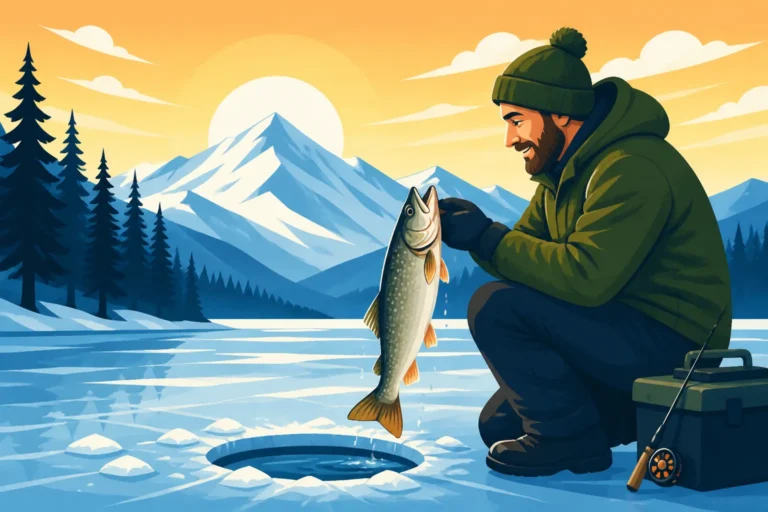
Winter (Ice Fishing): Bear Lake typically freezes over reliably enough for ice fishing, offering a completely different but equally rewarding experience. The ice fishing season usually runs from late December through March, depending on ice thickness and conditions. Cutthroat can be caught through the ice, often by jigging spoons, lead-head jigs tipped with bait, or even a dead minnow on a tip-up. These fish tend to hold closer to the bottom in winter, so target depths between 20-60 feet are common, especially along drop-offs or structure. Always prioritize safety on the ice, checking thickness regularly. Our guide on How to Ice Fish in Idaho provides essential safety tips and techniques for cold-weather angling. Bear Lake offers some fantastic ice fishing, but it's crucial to stay warm and be prepared for the elements.
Here's a quick reference table for seasonal approaches:
| Season | Typical Depths (Feet) | Primary Techniques | Recommended Lures/Baits | Key Considerations |
|---|---|---|---|---|
| Spring | 0-20 (post-ice-out) | Trolling, Shore Casting | Spoons, Minnow Plugs, Worms | Fish move shallow, near inlets; spawning caution. |
| Summer | 30-70 | Deep Trolling, Jigging | Deeper Diving Plugs, Heavy Spoons, Jigs w/ bait | Fish seek cool depths; early/late bites best. |
| Fall | 15-40 | Trolling, Shore Casting | Spoons, Crankbaits, Streamers | Fish become active, feed aggressively. |
| Winter | 20-60 (ice fishing) | Jigging, Tip-ups | Jigging Spoons, Jigs w/ bait, Dead Minnows | Focus on bottom structure; ice safety is crucial. |
Key Considerations for a Successful Bear Lake Trip
Beyond the gear and techniques, a successful trip to Bear Lake, especially when targeting cutthroat, hinges on practical considerations, from knowing where to access the water to understanding and respecting the local regulations.
Public Access and Launch Points
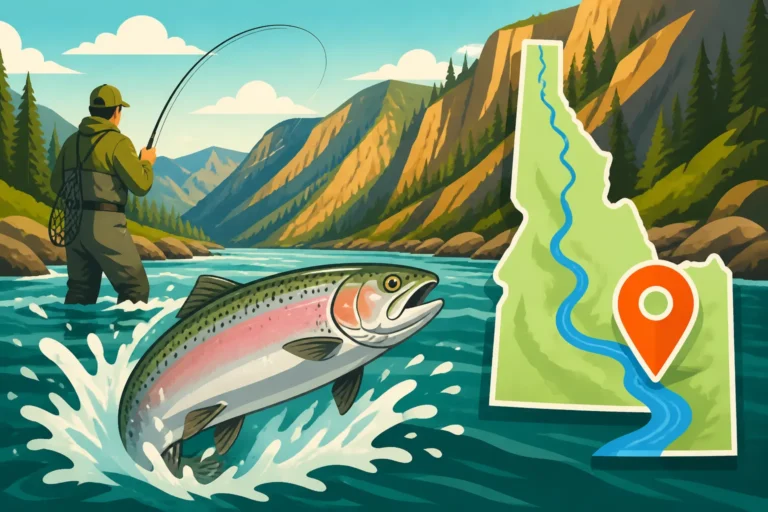
Bear Lake, being a large interstate lake, offers various public access points and boat launches on both the Idaho and Utah sides. For anglers primarily interested in the Idaho portion, there are several convenient options.
- North Beach State Park (Idaho): Located on the northern shore, this state park offers excellent public access, including a boat launch. It's a popular spot and can get busy, especially during peak summer weekends, but provides direct access to prime fishing waters. The shallow, sandy beach areas here can also be great for launching kayaks or canoes.
- Idaho Fish and Game Access Sites: Keep an eye out for smaller, less developed access points that Idaho Fish and Game might maintain around the lake. These often provide more secluded bank fishing opportunities or simpler launches for smaller boats.
- Marinas and Private Ramps: Several private marinas are available around the lake, offering services, fuel, and launch ramps for a fee. These can be particularly convenient if you're staying at a resort or looking for additional amenities. Always check with the specific marina for their operating hours and launch fees. Remember that getting your boat safely into the water is just the first step; knowing the best spots often comes from experience or local knowledge. If you're new to Idaho, our Idaho Fishing License Guide is a critical first read, ensuring you're legal on the water.
Regulations and Conservation Efforts
Fishing on Bear Lake, like all Idaho waters, is subject to specific regulations designed to manage fish populations and ensure sustainable angling for future generations. For cutthroat trout, these regulations can include size limits, bag limits, and gear restrictions.
- Idaho Fish and Game Rules: Always consult the current Idaho Fishing Seasons and Rules brochure, published annually by the Idaho Department of Fish and Game (IDFG). This document is your ultimate authority on what's allowed. You can usually find it online or at any license vendor. Key things to look for include:
- Cutthroat Trout Special Rules: Bear Lake often has specific regulations regarding Bonneville cutthroat trout, sometimes differing from general statewide trout rules. These might pertain to minimum size, daily bag limits, and whether adipose fin-clipped fish (indicating hatchery origin) can be kept.
- Gear Restrictions: Check for any special rules on the number of rods allowed, bait restrictions (especially for live bait), or barbless hook requirements. While barbless hooks are generally good practice for catch-and-release, they might be mandatory in some areas or for certain species.
- Interstate Waters: Since Bear Lake spans both Idaho and Utah, be acutely aware of which state's regulations apply to where you are fishing. Generally, if you're on the Idaho side, Idaho rules apply, and vice-versa. However, it's always wise to hold a license for the state you're operating your boat or fishing from, or ideally, both if you plan to move between state lines. For more detailed information on regulations across the state, our Idaho Fishing Regulations Explained article is a great resource.
- Conservation: The Bonneville cutthroat trout are a native species and a significant conservation focus. Practicing catch-and-release, especially for larger breeding fish, is highly encouraged. Handle fish gently, minimize their time out of water, and use proper release techniques to ensure their survival. This mindful approach helps preserve the incredible fishing opportunities that Bear Lake offers.
Local Knowledge and Hiring a Guide
Sometimes, no amount of online research or preparation can quite match the insights gained from local knowledge. Bear Lake is a big place, and knowing the nuances can truly make or break your fishing trip.
Leveraging Local Expertise
Talking to people who fish Bear Lake regularly can provide invaluable insights. This isn't just about finding the secret spots (though that's always a bonus!), but about understanding patterns, current conditions, and subtle nuances that only comes with experience.
- Local Bait Shops and Marinas: These are goldmines of information. Shop owners and staff are often anglers themselves and hear daily reports from others. They can tell you what's biting, what depths fish are being found at, what lures are hot, and any recent changes in conditions. Don't be afraid to ask questions; they're usually happy to help.
- Online Forums and Social Media Groups: Many dedicated Idaho fishing groups exist online. Joining these can provide a wealth of real-time information, trip reports, and opportunities to connect with experienced Bear Lake anglers. However, always take online advice with a grain of salt and cross-reference information.
- Connecting with Other Anglers: Strike up conversations at the boat ramp, on the pier, or even on the water (respectfully, of course). Most anglers are passionate about their sport and happy to share tips, especially if you're courteous and genuinely interested in learning. They might tell you about a particular point that holds fish in the spring or a specific color pattern that's been working for trolling.
When to Consider a Guided Trip
For many, especially those new to Bear Lake or new to targeting specific species like Bonneville cutthroat, hiring a professional fishing guide can dramatically improve your chances of success and shorten your learning curve.
- Expedited Learning: A good guide knows the lake intimately. They understand the seasonal movements of fish, the best techniques for current conditions, and precisely where to find the fish. They can teach you local rigging techniques, how to read your electronics for Bear Lake's contours, and generally make you a more proficient angler. This is invaluable, especially when you're on a limited vacation schedule.
- Specialized Equipment: Guides come equipped with all the necessary specialized gear, often including high-end boats, fish finders, downriggers, and a vast array of rods and lures perfectly suited for Bear Lake. This saves you the expense and hassle of investing in all that equipment yourself, which is especially nice if you're flying in or only fish occasionally.
- Safety and Regulations: Guides are experts on local regulations and, more importantly, lake safety. Bear Lake can get rough, and a guide's experience with the weather and boating conditions is crucial. They'll also ensure you're fishing legally and sustainably.
- Increased Success Rate: Let's be honest, everyone wants to catch fish. A guide's job is to put you on fish, and their expertise significantly increases your odds of a successful and memorable day. They often work with services like FishingBooker, which can help you easily find and book reputable local charters specializing in Bear Lake cutthroat. Searching on platforms like FishingBooker allows you to read reviews, compare prices, and see what's included, making the booking process seamless. A guided trip through a service like FishingBooker is an excellent investment, particularly for targeting specific species like the prized Bonneville cutthroat trout, ensuring you make the most of your time on this magnificent lake. Many anglers find the initial investment for a guide pays off in experiences and knowledge that last a lifetime. To find the right fit for your needs, our Idaho Fishing Guides and Charters Directory can help you explore options.
Disclaimer
Please remember that fishing conditions, regulations, and fish behavior can change. Always check the latest Idaho Fish and Game regulations before heading out on your fishing trip. The information provided in this guide is for general informational purposes only and should not be considered legal or professional advice. Stay safe and respect the environment.