Fishing the Sawtooth Valley
Let's be real, the idea of fishing in Idaho's backcountry, surrounded by towering peaks and crystal-clear water, sounds like a dream. But the reality can often be daunting: where do you even start in a place as vast and wild as the Sawtooth Valley? This guide is here to cut through the confusion, offering a deep dive into navigating the fishing opportunities, understanding the unique regulations, and preparing you for an unforgettable angling adventure in one of Idaho's most iconic wilderness areas.
Why the Sawtooth Valley is a Must-Fish Destination
When you hear "Idaho fishing," often images of the famous Henry's Fork or the mighty Clearwater River come to mind. But for those in the know, the Sawtooth Valley, nestled deep in the heart of the Sawtooth National Recreation Area, offers an entirely different, perhaps even more profound, experience. This isn't just about catching fish; it's about connecting with nature in a way that few places still allow. The sheer scale of the landscape, the clarity of the water, and the sense of solitude are unparalleled.
The Allure of Pristine Wilderness Waters
Imagine standing on the shore of a sapphire-blue lake, surrounded by jagged granite peaks that stretch towards the sky, with not another soul in sight. Or wading a pristine river, the only sound the gentle gurgle of water over smooth stones and the occasional call of an osprey. This isn't a fantasy in the Sawtooth Valley; it's the everyday reality. The waters here are remarkably clean, fed by snowmelt and mountain springs, leading to vibrant ecosystems and healthy fish populations. The air is crisp, the views are breathtaking, and the fishing pressure, while present in some easily accessible spots, quickly dissipates as you venture further into the backcountry. It's a place where you can genuinely feel like you've stepped back in time, away from the hustle and bustle, to simply focus on the rhythm of the cast and the beauty of your surroundings.
This wild character also means that fish here often exhibit natural behaviors. They can be wary, but when you connect with one, there's an immense satisfaction in knowing you've outsmarted a truly wild creature in its natural habitat. The absence of heavy development along most of these waterways preserves a sense of rugged authenticity that many anglers crave but rarely find.
Unique Fish Species and Opportunities
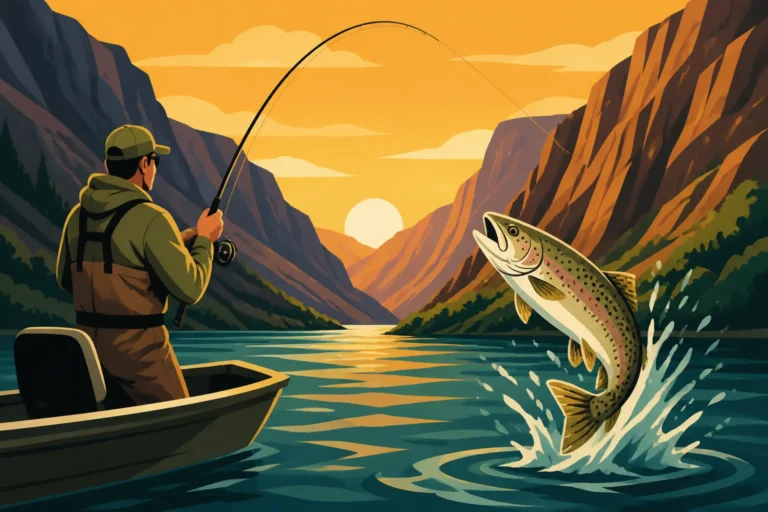
The Sawtooth Valley is a cold-water fishery paradise, primarily home to various trout species, but with a few unique surprises. The star of the show for many are the native cutthroat trout, particularly the Westslope Cutthroat, known for their vibrant colors and distinctive red slash marks under their jaws. These fish thrive in the high-elevation streams and lakes and often rise eagerly to a well-presented dry fly.
Beyond the cutthroats, you'll encounter robust rainbow trout, which can grow to impressive sizes in the larger lakes and river sections. Brook trout, an introduced species, are also prevalent in many of the smaller tributaries and high mountain lakes, often providing fast action for anglers seeking quantity over size. What makes fishing here truly special, however, is the presence of sockeye salmon. Redfish Lake, one of the valley's crown jewels, is famously named for the vibrant red hue of these salmon as they return to spawn. While sockeye are critically endangered and strictly prohibited from being targeted or retained, observing their incredible journey is a bucket-list experience. For those looking to learn more about these fascinating fish, our detailed guide on Idaho Sockeye Salmon and the Redfish Lake Run offers an in-depth look. Additionally, kokanee salmon, landlocked sockeye, provide exciting angling opportunities in some of the larger lakes. This blend of native and introduced species, combined with the stunning setting, creates a diverse and rewarding fishing experience unlike almost anywhere else.
Key Waters to Explore in the Sawtooth Valley
The Sawtooth Valley is dotted with numerous lakes and traversed by pristine rivers, each offering its own unique flavor of angling adventure. Knowing where to focus your efforts can make all the difference in planning your trip.
Redfish Lake
Redfish Lake is arguably the most famous body of water in the Sawtooth Valley, and for good reason. Its stunning beauty, framed by the jagged peaks of the Sawtooth Mountains, is simply breathtaking. For anglers, Redfish Lake offers diverse opportunities. While you can't fish for the endangered sockeye salmon, the lake supports healthy populations of rainbow trout, bull trout (catch and release only, with strict regulations), and kokanee salmon. Trolling with downriggers is a popular method for targeting kokanee and larger rainbow trout, especially in the deeper sections of the lake. Shoreline access is good in many areas, particularly near the lodge and campground, offering opportunities for bait fishing or casting spoons and spinners for smaller trout. Early mornings and late evenings often prove most productive, especially during the warmer summer months when fish move into shallower water to feed. You can dive deeper into fishing this iconic spot by checking out our Redfish Lake in the Sawtooths guide.
Stanley Lake and Alturas Lake
Just a short drive from the charming town of Stanley, you'll find Stanley Lake, another picturesque gem that offers excellent trout fishing. Like Redfish, it's surrounded by dramatic mountain scenery and provides a tranquil fishing experience. Here, anglers often target rainbow and brook trout. Shore fishing is popular, and small boats or kayaks allow access to more of the lake. Spinners, worms, and PowerBait are effective choices. The beauty of Stanley Lake is that it often receives less pressure than Redfish, offering a bit more solitude.
A bit further south, Alturas Lake is another fantastic option. This lake is known for its strong populations of cutthroat trout, rainbow trout, and sometimes kokanee. Its slightly larger size and varied depths make it a great spot for both trolling and still fishing. Fly anglers can also find success along the shallower edges during hatches. Access around Alturas Lake is generally good, with several campgrounds and day-use areas. These lakes, while majestic, are also quite cold, so understanding the Best Time of Year to Fish in Idaho is crucial for planning.
The Salmon River Headwaters and Tributaries
For many fly fishing enthusiasts, the true heart of Sawtooth Valley fishing lies in the headwaters of the Salmon River and its numerous tributaries. The "River of No Return" begins its epic journey here, flowing cold and clear from mountain springs. These upper sections are a classic freestone trout stream, teeming with native Westslope Cutthroat and rainbow trout.
Wading is the primary method here, allowing anglers to explore intimate riffles, runs, and deep pools. Dry fly fishing can be exceptional during summer hatches, with elk hair caddis, parachute Adams, and various terrestrials being highly effective. When fish aren't looking up, nymphing with patterns like stoneflies, caddis larvae, and pheasant tails will often produce results. The small, often brushy nature of many tributaries means lighter rods (3-5 weight) are ideal, allowing for delicate presentations. Always be mindful of private property along the river and ensure you have proper public access. Understanding the specific Idaho Trout Limits by Water is especially important in these sensitive headwater areas, as regulations can vary.
High Mountain Lakes
For the adventurous angler, the Sawtooth Wilderness boasts an incredible network of high mountain lakes, accessible only by foot or horseback. These remote lakes are often stocked with cutthroat, rainbow, and brook trout, offering unparalleled solitude and a chance at truly wild fish. The hike in can range from a moderate few miles to strenuous multi-day backpacking trips, but the reward is immense. Fish in these high-altitude environments can be incredibly aggressive, having fewer natural predators and less angling pressure. Dry flies, small spinners, and even just a worm under a bobber can be wildly effective.
Packing light is key, and a collapsible rod or a multi-piece fly rod is invaluable. Remember, these are fragile ecosystems, so practice strict catch and release and pack out everything you pack in. If you're looking for more inspiration, our guide on the Best High Mountain Lakes in Idaho for Fishing can point you to some fantastic, less-traveled destinations. The feeling of casting to trout in a lake that might only see a handful of anglers all season is a memory that truly lasts a lifetime.
Essential Techniques for Sawtooth Valley Anglers
Fishing in the Sawtooth Valley calls for a blend of traditional and specialized techniques, depending on the water you choose to explore. The diverse environments, from swift rivers to deep alpine lakes, mean you'll need to adapt your approach.
Fly Fishing for Trout
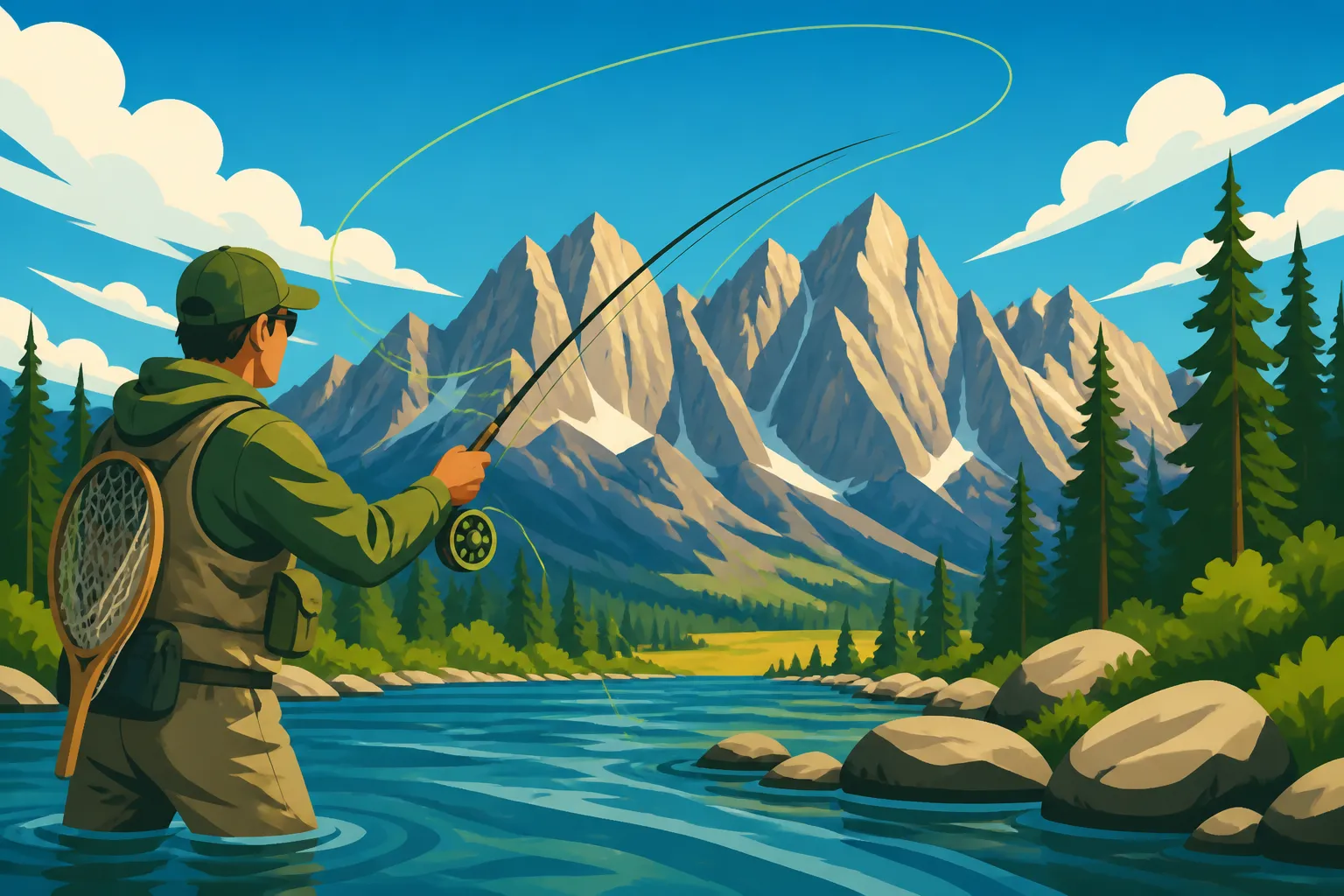
Fly fishing is arguably the most popular and rewarding method for targeting trout in the Sawtooth Valley, especially on the Salmon River headwaters and its tributaries. The clear, cold water makes for excellent sight fishing opportunities, and the abundance of insect life provides consistent hatches throughout the warmer months.
When approaching a river section, focus on reading the water. Look for seams where faster currents meet slower water, deeper pools, and undercut banks where fish might hold. For dry fly fishing, match the hatch if possible, but general attractor patterns like elk hair caddis, parachute Adams, and stimulators often work well. During summer, don't overlook terrestrial patterns such as hoppers, ants, and beetles, as these can be incredibly effective when grasshoppers are abundant along the banks. If fish aren't rising, switch to nymphing. A common setup involves a strike indicator, split shot (if needed), and two nymphs, such as a stonefly pattern trailed by a smaller caddis larva or a pheasant tail. In the larger, deeper sections of rivers or near lake inlets, swinging streamers can entice larger, more aggressive trout. Learning How to Fly Fish in Idaho comprehensively will definitely set you up for success here.
For the high mountain lakes, fly fishing can also be incredibly productive. Focus on casting near rocky outcrops, submerged structure, or where feeder streams enter the lake. Floating lines with dry flies or small nymphs are often all you need. In some of the deeper lakes, sinking lines and leeches or sculpin patterns can tempt bigger fish lurking in the depths.
Spin Fishing Strategies
While fly fishing gets a lot of attention, spin fishing is highly effective and often more accessible for many anglers, especially on the larger lakes and some river sections. The key is to choose appropriate tackle and presentations for the specific environment.
For lake fishing, light to medium-light action rods (6-7 feet) paired with a spinning reel spooled with 4-8 lb monofilament or fluorocarbon line are ideal. Small spoons, such as Acme Kastmasters or Dardevles, in silver, gold, or brass finishes, are highly effective for rainbow and cutthroat trout. Rooster Tail spinners in various colors (black, white, green, yellow) are also perennial favorites. When casting from shore, focus on retrieving at a steady pace, allowing the lure to wobble and flash. If you're fishing from a boat or kayak, trolling these same lures can cover more water and help you locate schools of fish, especially kokanee. For kokanee, trolling with small dodgers or flashers ahead of Wedding Ring or Kokanee Killer lures, often tipped with shoepeg corn, is a very popular and successful method. Bait fishing with worms, PowerBait, or corn from a fixed position, especially near campgrounds or designated fishing areas, can also be very productive for trout.
On the rivers, lighter spinners (size 0-2) and small spoons can be cast into pools and runs. Work your lures upstream and retrieve them just fast enough to get the blade spinning, or cast across and slightly upstream, allowing the current to sweep the lure naturally through potential holding lies. Always be mindful of the current and try to maintain a natural drift with your presentation.
Backcountry Fishing Approaches
Venturing into the Sawtooth's backcountry lakes requires a specific mindset and gear. The approach is often as much a part of the adventure as the fishing itself. The first rule is to pack light and efficiently. A multi-piece pack rod (like a four-piece fly rod or a telescoping spin rod) is invaluable, fitting easily into a backpack.
For tackle, simplicity is key. A small selection of dry flies, nymphs, and perhaps a few small spoons or spinners will suffice. Since many high mountain lakes are quite shallow, a floating fly line is often all you need, paired with a few leader and tippet spools. For spin anglers, a handful of ultralight lures and some extra line are essential. Live bait, like worms, can be very effective and is often easy to carry, but always check regulations to ensure it's allowed in your chosen lake.
When you reach these remote lakes, observe the water for any signs of fish activity – rising fish, cruising shadows, or insect hatches. The trout in these lakes can be less pressured and more eager to bite, making for exciting, visual fishing. Focus your casts around inlet streams, rocky points, and submerged timber. The experience of catching a vibrant cutthroat trout in an isolated alpine lake, with only the sounds of nature as your companion, is truly one of Idaho's most rewarding angling experiences.
Planning Your Sawtooth Valley Fishing Adventure
A trip to the Sawtooth Valley isn't just about throwing a line in the water; it's about immersing yourself in a truly wild place. Proper planning ensures a smooth and memorable experience.
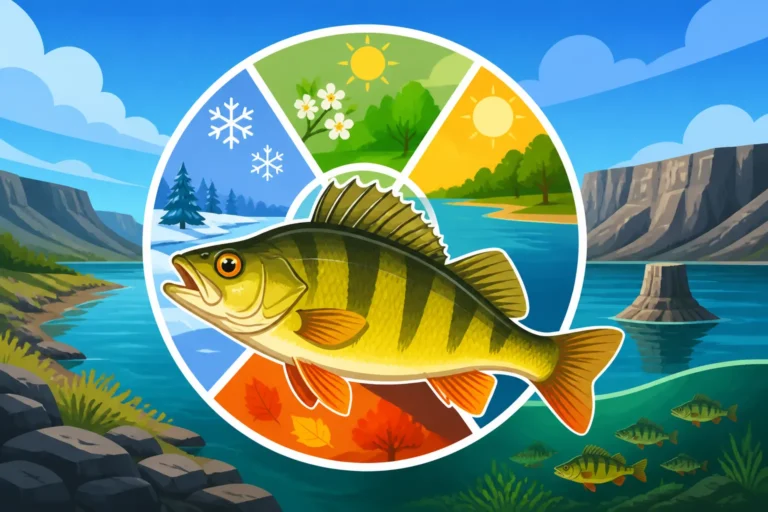
Best Times to Visit and Seasonal Considerations
The Sawtooth Valley experiences distinct seasons, each offering different fishing opportunities.
- Spring (May-June): This is the time of snowmelt and runoff. Rivers like the Salmon can be high and muddy, making fishing challenging. However, late spring can see excellent fishing on smaller streams as water levels drop and hatches begin. Lakes might still have ice or be extremely cold, but "ice-out" fishing (shortly after the ice melts) can be incredibly productive for hungry trout.
- Summer (July-August): Peak season. Water levels stabilize, insect hatches are prolific, and fish are actively feeding. This is the prime time for fly fishing the rivers and exploring high mountain lakes. Daytime temperatures are pleasant, though afternoon thunderstorms are common. This is also when the sockeye salmon run is at its peak in Redfish Lake, offering a unique viewing opportunity. Expect more crowds, especially on weekends and at popular access points. If you're looking for a guided trip during this busy period, using services like FishingBooker can help you secure a spot with a local expert.
- Fall (September-October): Many consider fall the best time to fish the Sawtooth Valley. Crowds thin out, the weather cools, and the aspens turn brilliant gold, creating a spectacular backdrop. Trout become more aggressive, feeding heavily before winter. This is a fantastic time for both fly and spin fishing, with less pressure and often larger fish on the bite.
- Winter (November-April): The valley transforms into a winter wonderland. Most open water fishing ceases as lakes freeze and rivers become encased in ice. Ice fishing can be an option on some of the larger, more accessible lakes outside the immediate Sawtooth Valley, but within the valley itself, fishing is largely inaccessible due to heavy snow and ice.
Always check the Idaho Fishing Season Calendar and local conditions before planning your trip, as weather can be unpredictable at this elevation.
Licenses, Regulations, and Conservation
Before you even think about casting a line, securing the proper licensing is paramount. Every angler 14 years and older needs an Idaho Fishing License Guide. These can be purchased online through the Idaho Department of Fish and Game website, at sporting goods stores, or at various vendors in towns like Stanley. For more details on where to buy, check out our guide on How to Buy an Idaho Fishing License.
Beyond the general license, it's critical to understand the specific Idaho Fishing Regulations Explained for the Sawtooth Valley. Many waters in this sensitive area, particularly those within the Sawtooth National Recreation Area and Wilderness, have special restrictions. These can include:
- Catch and Release Only: Many river sections and high mountain lakes are strictly catch and release, especially for native cutthroat and bull trout.
- Barbless Hooks Required: To minimize harm to released fish, barbless hooks are often mandatory.
- Bait Restrictions: Some waters prohibit the use of live bait.
- Gear Restrictions: Limits on the number of rods or types of lures/flies may apply.
Always consult the current Idaho Fishing Seasons and Rules brochure, available online and at license vendors, as regulations can change annually. Conservation is a huge part of fishing in the Sawtooths. Practice responsible angling: handle fish gently, minimize their time out of water, and ensure a quick, healthy release. Pack out all trash, respect wildlife, and leave no trace. This pristine environment depends on every angler doing their part.
Accommodations and Amenities
The town of Stanley serves as the primary gateway and hub for any Sawtooth Valley adventure. While small, it offers a surprising range of services for anglers and outdoor enthusiasts.
- Lodging: You'll find a variety of options in Stanley, from rustic cabins to comfortable lodges. Popular choices include the Stanley Sawtooth Lodge, Triangle C Cabins, and the Mountain Village Resort. Booking well in advance, especially for summer and fall, is highly recommended. Many anglers also opt for nearby towns like Challis or Sun Valley for additional amenities, though these are a longer drive.
- Camping: The Sawtooth National Recreation Area boasts numerous developed campgrounds around Redfish Lake, Stanley Lake, and Alturas Lake, as well as along the Salmon River. These typically offer basic amenities like vault toilets and potable water but fill up quickly. Dispersed camping (boondocking) is also permitted in many areas on National Forest land, provided you follow Leave No Trace principles and local fire restrictions.
- Supplies: Stanley has a few general stores, gas stations, and eateries. You can find basic groceries, fishing tackle, and camping supplies. For more extensive grocery shopping or specialized gear, it's best to stock up in larger towns like Boise, Ketchum, or Salmon before heading into the valley. If you're looking to enhance your trip, consider checking Idaho Fishing Guides and Charters Directory to find local expertise who can help you locate the best spots and techniques.
- Guides and Outfitters: If you're new to the area or want to maximize your chances, hiring a local fishing guide can be incredibly valuable. They know the waters, the fish, and the specific regulations. Services like Sawtooth Mountain Guides or Silver Creek Outfitters are well-regarded. You can also explore options via platforms like FishingBooker to find a guide that fits your needs and schedule, especially if you're targeting specific species or wanting to explore remote areas safely. Don't forget, when dealing with a guide, understanding Idaho Fishing Guide Tipping and Etiquette is always a good idea.
Sawtooth Valley Fishing Waters Comparison
| Water Body | Primary Species Targeted | Best Fishing Method(s) | Key Features | Notes |
|---|---|---|---|---|
| Redfish Lake | Rainbow, Kokanee, Bull Trout | Trolling (kokanee, large trout), Shore Fishing (trout) | Iconic views, sockeye viewing, lodge, developed campgrounds | Bull trout are strictly Catch & Release. Can get busy in summer. |
| Stanley Lake | Rainbow, Brook Trout | Shore Fishing, Small Boats (spin/fly) | Quieter than Redfish, stunning backdrop, good access | Good for families, less crowded. |
| Alturas Lake | Cutthroat, Rainbow, Kokanee | Trolling, Shore Fishing, Fly Fishing (shallow areas) | Diverse species, good size, less touristy than Redfish | Can offer good dry fly action at inlets. |
| Salmon River Headwaters | Westslope Cutthroat, Rainbow | Fly Fishing (dry flies, nymphs), Wading | Pristine freestone river, native trout, remote sections | Primarily Catch & Release. Many special regulations apply. |
| High Mountain Lakes | Cutthroat, Rainbow, Brook Trout | Fly Fishing (dry flies, nymphs), Ultralight Spin Fishing | Wilderness experience, solitude, aggressive fish, scenic | Requires hiking/backpacking. Check specific lake regulations. Barbless hooks often required. |
Disclaimer
The information provided in this guide is for general informational purposes only and does not constitute legal or professional advice. Fishing regulations and conditions in Idaho can change frequently. Always consult the official Idaho Department of Fish and Game regulations brochure or website for the most current and accurate rules and season dates before planning any fishing trip. Adherence to all local, state, and federal laws is the sole responsibility of the individual.