Fishing Idaho’s Lakes During a Heat Wave
Oh, the dreaded Idaho heat wave! You've planned your fishing trip for weeks, maybe even months, dreaming of cool mountain air and cooperative fish, only to check the forecast and see temperatures soaring into the 90s or even triple digits. It can feel like your luck just ran out, and suddenly all those fishing spots you envisioned seem like they're going to be slow, miserable affairs. But don't despair! Fishing Idaho's lakes during a heat wave isn't a lost cause; it just means you need to adjust your strategy, understand how these conditions affect the fish, and be prepared. This comprehensive guide will walk you through exactly what happens to our beloved Idaho waters when the mercury rises and, more importantly, how you can still find success and stay safe on the water.
Understanding How Heat Waves Affect Idaho Lakes and Fish
When a serious heat wave settles over Idaho, it doesn't just make us humans sweat; it profoundly changes the aquatic environment. The seemingly endless sunshine and lack of cool nights can turn even large lakes into challenging fishing grounds. Understanding these environmental shifts is the first step to adapting your game plan.
Water Temperature Stratification and Oxygen Levels
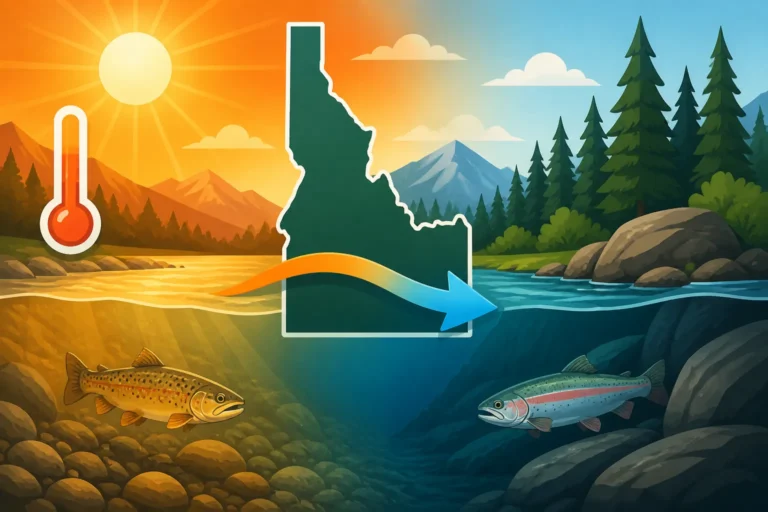
One of the most significant impacts of prolonged heat is on water temperature and, subsequently, dissolved oxygen. Lakes, especially deeper ones, begin to stratify. Think of it like a layered cake: you'll have a warm layer on top (the epilimnion), a middle layer where the temperature changes rapidly (the thermocline), and a deeper, cooler layer (the hypolimnion). The warmer surface water holds less dissolved oxygen, and as the heat persists, this oxygen depletion can extend deeper.
Fish, being cold-blooded creatures, are extremely sensitive to these changes. Many of the species we love to pursue in Idaho, particularly trout and kokanee, prefer cooler, well-oxygenated water. When surface temperatures climb into the 70s or 80s, these fish won't stick around the top; they'll seek refuge in the cooler, deeper reaches of the lake. This is why you might be casting into seemingly perfect structure near the surface and getting absolutely no bites – the fish simply aren't there. It’s a frustrating experience to know the fish are somewhere but not where you can reach them with your usual tactics.
The Impact on Fish Behavior and Metabolism
Beyond just seeking cooler water, the elevated temperatures influence the fish's very physiology. Their metabolism speeds up in warmer water, requiring more oxygen. However, as mentioned, warmer water holds less oxygen, creating a stressful environment. This stress often makes fish lethargic. They won't chase baits aggressively or expend much energy. Their feeding patterns shift dramatically; instead of active hunting, they might feed only during very specific, brief windows, or become opportunistic scavengers.
Imagine trying to run a marathon in a sauna – that's a bit like what fish experience. They become less active, their bite can become incredibly subtle, and they're less likely to strike at a fast-moving or overly aggressive presentation. This change in behavior means you can't just throw out your usual lure and expect results. You have to think like the fish and understand that their world has become a much more challenging place. This is especially true for delicate species like cutthroat trout or even the larger rainbow trout you might find in lakes. If you're wondering about the rules for different species, our guide on Idaho Fishing Regulations Explained offers a great overview.
Strategies for Success: Adapting Your Approach During Summer Heat
Okay, so the fish are stressed, deep, and lethargic. Does that mean you should just pack it up and wait for fall? Absolutely not! It just means it's time to get clever and adapt your tactics. Success in a heat wave comes down to understanding the fish's new patterns and presenting your offerings accordingly.
Timing Your Trip: Early Mornings and Late Evenings
This is perhaps the most crucial adjustment you can make during a heat wave. Forget about midday fishing; that's when the sun is at its harshest, and the surface water is at its warmest. Instead, become a creature of twilight. Early mornings, just before and during sunrise, offer the coolest water temperatures of the day and often the best light conditions. The fish that might venture shallower to feed under the cover of darkness will still be there, actively looking for a meal before retreating to the depths.
Similarly, late evenings, from an hour or two before sunset until well after dark, can be incredibly productive. As the sun dips below the horizon, surface temperatures begin to drop, and the light diminishes, providing a window of opportunity. This is when insects might hatch, or baitfish become more active, drawing larger game fish out of their deep hideouts. For a deeper dive into optimal fishing times, check out our article on Best Time of Year to Fish in Idaho. This early and late timing allows you to avoid the brutal midday sun while capitalizing on those brief, cooler periods when fish are most likely to feed.
Targeting Deeper, Cooler Waters
Since fish are seeking thermal refuge, your primary goal is to get your lure or bait down to where they are. This often means fishing depths that you might not normally target. On many Idaho lakes, this could be anywhere from 20 to 60 feet or even deeper, depending on the lake's size, depth, and the severity of the heat.
To effectively target these deeper zones, you'll need the right tools. A good fish finder is invaluable for identifying the thermocline and locating schools of fish or individual marks holding near the bottom or structure. You can find excellent, reliable fish finders on sites like Amazon that cater to various budgets. Learning how to use a fish finder on an Idaho reservoir is a skill that pays off tremendously in these conditions. Trolling with downriggers or weighted lines is a common tactic on larger lakes to present lures at precise depths. If you're fishing from shore or a smaller boat, heavy jigs, drop-shot rigs, or even bottom-fishing with bait can be effective. Look for underwater structure like humps, ledges, or submerged timber that offers cover in addition to depth. Our guide on Idaho Fishing Techniques Guide provides more general strategies, but the key here is depth.
Adjusting Your Lures and Presentation
When fish are lethargic due to heat stress, they're not going to chase down a fast-moving, aggressive lure. You need to slow down your presentation and offer something that looks easy to catch. Think subtle. Smaller baits, slower retrieves, and more natural colors are often the ticket.
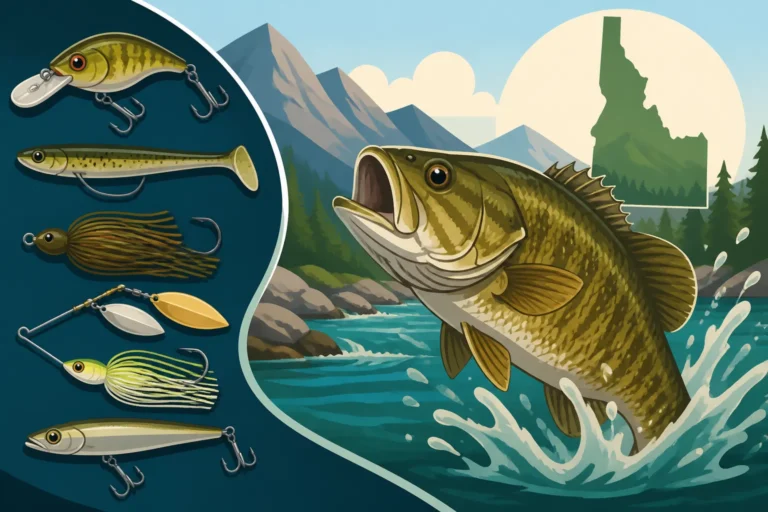
For trout and kokanee, consider small spoons, dodgers and wedding rings, or even tiny jigs tipped with a piece of corn or maggot. Our piece on How to Troll for Kokanee on Lake Coeur d'Alene goes into specific presentations that work well for these deep-dwelling fish. If you're fly fishing in a lake (which can be challenging but rewarding in the heat), deep nymphing rigs or streamers stripped very slowly along the bottom might entice a strike. For bass, try soft plastics fished slowly on a Texas rig or Carolina rig, allowing them to sink naturally into deep cover. Sometimes, just letting a worm or PowerBait sit on the bottom in a deep channel can produce results. The idea is to make the meal effortless for the fish to grab.
Essential Gear and Safety Tips for Hot Weather Fishing
Fishing in a heat wave isn't just about catching fish; it's also about staying safe and comfortable. The Idaho sun can be relentless, and heat-related illnesses are a real concern. Being prepared with the right gear for yourself and for the fish you catch is paramount.
Hydration and Sun Protection
This can't be stressed enough: hydrate, hydrate, hydrate! Bring plenty of water, and consider electrolyte drinks to replenish what you lose through sweat. Even if you don't feel thirsty, keep sipping throughout your trip. A cooler packed with ice and drinks is your best friend. Sun protection is equally vital. Wide-brimmed hats, sunglasses, and high-SPF sunscreen are non-negotiable. Long-sleeved, lightweight, breathable shirts with UPF protection are a game-changer – many anglers find excellent options on Amazon.
Don't forget neck gaiters or buffs to protect your neck and face. Getting a sunburn on your fishing trip not only ruins your day but also significantly increases your risk of heatstroke. The goal is to enjoy your time on the water, not end up feeling miserable or, worse, needing medical attention. Our general Idaho Fishing Gear Guide by Season covers essentials, but these items are particularly critical for summer heat.
Specialized Equipment for Deep Water
As discussed, getting your offering down to the fish requires specific tackle. If you plan to troll, downriggers are incredibly effective for maintaining a precise depth, which is key when you know kokanee are holding at, say, "What Depth Kokanee Hold at in Summer on Idaho Lakes" (link to What Depth Kokanee Hold at in Summer on Idaho Lakes). If downriggers aren't in your arsenal, you can still get deep with heavier lead core line or snap weights.
For still fishing or jigging from shore or an anchored boat, a sensitive rod with enough backbone to handle potential larger, deep-dwelling fish is important. Braided line with a fluorocarbon leader is excellent for sensitivity and strength, helping you detect those subtle bites from lethargic fish. Remember, even though the fish might be sluggish, they can still fight hard once hooked, especially species like the Idaho Lake Trout Fishing Guide mentions. Having reliable gear prevents break-offs and ensures you can land fish efficiently.
Fish Care in Warm Water
This is a critical, often overlooked aspect of hot weather fishing. When water temperatures are high, fish are already under stress. If you're practicing catch-and-release, it's vital to minimize the stress on the fish to maximize their survival chances. This means handling them as little as possible and releasing them quickly.
Consider using barbless hooks to make unhooking easier and faster. Wet your hands before handling a fish to protect its protective slime coat. Avoid dragging fish onto hot boat decks or sandy shores. If a fish looks particularly stressed, try reviving it gently in the water, holding it upright until it swims away under its own power. You might even consider keeping fewer fish for dinner or focusing your efforts on species that are more tolerant of warmer water, if allowed by Idaho Catch Limits and Bag Limits Explained. Responsible angling ensures that Idaho's fantastic fisheries remain healthy for years to come, even through the challenging conditions of a heat wave.
A Quick Reference for Hot Weather Fishing
To help you quickly reference the key takeaways for beating the heat on Idaho's lakes, here's a handy table summarizing the strategies discussed:
| Aspect | Heat Wave Impact on Fish & Water | Recommended Strategy | Gear to Consider |
|---|---|---|---|
| Water Temperature | Surface water heats up, less oxygen; fish go deep. | Target early mornings/late evenings; fish deep structure. | Fish finder, downriggers, weighted lines, contour maps. |
| Fish Behavior | Lethargic, reduced feeding, subtle bites, seeking refuge. | Slow, subtle presentations; smaller baits; natural colors. | Small jigs, soft plastics, spoons, live bait, barbless hooks. |
| Metabolism | Increased stress, less active. | Minimize fish handling; quick releases. | Landing net (wet), pliers/forceps, wet hands for handling. |
| Angler Safety | Risk of dehydration, sunburn, heatstroke. | Hydrate constantly; full sun protection. | Plenty of water/electrolytes, wide-brim hat, UPF clothing, sunglasses, high-SPF sunscreen. |
| Optimal Depth | Fish move to cooler thermocline/hypolimnion. | Use electronics to find depth, present lures accurately. | Downriggers, lead core line, heavy jigs, drop-shot rigs. |
Conclusion: Don't Let the Heat Stop You
A heat wave in Idaho doesn't mean your fishing plans are doomed. It simply means you need to be smarter, more strategic, and more prepared. By understanding how hot weather impacts our beautiful lakes and the fish that inhabit them, you can adjust your timing, target the right depths, and refine your presentation to still find rewarding experiences on the water.
Remember to prioritize your own safety and comfort, always hydrate, and protect yourself from the sun. And just as importantly, practice good fish care to ensure those magnificent Idaho fish have the best chance of survival. So, next time the forecast calls for scorching temperatures, instead of canceling your trip, grab your gear, fill your cooler with water, and get ready to challenge yourself with some smart summer fishing. There are still plenty of opportunities out there to catch a beautiful Idaho Rainbow Trout Fishing Guide mentions, even when the heat is on!
Disclaimer
This article is for general informational purposes only and does not constitute professional advice. Laws, prices and regulations vary by location and change over time. Consult a qualified professional for guidance on your specific situation.