Does Idaho Fishing Slow Down in the Middle of the Day?
It's a common, almost universal, frustration among anglers: you start the day with the sun just kissing the horizon, the fish are biting like crazy, and then boom—as soon as the sun climbs high, the action just… dies. You're left wondering if the fish packed their bags and moved to another state! This slowdown in the middle of the day is a real phenomenon in Idaho waters, and understanding why it happens and how to adjust your approach can make all the difference between a productive day and a slow one. This guide will dive deep into the factors influencing fish behavior during midday hours and offer practical strategies to keep your line tight, even when the sun is at its peak.
The Midday Slump: Why Fish Seem to Disappear When the Sun is High
The truth is, fish don't usually vanish into thin air just because it's noon. Instead, their behavior shifts dramatically in response to environmental changes that occur as the sun climbs higher in the sky. It's less about them being "gone" and more about them becoming less active, harder to find, and generally less inclined to strike a lure or bait. Understanding these underlying reasons is the first step to figuring out how to still catch them.
Water Temperature and Oxygen Levels
As the sun beats down, especially during Idaho's warm summer months, the water temperature in shallower areas begins to rise. While some fish, like bass, can tolerate warmer water, many popular species, especially trout, prefer cooler temperatures. Warmer water often holds less dissolved oxygen, which can make fish lethargic and less willing to expend energy chasing food. Imagine trying to run a marathon in stifling heat – you'd probably prefer to conserve your energy too! Fish will seek out thermal refuges where the water remains cooler and more oxygenated. This often means heading to deeper channels, springs, or areas with significant current.
This thermal shift isn't just about comfort; it's about survival. A degree or two change can significantly impact a fish's metabolism. You might notice this more acutely in smaller rivers and lakes, or even the shallower arms of larger reservoirs. Larger, deeper bodies of water, like those found when you're Fishing Lake Coeur d'Alene for Kokanee and Chinook, tend to buffer these temperature changes more effectively, but even there, fish will move to optimal depths.
Light Penetration and Fish Behavior
Another major factor is light penetration. When the sun is directly overhead, sunlight pierces the water's surface with maximum intensity. For many fish species, particularly those that are prey to birds of prey or other predators, this bright light can make them feel exposed and vulnerable. They lose the cover of shadows and the relative obscurity that lower light conditions provide. Think of it from their perspective: a bright sky makes them an easier target.
This increased light can also make them more sensitive to perceived threats, causing them to spook more easily. Consequently, they tend to retreat to areas where they can find shade or deeper water. Overhanging banks, submerged logs, weed beds, rocky ledges, and even the shadows cast by boats become prime real estate for fish trying to escape the midday glare. You'll find them hunkered down, often nose-to-structure, waiting for the light to soften before resuming their active feeding patterns. This is why understanding Idaho Fishing Techniques Guide often emphasizes stealth and proper presentation.
Insect Activity and Food Availability
The midday lull isn't always just about the fish; it's also about their food sources. Many of the insects that fish feed on, especially aquatic insects that hatch or fall into the water, are most active during the cooler, lower light hours of dawn and dusk. Think about the incredible caddis or mayfly hatches you see in the evenings on rivers like Henry's Fork. These provide a bounty that draws fish out to actively feed. As the day heats up and light intensifies, these insect hatches often slow down or cease entirely, reducing the readily available food supply.
Without a strong incentive (i.e., easy food), fish have less reason to be cruising open water or expending energy. They might still opportunistically strike if something juicy drifts right by their nose, but they're less likely to actively hunt. This shift in food availability influences when fish choose to forage, contributing significantly to the perception that fishing "slows down." It's a natural rhythm that governs the entire aquatic ecosystem.
Adapting Your Strategy: Techniques for Beating the Midday Lull
Just because the fish aren't jumping into your boat doesn't mean you should pack up and head home! Savvy Idaho anglers know that midday fishing often requires a complete shift in strategy. It's about thinking like a fish and anticipating their movements and preferences when conditions aren't ideal. Sometimes, the reward for persistence and adaptation can be a truly memorable catch.
Targeting Deeper Water or Shade
This is perhaps the most fundamental adjustment. As discussed, fish retreat to cooler, darker areas. So, your primary goal becomes finding those areas. On lakes and reservoirs, this means moving from shallow flats to deeper drop-offs, submerged humps, or channels. Using a fish finder can be invaluable here to locate structure and baitfish holding at specific depths. If you're bank fishing, look for areas where the shore drops off sharply, or where large trees or cliffs cast deep shadows onto the water. Sometimes even a large bridge or dock can provide enough cover.
For river anglers, the strategy is similar: look for deep pools, undercut banks, or areas with strong, oxygenated currents that provide both cover and cooler water. Don't overlook the shadows cast by large boulders or overhanging vegetation. Presenting your bait or lure right into these shaded pockets or along the bottom of deeper runs can often entice a strike from a fish that's otherwise hunkered down. Carrying extra weight for your rigs to get your offerings down deep is a must-have for your tackle box, and you can find a wide variety of sinkers and weights on Amazon if you need to resupply. Remember, the fish are often still there, just not in the same places they were at sunrise.
Changing Up Your Presentation and Lures
During peak feeding times, fish might be aggressive and willing to chase fast-moving lures. During the midday lull, however, their metabolism slows down, and they become far more passive. This means you need to adjust your presentation to match their mood. Slower, more subtle approaches are key. Instead of a rapid retrieve, try a slower, more deliberate retrieve that allows your lure to stay in the strike zone longer. Often, the Best Bait and Lures for Idaho Fishing will include options for these slower, more natural presentations.
Consider using natural baits like worms, PowerBait, or corn if legal and appropriate for the species, allowing them to sit on the bottom or drift very slowly. For lure fishing, jigs, soft plastics, or spoons worked slowly and methodically can be effective. Sometimes, downsizing your lure or using a more natural color can also make a difference. The goal is to make it easy for a lethargic fish to grab a meal without expending much energy. If you're fly fishing, switching from active dry flies to deeply presented nymphs or streamers that imitate subsurface food sources is often a successful tactic.
Focusing on Less Pressured Waters
Sometimes, the midday slowdown isn't just about fish behavior; it's also about angler pressure. Popular fishing spots can become crowded by mid-morning, with multiple boats or bank anglers casting into the same areas. This constant disturbance can push fish even deeper into cover or make them incredibly wary, especially in clear Idaho waters. If your favorite spot suddenly goes quiet, it might be worth exploring less accessible or less-frequented stretches of water.
This could mean hiking a bit further along a riverbank, exploring a remote cove on a lake, or even trying a small, lesser-known pond. While these spots might not hold as many fish, the fish present are often less pressured and therefore more willing to bite, even during midday. This also applies to different parts of the same waterbody; if the main channel is packed, try a quiet backwater or a slow eddy. Sometimes the peace and quiet of a less-pressured spot, even if the fishing is still slow, is a reward in itself.
Species-Specific Midday Habits in Idaho
While general rules apply, different fish species in Idaho respond to midday conditions in unique ways. What works for trout might not be the best approach for bass, and knowing these distinctions can significantly refine your midday tactics. Understanding the specific habits of your target species can lead to more consistent success.
Trout: Seeking Cover and Cooler Temps
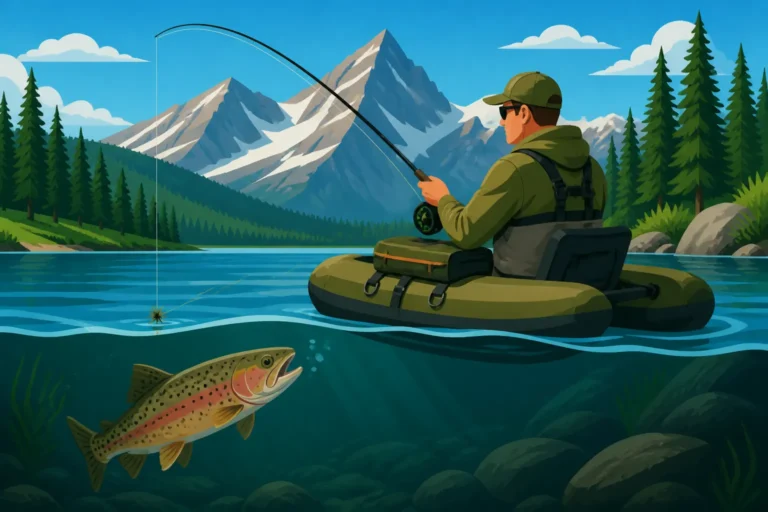
Idaho is famous for its trout fishing, but these cold-water species are often the most affected by rising midday temperatures and bright sunlight. Rainbow, cutthroat, brook, and brown trout will aggressively seek refuge. You'll find them retreating from open, shallow riffles into the depths of pools, under undercut banks, or nestled behind large rocks where the current creates a quiet, shaded pocket. In lakes, they'll often go deep, suspending in cooler thermoclines, or hugging the bottom near structure.
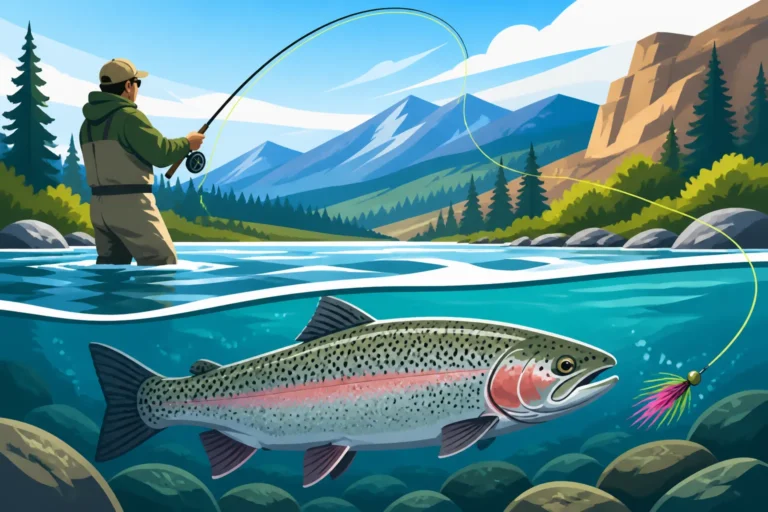
For Idaho Trout Fishing, midday fishing often means switching from surface presentations to weighted nymphs, streamers, or even small spinners and spoons fished deep and slow. If you’re bait fishing, drifting a worm or PowerBait along the bottom in a deep run can be incredibly effective. Pay close attention to current seams and areas where deep water meets cover. These are prime midday trout hideouts. If you're on a fly fishing trip to Henry's Fork, you'll see guides emphasize nymphing and streamer patterns during the brighter hours, only switching to dry flies if a specific, localized hatch occurs in a shaded area.
Bass and Panfish: Activity in Different Conditions
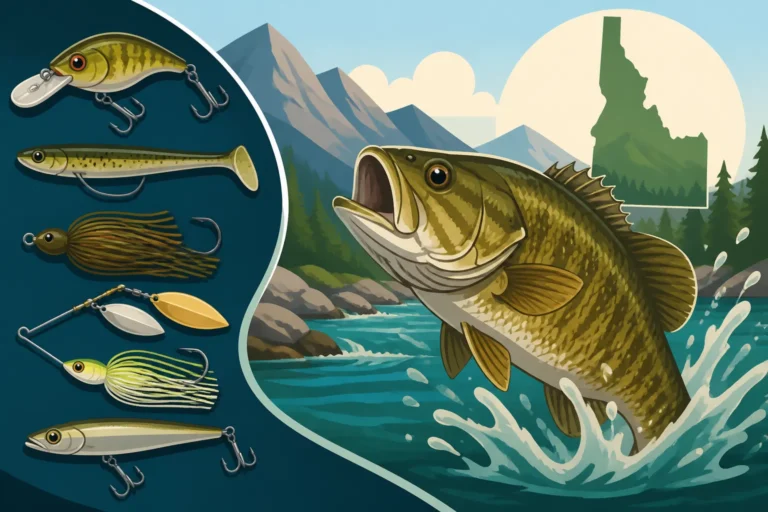
Unlike trout, warm-water species like smallmouth and largemouth bass, crappie, bluegill, and perch can often remain active through the midday heat, though their locations will definitely shift. Idaho Bass Fishing Guide insights show that bass, for example, might move from shallow spawning beds or cruising flats to denser cover like weed beds, lily pads, submerged timber, or rocky points that offer shade and ambush opportunities. They might not be as eager to chase, but they'll still strike if a tempting meal passes their hiding spot.
For panfish like crappie and perch, they might congregate in brush piles, under docks, or in the deeper sections of weed lines. Slow-moving jigs tipped with a small piece of bait, or live minnows suspended under a bobber, can be deadly in these shaded, structured areas. The key is to get your presentation right into their living room, so to speak. During the summer, even during the hottest parts of the day, you can often find good action for bass and panfish by precisely targeting these shaded, structured areas.
Anadromous Fish: Less Affected by Direct Sun
Species like steelhead and Chinook salmon, being anadromous (migrating from the ocean to spawn in freshwater), often behave a bit differently than resident trout. While they can still seek deeper, cooler water in rivers, their primary driver is migration, not necessarily active feeding in the same way. They might hold in slower, deeper pools or behind large boulders, but they are less affected by light intensity in terms of feeding activity because they are not actively feeding in freshwater anyway. Their strikes are often territorial or reactionary.
For Idaho Steelhead Fishing Guide advice, midday can still be productive if you focus on these holding lies. Techniques like drift fishing with bait, jigs, or even back-trolling plugs can provoke a strike from a steelhead resting in a deep run, regardless of the sun's position. The critical factor is getting your offering right to them and triggering that reactionary bite. Similarly, for Chinook salmon, you'll find them holding in specific deep pools and runs, often unaffected by the direct sun overhead.
Beyond Midday: Planning Your Idaho Fishing Day for Success
While the midday slump is a reality, it doesn't mean your entire fishing trip is doomed. By understanding the rhythms of the day and leveraging conditions to your advantage, you can still have incredibly productive outings. Sometimes, planning your whole day around these shifts is the best approach.
The Magic of Dawn and Dusk
There's a reason why the "golden hours" of fishing—first light and last light—are legendary. These periods offer the ideal combination of cooler temperatures, lower light levels, and often increased insect activity. Fish, feeling safer and more comfortable, move out from their midday hiding spots to actively forage. This is when you'll often see explosive surface strikes, vigorous chases, and consistent action. If your schedule allows, prioritizing these times is often the single most effective strategy for successful fishing in Idaho.
This is especially true for trout in rivers and streams, where you might see strong hatches of insects bringing fish to the surface. For bass and other warm-water species, they become more aggressive and willing to chase lures in low light. If you can only fish for a few hours, make them the first few hours after sunrise or the last few hours before sunset. Many anglers will fish hard during these periods, take a break during the midday lull, and then return for the evening bite. This approach aligns perfectly with the natural behavior of most fish species.
Overcast Days and Weather Fronts
Not all midday conditions are created equal. An overcast day, or one with intermittent cloud cover, can significantly mitigate the midday slump. Clouds act like a giant diffuser, reducing light penetration and keeping water temperatures from spiking. On such days, fish often remain more active and spread out across the water column, making them easier to target than on a bright, sunny day. These are the days when you might find fish hitting surface lures or flies even at noon.
Similarly, approaching weather fronts, particularly those bringing rain or a drop in barometric pressure, can often trigger increased feeding activity. Fish can sense these changes and sometimes go on a feeding frenzy before the weather truly hits. Conversely, fishing immediately after a strong front has passed, especially if it brings clear skies and high pressure, can be exceptionally challenging. Paying attention to the forecast and understanding How Weather Fronts Affect Idaho Trout Fishing can help you plan your trips to coincide with more favorable conditions, making even midday more productive.
| Time of Day | Light Conditions | Water Temperature | Fish Activity | Recommended Strategy |
|---|---|---|---|---|
| Early Morning | Low light | Coolest | High activity, active feeding | Topwater, fast retrieves, surface flies |
| Midday (Sunny) | Bright, direct | Warming | Low activity, seeking cover | Deeper water, slow presentations, natural bait |
| Midday (Overcast) | Diffused, moderate | Stable | Moderate to high activity | Versatile, adjust as conditions change |
| Late Afternoon/Dusk | Dimming | Cooling | High activity, active feeding | Topwater, slow retrieves, evening hatches |
| Night | Dark | Cool | Variable, often targeting larger prey | Large baits, noisy lures, glow-in-the-dark |
Ultimately, fishing in Idaho is about adapting to the conditions you're given. The midday slowdown is a challenge, but it's not insurmountable. With the right knowledge, the right gear (which you can easily find on Amazon for quick delivery), and a willingness to adjust your techniques, you can still enjoy rewarding catches, even when the sun is directly overhead. Don't let the bright sun deter you; just change your game plan, and you might be surprised by what you reel in. Remember, the Best Time of Year to Fish in Idaho will always have its peak times, but adaptation lets you extend those windows of opportunity significantly.
Disclaimer
This article is for general informational purposes only and does not constitute professional advice. Laws, prices and regulations vary by location and change over time. Consult a qualified professional for guidance on your specific situation.