Idaho Smallmouth Bass Fishing
Many anglers, when they think of fishing in Idaho, immediately picture pristine mountain streams teeming with trout or the legendary runs of salmon and steelhead. And don't get me wrong, those experiences are absolutely phenomenal! But if you're overlooking the thrilling world of smallmouth bass fishing here in the Gem State, you're truly missing out on some incredible action. These bronze bombers offer an aggressive fight, acrobatic jumps, and a challenge that can rival any trout on the fly. This comprehensive guide will open your eyes to the fantastic smallmouth opportunities Idaho has to offer, helping you find them, catch them, and appreciate them responsibly.
The Thrill of Idaho's Smallmouth Bass Fishing
For those who haven't experienced it, the smallmouth bass is often called "the hardest fighting fish for its size." And honestly, it's a reputation they've truly earned. While Idaho is undeniably a trout haven, the smallmouth bass has carved out its own niche, providing an exhilarating angling experience that's distinct from chasing an elusive cutthroat. They’re smart, they’re aggressive, and they demand your attention once hooked.
The Underrated Fighter of Idaho Waters
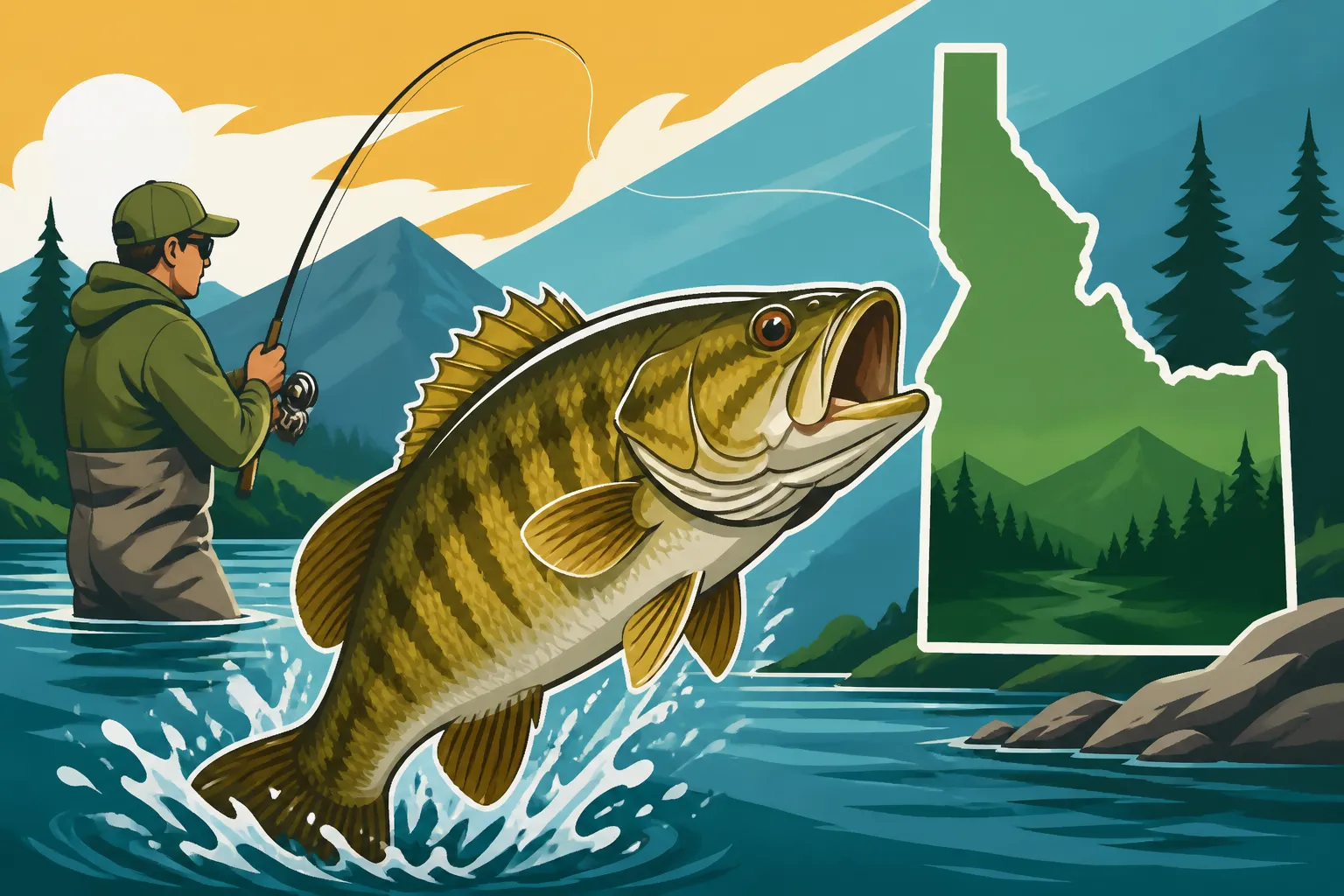
Imagine hooking into a fish that, pound for pound, pulls harder and jumps higher than almost anything else. That's the smallmouth bass experience. Unlike their largemouth cousins, who often prefer to hug cover and make powerful, but less acrobatic, runs, smallmouth are open-water fighters. They'll peel line, headshake violently, and launch themselves into the air with surprising frequency, making every retrieve an exciting dance. It's not uncommon to think you've hooked into a much larger fish, only to see that familiar bronze flash in the water, revealing a feisty smallmouth.
They thrive in varied environments, from cool, flowing rivers to large, clear reservoirs, adapting their behavior to their surroundings. This adaptability means they offer diverse fishing scenarios, whether you're casting to rocky points on a lake or navigating swift currents in a river. You might feel a subtle tap one moment and then, BAM, your rod is practically ripped from your hands as a smallmouth decides it's time to put on a show.
Habitat Preferences and Growth
Smallmouth bass aren't just here by accident; they've found their perfect homes. They generally prefer cooler, clearer waters than largemouth bass, and they absolutely love rocky structures, gravel beds, and areas with current. Think of places where you'd find a lot of crawfish – that's prime smallmouth territory. They'll orient themselves behind rocks, current breaks, or along ledges, waiting to ambush unsuspecting prey.
While they don't grow to the massive sizes of some largemouth bass, Idaho's smallmouth can still reach impressive dimensions. A 3-to-5-pound smallmouth is a truly respectable catch and will give you a fight you won't soon forget. Their growth is tied directly to the availability of food and suitable habitat, and in Idaho's nutrient-rich rivers and reservoirs, they often find both in abundance. The clear water found in many Idaho systems also contributes to their vibrant bronze coloration, making them a beautiful fish to behold before a respectful release.
What Makes Them So Fun to Catch
Beyond their incredible fighting spirit, what truly sets smallmouth bass apart is their willingness to strike a variety of lures and baits. They're often less finicky than trout, making them an excellent target for anglers of all skill levels. The chase is genuinely exciting. You might be working a jerkbait along a rocky bank, and suddenly a bronze torpedo appears from nowhere, smashing your lure with incredible force.
They are also highly susceptible to different presentation styles, meaning you can experiment with topwater, subsurface, or deep-water techniques all in the same day, depending on their mood and location. This versatility makes Idaho Smallmouth Bass Fishing a constantly engaging pursuit. Plus, given their aggressive nature, you often get to see the strike, which is an adrenaline rush in itself! You feel the weight, see the splash, and then the battle truly begins.
Where Smallmouth Bass Are Most Common in Idaho
Idaho might be famous for its trout streams, but trust me, we've got some absolute gems for smallmouth bass. These fish have found their way into many of our warmer, rockier river sections and reservoirs, thriving in waters that might be a little too warm or slow for trout, but just right for a feisty bass. Knowing where to start is half the battle, so let's dive into the prime smallmouth real estate across the state.
The Mighty Snake River System
When it comes to smallmouth bass in Idaho, the Snake River is undoubtedly the undisputed king. From its headwaters in Wyoming, as it snakes its way through southern Idaho and then forms a significant portion of the Idaho-Oregon border, the Snake River offers countless miles of prime smallmouth habitat. The varying current, rocky banks, and abundant forage, especially crawfish, create an ideal environment for these bronze fighters. You can find them in eddy lines, around current breaks created by large boulders, and along rip-rap shorelines.
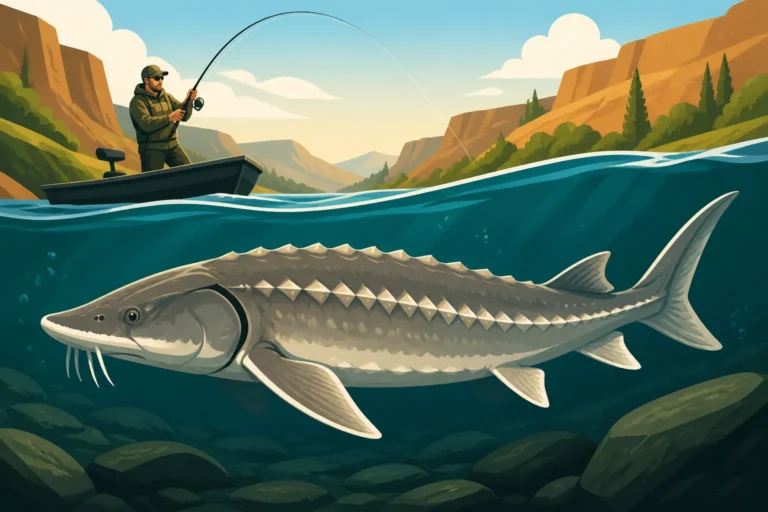
Parts of the Snake River, particularly below dams where water flow can create excellent current seams and oxygenated water, can hold incredible numbers of smallmouth. Think about fishing anywhere from American Falls Reservoir downstream through the Twin Falls area, and especially into Hells Canyon. The Fishing the Snake River for Smallmouth Bass and Sturgeon is an experience every Idaho angler should have at least once. It's not just about the numbers; the size of the fish you can encounter in this system can be truly impressive, with many fish regularly exceeding the 3-pound mark.
Reservoirs and Lakes with Thriving Populations
Beyond the main stem of the Snake, many of Idaho's reservoirs and lakes also boast fantastic smallmouth bass populations. These impoundments often feature extensive rocky shorelines, deep drop-offs, and plenty of submerged structure where smallmouth love to lurk. C.J. Strike Reservoir, for instance, is a well-known hotspot in Southwestern Idaho, offering excellent boat and shore access for bass anglers. It’s a place where you can find smallmouth patrolling rocky points and ledges.
Other notable reservoirs include Brownlee, Oxbow, and Anderson Ranch Reservoir, particularly in their lower reaches or areas where river currents slow down but maintain rocky features. These waters provide different angling experiences than river fishing, often requiring boat access and a focus on deeper presentations or covering more water. Lake Lowell near Nampa, while often thought of for its largemouth, also has a decent smallmouth contingent, especially around its rockier sections. Don't be afraid to explore these larger bodies of water, as they often hold some of the biggest smallmouth in the state.
Smaller Tributaries and Warmer Ponds
While the big rivers and reservoirs get most of the attention, don't overlook some of the smaller tributaries flowing into the Snake or other larger rivers. These often-overlooked spots can hold surprisingly robust populations of smallmouth bass, especially during warmer months when they might move upstream from larger bodies of water to spawn or forage. These smaller waters can be fantastic for wading or bank fishing, offering a more intimate angling experience.
Additionally, some of Idaho's warmer ponds, especially those with rocky bottoms or introduced structure, can also hold smallmouth. While not as common as finding them in rivers, it's worth checking local pond stocking reports or asking around at your local tackle shop. Sometimes, these hidden gems can provide fantastic, less crowded opportunities. Just remember, even in smaller waters, smallmouth bass still prefer that rocky, current-swept type of environment, so look for those characteristics when scouting new spots.
Best Time of Year for Idaho Smallmouth Bass
Timing is everything when it comes to successful smallmouth bass fishing in Idaho. While you can certainly catch them year-round in some specific locations, their activity levels and locations change dramatically with the seasons. Understanding these patterns will significantly increase your chances of a banner day on the water. It’s all about anticipating their movements and feeding behaviors as the water temperature fluctuates.
Spring Pre-Spawn Action
Oh, spring! It's arguably one of the most exciting times to target smallmouth bass in Idaho. As water temperatures begin to climb from the chilly depths of winter, typically when they hit the 45-55°F range, smallmouth start moving out of their deep wintering holes and into shallower, sun-warmed areas. They're hungry and aggressive, packing on calories before the rigors of spawning. This pre-spawn period is characterized by fish staging in transition areas – think rocky points, submerged humps, and the edges of flats near deeper water.
During this time, slow-moving baits like jerkbaits, jigs with plastic trailers, and even suspending crankbaits can be incredibly effective. The fish are often concentrated, making it possible to have multiple hook-ups in a single spot. They're not yet entirely focused on beds, so they're actively feeding. As the water gets a bit warmer, into the mid-50s, they'll begin to cruise these areas more actively, preparing for the spawn. This is also a fantastic time for boat anglers to cover a lot of water with electronics, identifying those key staging areas before the fish commit to beds.
Summer's Prime Feeding Frenzy
Once the water temperatures push into the 60s and 70s, usually from late May through early September, smallmouth bass enter their post-spawn and summer patterns. This is when they're at their most active and aggressive, feeding heavily to recover from spawning and to sustain their high metabolism in the warm water. In rivers, they'll spread out and utilize current breaks, eddies, and riffle areas, always looking for an ambush point. On reservoirs, they might move to deeper rock piles, humps, or even suspend over open water chasing baitfish.
Summer fishing means faster presentations and a wider variety of lures. Topwater baits like poppers and walking baits can create explosive strikes, especially during low light conditions or cloudy days. Spinnerbaits, buzzbaits, and fast-moving crankbaits are also deadly when fish are actively chasing. For those hotter, brighter days, dropping a tube jig or a Senko-style worm along a rocky drop-off can entice strikes from deeper, less active fish. Remember, summer is when smallmouth are at their peak energy, so don't be afraid to experiment with retrieves and speeds.
Fall's Last Hurrah
As the days shorten and water temperatures begin to drop in late September and October, smallmouth bass enter their fall feeding patterns. Much like the spring pre-spawn, this is a period of intense feeding as they bulk up for the lean winter months. They'll often move back into shallower areas, especially those that hold heat longer, like dark rocky bottoms, soaking up the sun's rays. In rivers, they'll concentrate in deeper pools adjacent to current, where they can ambush bait without expending too much energy.
Slower presentations become key again, mirroring the pre-spawn tactics. Jigs, blade baits, and deep-diving crankbaits can be very effective as fish become more lethargic. Often, the biggest fish of the year are caught during this period, as they're at their heaviest. Pay close attention to temperature drops and cold fronts, as these can trigger significant feeding sprees. Don't pack away your bass gear just yet when the leaves start turning; fall offers some of the most rewarding and beautiful smallmouth fishing experiences.
Essential Gear for Idaho Smallmouth Bass Fishing
Stepping into the world of smallmouth bass fishing means equipping yourself with the right tools for the job. While you don't need to break the bank, having reliable gear tailored to these hard-fighting fish will make your experience much more enjoyable and successful. From the rod in your hand to the lure on your line, every piece plays a role in conquering Idaho's bronze bombers. Many of the items below are readily available from retailers like Amazon.
Rods, Reels, and Line Choices
For smallmouth bass, a versatile setup is usually best. A medium to medium-heavy power spinning rod, typically 6'6" to 7' in length, with a fast action tip, is an excellent all-around choice. This provides enough backbone to fight a strong fish but enough sensitivity to detect subtle bites and accurately cast lighter lures. If you prefer baitcasting, a similar power and action rod will serve you well, especially for heavier lures or fishing in heavy current. A good quality rod makes a world of difference in feeling the bites.
Pair your rod with a reliable spinning reel in the 2000-3000 size range, or a baitcasting reel with a good braking system. Smooth drag is crucial for battling a jumping smallmouth. When it comes to line, 8-12 lb test fluorocarbon or monofilament is a popular choice for its balance of strength, castability, and abrasion resistance. Fluorocarbon is nearly invisible underwater and offers excellent sensitivity, making it a favorite for many bass anglers. Some anglers prefer braided line for its incredible strength and sensitivity, often pairing it with a fluorocarbon leader for stealth.
Lures and Baits That Get Bites
Smallmouth bass are opportunistic feeders, so a diverse tackle box is your best friend. Here's a breakdown of some go-to options:
- Soft Plastics: Tube jigs, grubs, Ned Rigs, and Senko-style worms are absolutely deadly. They mimic crawfish and baitfish perfectly. Colors like green pumpkin, watermelon, and brown are perennial favorites. You can find a huge selection of soft plastics on Amazon.
- Jerkbaits & Crankbaits: Suspending jerkbaits are fantastic for cold water or when fish are lethargic, while shallow and deep-diving crankbaits in baitfish or crawfish patterns excel when fish are aggressive.
- Spinnerbaits & Buzzbaits: These are excellent for covering water, especially in rivers or over submerged structure. The flash and vibration can trigger aggressive reaction strikes.
- Topwater Lures: Poppers, walk-the-dog baits, and prop baits offer some of the most exciting strikes you'll ever witness. Best used in low light or calm conditions.
- Live Bait: For a more natural approach, live crawfish or shiners can be irresistible to smallmouth, especially when they're finicky.
You don't need every lure under the sun, but having a few options from each category will prepare you for different conditions and moods of the fish. Think about what the smallmouth are likely eating in your chosen water body and pick your lures accordingly.
Waders, Boats, and Other Necessities
Depending on where you plan to fish, additional gear can be essential. If you're tackling Idaho's rivers, a good pair of breathable waders and wading boots will allow you to access prime bank fishing spots or wade through shallower sections. For larger rivers like the Snake, or for reservoir fishing, a boat (whether it's a drift boat, jet boat, or bass boat) opens up vast amounts of fishable water and allows you to cover territory efficiently. Don't forget your PFD if you're on the water!
Beyond that, a landing net with a rubberized mesh (to protect the fish), a pair of pliers or forceps for hook removal, a good quality pair of polarized sunglasses to spot fish and structure, and a fishing vest or tackle bag to keep your essentials organized are all must-haves. Always bring plenty of water, snacks, sunscreen, and appropriate clothing for Idaho's sometimes unpredictable weather. And, of course, a valid Idaho Fishing License Guide is absolutely non-negotiable before you even think about wetting a line.
| Lure Type | Best Season | Ideal Water Conditions | Retrieval Style | Target Depth |
|---|---|---|---|---|
| Jigs (Tube, Ned) | All | Clear to slightly stained | Hopping, dragging, pausing along bottom | Bottom |
| Jerkbaits | Spring, Fall | Clear, cooler water | Twitch, twitch, pause; erratic movements | Mid-water |
| Crankbaits | Spring, Summer, Fall | Varied (shallow to deep) | Steady retrieve, occasional twitch, deflecting off structure | Varies |
| Spinnerbaits | Summer, Fall | Stained to clear, windy days | Steady retrieve, slow roll, burning | Shallow to mid |
| Topwater (Popper, Walker) | Summer | Calm, low light, warm water | Erratic pops, walks, pauses on surface | Surface |
| Soft Plastics (Worms, Grubs) | All | Varied | Weightless twitch, jigging, dropshotting | All |
Effective Techniques for Catching Smallmouth Bass in Idaho
You've got the gear, you know where to go, and you understand the seasonal patterns. Now, let's talk about the fun part: how to actually get those feisty smallmouth to bite! Smallmouth bass fishing is as much an art as it is a science, and adapting your techniques to the specific water you're fishing is key to consistent success. Whether you're in a roaring river or a quiet reservoir, there are proven strategies to entice these bronze beauties.
River and Current Strategies
Fishing for smallmouth in Idaho's rivers, especially the Snake River, requires a slightly different approach than lake fishing. The current is your primary factor here. Smallmouth will position themselves in current seams, behind large boulders, in eddy lines, or along drop-offs where the current provides a steady food supply but also a break from the main flow. They expend less energy waiting in these spots to ambush prey.
One of the most effective techniques is to cast upstream and allow your lure to drift naturally with the current, mimicking an injured baitfish or crawfish being swept downstream. Jigs (like football or swim jigs), tube baits, and small crankbaits are excellent for this. Work them slowly along the bottom, making sure they tumble and bump off structure. You'll often feel the bite as a subtle "tick" or simply feel your line stop in the current. Another great tactic is to fan cast to current breaks, retrieving your lure just on the edge of the faster water. How to Fish for Smallmouth Bass in Idaho Rivers can be a truly dynamic experience, often involving wading or drifting in a boat to cover prime stretches.
Lake and Reservoir Approaches
When targeting smallmouth in Idaho's lakes and reservoirs, your focus shifts from current to structure and depth. Smallmouth in these environments love rocky points, submerged humps, ledges, and transition areas where shallow water quickly drops off into deeper water. They will often patrol these areas, especially during cooler parts of the day or year. Finding these structures with a good fish finder is invaluable if you're fishing from a boat.
Common lake techniques include working a tube jig or a Senko-style worm along rocky bottom contours using a slow, dragging retrieve. Drop-shotting is another incredibly effective method, allowing you to present a soft plastic bait precisely at the depth fish are holding, just above the bottom. For more active fish, casting spinnerbaits, crankbaits, or even topwater lures (especially early morning or late evening) along shorelines and rocky points can yield exciting results. Don't be afraid to experiment with different depths and retrieves until you find what the fish are keying in on.
Presenting Lures for Maximum Impact
Beyond simply casting and retrieving, the way you present your lure makes a huge difference. Smallmouth are often visual predators, and a natural, enticing presentation can trigger strikes. For soft plastics, focus on subtle movements: a slight twitch, a slow drag, or a short hop can imitate a crawfish scuttling or a baitfish struggling. With jerkbaits, a "twitch, twitch, pause" retrieve is standard, but vary the length of your pauses to see what triggers a strike. Sometimes a longer pause is all it takes.
Understanding the forage in the water you're fishing is also crucial. If the smallmouth are feeding heavily on crawfish, a brown or green pumpkin tube jig or a jig-and-pig combination worked along the bottom will be hard to beat. If they're chasing baitfish, then chrome or silver jerkbaits and crankbaits that mimic shiners or minnows will be more effective. Always observe your surroundings: are there crawfish shells on the banks? Are baitfish jumping? These clues will guide your lure selection and presentation to get those smallmouth to commit.
Conservation and Responsible Angling
Idaho's smallmouth bass fisheries are a precious resource, providing countless hours of enjoyment for anglers across the state. As with all fishing, it's our responsibility to practice ethical and sustainable angling to ensure these populations thrive for generations to come. This means understanding and adhering to regulations, practicing proper catch and release, and respecting the environment.
Understanding Idaho's Regulations
Before you even think about casting a line, it's absolutely vital to be familiar with Idaho's current fishing regulations. These rules are put in place to manage fish populations and ensure healthy fisheries. Smallmouth bass, like other species, will have specific rules regarding bag limits, possession limits, and sometimes even size restrictions depending on the water body. For instance, some waters might have a lower daily bag limit or a slot limit designed to protect larger breeding fish.
You can find the most up-to-date information in the annual Idaho Fishing Regulations Explained brochure provided by the Idaho Department of Fish and Game. Make sure you check the general statewide rules as well as any specific regulations for the particular river or reservoir you plan to fish, as rules can vary considerably from one body of water to another. Having your valid Idaho Fishing License Online Purchase is also a critical first step, as fishing without one can result in hefty fines and penalties. Ignorance of the law is never an excuse, so take the time to read and understand the rules.
Catch and Release Best Practices
While smallmouth bass are delicious, many anglers choose to practice catch and release to preserve these fantastic fighting fish. If you decide to release your catch, doing so properly is paramount to the fish's survival. Here are some key best practices:
- Minimize Handling: Try to keep the fish in the water as much as possible. If you must remove it, do so quickly and carefully.
- Wet Hands: Always wet your hands before touching a fish. Dry hands can remove the fish's protective slime coat, making it vulnerable to disease.
- Support the Fish: Support the fish horizontally with one hand under its belly and the other gently gripping the lower jaw. Avoid holding it vertically by the jaw or gill plates, which can damage its spine and internal organs.
- Quick Hook Removal: Use pliers or forceps to quickly and gently remove the hook. If the fish is deeply hooked, it's often better to cut the line as close to the hook as possible rather than tearing tissue. Barbless hooks can make release much easier.
- Revive If Needed: If the fish seems sluggish, hold it gently in the water, facing into the current, until it regains its strength and swims away on its own.
By following these simple guidelines, you significantly increase the chances that the smallmouth you release will survive to fight another day, contributing to a healthy and thriving fishery.
Protecting Their Habitat for Future Generations
Beyond the fish themselves, protecting their habitat is crucial. Smallmouth bass rely on clean, clear water, healthy aquatic vegetation, and stable rocky structures for spawning and foraging. Simple actions can make a big difference:
- Pack It In, Pack It Out: Leave no trace. Take all your trash, fishing line, and discarded lures with you. Even small pieces of plastic can harm wildlife.
- Prevent Invasive Species: Clean, drain, and dry your boats and gear between fishing trips to prevent the spread of invasive species that can devastate native ecosystems and outcompete fish for resources.
- Respect Private Property: Always know property boundaries and obtain permission before accessing private land.
- Report Violations: If you witness poaching, pollution, or other illegal activities, report them to the Idaho Department of Fish and Game.
Every angler has a role to play in being a good steward of Idaho's waters. By practicing responsible angling, we ensure that the thrill of catching Idaho's feisty smallmouth bass will be enjoyed for many generations to come. Idaho Fish Species Guide reminds us of the incredible diversity we have and our role in protecting it.
Disclaimer
This article is for general informational purposes only and does not constitute professional advice. Laws, prices and regulations vary by location and change over time. Consult a qualified professional for guidance on your specific situation.