How to Back-Troll Plugs for Idaho Steelhead
Have you ever spent hours on the river, casting and drifting, watching other anglers pull in beautiful steelhead while you’re left wondering what magic trick they possess? It's a truly frustrating experience to feel like you're doing everything right, yet the fish just aren't biting. If you've found yourself wishing for a more consistent and strategic approach, especially when targeting those elusive Idaho steelhead, then learning the art of back-trolling plugs might just be the game-changer you need. This comprehensive guide will walk you through everything, from the basic setup to advanced techniques, to help you confidently back-troll for steelhead in Idaho's renowned waters.
Understanding Back-Trolling for Idaho Steelhead
Back-trolling is a method that might seem a bit counterintuitive at first glance, but it's incredibly effective, especially in the swift currents of Idaho's steelhead rivers. It's not about actively powering your boat upstream; rather, it’s about using the river's flow to present your lures in a highly controlled and enticing manner.
What is Back-Trolling and Why It Works
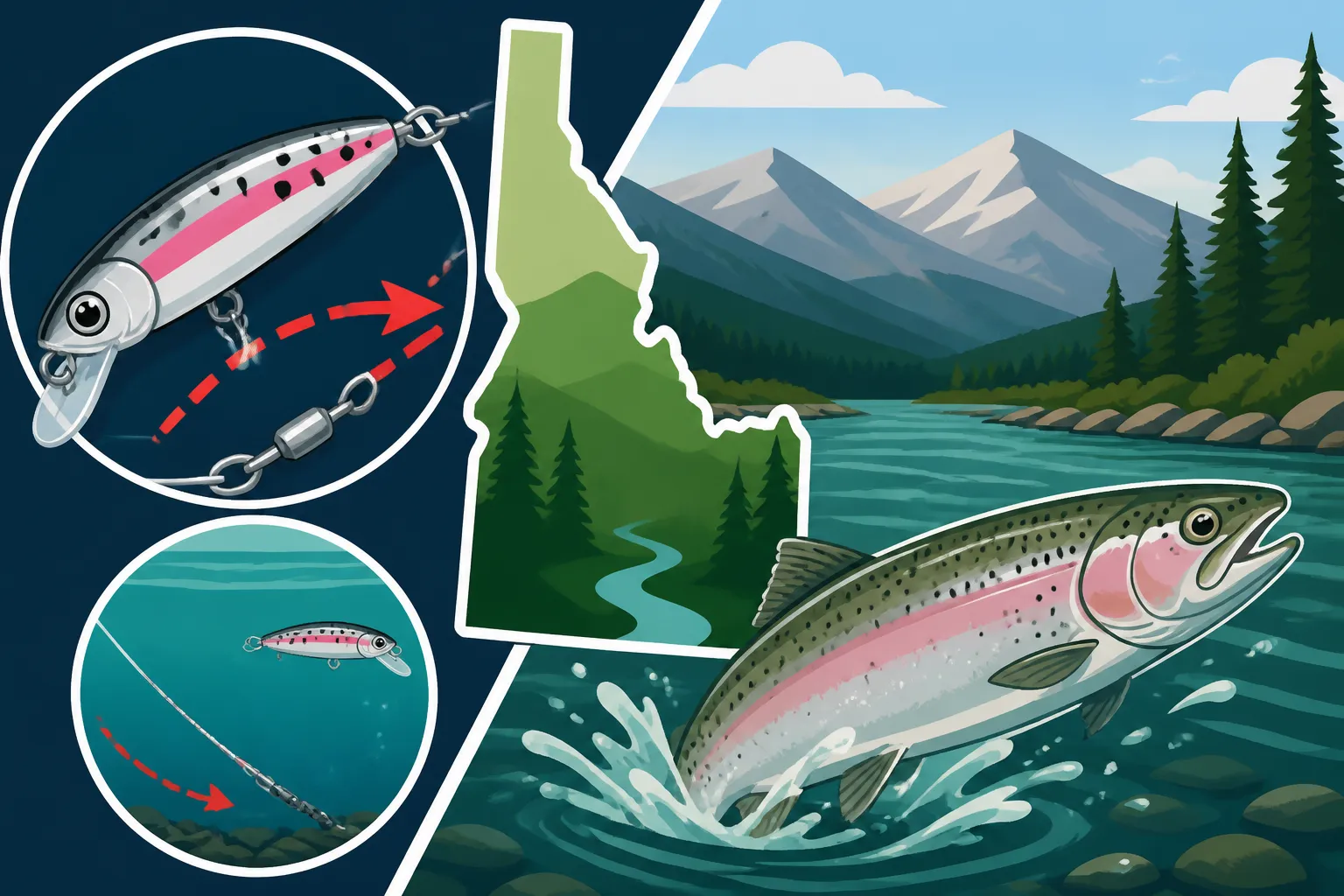
Imagine you're standing on the bank, casting your lure into a prime steelhead holding lie. With back-trolling, your boat essentially becomes an extension of that precise cast, allowing you to cover vast stretches of water while maintaining perfect lure presentation. Instead of casting and retrieving, you're strategically working your way downstream, allowing the current to pull your plugs backward, creating an irresistible wobbling action. Your motor, often in reverse or even just in neutral with the prop angled, is used to slow your drift, steer the boat, and keep your lines taut as you slowly "walk" your way downriver.
This technique is so successful because it keeps your lure in the strike zone for a much longer period compared to traditional casting. Steelhead, particularly those migrating upriver, often hold in specific pockets of slower water, behind structure, or along current seams where they expend less energy. A plug back-trolled naturally drifts into these spots, wiggling enticingly, mimicking a wounded baitfish or an easy meal. The slower, controlled presentation gives these wary fish ample time to inspect the lure and decide to strike, without the jarring speed of a retrieve or the tell-tale presence of a boat passing quickly overhead. It's a subtle, yet aggressive, way to make sure your offering is seen and felt.
Ideal Conditions and River Sections for This Technique
While back-trolling can be effective in many scenarios, it truly shines in certain Idaho river conditions. Primarily, you'll want to focus on rivers with a good, consistent current. Rivers like the Clearwater, Salmon, and sections of the Snake River are prime candidates. Look for moderate to strong flows, but not so strong that you can't control your drift or that your plugs are simply blown out of the strike zone.
The best sections of river for back-trolling are typically those with long, continuous stretches of holding water that have a relatively even depth. Think about gravel bars that drop off into deeper channels, current seams where fast water meets slower water, or stretches with submerged rocks and structure that provide ambush points for steelhead. Idaho Fishing Rules for the Clearwater River Explained and Idaho Fishing Rules for the Salmon River Explained provide excellent context on these waters. Avoid extremely shallow braids or areas with excessive debris that could foul your lines. When the water is a bit off-color from recent rains or snowmelt, back-trolling plugs can be especially deadly, as the vibrant colors and strong vibration of the plugs stand out and give the steelhead something definite to key in on. It also excels when temperatures drop, and steelhead become less aggressive, preferring a slower, more deliberate presentation.
Essential Gear for Back-Trolling Plugs
Just like any specialized fishing technique, back-trolling plugs for steelhead requires a thoughtful approach to gear. Having the right tools won't just make the process easier; it will significantly increase your chances of success.
Rods, Reels, and Line Choices
For back-trolling plugs, you're going to want a setup that can handle powerful fish and the constant pressure of a boat working against the current.
- Rods: Look for rods in the 8.5 to 10.5-foot range. A moderate-fast action is usually preferred. This length gives you leverage for steering the plug and battling fish, while the moderate action helps absorb the shock of a strike and keeps the steelhead from tearing off the hook. Too stiff, and you risk ripping the plug out of the fish's mouth or breaking your line. Too soft, and you won't have the backbone to control a strong steelhead in current. Graphite rods are popular for their sensitivity, allowing you to feel the plug's action and any subtle takes.
- Reels: Durable baitcasting reels are generally the go-to choice. You'll want something with a smooth, powerful drag system that can withstand long runs from strong fish. A high line capacity is also important, as you'll often be letting out a good amount of line, especially in deeper water. Look for reels with a fast retrieve ratio to quickly pick up slack if a fish runs towards the boat. Brands like Shimano, Daiwa, or Penn offer reliable options.
- Line: This is where opinions can vary, but a braided main line is very common. Braided lines offer superior strength-to-diameter ratio and incredible sensitivity, allowing you to feel every wobble of your plug and the slightest tap from a fish. Typically, 30 to 50-pound test braid is used. Because braid has no stretch, you'll want to add a monofilament or fluorocarbon leader. A 15 to 25-pound test fluorocarbon leader is a popular choice for its abrasion resistance and nearly invisible properties underwater. Fluorocarbon is especially good because it sinks faster than mono, helping keep your plug down. Best Rod Setup for Idaho Steelhead Fishing delves deeper into these choices.
Selecting the Right Plugs and Their Characteristics
The world of steelhead plugs is vast and exciting. These lures are designed to dive, wobble, and vibrate in the current, mimicking the erratic movement of a distressed baitfish.
- Size and Shape: Plugs come in various sizes, from small 2-inch models to larger 5-inch versions. The size you choose often depends on the water conditions and the size of the steelhead you're targeting. Generally, smaller plugs are great for clear, low water, while larger plugs shine in higher, murkier conditions. The shape dictates its wobble; some are slender with a tight wobble, others are fatter with a wide, aggressive wiggle.
- Color Patterns: This is crucial! Steelhead can be picky, and plug color often makes a significant difference. Popular choices include bright, contrasting colors like "fire tiger" (chartreuse, orange, black stripes), "hot pink," "chartreuse," and "fluorescent red" for murky or overcast conditions. In clearer water, more natural patterns like "silver," "gold," "black and white," or even subtle "bronze" might be more effective. Having a wide assortment of colors and patterns is key, as what works one day might be ignored the next. Brands like Kwikfish, Hot Shot, and Wiggle Wart are classics that every steelhead angler should have in their tackle box. You can find a huge selection of these plugs and more on online retailers like Amazon.
- Diving Depth: Plugs are designed with different-sized bills (lips) that dictate how deep they dive. Shorter, steeper bills mean a shallower dive, while longer, more angled bills make the plug dive deeper. Matching your plug's diving depth to the water depth you're fishing is essential to keep it in the strike zone. You might need to add weight to get certain plugs deeper, which we'll discuss next.
Weighting Systems and Leaders
Getting your plug to the right depth is paramount. The right weighting system ensures your plug is presented effectively.
- Weighting: Many anglers use a three-way swivel system or a slider setup. A three-way swivel allows you to tie your main line to one eye, your leader to the plug on another, and a short dropper line (often lighter test monofilament, say 10-15 lb) with a lead weight to the third eye. This way, if your weight snags, you only lose the weight, not your entire setup. The amount of weight depends on the current speed, depth, and the diving characteristics of your plug. You might use anything from a 1/2 ounce to several ounces. Slinky weights (fabric tubes filled with lead shot) are popular for their snag-resistant properties.
- Leaders: As mentioned, a fluorocarbon leader is ideal. The length can vary, but generally, a leader of 3 to 6 feet is common. This provides a buffer between your visible braided main line and the plug, and it offers abrasion resistance against rocks and the steelhead's tough mouth. Ensure your knots are strong and well-tied; a Palomar knot or improved Clinch knot are excellent choices for securing your plug to the leader. Best Knot for Steelhead Fishing offers more detail on reliable knots.
| Plug Type | Primary Action | Ideal Water Conditions | Key Characteristics | Common Colors (Examples) |
|---|---|---|---|---|
| Kwikfish | Wide, aggressive wobble | Murky to clear | Strong vibration, dives deep, often wrapped with bait | Fire Tiger, Hot Pink, Silver |
| Hot Shot | Tight, fast wiggle | Clear to murky | Erratic darting action, good for precise control | Chartreuse, Gold, Black/White |
| Wiggle Wart | Medium wobble | Varied | Versatile, good all-around plug for many situations | Fluorescent Red, Pearl, Bronze |
| Flatfish | Slow, seductive wobble | Clear, slow to moderate | Unique swimming action, good for wary fish | Orange, Yellow, Black Dot |
Mastering the Back-Trolling Technique
Getting your gear ready is just the first step. The real magic happens when you understand how to precisely control your boat and present those plugs in a way that steelhead can't resist.
Boat Positioning and Drift Control
Effective back-trolling is all about precise boat control. You're not just letting your boat float downriver; you're actively steering and managing its speed.
- Starting Point: Begin well upstream of your target water, giving yourself plenty of room to get organized and set your lines.
- Engine Use: Most anglers use a main outboard or a kicker motor, often in reverse gear, to control their downstream speed. The goal is to move slightly slower than the current itself. This allows your plugs to "work" and wobble correctly. A common mistake is going too fast, which makes the plugs simply drag through the water without their enticing action. Sometimes, just having the motor in neutral but angled can provide enough drag and steering ability.
- Steering: Use your steering wheel or tiller to keep the boat aimed directly downstream. This helps maintain a consistent angle for your lines. You'll be constantly making small adjustments to stay in the prime water, avoiding snags on the banks or deeper channels that might be out of reach. Think of it as painting a picture with your boat, carefully drawing your plugs through every potential holding spot.
- Reading the Water: Pay close attention to current seams, eddy lines, and changes in water color or depth. These are often the spots where steelhead will be holding. Your goal is to keep your plugs running through these prime areas. Reading Water on Idaho's Rivers is a great resource for developing this skill.
Deploying and Retrieving Your Plugs
The way you deploy and retrieve your plugs is crucial to their effectiveness. It’s not just about tossing them out; it's about a controlled presentation.
- Deployment: Once you're in position, slowly let your plugs out behind the boat. How much line you let out depends on the depth you're trying to achieve and the amount of weight you're using. A good starting point is usually 40 to 80 feet, but this can vary wildly. You want to feel your weight occasionally tapping the bottom; this indicates you're in the strike zone. If you stop feeling it, let out more line or add more weight. If you're constantly snagging, reel in a bit or reduce weight. It takes practice to find that sweet spot.
- Rod Holders: Most back-trollers use sturdy rod holders mounted on their boat. This keeps the rod tip stable and allows you to watch for the tell-tale pull of a fish or the erratic vibration of a working plug. Place rods so that lines are spread out to avoid tangles.
- "Tuning" Your Plugs: Before you ever drop your plug in the water, check its action next to the boat. Most plugs have a small eyelet on the nose where your leader ties. If the plug isn't wobbling correctly or is veering to one side, you can often make minor adjustments to this eyelet with pliers to "tune" it for optimal action. A perfectly tuned plug has a strong, consistent wobble.
- Retrieval/Resetting: If you miss a fish, get a snag, or simply want to change plugs, you'll need to retrieve your lines. Reel in steadily, checking your plug for debris like leaves or moss, which can kill its action. After clearing, redeploy it carefully.
Reading the Bite and Setting the Hook
Detecting a steelhead bite while back-trolling can sometimes be subtle, but often it's anything but!
- The Strike: Often, a steelhead strike when back-trolling is a violent, rod-wrenching tug that nearly pulls the rod out of the holder. Other times, it might be a subtle twitch or a momentary increase in the resistance of the plug. Your rod tip will tell the story. Watch for the steady thrumming of your plug to change – if it stops, it could be a snag, or it could be a fish.
- Setting the Hook: When that rod slams down, resist the urge to immediately yank back hard. The continuous forward momentum of the boat, combined with the taut line and the plug's action, often sets the hook quite effectively. Instead of a hard swing, just grab the rod, lift it firmly out of the holder, and begin reeling, making sure the hook is properly set. Maintain steady pressure. How to Set the Hook on a Steelhead provides more specific guidance.
- Fighting the Fish: Once hooked, steelhead are notorious fighters. Keep constant pressure on the fish, use your boat to maneuver and follow it if necessary, and use your reel's drag system to tire it out. Be prepared for powerful runs and aerial acrobatics!
Advanced Tips and Troubleshooting for Success
Back-trolling is a technique that rewards practice and adaptability. Even seasoned anglers constantly refine their approach to tackle the ever-changing conditions of Idaho's rivers.
Adjusting to River Conditions
Idaho's rivers are dynamic, and what works one day might not work the next. Being able to adapt is crucial for consistent success.
- Water Levels and Clarity: High, murky water generally calls for larger, brighter plugs with a strong vibration. Steelhead rely more on their lateral line to detect lures in low visibility. As water levels drop and clarity improves, you might scale down to smaller plugs and more natural color patterns. In very clear, low water, sometimes a very subtle, natural-looking plug with a slow wobble is best.
- Current Speed: If the current is ripping, you'll need more weight to keep your plugs down, or you might need to adjust your motor speed to slow your drift down even more. If the current is sluggish, you might need to use less weight or select plugs that have a more active wobble at slower speeds. The key is always to ensure your plug is "working" effectively.
- Temperature: Steelhead often become more lethargic in colder water. This means an even slower, more deliberate presentation might be required. Conversely, in warmer (but still acceptable) water, they might be more aggressive, and a slightly faster presentation could trigger strikes. Remember to be mindful of water temperatures as How Water Temperature Affects Idaho Trout Fishing explains, as overly warm water can be stressful for steelhead, encouraging catch and release.
Common Mistakes and How to Avoid Them
Even experienced anglers can fall into common traps when back-trolling. Being aware of these pitfalls can save you a lot of frustration.
- Going Too Fast/Too Slow: This is probably the most common mistake. If you're drifting too fast, your plugs won't wobble correctly, and they'll ride higher in the water column. If you're too slow, they might just dig into the bottom and snag. Find that sweet spot where the plug has its maximum action, and your weight is occasionally tickling the riverbed.
- Not Enough Weight: Under-weighting causes your plugs to ride too high, out of the strike zone. Don't be afraid to add enough weight to get your offering down to where the fish are holding.
- Using Dull Hooks: Steelhead have tough mouths. Always check your hook points and sharpen them regularly. A sharp hook is paramount for a solid hookset. Many anglers even replace factory hooks on new plugs with sharper, stronger aftermarket options.
- Ignoring Plug Action: Always make sure your plugs are "tuned" and working properly. Check them periodically, especially after a snag or a fish, to ensure no debris is fouling their action. A plug that isn't wobbling is just a piece of plastic dragging through the water.
- Lack of Variety: Don't get stuck on just one color or size. If you're not getting bites after a reasonable amount of time in good water, change it up! Experiment with different plugs, colors, and even the length of your leader. Keep a range of options handy, which you can easily find on Amazon.
Seasonal Considerations for Back-Trolling
The seasons in Idaho bring different challenges and opportunities for steelhead anglers using back-trolling techniques.
- Fall Steelhead: This is often considered prime time. Fall steelhead are fresh from the ocean, aggressive, and often stacked in popular rivers like the Clearwater and Salmon. Water levels are typically good, and fish are actively moving. This is a great time for strong, vibrant plugs. Fall Steelhead Fishing Techniques on the Clearwater and Salmon Rivers offers great insight into this season.
- Winter Steelhead: As temperatures drop and river flows stabilize, steelhead can become more lethargic. Slower presentations, often with slightly smaller plugs or more subdued colors, might be more effective. Finding deeper holding lies becomes critical, and you'll need sufficient weight to keep your plugs in those zones.
- Spring Steelhead: These are often "post-spawn" fish or those still on their way upriver. They can be very aggressive as they prepare to return to the ocean. Spring runoff can impact water clarity and levels, requiring adjustments to plug size and color. Pay close attention to conditions, as Idaho's Spring Runoff and How It Affects Fishing will influence your approach.
Back-trolling plugs for Idaho steelhead is a highly effective and rewarding technique. It demands patience, attention to detail, and a willingness to adapt, but the thrill of a powerful steelhead strike on a perfectly presented plug is absolutely worth the effort. With the right gear, careful boat control, and a good understanding of river conditions, you'll be well on your way to consistent success on Idaho's incredible steelhead rivers.
Disclaimer
This article is for general informational purposes only and does not constitute professional advice. Laws, prices and regulations vary by location and change over time. Consult a qualified professional for guidance on your specific situation.