Does a Late Snowpack Delay Idaho’s Runoff and Fishing?
There's nothing quite like the anticipation of Idaho's fishing season, especially when spring begins to thaw the winter's grip. But for many of us who eagerly await those prime fishing days, a late snowpack can throw a real wrench in our plans, leaving us wondering if our favorite rivers will ever settle down. It’s a common frustration, feeling like nature is delaying the good times. This guide is here to shed light on how a late snowpack absolutely impacts Idaho's runoff, and what that means for your fishing adventures, helping you understand the changes and adapt your strategies for a successful season, no matter what Mother Nature throws our way.
The Intricate Dance of Idaho's Snowpack and River Runoff
Idaho is a state profoundly shaped by its mountains and the snow they collect. That deep white blanket isn't just pretty scenery; it's the lifeblood of our rivers and streams, dictating everything from irrigation to, you guessed it, fishing conditions. When that snow decides to linger, it creates a domino effect that changes the entire aquatic ecosystem. Understanding this connection is key to becoming a more adaptable angler.
Understanding the Snow-Water Equivalent
When we talk about snowpack, it's not just about how deep the snow is. What really matters is the "snow-water equivalent" (SWE). This term refers to the amount of water contained within the snowpack. Imagine a foot of fluffy, fresh powder versus a foot of dense, wet snow – they hold vastly different amounts of water. Scientists and hydrologists measure SWE to predict how much water will eventually make its way into our rivers and streams.
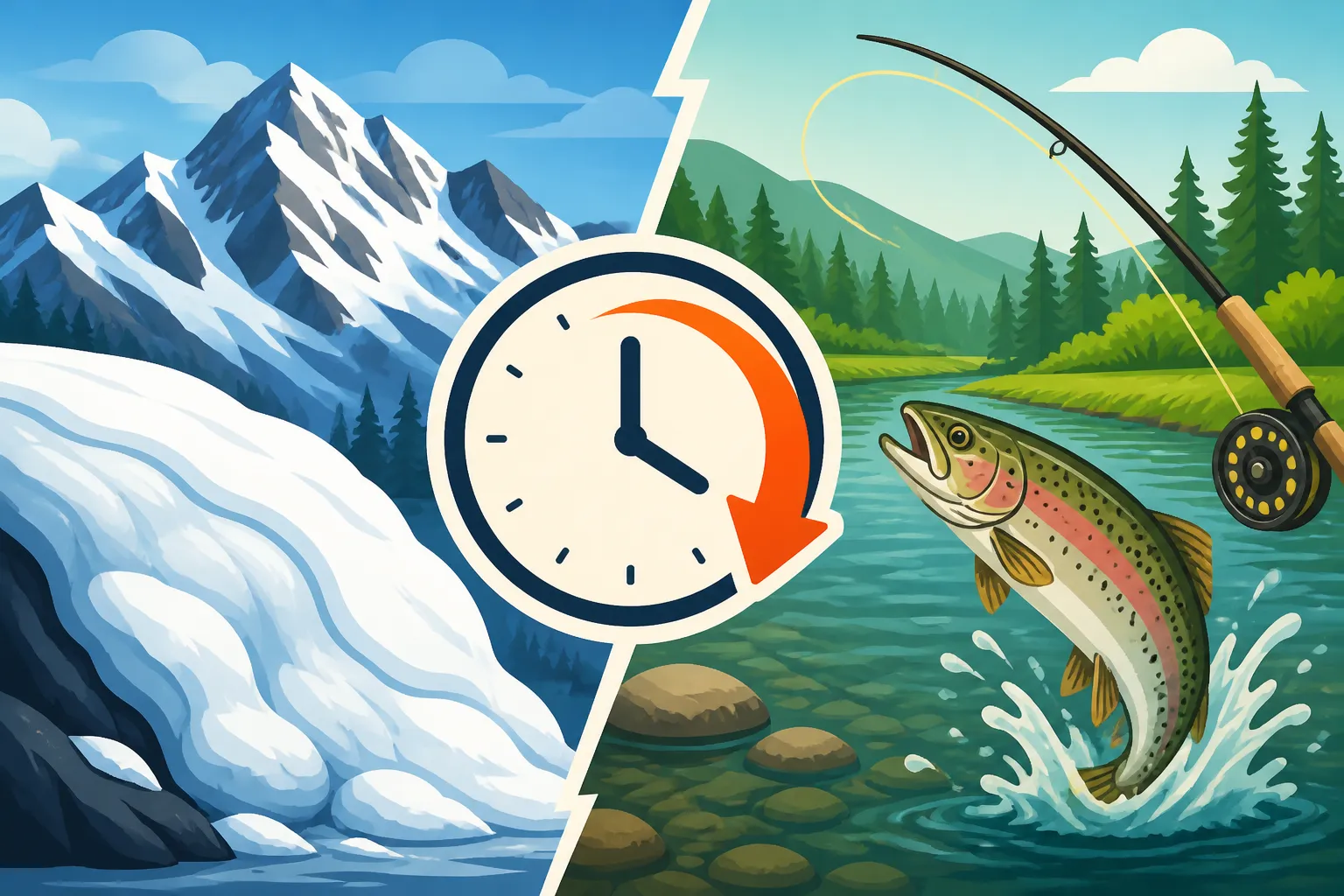
A late snowpack doesn't necessarily mean less water overall, but it certainly means that water is delayed. Instead of a gradual melt throughout April and May, a prolonged winter means all that water is held back, sometimes well into June or even early July. This creates a bottleneck; when temperatures finally do rise, all that stored water has to go somewhere, often resulting in a compressed, more intense runoff period. For anglers, this means expecting higher, faster, and colder water for longer, pushing back what would typically be prime early-season fishing by weeks. This isn't just an inconvenience; it completely reconfigures the environment fish have to live in and move through, and by extension, where and how we can effectively fish for them.
How Air Temperature Dictates Runoff Timing
The timing and intensity of runoff are almost entirely dictated by air temperature. Think of Idaho's vast mountain ranges as massive frozen reservoirs. As spring arrives, warmer air acts like a key, unlocking that stored water. A typical spring sees a gradual warming trend, melting snow at higher elevations slowly, allowing rivers to rise and fall predictably over several weeks. This extended period of moderate flows often provides excellent early-season fishing opportunities, especially for species like trout that become more active as water temperatures climb slightly.
However, a late snowpack usually means consistently colder spring temperatures, which keeps that snow locked up. Then, when a sudden heatwave finally arrives, often in late May or June, it can unleash the entire snowpack rapidly. This "flash runoff" phenomenon means rivers can go from low-ish to torrents almost overnight. For a period, the water is high, muddy, and fast, making fishing nearly impossible. It's frustrating when you've planned a trip based on historical averages, only to find the river a raging chocolate milk flood. We all check the weather forecast leading up to a trip, but with a late snowpack, it's not just about rain; it's about sustained warmth that could suddenly trigger massive melt. This is where those online resources, even simple weather apps, become your best friends for scouting conditions before you pack up your gear.
Direct Impacts of Delayed Runoff on Idaho Fishing
When the snowpack holds firm well into what should be prime fishing season, the ripple effect on our waterways and the fish within them is significant. It's not just about aesthetics; it profoundly alters the conditions we face as anglers.
Effects on River Flows and Water Clarity
The most immediate and obvious impact of a delayed runoff is on river flows and water clarity. Normally, rivers begin to swell in late spring, reach a peak, and then gradually recede through early summer. A late snowpack compresses this cycle. Instead of a gradual increase, you often see rivers remain low and clear for longer, lulling you into a false sense of security, only to erupt into a muddy torrent seemingly overnight once sustained warm weather hits. This sudden influx of cold, turbid water can persist for weeks, making visibility extremely low.
Imagine standing on the banks of the Clearwater River, hoping for some early season steelhead, only to find it a raging brown mess in June when it should be dropping. This isn't just inconvenient; it makes fishing incredibly challenging. Fish rely on their sight to hunt, and when the water is opaque, their feeding behavior changes dramatically. Idaho's Spring Runoff and How It Affects Fishing delves deeper into these dynamics, but suffice it to say, sight-fishing becomes impossible, and even using scent or vibration-based lures is hampered by the sheer force of the current. Access to many traditional fishing spots can also be cut off by overflowing banks or submerged trails, making a trip feel more like an obstacle course than a relaxing day on the water.
How Fish Behavior Changes with Later Runoff
Fish are incredibly sensitive to their environment, and delayed runoff forces them to adapt quickly. During periods of high, fast, and cold water, fish often seek refuge in slower, less turbulent areas. This might mean moving to the softer edges of a river, finding eddies behind large boulders, or even retreating into calmer side channels and sloughs that are less impacted by the main current. Their metabolism can also slow down due to the colder water, making them less aggressive and less likely to chase down a meal.
For species that migrate, like steelhead or salmon, a late runoff can alter their timing. If rivers are too high and swift, or water temperatures are still too cold, their upstream migration might be delayed. This can push back peak fishing windows for these species, leading to frustration for anglers who have planned their trips around historical averages. Conversely, some fish might find opportunities in the new conditions, using the high water to access previously unreachable spawning grounds or finding new feeding lies in flooded vegetation. Understanding Idaho Fish Species Guide helps predict these behaviors.
Species-Specific Challenges and Opportunities
Different fish species react to delayed runoff in unique ways, creating both challenges and unexpected opportunities for the savvy angler.
- Trout (Rainbow, Cutthroat, Brown): Trout fishing is often most impacted. Early season dry fly opportunities can be pushed back significantly, as hatches are delayed by colder water and fish are less willing to rise in turbulent flows. Nymphing and streamer fishing can still be effective, but you’ll need heavier weights to get your flies down in the strong currents. Focus on slower seams, eddies, and structure where trout can escape the main force of the river. When the water finally clears and drops, the fishing can be explosive, as hungry trout make up for lost time.
- Steelhead and Chinook Salmon: These anadromous fish are highly dependent on water levels and temperatures for migration. A delayed runoff can mean their upstream journey is pushed back, concentrating them in holding pools in the lower river for longer, or making parts of the river impassable. If the runoff is intense and prolonged, it might even mean a shorter or less productive season on certain stretches of river. Anglers targeting these species need to stay exceptionally current on fish counts and river conditions from the Idaho Department of Fish and Game.
- Warmwater Species (Bass, Perch, Crappie): For warmwater species in lakes and reservoirs, a late runoff might have a less direct, but still noticeable, impact. Influxes of cold, turbid water into a reservoir can temporarily cool down water temperatures, making bass or crappie a bit more lethargic. However, the increased water levels can also flood new vegetation, creating excellent new habitat and cover once the water warms up. Anglers might find better success focusing on shallower, sun-warmed coves and bays that are less affected by the cold inflow. Fishing a large reservoir like American Falls Reservoir might see cold water plumes impacting the typical patterns for perch and trout, whereas a shallower spot might warm quicker.
Angler Strategies for Navigating a Late Runoff Season
When Idaho's rivers are running high and muddy due to a lingering snowpack, it can feel like your fishing dreams are on hold. But a good angler knows that adaptability is key. Instead of putting away your rods, consider these strategies to find success even in challenging conditions.
Adapting Gear and Techniques
The standard approach might not cut it when rivers are roaring. You need to adjust your arsenal and your tactics.
- Heavier Tackle: Forget delicate presentations. When the water is high and fast, you need enough weight to get your offerings down to where the fish are holding, out of the main current. This means heavier sink tips for fly anglers, or larger weights and heavier line for spin fishermen. On Amazon, you can find a wide range of tungsten weights, heavier split shot, and stronger tippet materials that can make all the difference. Don't be afraid to go up a line size or two.
- Bait and Scent: With reduced visibility from turbid water, fish rely more on scent and vibration. Consider using natural baits like worms, roe, or PowerBait, which disperse scent. Adding scent attractants to your lures, soft plastics, or flies can also significantly increase your chances. This is where something like a juicy worm on a weighted hook can often outperform a perfectly tied dry fly in a high, muddy river.
- Brighter Lures and Flies: While fish rely on scent, they still have their lateral lines for sensing vibrations and can often see high-contrast colors. Fluorescent or brightly colored lures (chartreuse, hot pink, orange) can be more visible in murky water. Think big, bulky streamers with plenty of flash for fly fishing, or spinnerbaits and crankbaits with loud rattles and vibrant patterns for gear fishing. Best Bait and Lures for Idaho Fishing offers more specific recommendations for various Idaho species.
- Focus on Structure: Fish will be seeking refuge from the powerful currents. Target eddies behind large rocks, fallen logs, undercut banks, and slower seams where currents meet. These are natural current breaks where fish can expend less energy and wait for food to drift by. Your presentation needs to get to these spots and stay there long enough for a fish to notice.
Finding Fishable Waters During Peak Runoff
While main river channels might be blown out, not all waters are created equal during runoff.
- Lakes and Reservoirs: These larger bodies of water are far less impacted by river runoff in terms of current and turbidity. While some cold, silty inflow might occur at river mouths, the main body of a lake or reservoir will generally remain fishable. Focus on bays, coves, and shallower areas that warm up quickly and aren't directly in the path of cold river inflow. Think about Fishing Lake Coeur d'Alene for Kokanee and Chinook or Fishing Lucky Peak Reservoir Near Boise as excellent alternatives when rivers are unfishable.
- Smaller Tributaries and Spring Creeks: Many smaller streams and spring creeks are fed by groundwater, not directly by snowmelt, or they have much smaller drainage areas. These waters tend to run clearer and at more consistent temperatures, even during peak runoff on larger rivers. However, they can still experience higher flows, so exercise caution and respect private property.
- High Mountain Lakes (Later in the Season): If runoff is truly delayed, many high mountain lakes might remain frozen or inaccessible until well into summer. However, once they thaw and the trails clear, they often offer incredible, undisturbed fishing for cutthroat and brook trout. The season will simply be pushed back, so monitor trail conditions and ice-out reports closely. You might find yourself fishing these pristine waters in August when you'd normally be there in July.
- The Best Time to Fish in Idaho During Summer Heat: Even with a late runoff, summer heat will eventually arrive. This will impact where fish hold, often driving them to deeper, cooler waters or making dawn and dusk the most productive times.
Monitoring Conditions and Planning Your Trip
Being prepared means staying informed. Never assume conditions are "normal" during a late snowpack year.
- Online Resources: The Idaho Department of Water Resources (IDWR) and the USGS offer real-time streamflow data and snowpack reports. These resources provide invaluable information on water levels, temperature, and clarity. Many river-specific fly shops also provide daily or weekly fishing reports that are often more granular and tell you exactly what’s happening on the water. Check these before you even consider heading out.
- Fishing Forums and Social Media: Local fishing groups on social media platforms or dedicated online forums can provide current, on-the-ground reports from fellow anglers. Just be mindful that information can be anecdotal, so always cross-reference with official data.
- Flexibility is Key: This is perhaps the most crucial piece of advice. If your favorite river is blown out, don't be afraid to change your plans. Having a backup lake, reservoir, or smaller stream in mind can save your trip. This might mean driving an extra hour, but finding fishable water is worth the effort. Consider exploring a different region of Idaho entirely, perhaps heading to areas less impacted by the specific snowpack of your initial target. Think about the Best Fishing Spots in Southern Idaho if your northern spot is too high.
- Local Pro Shops: These folks are on the water, or at least talking to people who are, every single day. They know what's working, what's not, and which sections of river (or which alternative lakes) are fishing well. A quick call to a local fly shop or tackle store can save you hours of wasted effort. They often sell updated fishing maps and guides that you can even order from Amazon before your trip.
| Condition Factor | Typical Runoff Year (April-May) | Late Runoff Year (May-July) | Angler Strategy Adaptation |
|---|---|---|---|
| Snowpack Melt | Gradual, consistent warming | Delayed, rapid melt with sudden heat spikes | Monitor real-time temps; anticipate abrupt river changes. |
| River Flow | Peaks in late May, then steadily drops | Lower flows initially, then sharp, prolonged peaks | Use heavier weights; seek slower water. |
| Water Clarity | Clears progressively after peak | Extended periods of turbidity; "chocolate milk" | Use bright/scented lures; fish by feel/vibration. |
| Water Temperature | Steady rise; comfortable for fish/anglers | Colder longer, then sudden warming | Fish deeper or slower water; target dawn/dusk as it warms. |
| Fish Metabolism | Active and feeding in open water | Reduced activity; seek refuge from current | Focus on eddies, seams, undercut banks; slower retrieve. |
| Hatch Timing | Predictable emergence patterns | Delayed or compressed hatches | Carry diverse fly patterns; observe water for emerging insects. |
| Access & Safety | Generally good access; moderate hazards | Eroded banks, submerged trails; increased swiftness | Exercise extreme caution; wear PFD; avoid wading swift water. |
| Prime Fishing | Early season river opportunities | Lakes/reservoirs, smaller clear creeks, or later river season | Be flexible; have backup plans for alternative waters. |
Long-Term Outlook and Staying Informed in Idaho
While we often focus on the immediate challenges a late snowpack brings, it's also important to consider broader patterns and how to stay consistently informed year after year. Idaho's climate is always shifting, and being a prepared angler means looking beyond just the next trip.
Beyond a Single Season: Climate Patterns
A single late snowpack season might feel like an anomaly, but understanding the larger climate patterns at play is crucial for long-term planning. Over recent decades, many regions, including Idaho, have experienced shifts in precipitation patterns and temperature trends. This can lead to more extreme weather events, including more intense or prolonged late-season snow events, followed by rapid warming. These shifts aren't just about a single year; they can mean a new normal for runoff patterns and, consequently, fishing seasons.
For instance, some years might see a "snow drought" with minimal snowpack, leading to very low, warm rivers early in the season. Other years, like the one we're discussing, might have an abundant but late snowpack. These variations make historical averages less reliable. Anglers who stay abreast of broader climate discussions and understand how these patterns might influence snowpack and runoff predictions will be better equipped to anticipate changes in fishing conditions, not just for trout, but for species like steelhead and salmon whose survival and migration are so tied to the precise timing of water flows. Idaho Fishing Season Dates and Limits might need to be interpreted with a keen eye on these shifting climate patterns.
Essential Resources for Real-Time Data
The key to navigating unpredictable runoff patterns is reliable, real-time data. Fortunately, there are several excellent public resources available to Idaho anglers.
- Idaho Department of Fish and Game (IDFG): This is your absolute first stop. The IDFG website provides comprehensive information on Idaho Fishing Regulations Explained, fish stocking reports, river conditions, and even specific fish counts for steelhead and salmon at various dams. They also publish weekly or bi-weekly fishing reports during peak seasons, offering insights into what's biting and where. Their brochures, often found at license vendors or available online, are also essential reading.
- Idaho Department of Water Resources (IDWR) and USGS Water Data: These agencies provide real-time streamflow gauges and snowpack data. Learning to interpret these graphs – looking at cubic feet per second (cfs) for flow, water temperature, and river height – can give you an immediate picture of river conditions. You can often see the effects of a sudden warm spell on snowmelt reflected in the rising cfs numbers within hours. Understanding these numbers allows you to make informed decisions about whether a river is safe and fishable. Many anglers use apps or browser bookmarks to check their favorite rivers before even thinking about packing a cooler.
- Weather and Avalanche Forecasts: While not directly fishing resources, understanding the broader weather picture is critical. High mountain avalanche forecasts (especially early season) can indicate heavy snow at high elevations, which will eventually contribute to runoff. Long-range weather forecasts can give you a heads-up on impending heatwaves that might trigger rapid snowmelt. A simple check of your phone's weather app or a look at the National Weather Service website can provide valuable context for your fishing plans.
- Local Fly Shops and Guides: As mentioned before, these are invaluable local sources of information. They often have the most current, on-the-ground reports and can advise on specific sections of rivers or alternative waters that might be fishing well. Many even have blogs or social media pages where they post daily updates. Never underestimate the power of local knowledge.
By consistently checking these resources, you transform yourself from a hopeful angler into an informed, adaptable one. You'll be able to see that late snowpack lingering on the peaks and know exactly what it means for your upcoming trip, allowing you to switch gears, explore new waters, or simply adjust your expectations and enjoy the beauty of Idaho's changing seasons.
Disclaimer
This article is for general informational purposes only and does not constitute professional advice. Laws, prices and regulations vary by location and change over time. Consult a qualified professional for guidance on your specific situation.