How Snowpack Affects Idaho’s Fishing Season
Planning an Idaho fishing trip can sometimes feel like trying to hit a moving target, especially when you factor in the wild card of winter snowpack. Anglers often arrive in spring or early summer to find rivers either raging with icy meltwater or surprisingly low and clear, completely upending their expectations for a productive day. This comprehensive guide will unravel the intricate relationship between Idaho's winter snowpack and its profound impact on the fishing seasons, helping you understand what to expect and how to adapt your strategies for a successful outing.
The Deep Connection Between Winter Snowpack and Idaho's Waterways
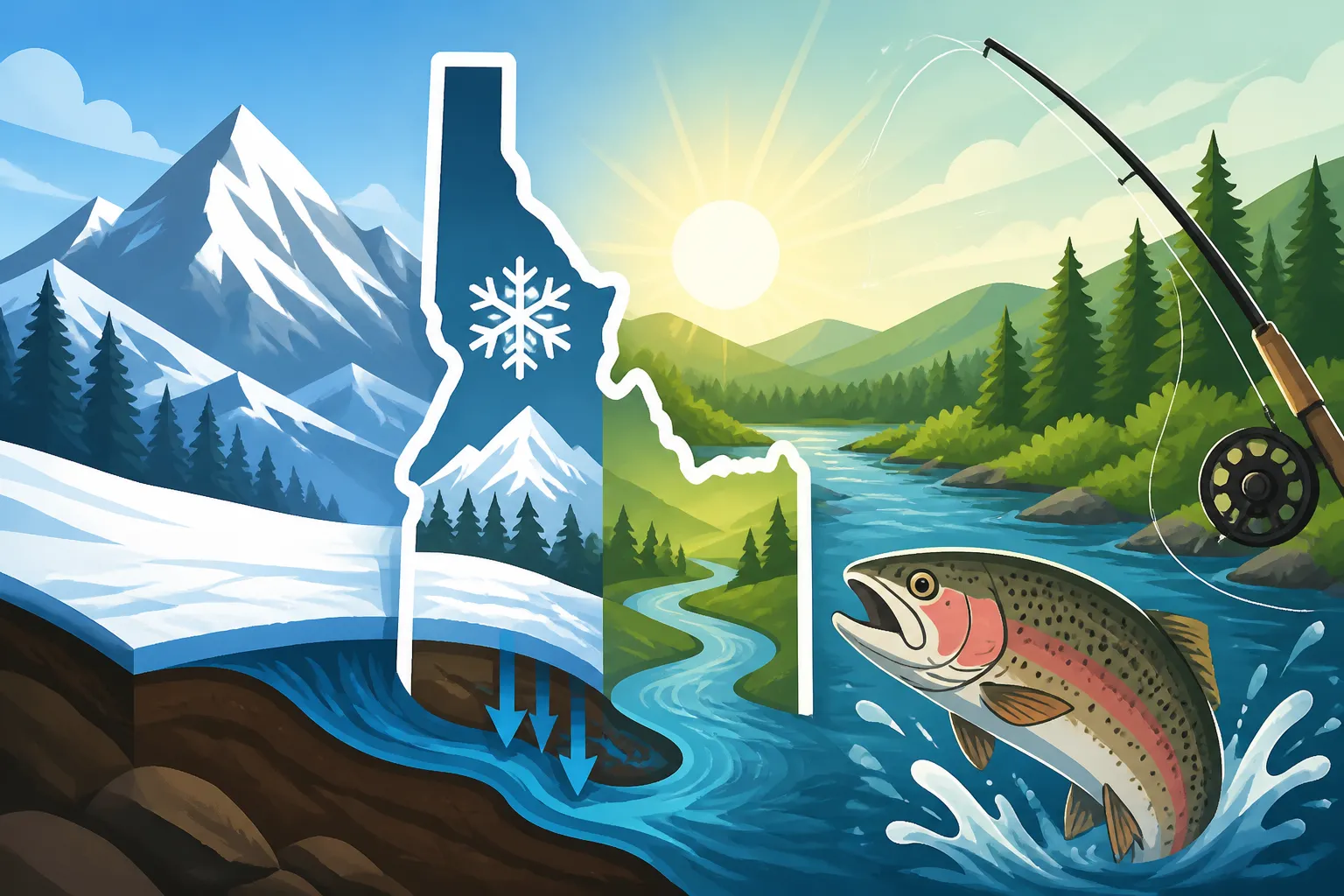
It might seem abstract, but the amount of snow that blankets Idaho's mountains each winter is arguably the single most critical factor dictating the state's fishing conditions for the following spring, summer, and even fall. Think of the mountains as giant sponges, slowly soaking up precipitation in solid form. This frozen reservoir holds untold gallons of water, patiently waiting for warmer temperatures to release its bounty.
A deep, healthy snowpack means a robust water supply. When temperatures rise, this snow melts, feeding countless small creeks that merge into larger tributaries and eventually swell Idaho's iconic rivers and fill its many lakes and reservoirs. This gradual release is vital for maintaining consistent water levels throughout the warmer months, providing stable habitats for trout, salmon, steelhead, and other game fish. Conversely, a lean snow year means less water stored. This can lead to lower river flows, reduced lake levels, and warmer water temperatures much earlier in the season, creating entirely different challenges and opportunities for anglers. Understanding this foundational relationship is the first step in decoding Idaho's ever-changing fishing landscape.
How Snowpack Influences Spring Runoff and River Conditions
The spring runoff period is the most dramatic manifestation of winter snowpack, and it's something every Idaho angler keeps a close eye on. When the snowmelt truly kicks in, rivers can transform from tranquil flows to raging torrents.
Heavy Snowpack: Delayed Start, Sustained Flows
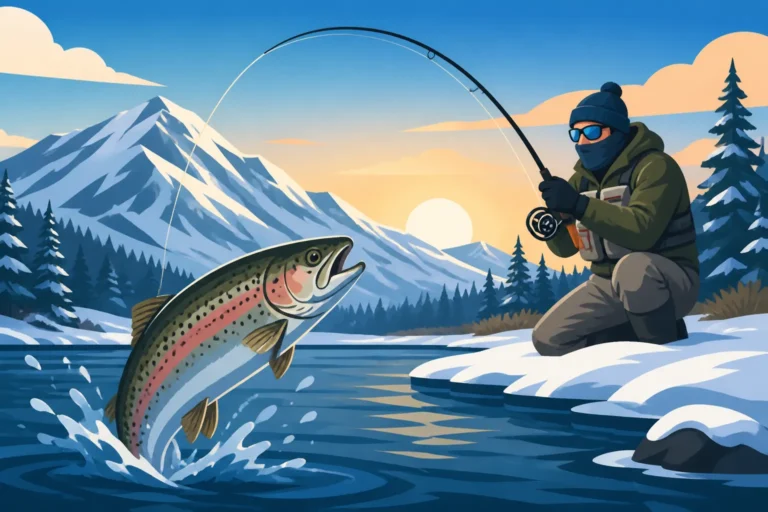
When Idaho experiences a winter with above-average snowpack, spring runoff tends to be prolonged and intense. This usually means that rivers stay high, cold, and often murky well into late spring or even early summer. For river anglers, this can be a period of frustration, as many traditional fishing spots become inaccessible or unfishable. Imagine the Salmon River, typically a prime spot for Idaho Steelhead Fishing Guide, churning with brown, opaque water – it's a stark contrast to its clearer, lower flows later in the year. The sheer volume and velocity of the water can make wading dangerous and fishing with conventional methods incredibly difficult. You might find yourself waiting longer for the "safe" fishing window to open, potentially pushing prime river fishing into July or even August in some higher elevation areas.
However, the upside to a heavy snowpack is that when the rivers do finally drop and clear, they often boast fantastic water levels and cooler temperatures that persist throughout the summer. This provides excellent conditions for trout, steelhead, and salmon, as their preferred habitat remains stable and oxygen-rich. It also means that reservoirs and lakes, which are crucial for Idaho Lake Fishing Charters, are filled to capacity, offering ample space and healthy environments for species like kokanee and bass. Anglers planning multi-day trips will need to be flexible and check Idaho Fishing Season Dates and Limits frequently, as conditions can shift rapidly.
Light Snowpack: Early Access, Potential Summer Challenges
A winter with below-average snowpack presents a different scenario. Runoff might start earlier and be much shorter in duration. This can be great news for anglers eager to hit the rivers in early spring, as water levels might drop and clear quickly, making for excellent initial fishing opportunities. You might find that streams and rivers are fishable weeks ahead of what a heavy snowpack year would allow, extending your window for Spring Fishing in Idaho.
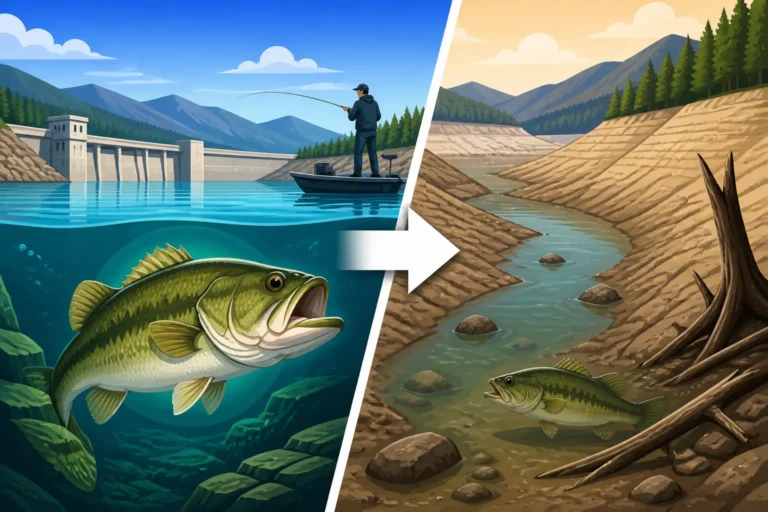
The challenge with a light snowpack, however, often comes later in the summer. With less water stored in the mountains, river flows can become critically low by mid-summer, and water temperatures can rise to stressful levels for cold-water species like trout and steelhead. These conditions can lead to voluntary or even mandatory "hoot owl" fishing restrictions, where fishing is only permitted during the cooler morning hours, or even full closures on certain stretches of water to protect vulnerable fish. Additionally, lower water levels in reservoirs can impact boat access and concentrate fish, sometimes leading to more intense competition among anglers. If you're planning a trip during a low snowpack year, it's wise to consider Idaho Year-Round Fishing Waters that might be less affected, or focus on species more tolerant of warmer water, like bass.
How Variable Snowpack Affects Fish Behavior and Fishing Techniques
The amount of snow that falls upstream fundamentally alters the environment fish live in, and consequently, how and when they bite. Anglers who understand these shifts are better equipped to adapt their Idaho Fishing Techniques Guide.
Water Temperature and Clarity: Key Drivers
- Cold, High, and Murky Water (Heavy Snowpack): During peak runoff from a heavy snowpack, rivers are often high, cold, and cloudy. Fish, particularly trout and steelhead, become less active and tend to hold in slower, deeper pockets or behind current breaks to conserve energy. Their visibility is reduced, making them rely more on scent and vibration to find food. This means that presentations need to be slower, heavier, and perhaps more brightly colored or scented. Big, flashy spoons, heavily weighted nymphs, or large chunks of bait are often effective. How to Fish Idaho Rivers During Spring Runoff often involves adjusting your weights and presentation to get your offering down to where the fish are holding in the faster current. You might find that traditional dry fly fishing is out of the question, and nymphing or streamer fishing becomes the go-to.
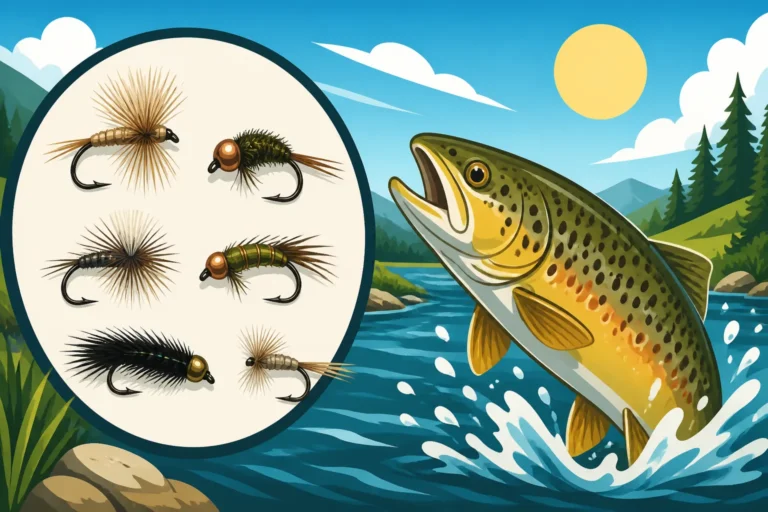
- Warm, Low, and Clear Water (Light Snowpack): In contrast, a light snowpack year can lead to rivers and streams becoming low and crystal clear by late summer. While visually appealing, this scenario presents its own challenges. Fish become incredibly wary in clear, shallow water, easily spooked by shadows or commotion. Their metabolism also increases in warmer water, making them more active but also more susceptible to stress during a fight. Light leaders, stealthy approaches, and precise casts are paramount. Smaller flies, natural-colored lures, and subtle bait presentations often work best. Anglers might need to adjust their gear, perhaps swapping out heavier lines for something lighter that can be found easily on Amazon, to avoid spooking fish. In these conditions, Fly Fishing Techniques for Idaho Spring Creeks that emphasize delicacy become crucial, even in larger rivers.
Species-Specific Impacts
Different fish species react to snowpack-driven changes in unique ways:
- Trout (Rainbow, Cutthroat, Brown): Trout thrive in cold, oxygen-rich water. Heavy snowpack years often mean an extended period of excellent trout fishing once runoff subsides. Low snowpack can mean a stellar early season, but come July and August, many trout streams may become too warm, forcing fish into deep pools or making them lethargic. Anglers need to be extra cautious with catch-and-release during warm periods to ensure fish survival.
- Steelhead and Chinook Salmon: These anadromous species depend on adequate river flows for their migration. Good snowpack ensures enough water for them to navigate upstream to their spawning grounds, which is critical for Idaho Steelhead Fishing Guide success. Lower water years can make migration more difficult and concentrate fish, potentially leading to increased angler pressure in accessible spots.
- Kokanee and Lake Trout: Lake-dwelling species like kokanee and lake trout are generally less directly affected by river runoff levels, though heavy runoff does ensure lakes are filled. Fluctuating lake levels from extreme low snow years, however, can impact spawning areas or concentrate baitfish, altering feeding patterns. Trolling techniques, often employing specialized gear purchased from retailers like Amazon, are common for these species, and consistent water levels help maintain their habitat.
- Bass (Smallmouth, Largemouth): Bass prefer warmer water and are often found in rivers and reservoirs. They can thrive in the warmer conditions that might stress trout in low snowpack years. In high snowpack years, their activity might be delayed until water temperatures rise, but once they do, good water levels can mean excellent habitat. Understanding the Idaho Bass Fishing Guide can help you pivot effectively.
Adapting Your Idaho Fishing Plans to Snowpack Realities
Given the unpredictable nature of snowpack and its downstream effects, flexibility and preparation are key to a successful Idaho fishing experience. Don't let the weather dictate your entire trip; instead, learn to work with it.
Monitor Conditions and Forecasts
The most crucial step is to stay informed. Idaho Fish and Game often provides updates, and many local fly shops and guides share real-time river conditions. Websites that track snowpack levels, river flows (like USGS stream gauges), and water temperatures are invaluable resources. By paying attention to these metrics, you can get a good sense of whether to expect a prolonged runoff or an early clear-out. This foresight allows you to adjust your plans weeks, or even months, in advance. If you're booking a guide, ask them about typical conditions for the time of year you plan to visit, and how they anticipate snowpack might affect things. You can often find great portable weather radios on Amazon if you're venturing into remote areas.
Be Flexible with Your Target Waters
One of Idaho's greatest strengths is its diversity of fishing opportunities. If your go-to river is blown out with high, murky water from heavy runoff, consider shifting your focus to lakes or reservoirs. These stillwater bodies are generally less impacted by immediate runoff, offering clearer water and more stable conditions. Many high mountain lakes, for example, are fishable even when major rivers are unfishable. Conversely, if a low snowpack year has made your favorite trout stream too warm, exploring higher elevation waters or deeper sections of rivers might still yield results, or turn your attention to bass or pike in warmer reservoirs. Keep a copy of the Idaho Fishing Regulations Explained handy, as rules can vary significantly between different water bodies.
Adjust Your Gear and Techniques
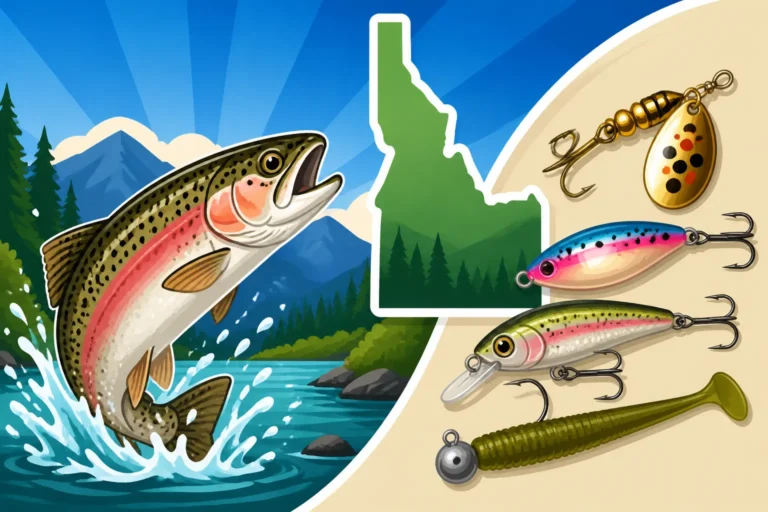
Your tackle box should be prepared for various scenarios. In high water, you'll need heavier weights, larger indicators, and perhaps more robust lines to get your flies or lures down through the current. Think about larger, more visible flies and lures. When water is low and clear, lighten up your leaders, opt for smaller, more natural-looking presentations, and focus on stealth. Having a range of Best Bait and Lures for Idaho Fishing that covers both high and low water conditions will serve you well. A good pair of polarized sunglasses, available on Amazon, is also non-negotiable for spotting fish in clear water and for protecting your eyes.
Table: Snowpack Scenarios and Fishing Adjustments
| Snowpack Level | River Conditions (Spring/Early Summer) | Fishing Impact | Recommended Adjustments |
|---|---|---|---|
| Heavy | High, cold, murky, strong currents | Delayed river fishing, difficult wading | Focus on lakes/reservoirs; use heavy weights, large/bright lures/flies; fish slower water pockets. |
| Average | Moderate flows, gradual clearing | Typical seasonal progression | Follow standard Idaho Fishing Gear Guide by Season and techniques for the time of year. |
| Light | Low, clear, warmer; early runoff | Early river access; potential summer heat stress on fish | Start river fishing earlier; use light leaders, small/natural lures/flies; focus on early mornings/evenings in summer; consider catch-and-release in warm water. |
Embrace Local Knowledge
Never underestimate the power of local expertise. Before heading out, stop by a local fly shop or talk to a seasoned guide. They are often the best source for current conditions, what's biting, and how the snowpack is truly playing out on their specific waters. They've seen it all and can offer invaluable advice on Idaho Fishing Techniques for Muddy Spring Water or where the fish are holding during a heatwave. Building relationships with these local experts can be the difference between a frustrating trip and a memorable one.
Ultimately, Idaho's snowpack is a powerful, natural force that shapes its incredible fishing opportunities. By understanding its rhythms and impacts, you can transform uncertainty into anticipation and ensure your next adventure in the Gem State is a success, no matter what Mother Nature delivers.
Disclaimer
This article is for general informational purposes only and does not constitute professional advice. Laws, prices and regulations vary by location and change over time. Consult a qualified professional for guidance on your specific situation.