How Hot Weather Changes Where Idaho Trout Hold
There's nothing quite like a beautiful summer day in Idaho, but when the mercury starts to climb, many of us anglers find ourselves scratching our heads, wondering where all the trout have gone. It can be incredibly frustrating to hit your favorite river or stream, only to find the water is warm and the fish are nowhere to be found, or worse, lethargic and unwilling to bite. This guide is all about understanding how hot weather really changes where Idaho trout hold and how you can adapt your fishing strategy to keep catching them safely and successfully.
Understanding Trout Behavior in Warm Water
Trout are cold-blooded creatures, and their survival and activity levels are intrinsically tied to water temperature. When the water warms up, it doesn't just make them uncomfortable; it directly impacts their physiology and behavior.
The Biological Impact of Heat on Trout
Imagine trying to run a marathon in a sauna – that's a bit like what warm water feels like for a trout. As water temperatures rise, several critical things happen that make trout seek refuge. First and foremost, warmer water holds less dissolved oxygen. Trout, especially species like rainbow trout, cutthroat trout, and brook trout, require high levels of oxygen to thrive. When oxygen levels drop, they become stressed, sluggish, and their metabolism slows down, reducing their energy for feeding and fighting. This is why you often find them less aggressive in warmer conditions. Their immune systems can also weaken, making them more susceptible to disease.
Furthermore, their metabolism speeds up in warmer water, meaning they need to consume more energy, but the lower oxygen levels make them less efficient at doing so. It's a tricky balancing act for them, and often, they'll simply shut down or move to find more suitable conditions. Anglers often notice that fish caught in warm water fight less vigorously, which is a clear sign of physiological stress. This understanding is key to respecting these beautiful fish and practicing responsible angling, especially during the hottest months.
Thermoregulation and Preferred Temperatures
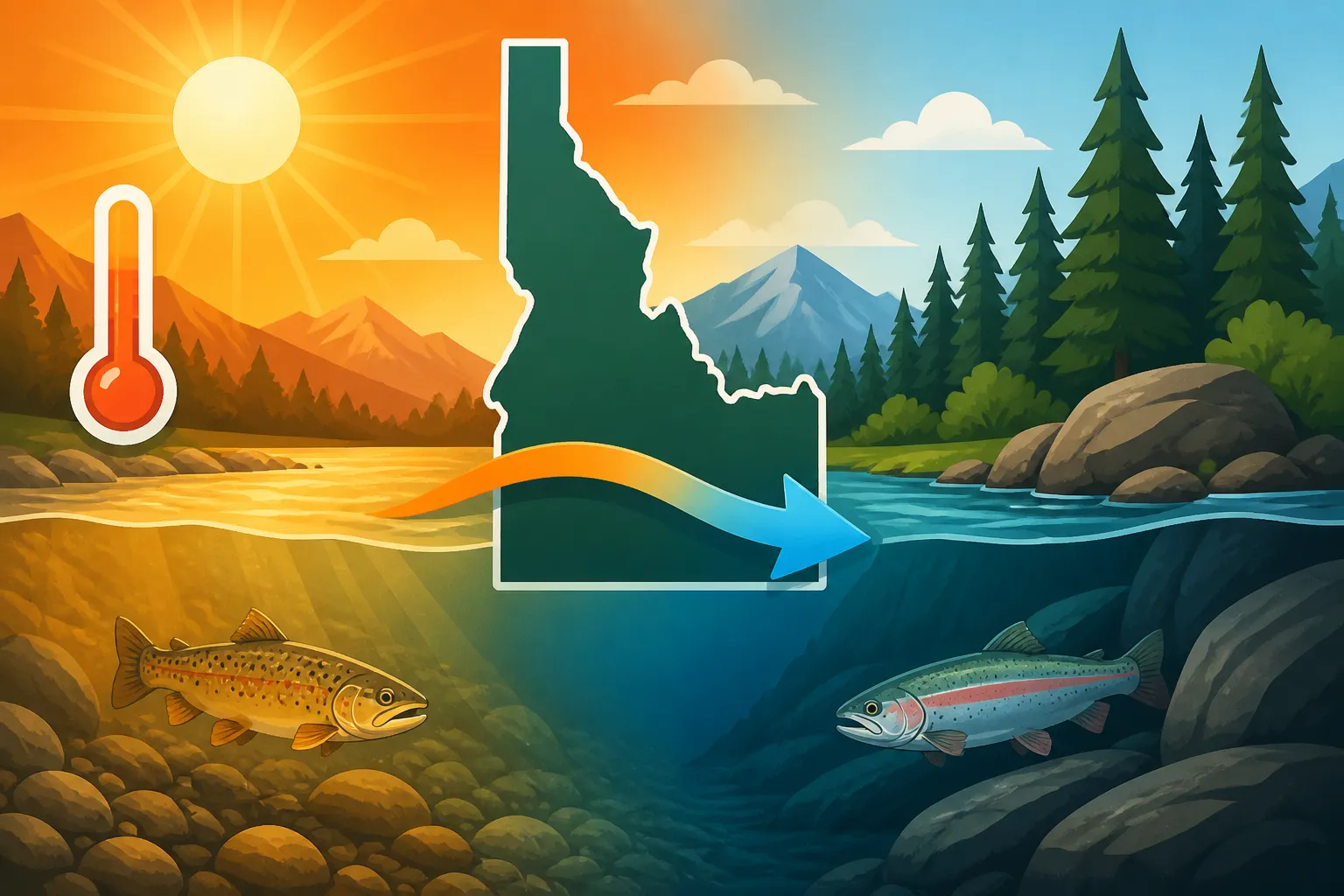
Trout are constantly seeking their "comfort zone" when it comes to temperature, a process called thermoregulation. Each species has an optimal temperature range where they are most active and healthy. For most trout species found in Idaho, this ideal range is typically between 50 and 65 degrees Fahrenheit. Once the water consistently pushes into the high 60s and certainly into the 70s, trout become severely stressed.
- Rainbow Trout: Generally tolerate slightly warmer water than cutthroat or brook trout, but still prefer the mid-50s to low-60s.
- Cutthroat Trout: Often found in cooler, higher elevation streams, they are quite sensitive to warm water, thriving best in the low to mid-50s.
- Brown Trout: Known for being the most tolerant of warmer water among the major trout species, they can sometimes be found in waters up to the high 60s, but they are still most active in the 50s and low 60s.
When the main body of water they inhabit gets too warm, trout will actively search for pockets of colder water. This might mean moving to deeper sections of lakes, congregating near cold springs, or seeking out shaded areas along riverbanks. Understanding these preferred temperatures, which you can track with a simple water thermometer (easily found on Amazon), is paramount to locating trout during hot spells. For a deeper dive into the seasonal temperature shifts, check out our guide on What Water Temperature Affects Idaho Trout Fishing.
Key Holding Spots When the Heat is On
When the sun beats down and the water heats up, trout aren't just disappearing; they're relocating to specific havens where they can find cooler temperatures, higher oxygen levels, and safety from predators. Knowing these spots is like having a secret map to summer success.
Deeper Waters and Thermal Stratification
In larger rivers, lakes, and reservoirs, the principle of thermal stratification becomes a trout angler's best friend. Essentially, water forms layers based on temperature and density. Colder, denser water sinks to the bottom, while warmer, lighter water stays near the surface.
In bigger rivers like the Snake River or sections of the Salmon River, the fastest, deepest channels will often be the coolest. Trout will drop into these swift, deep runs, hugging the bottom where the current is also a bit slower and they can expend less energy. This is particularly true in sections with a pronounced channel. For massive bodies of water, like Lake Coeur d'Alene or Priest Lake, this effect is even more dramatic. During the height of summer, the surface waters can become bathwater warm, but just a few feet down, the temperature can drop significantly. This is where you'll find trout, often suspended at specific depths where the temperature is just right. Using a fish finder to locate schools of baitfish, which also seek these cooler depths, is a great strategy. If you're looking to target trophy fish in these deep, cool waters, you might find our guide on Fishing Priest Lake for Trophy Lake Trout particularly useful. The Chinook salmon and kokanee in Fishing Lake Coeur d'Alene for Kokanee and Chinook also follow these thermal layers, often congregating in the thermocline where cooler water and food sources meet.
Spring-Fed Inflows and Tributaries
Idaho is blessed with countless spring creeks and cold-water tributaries, and these become literal lifelines for trout in hot weather. Even a small influx of spring water can create a significant thermal refuge, cooling down a section of a larger river or stream. Think of it as an air-conditioned room in a hot house.
Look for the mouths of smaller creeks entering larger rivers, or areas where underground springs bubble up into the main channel. These spots will often have noticeably cooler water temperatures and higher oxygen content, making them magnets for trout seeking relief. You might see a visible "line" where the colder, clearer spring water meets the warmer, murkier river water. These confluences are prime locations, often concentrating fish in a relatively small area. Legendary waters like Henry's Fork and Silver Creek are famous for their spring-fed stability, maintaining consistent cold temperatures even on the hottest days. Anglers targeting these specific, often technical, waters would benefit from resources like Fishing Henry's Fork for Fly Anglers or Fishing Silver Creek's Technical Spring Creek Water. Even in larger systems, being observant of these cold water inputs can make all the difference in locating active fish.
Undercut Banks, Logjams, and Overhanging Vegetation
While deep water and cold springs are major factors, trout will also utilize immediate, local cover to escape the direct sun and find slightly cooler water. These are your bread-and-butter spots, especially in smaller streams and shallower river sections.
- Undercut Banks: These natural overhangs provide shade and a cool, dark sanctuary. The water underneath is often slightly deeper and protected from direct sunlight, offering both thermal relief and security from predators. Trout will tuck themselves into these pockets, waiting for an easy meal to drift by.
- Logjams and Woody Debris: A tangled mess of logs and branches might look like a nuisance, but for a trout, it's a five-star hotel. These structures create shade, break up the current, and often scour out deeper pockets beneath them. The complex structure also slows water flow, which can lead to slightly cooler temperatures and increased cover. These are perfect ambush points for trout, and they will hold tight to them during hot periods.
- Overhanging Vegetation: Trees, bushes, and tall grasses that hang over the water's edge cast crucial shadows. These shaded lanes can be several degrees cooler than exposed sections of the river. Fish will position themselves within these shadows, especially during the brightest parts of the day. They also offer a constant source of terrestrial insects falling into the water, providing a food source for opportunistically feeding trout. When targeting these spots, accurate casting is key to getting your fly or lure into the strike zone without spooking the fish.
Adapting Your Approach for Summer Trout Fishing
Understanding where trout go is only half the battle. The other half is knowing how to fish for them effectively and responsibly when temperatures soar. A thoughtful approach can make all the difference.
Timing Your Fishing Trips
This might be the single most important adjustment you can make during hot weather. Forget those lazy midday fishing trips. When the sun is high and water temperatures peak, trout are at their most stressed and least active.
Your best windows of opportunity are typically at dawn and dusk. Early mornings, just as the sun is coming up, offer the coolest water temperatures of the day. The fish are often more active, having recovered from the heat of the previous day, and are more willing to feed. Similarly, late evenings, as the sun dips below the horizon and the water starts to cool, can provide another excellent fishing window. The fish will move out of their deep, cool hiding spots to feed in shallower, more accessible areas. During these cooler periods, you're not only more likely to catch fish, but you also put less stress on them, which is crucial for catch and release. For more detailed information on maximizing your time on the water, consider reading about the Best Time of Day to Fish in Idaho During Summer Heat.
Reading the Water for Temperature Clues
Beyond simply checking the forecast, becoming a good "water reader" in hot weather involves looking for subtle signs that indicate cooler water.
- Visible Seams and Confluences: As mentioned, look for distinct lines where colder, clearer tributary water meets the warmer main river flow. Trout will often stack up in these seams.
- Thermometers are Your Friend: Carry a reliable water thermometer. Drop it into various spots—deep pools, shallow riffles, shaded areas, tributary mouths—to pinpoint temperature differences. Even a couple of degrees cooler can concentrate fish. Many excellent, easy-to-read water thermometers are available on Amazon.
- Water Clarity: Often, colder water from springs or deep reservoirs can be clearer than warmer, more turbid surface water or river flows. Pay attention to changes in clarity.
- Observe Insect Activity: If you see hatches or terrestrial insects (like grasshoppers) active, especially in shaded areas, it's a good sign that conditions might be favorable for trout to feed. However, if insect activity is completely absent, it's often a sign that the water is too warm.
Gear and Tactics for Hot Weather
Once you've located those cooler holding spots, your gear and presentation become critical.
- Lighter Lines and Longer Leaders: Trout in warm, clear water are often spooky. Using lighter lines (4-6 lb test for spin fishing) and longer, fluorocarbon leaders (especially for fly fishing) will help with stealth.
- Deeper Presentations: Since trout are holding deep, you need to get your lure or fly down to them. For spin fishing, this means using heavier jigs, weighted spoons, or crankbaits that dive. For fly fishing, weighted nymphs (like those discussed in How to Nymph Fish a River), streamers (see How to Fish a Streamer for Trout), or even a sinking tip line can be essential.
- Subtle Baits and Lures: While trout might be lethargic, they can still be enticed. Small, natural-colored lures that mimic baitfish or insects can work well. Popular choices include small spinnerbaits, soft plastic grubs, or small jerkbaits. For bait fishing, worms or PowerBait can be effective, presented near the bottom in cool pockets. When browsing for options, remember that Amazon has a vast selection of Best Bait and Lures for Idaho Fishing to stock up on.
- Approach with Stealth: Fish holding in shallow, shaded pockets or under banks are often very sensitive to movement above water. Approach these spots slowly and quietly, staying low and out of sight as much as possible.
- Target the "Golden Hour": Even during the day, pay attention to shadows cast by high banks or large trees. These moving shadows can briefly cool small sections of water, making trout more comfortable for a short feeding window.
Conservation and Responsible Angling in High Heat
Our love for fishing in Idaho comes with a responsibility to protect its natural resources, especially the fish themselves. When the weather is hot, this responsibility takes on even greater importance.
Minimizing Stress on Caught Fish
Catch-and-release is a wonderful practice, but in warm water, it can inadvertently become lethal if not done carefully. The goal is to get the fish back into the water as quickly and gently as possible, with minimal handling.
- Fight Fish Quickly: While it's tempting to "play" a fish, a prolonged fight in warm, low-oxygen water can exhaust a trout to the point of no return. Use appropriate tackle that allows you to land the fish efficiently.
- Keep Fish in the Water: Avoid taking fish out of the water for photos, especially if water temperatures are high. A quick snapshot with the fish still submerged is far better for its survival. Even a few seconds out of water can cause significant stress, particularly when their gills are exposed to warm air.
- Wet Your Hands: Always wet your hands before touching a fish. Dry hands can remove the protective slime coat, making the fish vulnerable to disease.
- Use Barbless Hooks: Barbless hooks minimize damage and make it much easier to remove the hook quickly. You can pinch down the barbs on most hooks with a pair of pliers. This is particularly crucial in waters with special regulations, such as those where Idaho Catch-and-Release Sturgeon Rules are in effect, as it greatly aids in the fish's survival post-release.
- Revive Carefully: If a fish seems sluggish, gently hold it upright in the current, facing upstream, allowing water to flow over its gills. Don't pump it back and forth, as this can force water in the wrong direction. Wait until it swims away under its own power.
- Know When to Call It Quits: If trout are clearly lethargic or gulping for air at the surface, it's a sign of extreme stress. If you find yourself in a situation where fish are repeatedly being injured or dying after release, it's time to stop fishing. The health of the fishery is more important than another fish in the net. Some specific waters in Idaho are even designated as Idaho Catch-and-Release-Only Waters List to protect vulnerable populations.
Recognizing When to Call It Quits
This is perhaps the hardest part for any passionate angler, but it's a critical ethical consideration. Sometimes, the best thing you can do for the fish is to simply not fish.
Many states and local regulations implement "Hoot Owl" restrictions during periods of extreme heat, which typically restrict fishing to early mornings only or close certain waters entirely. While Idaho may not have widespread formal Hoot Owl restrictions for all trout waters, it’s imperative that anglers exercise their own judgment. A good rule of thumb: if the water temperature exceeds 68-70 degrees Fahrenheit, it’s best to put the rods away and let the fish rest. Trying to land a fish in these conditions significantly reduces its chances of survival, even if carefully released. It's not about being a rule-follower; it's about being a conservationist.
If you encounter prolonged periods of very warm weather, especially after a heat wave, consider exploring alternative fishing opportunities like targeting warm-water species (bass, catfish, carp) in lower elevation lakes or reservoirs, which are much more tolerant of heat. Or simply take a break and enjoy other aspects of Idaho's incredible outdoors until conditions improve. It's a small sacrifice that makes a big difference for the future of our trout fisheries. Exceeding recommended practices or limits, even unintentionally, can have consequences for the fishery and for you, as explained in articles like What Happens If You Exceed Idaho's Bag Limit.
Here's a quick reference table for optimal trout temperatures and typical summer holding spots:
| Trout Species | Optimal Temperature Range (°F) | Max Tolerable Temperature (°F) | Common Summer Holding Spots |
|---|---|---|---|
| Rainbow Trout | 50 – 65 | 68 | Deep pools, main channel runs, spring-fed confluences |
| Cutthroat Trout | 45 – 60 | 65 | Cold tributaries, high-elevation lakes, heavy shade, deep pools |
| Brown Trout | 50 – 68 | 72 | Undercut banks, logjams, deep slow runs, spring-fed areas |
| General Rule | Below 65°F | Above 68-70°F: Stop Fishing | Deeper, Cooler, Shaded, Oxygen-Rich Areas |
Always remember that knowing Idaho Fishing Regulations Explained and understanding Idaho Trout Limits by Water are your primary responsibilities as an angler. By being informed and adapting your techniques, you can still enjoy Idaho's fantastic trout fishing even when the sun is blazing, all while protecting these magnificent fish for generations to come.
Disclaimer
The information provided in this guide is for general informational purposes only and does not constitute legal advice. Fishing regulations and conditions in Idaho can change frequently. Always consult the latest Idaho Fish and Game regulations and local advisories before heading out to fish.