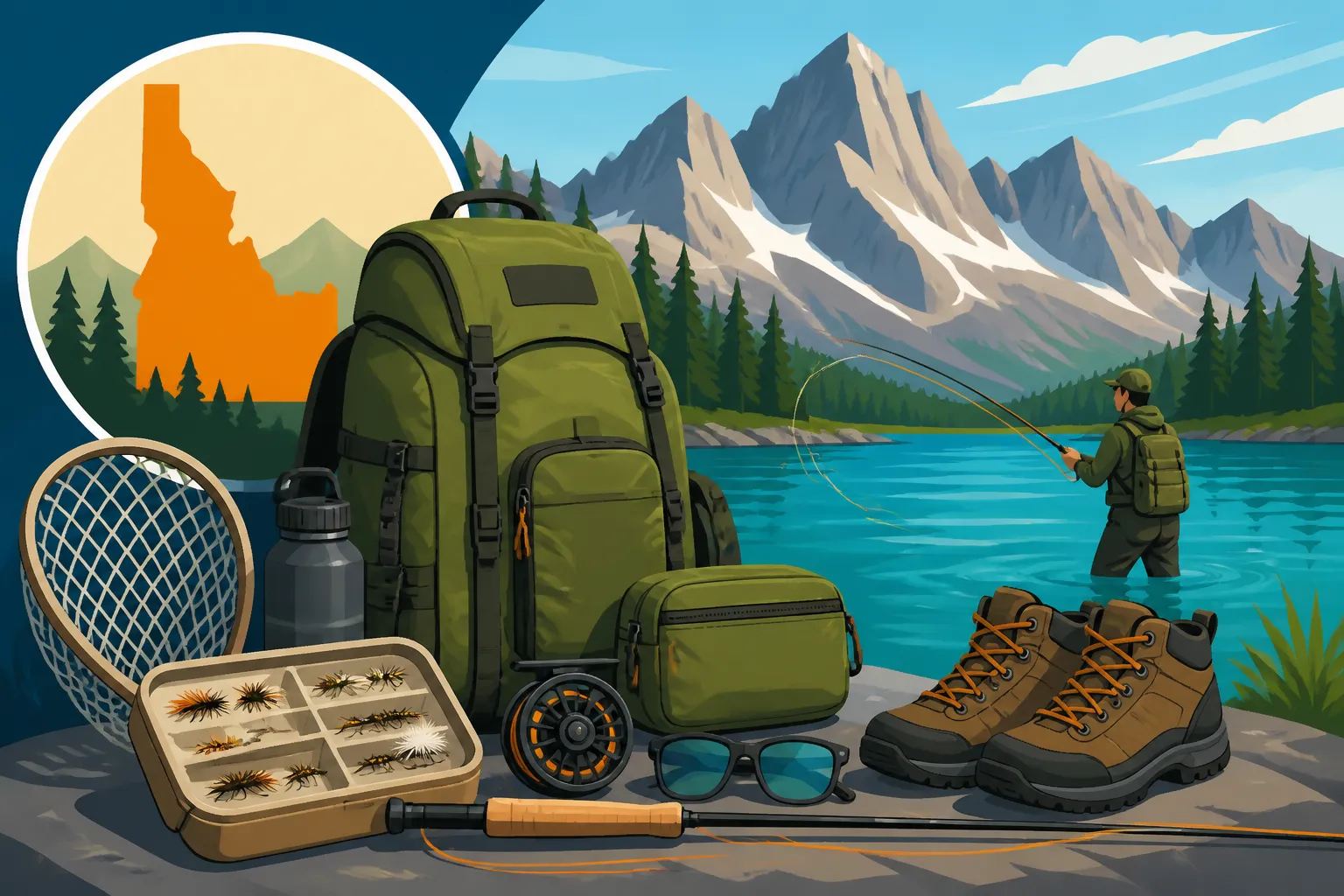
What Gear to Pack for a Sawtooth Backcountry Fishing Trip
Embarking on a backcountry fishing trip into Idaho's majestic Sawtooth Mountains is an experience unlike any other, but the sheer thought of what to pack can feel incredibly daunting. You're not just heading out for an afternoon; you're venturing into a remote, wild landscape where preparedness isn't just a good idea, it's essential. This guide is here to walk you through every critical piece of gear you'll need, ensuring you're ready for both the incredible fishing and the unpredictable challenges of the Idaho wilderness.
Angling Gear Essentials for Sawtooth High Country
When you're packing for a Sawtooth backcountry fishing trip, every ounce in your pack feels like a pound, so choosing the right angling gear is a delicate balance of utility and weight. You want to be prepared for the feisty cutthroat trout that often inhabit these high mountain lakes and streams, but you can't bring your entire tackle shop. It's about being strategic and minimalist without sacrificing effectiveness.
Rod and Reel Choices for Lightweight Travel
For the vast majority of Sawtooth backcountry fishing, you'll want to opt for a lightweight, packable rod. A 3-piece or 4-piece spinning rod, typically in a 6 to 7-foot length, with a light or ultralight action is ideal. Pair this with a small spinning reel spooled with 4-6 pound monofilament or fluorocarbon line. This setup is versatile enough to cast small spinners, spoons, or even flies with a casting bubble. The compact nature of these rods means they won't snag on branches as you hike through dense timber or along rocky trails, and they fit easily into or strapped onto your pack.
Fly anglers, myself included, often lean towards a 7 to 8.5-foot, 3 or 4-weight fly rod. Again, a multi-piece rod (4-piece or even 6-piece for ultimate portability) is key. A compact fly reel with a weight-forward floating line and a sturdy backing will cover most situations you'll encounter. Remember, you're targeting fish that aren't typically massive, but they are often incredibly strong for their size, especially the native Westslope Cutthroat Trout that thrive in these pristine waters. The lighter outfit allows for delicate presentations, which can be crucial in clear, shallow alpine lakes where fish might be easily spooked.
Minimalist Tackle for Mountain Trout
This is where the "less is more" philosophy truly shines. Forget the giant tackle box; you need a small, organized selection of proven trout getters. For spinning setups, small inline spinners like a classic Mepps Aglia or Panther Martin in sizes #0 to #2 are gold. Tiny spoons such as a Kastmaster or Daredevle in 1/16 to 1/8 ounce are also highly effective, especially for reaching deeper pockets in lakes. These lures mimic the small baitfish and insects that constitute a significant part of a high mountain trout's diet.
If you're going the fly fishing route, your fly box should reflect the common insect life cycles of the high country. Think about the basics: dry flies like Parachute Adams, Elk Hair Caddis, and Royal Wulff in sizes 14-18 are staples. For subsurface action, small nymph patterns such as Hare's Ear, Pheasant Tail, and Prince Nymphs (sizes 14-18) are essential. Don't forget a few small emerger patterns and perhaps a tiny woolly bugger in black or olive for prospecting deeper water. Carrying a small spool of 4x, 5x, and 6x tippet is also non-negotiable for adapting to different conditions and leader needs, especially when you encounter those finicky fish that require a delicate approach, similar to those you'd find when learning to How to Approach Skittish Trout on Idaho Spring Creeks.
Essential Line, Leaders, and Tools
Beyond your main line, having extra leader material is crucial. For spinning setups, a spool of 4-6 pound fluorocarbon leader will offer better abrasion resistance against rocky bottoms and increased invisibility in clear water. For fly fishing, a couple of tapered leaders (7.5 or 9-foot, 4x or 5x) will serve as your foundation, supplemented by those tippet spools mentioned earlier. You never know when you'll snag a fly on a submerged log or rock, or when a particularly aggressive fish might snap your line, so backups are critical.
Don't forget the small but mighty tools. A pair of forceps or hemostats is absolutely essential for safely removing hooks from fish, especially when practicing catch and release, which is common and often required for native species like the Westslope Cutthroat Trout in Idaho's high country. A small pair of line nippers or nail clippers, an indicator for nymphing, and perhaps a small split shot dispenser round out your kit. These items are tiny but make a huge difference in efficiency and fish care. Considering the detailed requirements of different fish, understanding the nuances of your tackle can make a huge difference, much like choosing the Best Bait and Lures for Idaho Fishing for various species.
Backcountry Safety and Comfort Gear
When you venture into Idaho's Sawtooth backcountry, you're not just planning a fishing trip; you're planning a wilderness excursion. The beautiful, rugged landscape is unforgiving if you're unprepared for its challenges. The weather can change in an instant, navigation can become tricky, and injuries can happen far from help. Prioritizing safety and comfort is paramount to truly enjoying your time and ensuring you return home with stories, not struggles.
Shelter and Sleep System
A reliable shelter is your first line of defense against the elements. A lightweight backpacking tent, designed for 3-season or even 4-season use if you're pushing into shoulder seasons, is a must. Look for something that balances weight, durability, and packability. A tent that can withstand strong winds and unexpected rain or even snow squalls is crucial in the high country. Personally, I prefer a tent that offers good ventilation to prevent condensation but can batten down the hatches when the weather turns foul.
Your sleep system should also be chosen with the Sawtooth's unpredictable temperatures in mind. A sleeping bag rated for 15-30°F (-9 to -1°C) is generally a safe bet, even in summer, as nighttime temperatures at higher elevations can drop significantly. Pair this with an insulated sleeping pad to prevent heat loss to the ground. Inflatable pads offer great comfort and insulation for their weight, a crucial consideration when every gram counts. A small, lightweight pillow can also make a world of difference for a good night's rest after a long day of hiking and fishing.
Navigation and Emergency Preparedness
Getting lost in the backcountry is a real and dangerous possibility, even on well-traveled trails. Always carry a physical map of the area (e.g., a USGS topo map or a detailed trail map from the Forest Service) and a compass, and know how to use them. Don't rely solely on your phone or GPS device, as batteries die and signals vanish. A dedicated GPS unit or a reliable app on your phone (with downloaded offline maps) can be a great supplement, but should never be your only navigation tool. A good power bank, perhaps a reliable Anker model available on Amazon, is essential for keeping these electronics charged.
For emergencies, a comprehensive first-aid kit is non-negotiable. This isn't just a few band-aids; it should include items for blisters, cuts, sprains, allergic reactions, and pain relief. Carrying a water filter or purification tablets is also vital, as access to clean drinking water, while often abundant, can be compromised or unexpectedly scarce. A headlamp with extra batteries, a multi-tool, a small fire-starting kit (waterproof matches, lighter, fire starter), and a whistle for signaling are all standard backcountry safety items. A personal locator beacon (PLB) or satellite messenger (like a Garmin InReach) is a significant investment but offers peace of mind and a lifeline in true emergencies where cell service is non-existent.
Wildlife Protection and Waste Management
Encountering wildlife, including larger animals like bears and mountain lions, is part of the Sawtooth backcountry experience. Bear spray, carried in an easily accessible holster, is a smart precaution, especially in areas where bears are known to forage. Know how to properly store your food using a bear canister or by hanging a bear bag away from your campsite to prevent attracting unwanted visitors. When hiking and fishing, make noise to avoid surprising animals.
The Sawtooths are a pristine environment, and it's our responsibility to keep them that way. This means packing out everything you pack in, including all trash, food scraps, and even fish entrails (if you're cleaning fish in the backcountry). Use catholes dug at least 6-8 inches deep and 200 feet from water sources and trails for human waste, and pack out all toilet paper. Adhering to Leave No Trace principles is not just a suggestion; it's a critical part of preserving these wild places for future generations. Understanding the broader context of Idaho Fishing Regulations Explained will reinforce the importance of these practices.
Personal Items and Clothing Strategy
Your personal gear and clothing choices can make or break a backcountry trip. Comfort, protection, and adaptability are key when you're far from civilization and facing potentially volatile mountain weather. The strategy here is all about layering and lightweight, quick-drying materials.
Layering System for Mountain Weather
The old adage "there's no bad weather, only bad clothing" holds true in the Sawtooths. A versatile layering system is paramount because temperatures can swing wildly from warm sunny afternoons to chilly evenings, or even unexpected cold fronts with rain or snow, even in mid-summer. Your base layer should be made of moisture-wicking material, like merino wool or synthetic fabric, to keep sweat away from your skin. Avoid cotton at all costs; it holds moisture and loses its insulating properties when wet, which can lead to hypothermia.
Your mid-layer provides insulation. A fleece jacket or a lightweight puffy jacket filled with down or synthetic insulation is perfect. For your outer layer, a waterproof and windproof shell jacket and pants are non-negotiable. Look for GORE-TEX or similar breathable, waterproof membranes. This setup allows you to add or shed layers as conditions change, ensuring you stay comfortable and safe. Don't forget a warm hat, even in summer, as a significant amount of body heat is lost through the head, especially when temperatures drop after sundown.
Footwear and Trail Comfort
Your feet are your most important tool in the backcountry, so treating them right is critical. Sturdy, broken-in hiking boots with good ankle support are essential for navigating the often rocky, uneven, and sometimes steep Sawtooth trails. Make sure they are waterproof or at least water-resistant. Pair these with moisture-wicking hiking socks (again, merino wool or synthetic blends) and bring at least two to three pairs. Changing into dry socks can prevent blisters and keep your feet much happier. Many experienced hikers swear by a thin liner sock under their main hiking sock for added blister prevention.
For camp, or for wading in streams and shallow lake margins, a pair of lightweight camp shoes or wading sandals can be a real luxury. These allow your feet to breathe and recover from a day in heavy boots. Some anglers opt for lightweight hiking shoes that double as wading shoes, but ensure they offer good grip on slippery rocks. It's a balance between protecting your feet from the elements and allowing them to dry out, a critical factor in multi-day treks. This kind of thoughtful planning is akin to reviewing an Idaho Fishing Gear Guide by Season to match equipment with environmental demands.
Sun and Insect Protection
The high-altitude sun in the Sawtooths is incredibly intense, even on cloudy days. Sun protection is not just about avoiding a sunburn; it's about preventing long-term skin damage and discomfort. Pack a wide-brimmed hat or a baseball cap, sunglasses with UV protection, and high-SPF sunscreen. Applying sunscreen regularly, especially to exposed skin like your face, neck, and hands, is crucial. A lightweight, long-sleeved fishing shirt with a collar offers excellent sun protection and can also double as a base layer.
Insects, particularly mosquitoes and biting flies, can be relentless, especially in early summer or near standing water. A good insect repellent containing DEET or picaridin is a must. Some anglers also carry a head net for extreme situations, allowing them to fish in peace even when swarms are at their worst. Treating your clothing with permethrin before your trip can also provide an added layer of protection against ticks and mosquitoes, making your time on the water much more enjoyable.
Food and Water Management for Sustained Energy
Proper nutrition and hydration are often overlooked but incredibly vital aspects of a successful backcountry fishing trip. You're expending a lot of energy hiking, casting, and navigating rugged terrain, so fueling your body efficiently is key. Every meal needs to be lightweight, calorie-dense, and easy to prepare.
Hydration Strategy and Water Purification
Access to clean drinking water is non-negotiable. While the Sawtooths boast countless clear streams and alpine lakes, relying solely on their pristine appearance can be a mistake. Giardia and other waterborne pathogens are present, even in seemingly untouched wilderness. A reliable water filter or purifier is an absolute must. Brands like Sawyer, Katadyn, or Steripen offer lightweight, effective solutions. I personally carry a Sawyer Squeeze filter, which screws directly onto a water bottle or bladder and is incredibly efficient. Always have a backup method, such as purification tablets (Aquamira or iodine), in case your primary filter clogs or breaks.
You'll also need a way to carry your water. A hydration reservoir (2-3 liters) in your pack, coupled with a sturdy Nalgene bottle, provides flexibility. The reservoir allows for hands-free sipping on the trail, while the bottle can be used for mixing drinks or as a backup. Plan to drink plenty of water throughout the day, even if you don't feel thirsty, to prevent dehydration, which can quickly lead to fatigue and impaired judgment in the backcountry. For extended trips, understanding What to Pack for a Multi-Day Fishing Trip will further inform your hydration strategy.
Lightweight and High-Energy Meal Planning
Every ounce counts in your pack, so your food needs to be calorie-dense, lightweight, and require minimal cooking. Dehydrated or freeze-dried backpacking meals are excellent for dinner, offering a wide variety of flavors and easy preparation – just add hot water. Companies like Mountain House or Backpacker's Pantry are popular for good reason. For breakfast, instant oatmeal packets, granola with powdered milk, or dehydrated egg scrambles are quick and energizing.
Lunch and snacks should consist of items that don't require cooking and provide sustained energy. Think trail mix, nuts, dried fruit, jerky, energy bars (like Clif Bars or KIND bars), and hard cheeses. Tortillas are a great alternative to bread as they pack flat and don't get squished. Don't forget a few comfort items, like a small chocolate bar or some hard candies, to boost morale after a long day. If you plan to keep any fish, consider a simple seasoning packet to pan-fry them with butter or oil you've packed in a small, sealed container.
Cooking Gear and Food Storage
A minimalist cooking setup is essential. A lightweight backpacking stove (like a Jetboil or MSR PocketRocket) with a small fuel canister is perfect for boiling water for meals, coffee, or hot drinks. Pair this with a single pot or titanium mug for boiling water and eating directly from. A long-handled spoon is invaluable for reaching the bottom of dehydrated meal bags. A small, foldable spork from Amazon is always a good addition to prevent needing multiple utensils.
As mentioned earlier, proper food storage is critical for wildlife safety. A bear canister is the most secure option, especially if you're in an area with active bear populations. Alternatively, a Ursack or a strong dry bag paired with a long cord for hanging your food from a tree branch (using the "PCT method") can work. Make sure all scented items, including toiletries, are stored with your food. Nothing ruins a backcountry trip faster than a curious bear or rodent getting into your food supply. This meticulous planning ensures you can focus on the tranquil experience of catching trout in a high mountain lake, a skill further explored in guides like How to Fish a High Mountain Lake in the Sawtooths.
| Category | Essential Items (Example) | Considerations |
|---|---|---|
| Angling Gear | 4-piece, 7ft light action spinning rod; small spinning reel w/ 6lb mono; small inline spinners (#0-2); tiny spoons (1/16-1/8oz); forceps; line nippers; extra leader | Prioritize packability and versatility. Focus on proven trout lures/flies. Match line weight to fish size and water clarity. Keep tools minimal but essential for fish care. |
| Fly Fishing Specific | 4-piece, 8.5ft 4-wt fly rod; fly reel w/ WF floating line & backing; small fly box (dry flies, nymphs, emergers, small streamers); 4x, 5x, 6x tippet spools; tapered leaders; strike indicators | Flies should mimic common high-country insects. Focus on delicate presentations. |
| Shelter & Sleep | 3-season backpacking tent; 15-30°F sleeping bag; insulated sleeping pad; small pillow (optional) | Select based on expected temperatures and weather. Aim for lightweight and compact. |
| Navigation & Safety | Physical topo map; compass; GPS device/app w/ offline maps; power bank; comprehensive first-aid kit; water filter/purification tablets; headlamp w/ extra batteries; multi-tool; fire starter; whistle; bear spray (optional, but recommended) | Learn navigation skills beforehand. Redundancy is key for critical items. Consider a PLB/satellite messenger for emergencies. |
| Clothing | Moisture-wicking base layers (top & bottom); fleece jacket/light puffy; waterproof/windproof shell jacket & pants; hiking boots; wool/synthetic socks (2-3 pairs); wide-brimmed hat; sunglasses; warm hat; camp shoes (optional) | Layering is critical for changing mountain weather. Avoid cotton. Prioritize good ankle support and waterproofing for boots. |
| Food & Water | Hydration reservoir (2-3L) + Nalgene; backpacking meals; trail mix; nuts; dried fruit; jerky; energy bars; instant coffee/tea; lightweight backpacking stove; fuel canister; cooking pot/mug; long-handled spoon; bear canister/bear bag | Plan for high-calorie, lightweight, and easy-to-prepare food. Always purify water, even from clear sources. Store food properly to deter wildlife. |
| Personal Items | Sunscreen; insect repellent; lip balm; small quick-dry towel; toilet paper; small trowel; camera; small book/journal (optional) | Don't underestimate sun and insect protection. Remember Leave No Trace principles for waste. |
Final Thoughts on Backcountry Preparedness
A backcountry fishing trip in Idaho's Sawtooth Mountains is an incredible opportunity to connect with nature, test your angling skills, and find peace in some of the most stunning landscapes our country has to offer. The planning might seem overwhelming, but by breaking down your gear list into manageable categories and prioritizing safety, comfort, and efficiency, you can ensure a successful and memorable adventure.
Always remember that the Idaho wilderness, while beautiful, demands respect and preparedness. Don't underestimate the potential for rapid weather changes, challenging terrain, or the need for self-sufficiency far from any support. Taking the time to properly pack and prepare, from understanding Idaho Fishing Regulations Explained to knowing your Idaho Fishing License Guide inside and out, will give you the confidence to truly enjoy the experience. Tight lines out there, and may your Sawtooth adventure be filled with stunning views and plenty of eager trout!
Disclaimer
Please remember that fishing regulations, conditions, and best practices can change. Always check the latest Idaho Fish and Game regulations and local wilderness area advisories before heading out on any fishing trip. This guide is for informational purposes only and should not replace official sources or professional advice. Backcountry travel inherently carries risks, and proper personal preparation, judgment, and safety precautions are essential.