How to Fish for Tiger Muskie at Cascade Reservoir
Trying to hook into a tiger muskie at Cascade Reservoir can feel like chasing a ghost, right? These toothy critters are legendary for being elusive, driving anglers to the brink of obsession with their unpredictable nature and incredible fighting power. You hear the whispers of massive fish, see the photos, but actually getting one to commit can be a whole different ballgame. If you're tired of spending hours on the water without a sniff, or just want to refine your strategy for landing that trophy, this guide is going to break down everything you need to know about successfully fishing for tiger muskie in Idaho's famous Cascade Reservoir.
Understanding the Elusive Tiger Muskie
Before you can hope to outsmart a tiger muskie, you've got to understand what makes them tick. These aren't your average trout; they're a whole different beast with a unique biology and personality that demands respect and a specialized approach.
What Makes Tiger Muskie Unique?
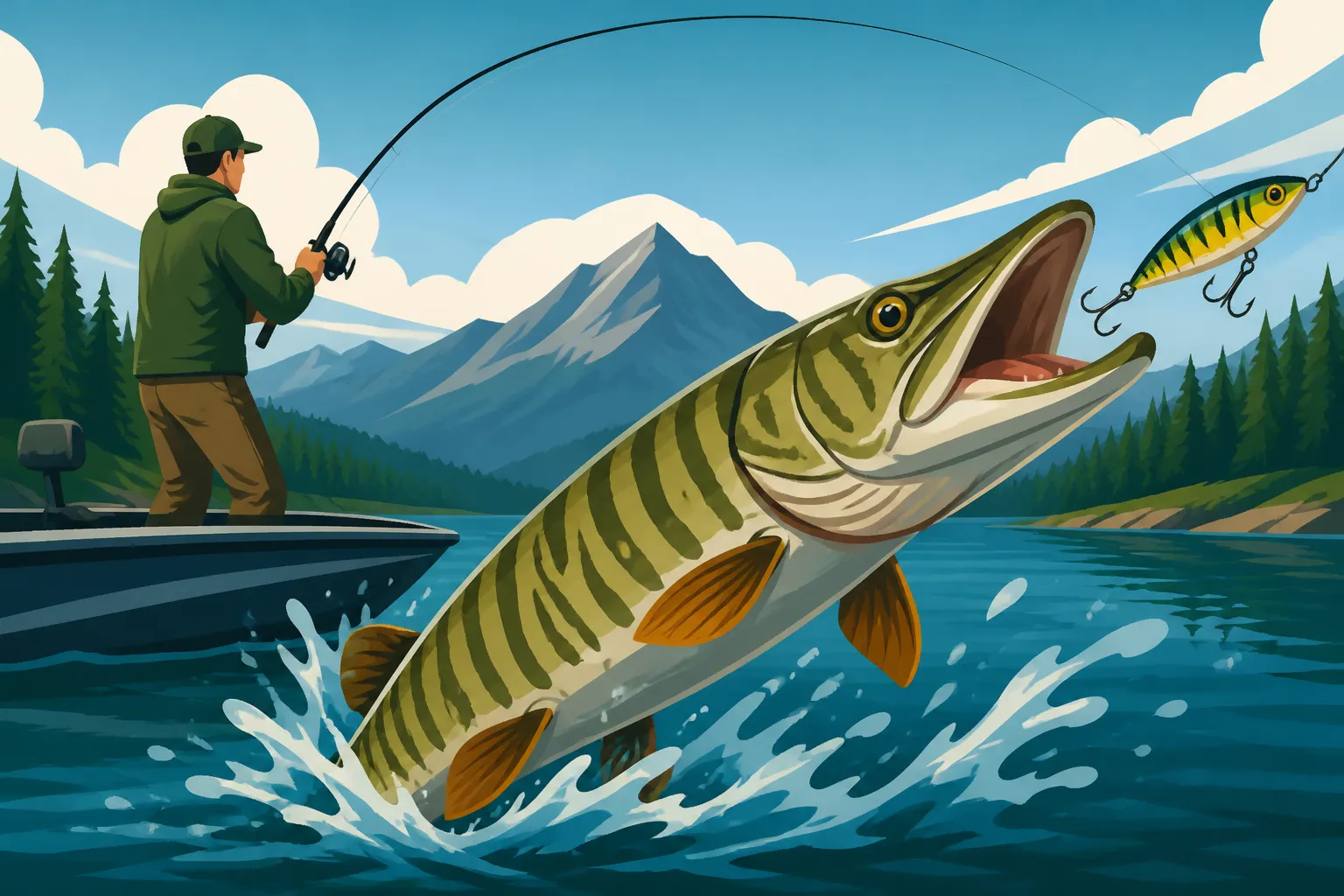
Tiger muskie (or muskellunge, as they're officially known, but most folks just call 'em muskie) aren't your typical naturally reproducing fish. They're actually a sterile hybrid, a cross between a northern pike and a muskellunge, typically occurring when a male pike fertilizes a female muskellunge egg. This hybrid vigor gives them some truly impressive traits: incredible growth rates, an insatiable appetite, and a predatory instinct that few other fish can match. They're also quite stunning to look at, with distinctive dark, irregular vertical bars or spots over a lighter background, giving them their tiger-striped appearance.
Idaho Fish and Game introduced tiger muskie to Cascade Reservoir specifically to help control a burgeoning population of nuisance pikeminnow and to create a trophy sport fishery. Because they're sterile, they won't overpopulate or disrupt the native ecosystem in unforeseen ways, making them an ideal candidate for managing other species while offering anglers an exciting challenge. These fish are all about the hunt, making them one of the most exciting fish to target in Idaho.
Why Cascade Reservoir is a Tiger Muskie Hotspot
Cascade Reservoir didn't become known for its tiger muskie overnight; it's the result of strategic stocking and a perfect storm of environmental factors. The reservoir's vast size, diverse underwater structure, and abundant forage base create an ideal environment for these apex predators to thrive. Idaho Fish and Game recognized this potential early on, and since their initial stockings in the early 2000s, Cascade has become the place in Idaho to target tiger muskie.
The sheer volume of water and the variety of cover – from extensive weed beds and submerged timber to deep rock piles and abrupt drop-offs – mean there's always somewhere for a muskie to hide and ambush prey. Crucially, the reservoir also boasts a robust population of yellow perch, which serve as the primary food source for these growing giants. This rich larder allows tiger muskie to reach impressive sizes, with fish over 40 inches and pushing into the 20-pound range not uncommon. If you're dreaming of a true trophy fish, you'd be hard-pressed to find a better spot in the Gem State. The management efforts here really make the fishing for Cascade Reservoir's tiger muskie fishery a special experience.
Tiger Muskie Behavior and Habitat Preferences
To successfully fish for tiger muskie, you need to think like one. These are ambush predators, meaning they're not typically cruising open water looking for a meal. Instead, they position themselves near structure, waiting for an unsuspecting fish to swim by. Understanding their seasonal movements and preferred hideouts is paramount.
In spring, as water temperatures rise, muskie will often move into shallower bays and flats, especially those with emerging weed growth or submerged wood, as they follow their primary food source, the yellow perch. This is often a good time for aggressive presentations. As summer progresses, they'll often hold tighter to deeper weed lines, rock piles, and submerged timber, especially during the brighter parts of the day. They might move shallower during low light conditions or when weather fronts roll in.
Come fall, as the water cools, tiger muskie go on a feeding frenzy, bulking up for winter. This "fall bite" can be legendary, with muskie becoming incredibly active and aggressive. They'll often be found relating to deep points, major structure, and areas where baitfish are schooling up. Even in winter, dedicated anglers brave the cold for a chance at these fish, often through the ice, targeting deeper breaks and structure where baitfish concentrate. Knowing these general patterns will help you narrow down your search and focus your efforts on the most productive areas.
Essential Gear for Tiger Muskie Success
You wouldn't bring a butter knife to a sword fight, and you certainly shouldn't bring ultralight tackle to a tiger muskie battle. These fish are powerful, aggressive, and designed to tear through light line and flimsy hooks. Having the right gear isn't just about catching them; it's about doing so efficiently, safely, and minimizing stress on the fish for a successful release.
Rods, Reels, and Line – Built for Battle
When it comes to tiger muskie, "heavy-duty" is the name of the game. You need equipment that can handle casting large, heavy lures all day and then withstand the explosive power of a fighting muskie.
- Rods: Look for rods specifically designed for muskie or heavy-duty pike fishing. These are typically 7'6" to 9' in length, with a heavy power rating and a fast to extra-fast action. A longer rod helps with casting distance, managing big lures, and controlling a powerful fish during the fight, especially at the boat. Brands like St. Croix, Shimano, and Daiwa make excellent muskie-specific rods that can be found on platforms like Amazon.
- Reels: A high-quality baitcasting reel with a robust drag system and a strong retrieve ratio is essential. You'll be throwing heavy lures, so a reel that can stand up to constant abuse is key. Look for models like the Abu Garcia Revo Toro Beast or Shimano Tranx. A good baitcaster will allow for precise casting and offer the cranking power needed.
- Line: Braided line is non-negotiable for muskie fishing. Its zero stretch provides excellent sensitivity for detecting subtle bites and immense strength for setting hooks and fighting large fish. Opt for 80-100 lb test braid. You'll also need a heavy-duty fluorocarbon leader (80-150 lb test) or a steel leader (if fishing toothy pike, though muskie are less prone to cut-offs than pike but still have sharp teeth). This leader provides abrasion resistance against their sandpaper-like mouths and sharp gill plates. Many anglers prefer fluorocarbon for its invisibility and stiffness, which helps prevent hooks from fouling.
The Arsenal of Lures: What Tiger Muskie Can't Resist
Tiger muskie are often called "fish of 10,000 casts," but with the right lures, you can significantly improve your odds. They respond to a variety of presentations, and having a diverse tackle box is crucial for adapting to conditions and fish mood. When thinking about Best Bait and Lures for Idaho Fishing, muskie lures are in a class of their own.
| Lure Type | Description & Characteristics | Best Use Cases | Pros | Cons |
|---|---|---|---|---|
| Bucktails | Inline spinners with a heavy lead body, clevis, blade(s), and skirt. | Fast retrieves over shallow weeds, open water, or suspended fish. High visibility. | Fast, flashy, triggers reaction strikes. | Can be tiring to retrieve. |
| Glide Baits | Hard-bodied baits that "glide" side-to-side on a twitch-pause retrieve. | Targeting specific cover, slower retrieves, colder water. | Erratic action, highly attractive. | Requires practice, slower coverage. |
| Crankbaits | Large, deep-diving or shallow-running plugs with a lip. | Trolling, covering open water, reaching specific depths. | Covers water quickly, consistent action. | Can get snagged easily in heavy cover. |
| Soft Plastics | Large paddletails, swimbaits, or soft jerkbaits rigged on heavy jig heads. | Deeper water, slow retrieves, mimicking natural forage. | Very realistic, versatile, different actions. | Can be expensive, easily torn by teeth. |
| Topwater | Prop baits, walk-the-dog baits, or large poppers. | Low light, calm conditions, over weed beds, exciting strikes. | Explosive, visual strikes. | Limited to specific conditions. |
You'll want a selection of these. Large bucktails with double blades (e.g., #8 or #10 blades) in chartreuse, black, or white are classic producers. Glide baits like the Salmo Slider or Waterwolf Shiver are fantastic for their erratic action. Deep-diving crankbaits from Rapala or Livingston Lures are great for trolling deeper structure. Don't forget large soft plastic swimbaits, especially in natural perch patterns, which are perfect for mimicking their primary food source in Cascade. Check out the wide variety of options available on Amazon to build your arsenal.
Critical Accessories for Safety and Success
Landing a tiger muskie isn't just about the fight; it's about the post-catch handling. These are big, powerful fish with sharp teeth, and responsible angling means being prepared to handle them safely for both yourself and the fish.
- Long-handled Pliers and Hook Removers: Essential for quickly and safely unhooking a muskie. Their jaws are packed with sharp teeth, and trying to remove hooks with short pliers is an invitation for injury. Look for sturdy tools that are at least 11 inches long.
- Large Landing Net: A big, muskie-specific landing net with rubberized, knotless mesh is crucial. The large hoop size makes netting easier, and the rubberized mesh protects the fish's slime coat and fins. Don't skimp on this; a regular bass net won't cut it.
- Heavy-Duty Gloves: Cut-resistant gloves provide an extra layer of protection when handling a muskie, especially around their gill plates, which can be surprisingly sharp.
- Measuring Board: A bump board or measuring tape that can accurately measure fish up to 50-60 inches is vital for properly documenting your catch without unnecessary handling. Many anglers use custom-made boards that float.
- Bolt Cutters (Optional but Recommended): In rare cases, a hook might be deeply lodged, making removal impossible without causing undue harm. Bolt cutters allow you to snip the hooks and leave the shank in the fish, which is often a safer option than tearing delicate tissue. This is especially true for trebles on large plugs.
Having all these tools readily accessible before you even hook a fish will ensure a smooth, quick, and safe catch-and-release experience, which is paramount for a trophy fishery like Cascade.
Key Techniques for Targeting Tiger Muskie at Cascade
Muskie fishing is as much an art as it is a science. It requires dedication, patience, and a willingness to adapt. These fish are smart, and successful anglers often employ a range of techniques to coax them into striking. You'll definitely want to understand the comprehensive Idaho Fishing Techniques Guide before heading out.
Casting and Retrieving: The Art of the Figure-Eight
Casting is the bread and butter of muskie fishing. It allows you to precisely target structure and cover where muskie are known to ambush prey. The key is to make accurate casts to visible or known structure like weed edges, rock piles, submerged timber, or even dock pilings, and then present your lure in a way that triggers a strike.
- Retrieve Variations: Don't just reel in at a steady pace. Experiment with retrieve speeds, pauses, and jerks. Sometimes a fast, erratic retrieve triggers a reaction strike, while other times a slow, methodical retrieve with pauses is what it takes. Pay attention to what the fish are telling you.
- The Figure-Eight: This is perhaps the most critical technique in muskie fishing, and it's where many strikes occur. When your lure approaches the boat, instead of simply reeling it in, keep it in the water and perform a large figure-eight motion with your rod tip. Make the loops wide, about 3-5 feet across, and vary the speed. Many muskie will follow a lure all the way to the boat and strike at the last second, especially when they see it trying to "escape" in the figure-eight. This technique alone accounts for a significant percentage of muskie catches. Always be ready for a strike during this maneuver.
Trolling for Covering Water
While casting is great for specific spots, trolling is an incredibly effective way to cover vast amounts of water, especially in a large reservoir like Cascade. It allows you to present lures at consistent depths and speeds, which can be deadly when fish are scattered or holding in deeper zones.
- Speed and Depth Control: Experiment with trolling speeds, typically between 2.5 and 5.0 mph. Deeper diving crankbaits are often favored for trolling, and using a good fish finder helps you present them at the right depth, just above the weed tops or along contour lines. For example, if you're marking schools of perch at 15 feet, you want your lure running at 12-14 feet.
- Lure Selection: Large crankbaits, swimbaits, and even large bucktails can be trolled effectively. Choose lures with a good swimming action that can withstand higher speeds. You can also use planer boards to spread out your lines and cover a wider swath of water, especially helpful if you're targeting fish along broad weed flats or open water breaks. The Idaho Trolling Techniques Guide can offer more insights into this method.
Understanding Seasonal Strategies
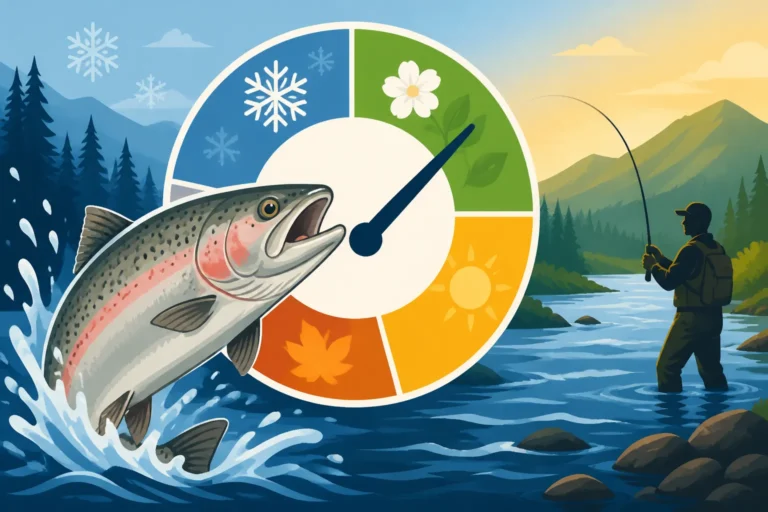
Muskie behavior changes with the seasons, influenced by water temperature, forage availability, and spawning cycles (though tiger muskie are sterile, their instincts still follow general muskie patterns). Adapting your approach to the season is key to consistent success. The Idaho Fishing Season Dates and Limits will give you the broad strokes of when to fish, but muskie require a deeper dive.
- Spring (Ice-Out to Late May): As the ice melts and water temperatures hover in the 40s to low 50s, muskie often become active in shallower bays and warming flats. Focus on areas with early weed growth, submerged wood, and dark bottom substrates that absorb heat. Slower retrieves with glide baits or medium-sized crankbaits can be effective.
- Summer (June to August): When water temperatures reach the 60s and 70s, muskie are in their prime. They'll relate to established weed lines, deep rock piles, and submerged humps. Fast-moving bucktails, large topwater baits in low light, and aggressively worked crankbaits are excellent choices. Trolling becomes very effective for covering vast areas.
- Fall (September to Ice-Up): This is often considered the peak season for trophy muskie. As water temperatures drop into the 50s and 40s, muskie go on a major feeding binge. They'll often be found relating to deep points, main lake structure, and areas where perch are schooling. Large soft plastics, big crankbaits, and even larger bucktails are the go-to baits. This is the time to really put in the hours for a giant.
- Winter (Ice Fishing): For dedicated anglers, ice fishing for tiger muskie on Cascade Reservoir can be a surprisingly productive, albeit challenging, endeavor. Large tip-ups rigged with live or dead bait (where legal and appropriate for muskie) or large jigging spoons and lures can draw strikes. Focus on deeper breaks and holes where muskie might be holding. Check out How to Ice Fish Idaho Lakes for specific tips.
Finding the Fish: Prime Spots and Structure at Cascade Reservoir
Cascade Reservoir is enormous, covering over 30,000 acres. Just knowing there are muskie in there isn't enough; you need to know where to look. Focusing on specific types of structure and known hotspots will drastically increase your chances. This is part of mastering Idaho Fishing Techniques Guide.
Key Habitats and Submerged Structure
Tiger muskie are masters of camouflage and ambush, always lurking near structure that provides cover and a strategic advantage. Understanding these key habitats is paramount:
- Weed Lines: These are prime real estate. Whether it's the deep edge of a massive weed flat or isolated clumps in a bay, muskie will use weeds for cover and ambush points. Focus on the transitions where weeds meet open water or where different weed types converge.
- Rock Piles and Humps: Submerged rock piles, especially those that rise abruptly from deeper water, are natural fish magnets. They attract baitfish, which in turn attract muskie. These are often excellent spots during summer and fall.
- Submerged Timber and Brush: Cascade Reservoir has areas with extensive submerged timber, remnants from when the reservoir was flooded. These underwater forests provide incredible cover for muskie. Fishing these areas requires heavy tackle and a willingness to get snagged, but the reward can be huge.
- Points and Drop-Offs: Points that extend into the lake and abrupt changes in depth (drop-offs) create natural highways and ambush points for predatory fish. Muskie will patrol these areas, especially where baitfish move along the contours.
- Old River Channels: If you have detailed maps, identifying the old river channels running through the reservoir can be incredibly productive. These channels often have subtle depth changes and harder bottoms that attract fish.
Known Hotspots on Cascade Reservoir
While muskie can be found throughout the reservoir, certain areas are historically known for producing more fish or larger specimens. Remember that conditions can change, but these areas generally offer good potential.
- Tamarack Bay and Surrounding Areas: The vicinity around Tamarack Resort, including the large bays and points, is a well-known muskie area. The diverse structure, including weed beds and submerged timber, makes it a consistent producer.
- Warm Lake Arm: The arm of the reservoir extending towards Warm Lake offers a mix of depths and structure, often holding good numbers of muskie, particularly along its deeper weed edges and drop-offs.
- Northern Bays (Near Donnelly): The shallower, often weedier bays in the northern part of the reservoir, especially during spring and early summer, can hold active fish. These areas warm up faster and attract baitfish.
- Logging Areas/Stumps: Any areas with significant submerged stumps or logging debris (often found on older maps or through sonar) are high-percentage spots. These provide ideal ambush cover.
Always consult current fishing reports and talk to local tackle shop owners or guides at Tackle Tom's or McCall Angler for the most up-to-date information on where the fish are biting. These local insights are invaluable for finding the Best Fishing Spots in Idaho for muskie.
Reading the Water and Electronics Use
Modern electronics have revolutionized muskie fishing, allowing anglers to "see" underwater and identify prime structure and fish holding areas. However, even with the best gadgets, knowing how to read the water visually is still a critical skill.
- Sonar (Fish Finder): A good quality fish finder with Down Imaging and Side Imaging is an incredible asset. Use it to locate submerged structure like weed edges, rock piles, and timber. Look for baitfish schools, and keep an eye out for larger arcs that might indicate muskie.
- Water Temperature: Pay close attention to water temperature. Muskie are highly sensitive to temperature changes, and understanding their preferred range for different seasons will help you pinpoint productive depths and areas. A temperature gauge is a simple but powerful tool.
- Wind and Weather: Wind can be your friend in muskie fishing. A consistent wind can push baitfish into certain areas, concentrating predators. It also creates a "chop" on the water that can make muskie less wary. Overcast skies and approaching fronts often trigger feeding binges, while bright, sunny, calm days can make them more lethargic and harder to catch.
- Observation: Keep an eye out for signs of life. Loons diving, baitfish flicking on the surface, or even a muskie rolling or jumping can indicate their presence. Sometimes, you'll see a muskie "follow" your lure to the boat without striking. This "follower" can still be caught with a figure-eight or by casting back to the same spot immediately.
Combining your visual observations with your electronics and a solid understanding of muskie behavior will dramatically improve your ability to locate these challenging fish in Cascade Reservoir.
Conservation and Responsible Angling Practices
Catching a tiger muskie is a thrilling experience, but it comes with a responsibility to protect this unique fishery. Idaho Fish and Game has put a lot of effort into establishing Cascade as a trophy muskie lake, and it's up to anglers to ensure its continued health through ethical practices. Understanding Idaho Fishing Regulations Explained is critical.
Catch and Release Best Practices
Tiger muskie, especially the large ones, are a precious resource. Most anglers targeting them practice catch and release exclusively, recognizing that these fish are worth far more alive than dead. Proper handling is essential to ensure their survival.
- Minimize Fight Time: Use appropriate heavy tackle to land fish quickly. A prolonged fight can exhaust a muskie, especially in warmer water, making it harder for them to recover.
- Keep the Fish in the Water: Whenever possible, unhook the fish while it's still in the net and in the water. This protects its delicate slime coat and internal organs. If you must remove it from the water for a quick photo, do so gently and quickly, holding it horizontally with two hands to support its body weight. Avoid holding it vertically by the jaw.
- Use Proper Tools: Have your long-handled pliers, hook removers, and bolt cutters (if needed) ready before the fish is landed. Work quickly and efficiently to remove hooks.
- Revive the Fish: After unhooking, hold the fish gently in the water, supporting its belly, and allow water to flow over its gills. Move it slowly back and forth if necessary, until it vigorously swims away on its own. This is especially important for larger fish or those that fought hard.
Adhering to Idaho Regulations
Idaho Fish and Game has specific regulations for tiger muskie in Cascade Reservoir, designed to manage it as a trophy fishery. These rules are non-negotiable and are in place to ensure a healthy population for future generations.
- Size Limits: Cascade Reservoir typically has a strict minimum size limit for tiger muskie, often in the 40-inch range. This ensures that fish have the opportunity to grow to trophy sizes before being harvested. Always check the current Idaho Fishing Regulation Brochure and Proclamation before you go, as regulations can change.
- Bag Limits: The daily bag limit for tiger muskie is usually very restrictive, often one fish. This, combined with the size limit, reinforces the trophy nature of the fishery.
- Special Regulations: Be aware of any special regulations specific to Cascade Reservoir, such as barbless hook requirements or specific gear restrictions. For example, while not universal, some waters may require Idaho Barbless Hook Requirements for certain species or within certain seasons. Always verify these details.
Ignorance of the rules is not an excuse. Familiarize yourself with all current regulations for Cascade Reservoir to avoid fines and contribute to responsible angling.
The Future of Tiger Muskie Fishing in Idaho
The tiger muskie program in Cascade Reservoir is a testament to Idaho Fish and Game's commitment to creating diverse and exciting fishing opportunities. By stocking sterile hybrids and implementing strict regulations, they've cultivated a truly unique trophy fishery within Idaho.
Angler participation in conservation, through adherence to catch-and-release best practices and reporting unusual catches or observations, plays a vital role in the ongoing success of this program. This is not just about catching a fish; it's about being part of a larger community dedicated to preserving and enhancing Idaho's incredible fishing resources. With continued responsible management and ethical angling, Cascade Reservoir will remain a premier destination for those seeking the ultimate challenge and thrill of catching a magnificent tiger muskie for years to come.
Disclaimer
Fishing conditions and regulations in Idaho can change. Always consult the latest Idaho Fish and Game regulations and local conditions before heading out on your fishing trip. Stay safe on the water.