How Long Idaho’s Steelhead Season Lasts
Trying to pin down exactly how long Idaho's steelhead season lasts can feel like chasing a ghost. You hear whispers of fall runs, then winter, then spring, and it leaves you wondering if these incredible fish are available all year or just for a fleeting moment. It's a valid confusion, as the actual "season" isn't a single, fixed period across the entire state. This guide will walk you through the realities of Idaho's steelhead fisheries, explaining the different runs, river systems, and regulations that ultimately dictate just how much time you have to pursue these magnificent anadromous trout.
Understanding the Steelhead Season in Idaho: A Year-Round Pursuit, Sort Of
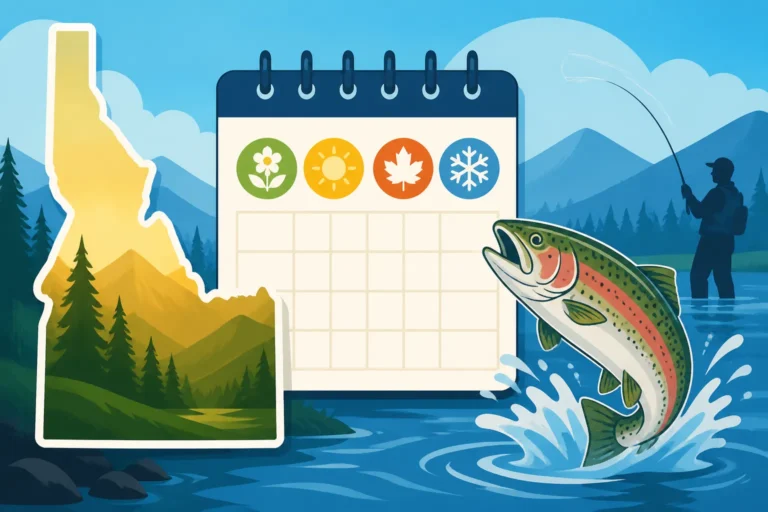
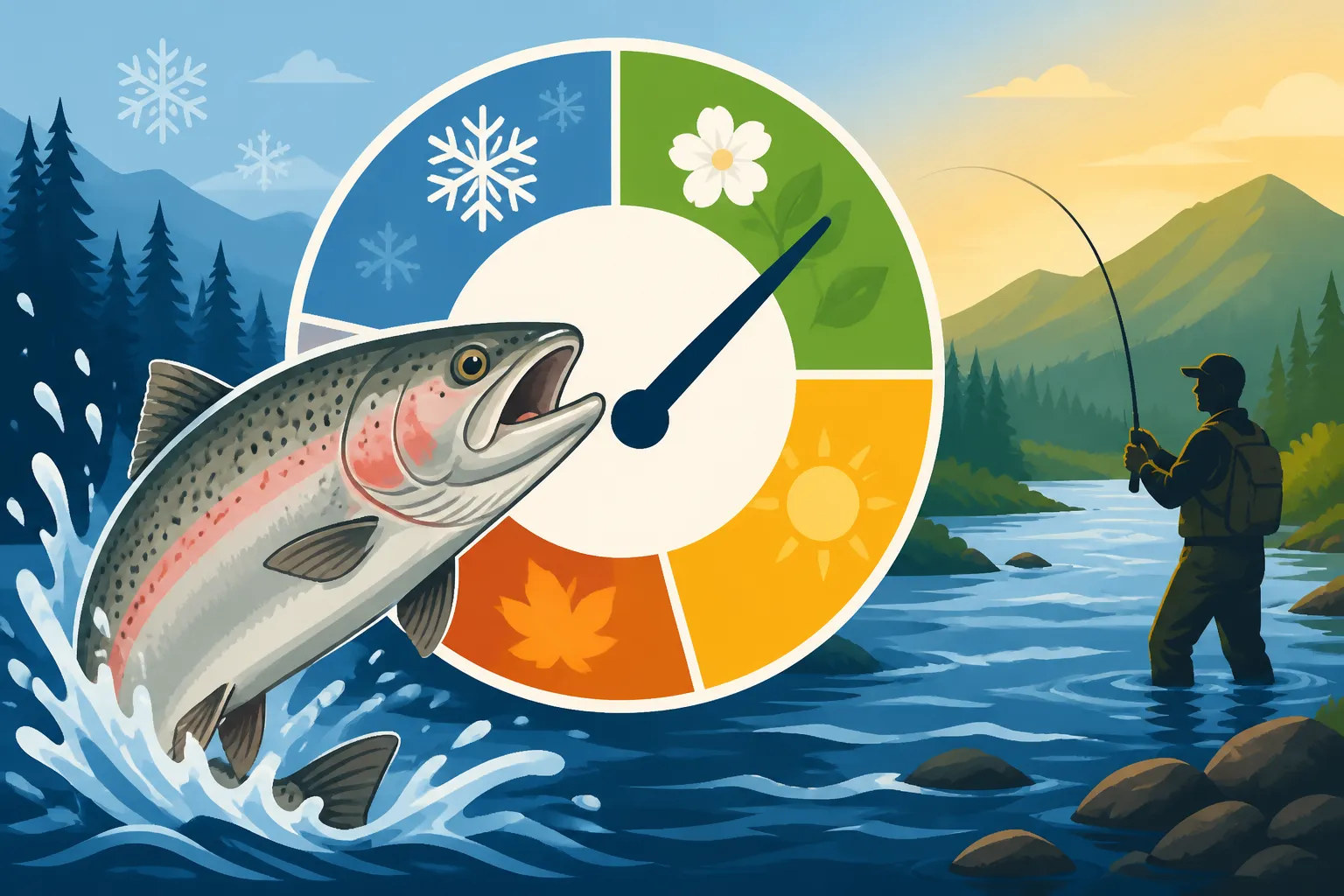
When anglers ask, "How long does Idaho's steelhead season last?" the simplest, albeit slightly misleading, answer is: most of the year, depending on where you're fishing and which run of fish you're targeting. Unlike many game fish that have distinct opening and closing dates, steelhead in Idaho are present in rivers for a significant portion of the calendar, albeit in different phases and locations. It’s not a single, continuous season but rather a series of overlapping opportunities dictated by the fish’s incredible migratory journey from the Pacific Ocean back to Idaho’s spawning grounds.
The core of the steelhead fishery in Idaho revolves around two distinct migrations: the A-run and the B-run. These terms refer to different timing and size classes of fish, and understanding them is crucial to grasping the overall season length. Generally, the season effectively begins in late summer or early fall when the first fish arrive, and it can stretch well into the late spring as the last of the winter-run fish make their way upstream.
Fall vs. Winter/Spring Runs: The Two Main Acts
Idaho's steelhead season is essentially a two-part play, starring two different groups of fish.
The Fall Steelhead Run (A-Run):
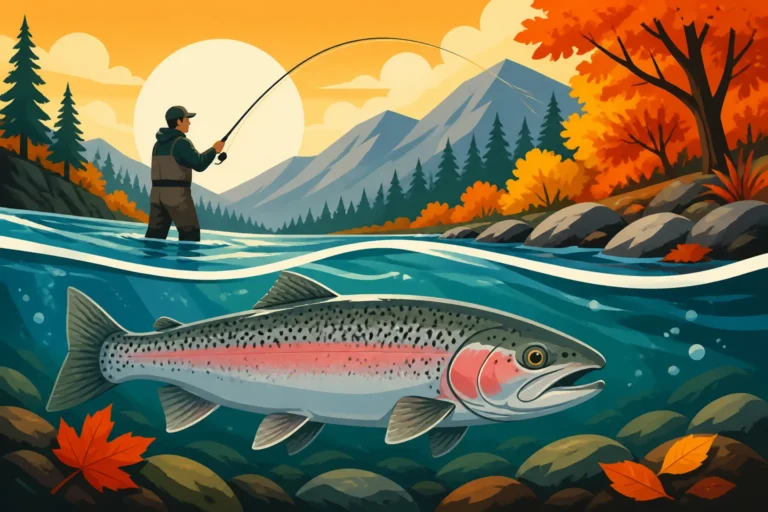
The initial wave of steelhead, often referred to as the A-run, typically starts showing up in Idaho rivers around late August to early September. These fish are generally smaller, averaging 4-8 pounds, though bigger ones are certainly caught. They've spent one year in the ocean before returning. Their migration kicks off what most anglers consider the beginning of the "steelhead season." This run continues through the fall months, usually peaking in October and November. Rivers like the Clearwater and Salmon see strong numbers during this period. For many, the crisp air, changing leaves, and fewer crowds make this a truly magical time to chase steelhead. This part of the season is highly anticipated, and you'll find plenty of gear for it, from specialized rods to tackle, available on platforms like Amazon.
The Winter/Spring Steelhead Run (B-Run):
As the fall run tapers off, often coinciding with colder temperatures and sometimes ice on the rivers, the highly prized B-run steelhead begin their ascent. These fish typically arrive later, from late fall through the winter and into early spring. The B-run fish are the giants of Idaho steelhead, having spent two years or more in the ocean, often weighing in at 10-20 pounds or even more. The season for these behemoths really picks up in January and February and can run strong through March and even into April, particularly on rivers like the Clearwater. The ability to pursue these larger fish makes the winter/spring season incredibly popular, even if it means braving colder weather. This extended period truly showcases how long the steelhead season can last when conditions align.
Why "Season Length" Isn't a Simple Number
So, if fish are present from late August to April, does that mean the season is eight months long? Not quite. The term "season length" is complicated by several factors:
- Active Fishing Opportunities: While fish are present for much of this time, optimal fishing conditions and concentrations of fish can vary. There might be lulls due to high, muddy water from rain or snowmelt, or periods of extreme cold that make fishing challenging.
- River Section Closures/Openings: Specific sections of rivers can open or close at different times based on fish returns, conservation needs, or spawning activity. For instance, sections higher up a river system might open later as fish take time to migrate.
- Hatchery vs. Wild Fish: Idaho has strict rules regarding wild steelhead, which must be released unharmed. The harvest season primarily targets adipose-fin-clipped hatchery fish. If wild fish numbers are low, Idaho Fish and Game might impose additional restrictions or shorten seasons to protect them. You can learn more about Idaho Steelhead Identification Guide to help you distinguish.
- Emergency Rule Changes: Steelhead fishing regulations are dynamic. Fish and Game biologists constantly monitor returns, and if numbers are lower than projected, emergency closures or reduced bag limits can be implemented on short notice. Conversely, strong returns might lead to extensions. This is why always checking the most current Idaho Fishing Regulations Explained is paramount before heading out.
This dynamic nature means that while steelhead might be "available" for a long duration, the fishable season with harvest opportunities and favorable conditions is a more nuanced concept that varies year to year and river by river.
Detailed Breakdowns of Idaho's Steelhead Seasons by River and Run
Idaho is blessed with several world-class steelhead rivers, each with its own character and, crucially, its own specific season dynamics. Understanding these regional variations is key to maximizing your time on the water.
The Clearwater River Experience: Iconic and Extended
The Clearwater River system, particularly the mainstem and its North Fork, South Fork, and Middle Fork sections, is arguably Idaho's most famous steelhead destination. It's often where the longest and most consistent steelhead seasons can be found.
The Clearwater typically sees a robust fall run of A-run steelhead starting in early to mid-September. Anglers flock to its waters through October and November. The fishing can remain productive well into December, even as winter begins to set in. Then, the B-run fish start making their presence felt, usually from January through March, providing some of the best opportunities for trophy-sized steelhead. The season on the mainstem Clearwater and its lower tributaries can often extend into April, and sometimes even into May in specific sections, making it one of the longest continuous steelhead seasons in the state. This extended window is a huge draw, bringing anglers from all over to towns like Lewiston and Orofino. If you're planning a trip, guides often recommend booking well in advance, especially for prime B-run dates, which can be found in a Idaho Steelhead Fishing Guide.
The Salmon River's Steelhead Stretches
The Salmon River, often called "The River of No Return," offers a vast and diverse steelhead fishery spanning hundreds of miles. Its season, while substantial, can be more fragmented than the Clearwater's due to its immense length and varying water conditions.
The lower Salmon River typically sees its first fall steelhead arriving in September, with fishing picking up considerably in October and November. As winter approaches, fishing can slow down in the lower river but often remains strong in certain middle sections as fish migrate further upstream. The B-run fish also make their way up the Salmon, though their numbers might be more spread out due to the river's size. Historically, sections of the Salmon could be fished for steelhead into March and April, sometimes even May, especially in the upper reaches. However, regulations can change quickly here due to low returns or specific conservation concerns for local populations. Understanding how the Idaho Fishing Season Dates and Limits apply to different sections of this mighty river is critical.
Other Key Steelhead Waters and Their Nuances
While the Clearwater and Salmon are the main stages, other rivers contribute to Idaho's overall steelhead season length:
- Snake River: The Snake River itself, particularly upstream of Lewiston to Hells Canyon Dam, can hold steelhead during their migration to the Clearwater and Salmon. Fishing opportunities here are often tied to the migration timing and can be quite good in the early fall.
- Grande Ronde River (Idaho Section): This tributary of the Snake, crossing into Idaho from Oregon, also gets a fall run of steelhead. Its season generally aligns with the early fall run of the Clearwater and lower Salmon, tapering off as winter progresses.
- Little Salmon River: A major tributary to the main Salmon River, the Little Salmon can have good fishing during both the fall and spring runs as fish move through.
- Clearwater River Tributaries (e.g., South Fork, Middle Fork): These tributaries often have later season openings than the mainstem Clearwater, as fish need time to migrate upstream. Their seasons generally extend into the spring, as these are critical spawning grounds.
Each of these rivers, and even different sections within them, will have slightly different regulatory periods, impacting the perceived length of the season. For instance, Fall Steelhead Fishing Techniques on the Clearwater and Salmon Rivers are often different than those used in the colder spring months on smaller tributaries.
| River System | Typical Fall Run (A-Run) Season | Typical Winter/Spring Run (B-Run) Season | Primary Target Fish | Notes |
|---|---|---|---|---|
| Clearwater River | Sept – Dec | Jan – April (sometimes May) | A & B-run hatchery steelhead | Longest, most consistent season; known for large B-run fish. |
| Salmon River | Sept – Dec | Jan – April | A & B-run hatchery steelhead | Vast system, season length varies by section; can close earlier. |
| Snake River | Sept – Nov | Limited, migratory | A-run hatchery steelhead | Primarily a migratory corridor; specific sections may open/close. |
| Grande Ronde (ID) | Sept – Nov | Limited, early winter | A-run hatchery steelhead | Good early season, often tapers off with colder weather. |
| Little Salmon R. | Sept – Nov | Feb – April | A & B-run hatchery steelhead | Good tributary fishing, often open later for B-run fish. |
Note: This table represents typical periods. Always consult the current Idaho Fish and Game regulations for exact dates and emergency closures.
Factors Influencing Steelhead Season Duration and Regulations
The length of Idaho's steelhead season isn't arbitrary; it's a carefully managed dance between angler opportunity and the critical need to conserve these incredible fish. Several key factors constantly influence how long the season runs and where.
Fish Returns and Conservation Efforts
The primary driver behind season length is the actual number of steelhead returning from the ocean. Biologists at the Idaho Department of Fish and Game (IDFG) meticulously monitor fish counts at dams like Lower Granite Dam on the Snake River. These counts provide crucial data on the health of the run.
If projected returns are strong, IDFG might allow for longer seasons, more liberal bag limits, or open additional sections of rivers. Conversely, if returns are poor, as has happened in recent years, seasons can be drastically shortened, specific river sections might remain closed, or harvest might be reduced to catch-and-release only. The priority is always to ensure enough wild fish make it to their spawning grounds to sustain future generations. This is especially true for the endangered Snake River sockeye salmon, and while steelhead aren't as dire, their wild populations are also closely watched. The Idaho Catch Limits and Bag Limits Explained article details how these regulations are applied.
Conservation also plays a massive role in protecting the future of these fisheries. Many fishing organizations and state agencies are working to improve fish passage, restore habitat, and ensure sustainable fishing practices. Anglers themselves play a part by adhering to regulations, practicing responsible catch-and-release, and staying informed.
The Role of Idaho Fish and Game in Setting Seasons
The Idaho Department of Fish and Game is the ultimate authority for setting and modifying steelhead seasons. They conduct extensive research, gather data, and consult with various stakeholders to make informed decisions. Here's a glimpse into their process:
- Pre-season Forecasts: Each year, IDFG issues forecasts based on previous run data, ocean conditions, and other biological factors. These forecasts help set initial season structures.
- In-season Monitoring: Throughout the migration, IDFG continuously monitors fish counts, water conditions, and harvest rates. This real-time data allows them to be agile.
- Public Input: While biological data is paramount, IDFG also considers public input from anglers, guides, and local communities. However, conservation needs always take precedence.
- Emergency Rule Changes: It's not uncommon for IDFG to issue emergency rule changes mid-season. These can include shortening seasons, reducing bag limits, or closing specific sections if fish returns are lower than anticipated or if wild fish need additional protection. This responsiveness is vital but means anglers must always check the latest regulations. You can find their current proclamation and brochures, sometimes even digital versions for your phone, which is handy when you're out on the river and don't have an
AmazonKindle handy for reading.
Understanding this process helps explain why the "season length" isn't a static number. It's a dynamic period subject to the ebb and flow of nature and careful management.
How to Stay Up-to-Date with Regulations
Given the dynamic nature of steelhead seasons, knowing where to find the most current information is crucial.
- Idaho Fish and Game Website: The official IDFG website is your primary source. They publish the annual fishing regulations brochure (proclamation), which outlines general seasons, bag limits, and special rules for specific waters. More importantly, they post all emergency rule changes and fishing reports here. Make it a habit to check this site before every trip, especially for steelhead.
- IDFG News Releases: Sign up for their email list or check their news release section frequently. Emergency closures or openings are often announced via these channels.
- Local Tackle Shops and Guides: Local fly shops, sporting goods stores (like a specific brand, for instance), and fishing guides are often the first to hear about changes. They also have invaluable on-the-ground knowledge of current conditions and where fish are biting. Many guides even offer "steelhead reports" during the peak season.
- Fishing Forums and Social Media Groups: While not official sources, many online fishing communities dedicated to Idaho Fishing share real-time information and discussions about conditions and regulations. Always cross-reference with official IDFG sources, but they can be a good way to get a heads-up.
Staying informed ensures you're fishing legally and responsibly, protecting the resource for everyone while making the most of the steelhead opportunities when they arise.
Planning Your Steelhead Adventure: Gear, Permits, and Expectations
With such a long and varied steelhead season, planning your trip can feel overwhelming, but it's also incredibly exciting. Knowing what to bring and what to expect will make your time on Idaho's rivers more enjoyable, whether it's early fall or late spring.
Essential Gear for Prolonged Seasons
The gear you'll need for steelhead fishing can vary slightly depending on the time of year and specific techniques, but some essentials remain constant. Given the diverse conditions from early fall's mild weather to mid-winter's freezing temperatures, having versatile gear is key.
- Rods and Reels: For most Idaho steelhead, a medium-heavy spinning or baitcasting setup, or an 8-10 weight fly rod (often a Spey or switch rod for two-handed casting) is ideal. Line weights vary, but expect to use heavier lines and leaders, especially for B-run fish in swift current. You can find a vast selection of these on Amazon, often with reviews from fellow steelhead anglers.
- Waders and Layering: This is critical for comfort, especially given the extended season. Breathable waders are great for early fall, but come winter, you'll want heavy-duty layering underneath, including fleece and thermal socks. A good waterproof, insulated jacket is non-negotiable.
- Terminal Tackle: A variety of jigs, spoons, spinners, and floats will serve you well. For fly anglers, a selection of weighted nymphs, egg patterns, and intruder-style streamers are essential. Don't forget plenty of lead or tungsten for weight, and strong, sharp hooks. Always consider Best Lures for Idaho Steelhead Fishing to match the conditions.
- Safety Gear: A wading staff, polarized sunglasses (to spot fish and protect your eyes), a good knife, and a first-aid kit are always wise. If you're fishing from a boat, ensure all required safety gear is aboard.
- Navigation and Communication: A reliable GPS device or app is helpful, especially in remote areas. Cell service can be spotty, so consider a satellite communication device for emergencies.
Remember, fishing through a prolonged season means preparing for everything from sunny autumn days to biting winter winds and even spring showers. Investing in quality gear for different conditions will pay off.
Navigating Permits and Licenses
Before you even think about casting a line, you absolutely need the proper documentation. Fishing for steelhead in Idaho requires more than just a general fishing license.
- Idaho Fishing License: This is your baseline. You'll need either a resident or nonresident annual license, or a short-term license if you're just visiting. You can read up on the specifics in Idaho Fishing License Guide.
- Idaho Salmon and Steelhead Permit: This is a separate, mandatory permit required for anyone fishing for or possessing steelhead or Chinook salmon. It's an additional cost but allows you to participate in these specific fisheries. For residents, the Idaho Resident Fishing License Cost plus this permit will be your total. Nonresidents will pay more, as explained in Idaho Nonresident Fishing License Cost.
- Steelhead Harvest Card: If you plan to keep any hatchery steelhead, you'll also need a physical harvest card. This card must be validated and notched immediately upon retaining a steelhead. It's crucial for IDFG to monitor harvest numbers. Even if you're planning on catch-and-release, it's often a good idea to have one, just in case regulations allow for harvest and you decide to keep a clipped fish.
These permits and licenses are vital for funding conservation efforts and managing the fishery. Don't risk a hefty fine or losing your fishing privileges by skipping these steps. Many anglers buy their licenses and permits online through the IDFG website, or at local vendors like sporting goods stores, which is often easier than trying to find a spot once you're already near the river.
Managing Expectations Across Long Seasons
While Idaho's steelhead season offers a fantastic, extended opportunity, it's important to manage your expectations throughout the long months.
- Peak vs. Shoulder Seasons: You'll likely experience peak fishing during certain windows (e.g., late October/November for A-run, February/March for B-run) when fish numbers are high and conditions are often favorable. However, there are also shoulder seasons (e.g., late summer, late winter/early spring) where fishing might be slower, but also offer unique challenges and fewer crowds.
- Weather and Water Conditions: These are massive variables. A long, cold winter can delay migrations or make rivers unfishable due to ice. A warm spring can bring early runoff, blowing out rivers with high, muddy water. Being adaptable and checking river flows and weather forecasts is key. Don't let a "long season" fool you into thinking every day will be perfect.
- Skill and Experience: Steelhead are notoriously difficult to catch. A long season means more opportunities, but it doesn't guarantee success. The learning curve can be steep, especially when trying to How to Fish for Steelhead in Idaho. Don't get discouraged if you have slow days; that's part of the steelhead game.
- Conservation Mindset: Embrace the journey and the beauty of Idaho's wild places. Even if the fishing is tough, being out on a stunning river like the Clearwater or Salmon is its own reward. Practice catch and release, especially for wild fish, and leave no trace.
Ultimately, Idaho's steelhead season is a marathon, not a sprint. It offers incredible diversity in conditions and opportunities for dedicated anglers willing to adapt. By understanding its complexities, preparing properly, and always respecting the resource, you can enjoy months of world-class steelhead fishing.
Disclaimer
Please remember that fishing regulations, including season dates, bag limits, and specific river rules, can change at any time due to biological factors, conservation needs, or other unforeseen circumstances. It is the angler's responsibility to consult the most current Idaho Fish and Game regulations and emergency rule changes before heading out to fish. The information provided in this guide is for general informational purposes only and should not be considered a substitute for official sources.