Fishing Right After Ice-Out in Idaho
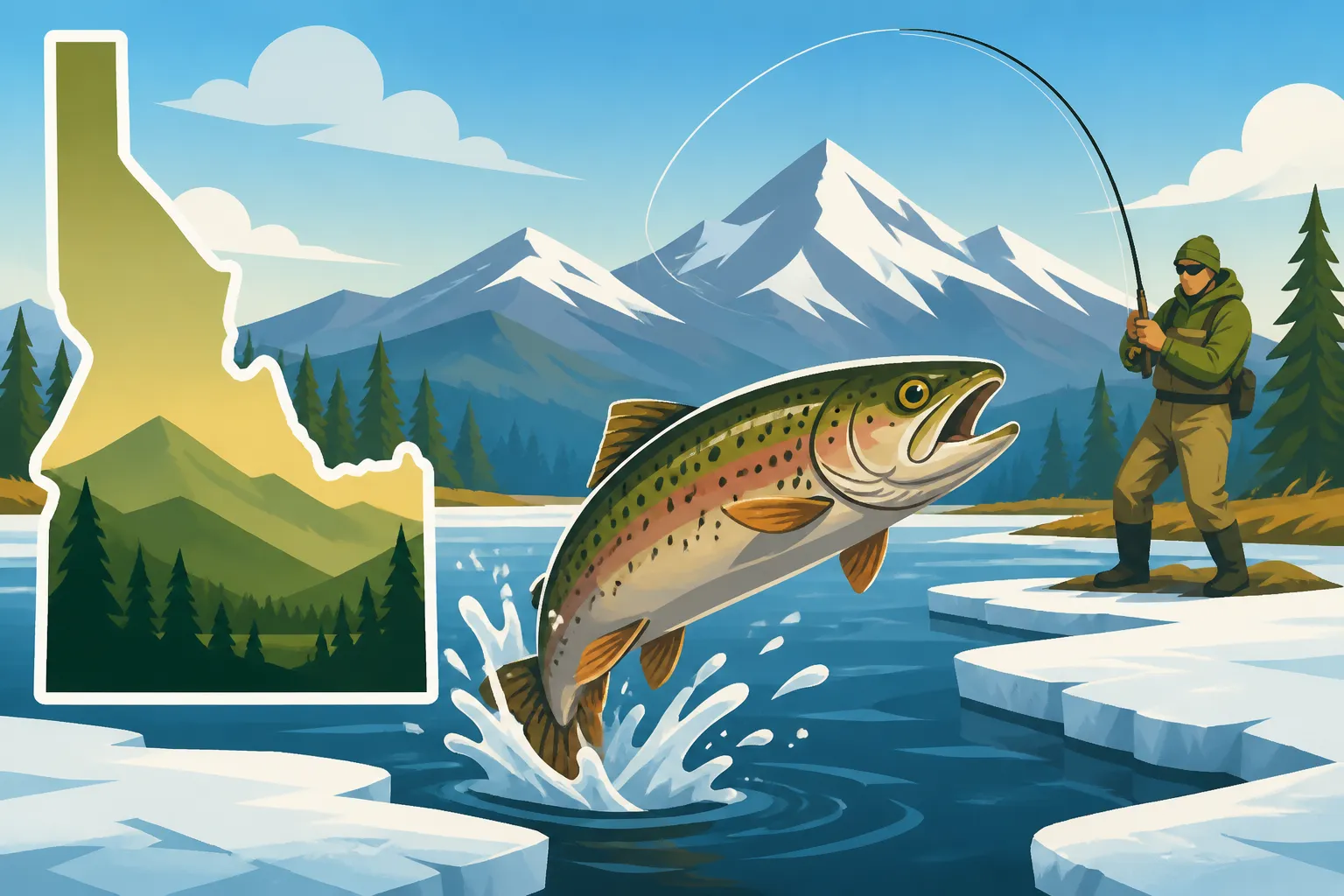
That feeling when the long, cold Idaho winter finally starts to loosen its grip, and you can practically hear the ice groaning on your favorite fishing lake – it's pure agony and anticipation, isn't it? After months of huddling indoors or navigating treacherous ice, the moment the open water re-emerges feels like a breath of fresh air for every angler. But knowing exactly how to capitalize on that brief, magical window right after ice-out can be tricky, and many folks miss out on some of the year's best fishing. This guide is here to help you understand the dynamics of ice-out, where to go, what to use, and how to stay safe to make the most of those first glorious casts.
Understanding Ice-Out Dynamics in Idaho
The transition from a solid sheet of ice to open water is a critical period for both the aquatic environment and the fish within it. It's not just a switch being flipped; it's a gradual, dynamic process that radically alters where fish feed and how they behave. Understanding these changes is key to becoming a successful early-season angler.
What "Ice-Out" Truly Means in Idaho
When we talk about "ice-out" in Idaho, we're not necessarily referring to the entire lake or reservoir being completely free of ice. Often, the best fishing opportunities arise in the days or weeks before the last vestiges of ice disappear. What's actually happening is a complex interplay of increasing sunlight, warmer air temperatures, and wind action. The ice might start to recede from shorelines, creating open "moats" of water where the sun can penetrate and warm the shallows. In larger bodies of water, coves, bays, and northern shorelines often open up first because they receive more direct sunlight or are sheltered from prevailing winds.
Rivers and smaller streams, of course, usually shed their ice much earlier than large, deep lakes. The current keeps them moving, preventing thick ice formation in many areas, and making them prime targets for early spring fishing. However, even on rivers, snowmelt can cause significant runoff, leading to high, turbid water, which is a different challenge altogether. True "ice-out" for a lake implies that most, if not all, of the main body of water is ice-free, allowing for boat access and more widespread fishing. This typically happens between late March and late April in lower elevation lakes, and well into May or even June for high mountain lakes in the Sawtooths or Bitterroots.
The Science Behind Early Season Fish Behavior
Fish are cold-blooded creatures, meaning their metabolism is directly tied to water temperature. After a long winter under the ice, where temperatures are often consistently cold and food sources might be scarce, fish are looking for two things during ice-out: warmth and food.
As the ice recedes, the sun's rays can finally hit the water directly, especially in the shallow areas. These shallow coves, bays, and points warm up faster than the deeper main body of the lake. This slight increase in temperature, even just a few degrees, can be a huge draw for fish like trout, perch, and bass, which are seeking to raise their body temperature and become more active.
Simultaneously, the warmer water in the shallows often triggers a burst of activity from insects, baitfish, and other forage. Plankton blooms can begin, attracting baitfish, which in turn attract larger predatory fish. This means the fish will often congregate in these newly warmed, food-rich shallow zones, making them highly accessible to anglers, especially those fishing from shore or in small boats. Their metabolism might still be a bit sluggish, meaning they aren't as aggressive as they'll be in summer, but they're hungry and seeking easy meals. This is why presentation, lure choice, and patience become absolutely critical during this unique window.
Where to Find the First Bites: Prime Idaho Ice-Out Locations
Finding the right spot is half the battle when you're hitting the water right after ice-out. Idaho offers an incredible variety of waters, and each one "opens up" at its own pace. Knowing which ones tend to shake off winter's chill first can give you a real advantage.
North Idaho's Early Opportunities
The panhandle of Idaho, with its myriad lakes and rivers, can be a fantastic place to chase those first open-water bites. Lakes like the southern portions of Lake Coeur d'Alene, especially around the city itself, and some of the smaller lakes in the Spokane-Coeur d'Alene corridor, often shed their ice relatively early, sometimes by late March or early April. These areas receive a good amount of early spring sun and have plenty of shallow bays that warm up quickly.
Target species here include rainbow trout, which are often actively cruising the newly thawed edges, and even some early kokanee salmon. Look for areas where feeder creeks enter the lake, as these can bring slightly warmer water and nutrients, attracting fish. Similarly, shallow points and bays with darker bottoms (mud or rock) will absorb more solar radiation and warm up faster. For those interested in Fishing Lake Coeur d'Alene for Kokanee and Chinook, early spring can offer unique opportunities before the summer boat traffic hits. Even Priest Lake, a deeper lake known for its trophy lake trout, will see its shallower bays open up, providing early access to species like northern pike and perch. Just remember that even as the ice melts, the water is still incredibly cold, so focus on slow presentations.
Central and Southern Idaho's Ice-Out Hotspots
As you move south, many of Idaho's reservoirs and rivers become the go-to spots for early ice-out action. The lower elevation reservoirs, such as Lucky Peak Reservoir near Boise, and C.J. Strike Reservoir further south, often see significant ice-out by mid-March to early April. These waters are well-known for their diverse fisheries, including rainbow trout, smallmouth bass, and crappie, all of which become active as the ice recedes.
The Snake River, being a large river system, rarely freezes completely, making it a year-round option, but specific eddies and slower sections might hold ice through winter. As these areas clear, the smallmouth bass will start to stir. You'll find prime opportunities on the Snake River for smallmouth bass and sturgeon, though sturgeon fishing is a commitment year-round. Similarly, the Boise River, right through the city, often provides excellent early-season trout fishing as soon as flows stabilize after spring runoff. Small impoundments and ponds managed by Idaho Fish and Game also thaw quickly and are often stocked with rainbow trout, offering easy access for families looking to get out after winter. Remember that Idaho Fishing Regulations Explained are crucial to check for specific waters, as special rules might apply to certain sections or species during these transitional periods.
Consider these potential early-season spots:
| Water Body | Primary Species | Typical Ice-Out Period | Key Feature for Early Fishing |
|---|---|---|---|
| Lake Coeur d'Alene (South) | Rainbow Trout, Kokanee | Late March – Mid-April | Shallow bays, creek mouths |
| Lucky Peak Reservoir | Rainbow Trout, Bass | Mid-March – Early April | Sheltered coves, dam outflow areas |
| C.J. Strike Reservoir | Bass, Crappie, Perch | Mid-March – Early April | Rocky points, structure in bays |
| Boise River (Lower Sections) | Rainbow Trout, Whitefish | Late February – March | Slower eddies, tailwaters |
| Local Stocked Ponds | Rainbow Trout | Early March – April | All areas, especially fresh stocking |
| Priest Lake (Shallow Bays) | Northern Pike, Perch | Mid-April – Early May | Northern-facing bays, weed lines |
Essential Gear and Techniques for Ice-Out Success
Fishing right after ice-out isn't like summer fishing. The water is still frigid, and fish are often sluggish, moving slowly and not expending much energy to chase food. This means your gear and techniques need to be specifically adapted to these cold-water conditions.
The Right Tackle for Cold Water Tactics
When the water is still cold, fish are generally less active, which means they won't chase a fast-moving lure. So, forget the aggressive power-fishing tactics for now. Instead, think finesse and sensitivity.
- Rods and Reels: Opt for lighter action rods (light to medium-light) with fast tips. This allows you to feel the subtle taps of a lethargic fish and offers better line control for slower presentations. A good spinning reel spooled with 4-6 lb test monofilament or fluorocarbon is ideal. Monofilament offers some stretch, which can be forgiving when a cold fish subtly takes the bait, while fluorocarbon is nearly invisible underwater and sinks, which can be an advantage when you want your lure to get down quickly without added weight. Many anglers enjoy the sensitivity of a good fluorocarbon leader.
- Line: Light line is crucial. Fish in clear, cold water can be incredibly line-shy. Four-pound test is often a good all-around choice for trout and smaller bass. If you're targeting larger fish like Idaho Lake Trout Fishing Guide candidates in deeper, clearing waters, you might step up to 6 or 8 lb test, but always aim for the lightest line you can get away with.
- Waders and Layering: Even if the air feels nice, the water is dangerously cold. A good pair of waders, preferably chest waders, is non-negotiable for wading near shore or launching a small craft. Layering your clothing underneath is key to staying warm and comfortable. Think moisture-wicking base layers, a fleece mid-layer, and a waterproof/windproof outer shell. For more tips on staying warm, check out our guide on How to Stay Warm Ice Fishing in North Idaho – many principles apply to cold-water open-water fishing too!
Best Baits and Lures for Post-Ice Conditions
This is where you really need to slow down and think like a fish whose metabolism is still crawling. The best baits and lures are those that present an easy, appealing meal.
- Soft Plastics and Jigs: Small soft plastic baits, especially those mimicking minnows, worms, or even tiny aquatic insects, can be deadly when fished on a light jig head. Think 1/32 to 1/8 ounce jig heads. The key is to fish them very slowly, often with long pauses and subtle twitches. Plastics like Berkley PowerBait grubs, Gulp! minnows, or small tube jigs in natural colors (white, black, brown, olive) are excellent choices.
- Small Spoons and Spinners: While not as slow as plastics, small spoons (like Kastmasters or Little Cleos) and inline spinners (like Mepps or Panther Martins) can be effective, especially if fish are slightly more active. Again, slow retrieves are paramount. Vary your retrieve speed and depth until you find what triggers a bite. The flash and vibration can be irresistible to hungry trout or perch. When choosing your Best Bait and Lures for Idaho Fishing for this time of year, always lean towards smaller sizes and natural colors.
- Live Bait: For many species, especially trout and perch, live bait is incredibly effective right after ice-out. Worms (nightcrawlers or red wigglers), salmon eggs, or even small minnows (where legal) can be fished under a bobber or on the bottom with minimal weight. The natural scent and subtle movement of live bait are hard for cold, sluggish fish to resist. Drifting a worm slowly through a newly opened channel or casting it to the edge of receding ice can be incredibly productive.
- PowerBait and Dough Baits: For stocked rainbow trout, PowerBait remains a tried-and-true method. Mold it onto a small treble hook or an egg hook, often fished off the bottom with a sliding sinker rig. The scent and floatation make it highly visible and appetizing to cruising trout. This is especially effective in smaller, regularly stocked ponds. For more details on species, you might want to read our comprehensive Idaho Rainbow Trout Fishing Guide.
When you’re looking for a guide to help you refine these techniques, or just want to find a great spot, don't forget resources like FishingBooker. They connect anglers with local experts who know the nuances of Idaho's waters during these critical times.
Safety First: Navigating Post-Winter Conditions
While the excitement of open water is palpable, the early spring conditions in Idaho can still be treacherous. Safety should always be your top priority. The weather can be unpredictable, and even "open water" can still hide dangers.
Ice Safety and Shoreline Considerations
Just because the lake looks open doesn't mean it's completely safe, especially around the edges. Large chunks of ice might still be floating, or unstable ice shelves can extend from shore. Never assume ice is safe to walk on, even if it looks thick. "Rotten ice" or honeycomb ice can look solid but have lost all its structural integrity.
- Watch Your Step: Shorelines, especially those that were previously covered in snow and ice, can be incredibly slick. Wet mud, decaying vegetation, and unstable banks are common. Wear appropriate footwear with good traction, and consider a wading staff if you plan to navigate uneven terrain near the water's edge.
- Hypothermia is a Real Threat: Water temperatures immediately after ice-out are often just above freezing. Accidental immersion can quickly lead to hypothermia, which is a medical emergency. Always wear a life jacket, even if you're just fishing from shore in a precarious spot. If you're in a boat, make sure everyone has a properly fitting life jacket on at all times. Boating alone in these conditions is extremely risky. Tell someone where you're going and when you expect to return.
- Check Conditions Regularly: Before you head out, check local weather forecasts and current water conditions. Many Idaho waters, particularly rivers, can experience significant fluctuations in flow and clarity due to spring runoff. The Idaho Fish and Game website and local tackle shops are excellent resources for up-to-date information.
Weather Wisdom for Early Spring Anglers
Idaho's early spring weather is notorious for its capriciousness. A sunny, warm morning can quickly turn into a snowy, windy afternoon. Being prepared for anything is not just a recommendation; it's a necessity.
- Dress in Layers (and bring extras): As mentioned earlier, layering is vital. But also, bring extra layers. If you get wet from spray, rain, or an accidental slip, having dry clothes to change into can prevent discomfort and hypothermia. Waterproof outer layers are a must.
- Watch the Wind: Wind can make already cold conditions feel exponentially colder, especially on open water. It can also create dangerous waves on larger lakes. Always check wind forecasts before launching a boat. If conditions deteriorate, err on the side of caution and head for shore.
- Sun Protection: Don't let the cold air fool you; the spring sun can still deliver a powerful punch. UV rays reflect off water, increasing your exposure. Wear sunglasses to protect your eyes, a wide-brimmed hat, and use sunscreen, even on cloudy days.
- Know When to Call It: There's no shame in turning back if the weather turns nasty. Your safety and well-being are far more important than catching a few fish. Idaho will still be here, offering incredible fishing opportunities throughout the Idaho Fishing Season Calendar.
Remember to check the Idaho Fishing License Guide to ensure you have all the necessary permits before you head out. Whether you’re fishing for the day or planning a longer trip, FishingBooker can help you find local guides who are experts in navigating these early season conditions safely and effectively. They can also often advise on specific permits like the Idaho Salmon and Steelhead Permit if you're targeting those species. Always be aware of the Idaho Daily Bag Limit for Trout on Most Waters and other species-specific regulations to ensure you're fishing legally and sustainably.
Conclusion
The first whisper of open water after a long Idaho winter is a call that few dedicated anglers can resist. Fishing right after ice-out offers a unique challenge and some of the most rewarding experiences of the year. By understanding where the fish are concentrating, adapting your techniques to cold water, and prioritizing safety above all else, you can turn those post-winter blues into brilliant fishing memories. It's a time of renewed hope and fresh possibilities on the water, and with a little preparation and respect for the conditions, you'll be well on your way to a successful start to your Idaho fishing season.
Disclaimer
Please note that fishing conditions, regulations, and ice safety can change rapidly. Always consult the official Idaho Fish and Game website for the most current regulations, stocking reports, and advisories before planning your trip. Exercise extreme caution on and around melting ice and cold water.