Fishing American Falls Reservoir for Trout and Perch
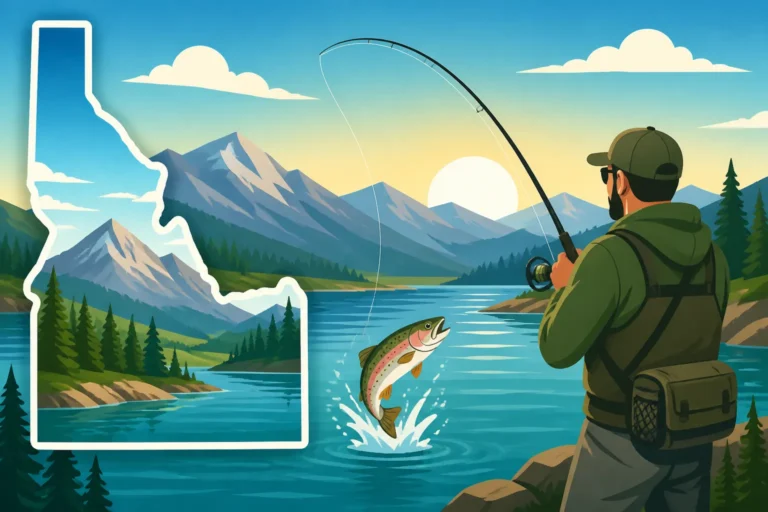
For anglers hoping to fish American Falls Reservoir, it can sometimes feel a bit overwhelming trying to figure out where to start. This massive body of water, formed by the Snake River, holds incredible potential for both delicious trout and prolific perch, but knowing the nuances of its diverse habitats and seasonal patterns is key to a successful outing. This guide aims to demystify fishing American Falls, offering practical advice and specific techniques to help you consistently land fish, whether you're chasing a trophy trout or filling a bucket with tasty perch.
Understanding American Falls Reservoir: The Fishery
American Falls Reservoir isn't just a big pond; it's a dynamic ecosystem that shifts with the seasons, water levels, and even the time of day. Sitting on the Snake River plain, this reservoir is a vital component of Idaho's agricultural and recreational landscape, and understanding its basic characteristics is the first step to becoming a successful angler here. You can't just throw a line in anywhere and expect results; knowing the lay of the land, or rather, the lay of the water, makes all the difference.
Geographical Overview and Characteristics
Stretching over 55,000 acres at full pool, American Falls Reservoir is one of Idaho's largest reservoirs, offering an immense amount of fishable water. It's relatively shallow compared to some of the deep, canyon-bound lakes, with an average depth of around 20-30 feet, though certain channels and the original Snake River bed can be much deeper. This shallower nature means water temperatures can fluctuate more dramatically with the seasons, influencing fish behavior and where they hold. The bottom is a mix of silt, mud, and gravel, with varying amounts of submerged vegetation, especially in the shallower bays and coves. The inflow from the Snake River brings nutrients and creates current, especially near the dam, which concentrates baitfish and, in turn, predatory game fish.
The reservoir’s broad, open expanses can be challenging on windy days, making boat control and casting a real workout. However, these same open waters also provide vast hunting grounds for cruising trout and large schools of perch. During periods of drawdown, which can be significant, the reservoir's shoreline changes dramatically, exposing mud flats and altering access points. Always check current water levels before planning a trip, as what was a prime shore fishing spot one week might be high and dry the next. Knowing these shifts can save you a lot of frustration and redirect your efforts to more productive areas.
Key Fish Species and Their Habits
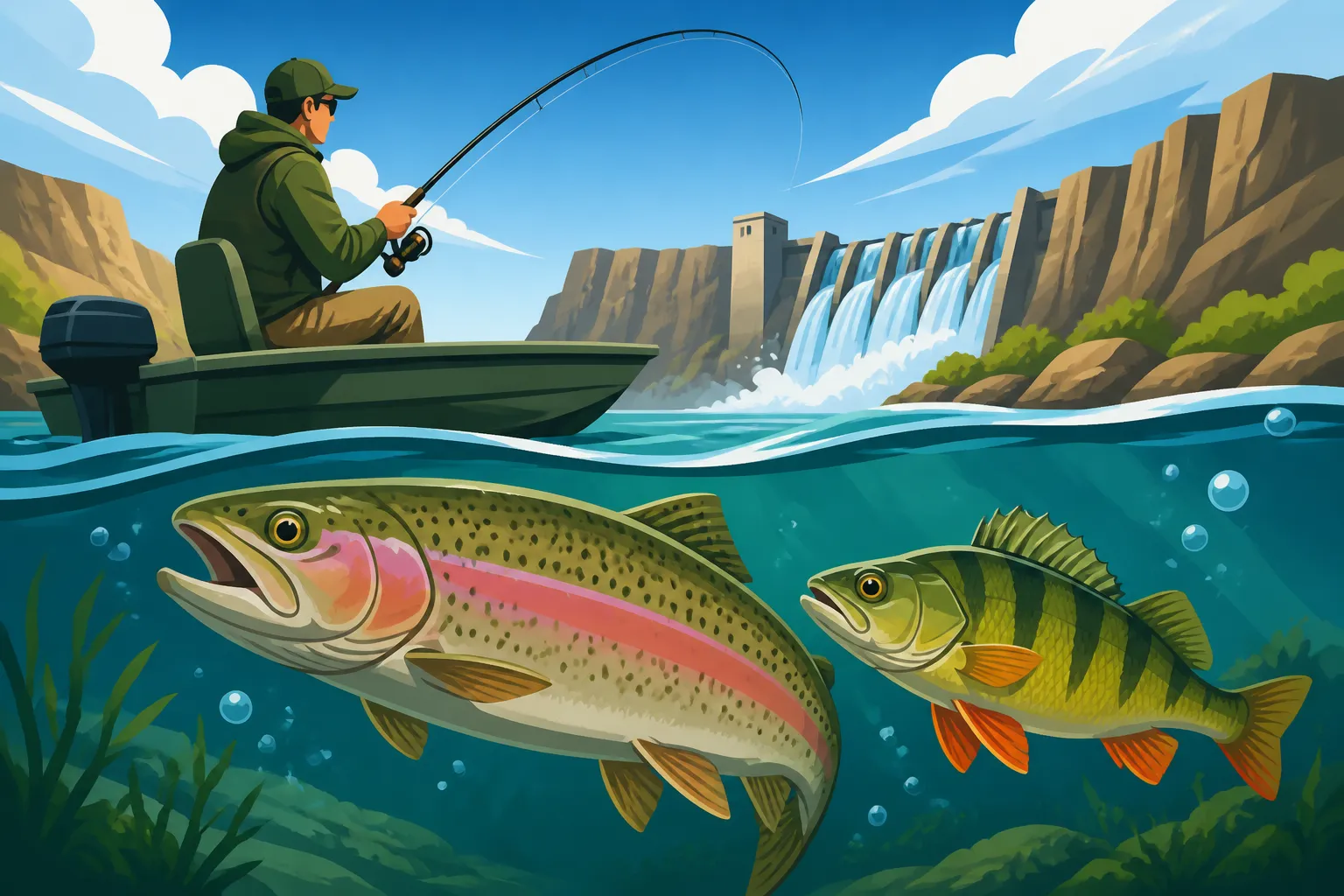
American Falls Reservoir is primarily known for its excellent fishing for rainbow trout and yellow perch, though you might also encounter brown trout, cutthroat trout, and various warm-water species like smallmouth bass and crappie in certain areas. Rainbow trout are the bread and butter of the reservoir's trophy potential, frequently stocked by the Idaho Department of Fish and Game. These stocked trout grow quickly on the reservoir's abundant food sources, often reaching impressive sizes. They are typically found throughout the main body of the reservoir, cruising open water in search of baitfish like kokanee, or near submerged structures and drop-offs.
Yellow perch, on the other hand, are prolific and highly sought after for their delicious table fare. They are schooling fish, meaning if you find one, you’re likely to find many. Perch tend to congregate around structure, whether that's submerged brush, weed beds, rocky points, or old river channels. Their movements are often dictated by water temperature and the availability of smaller invertebrates and baitfish. During the colder months, they might be found deeper, while in spring and summer, they move shallower to feed and spawn. Understanding these basic patterns is critical, as a spot that's hot for trout might be completely devoid of perch, and vice-versa. You'll definitely want to check the latest Idaho Fish Stocking Reports Explained to see when and where trout have been planted, which can significantly influence their distribution.
Targeting Trout in American Falls Reservoir
Fishing for trout in American Falls Reservoir can be incredibly rewarding, with anglers regularly pulling out chunky rainbows. But these fish aren't always easy to fool, especially the larger, more experienced ones. It takes a combination of knowing their preferred habitats, understanding their feeding patterns, and employing the right techniques and presentations. Don't be discouraged if you don't immediately hook into a monster; patience and persistence are key here.
Rainbow Trout Strategies
Rainbow trout in American Falls thrive on the abundant forage, and they are often found cruising the open waters as well as patrolling near structure. Trolling is arguably the most popular and effective method for targeting these fish, especially from a boat. Anglers will typically run a variety of lures behind their boat, at different depths, until they hit on a pattern. Popular choices include Rapala-style crankbaits, Kastmaster spoons, or wedding ring spinners tipped with a piece of worm or corn. Using a downrigger or lead core line can help you consistently present your lure at the depth where trout are actively feeding, which might be anywhere from 10 to 40 feet depending on the season and time of day. Focus your trolling passes over drop-offs, along the old river channel, or near major points where baitfish might congregate.
Shore anglers also have good success, especially during spring and fall when trout are often shallower. Casting spoons like Thomas Buoyants or small Panther Martin spinners can be very effective, particularly around public access points like the American Falls Dam area or Massacre Rocks State Park. Bait fishing from shore with powerbait, marshmallows, or worms suspended off the bottom with a sliding sinker rig can also yield excellent results. Early morning and late evening are prime times for shore fishing, as trout move closer to the banks under lower light conditions. Be sure to understand the Idaho Daily Bag Limit for Trout on Most Waters before you head out.
Cutthroat Trout Tactics
While rainbow trout dominate the catches, American Falls Reservoir also holds populations of cutthroat trout, though they are less numerous and can be a bit more elusive. These native trout often prefer slightly cooler, more oxygenated water and might be found closer to the Snake River inflow areas or deeper in the main channel. They tend to be a bit more cautious than their rainbow cousins and will often strike at more subtle presentations. If you're specifically targeting cutthroats, scaling down your tackle and presenting natural baits or smaller, more realistic lures can increase your chances.
Fly fishing can be a very effective method for cutthroat, particularly when targeting them near river inlets or during insect hatches. Streamers mimicking baitfish, nymphs representing aquatic insects, or dry flies during surface activity can all entice a bite. For spin anglers, small spoons or subtle jerkbaits that mimic a crippled baitfish are good choices. Focusing on areas where there's a good mix of current and structure, rather than purely open water, will also improve your odds. Many anglers looking for this species often find it helpful to consult local guide services listed on platforms like FishingBooker, as their expertise can pinpoint specific locations and prime times for cutthroat.
Pursuing Perch in American Falls Reservoir
If you’re looking for action and some truly delicious fillets, then yellow perch fishing at American Falls Reservoir is where it’s at. These feisty panfish are abundant, relatively easy to catch, and can provide non-stop fun for anglers of all skill levels, including families with kids. The challenge isn't necessarily catching perch, but rather finding the schools and staying on them once you do.
Finding Perch Hotspots
Perch are notorious for schooling up, and their locations are often tied to submerged structure and food sources. In American Falls, this means focusing your efforts around weed beds, rocky drop-offs, old creek channels, and any timber or brush that might be submerged. During the warmer months, you'll often find them in shallower bays and coves with abundant vegetation, where they feed on insects, crustaceans, and small minnows. As the water cools in the fall and winter, perch tend to move to deeper breaks and humps, often concentrating in large schools.
A good fish finder is an invaluable tool for locating perch schools, especially when fishing from a boat. Look for tight clusters of fish near the bottom or suspended over structure. If you’re shore fishing, target areas with known submerged cover or rocky transitions, such as points or riprap along the causeways. Don't be afraid to move around until you find them; perch fishing is often a game of hide-and-seek. Once you catch one, anchor up or mark your spot, because where there's one perch, there are usually many more. Remember to check the Idaho Daily Bag Limit for Yellow Perch before you start filling your cooler.
Effective Perch Lures and Baits
Perch aren't overly picky eaters, which is great news for anglers. However, certain baits and lures are consistently more effective than others. Small jigs, typically 1/16 to 1/8 ounce, tipped with a piece of worm, a mealworm, or a small soft plastic grub, are absolute perch magnets. Bright colors like chartreuse, orange, and white often work well, especially in stained water. Vertical jigging these baits directly under the boat or casting them out and slowly retrieving them along the bottom are prime tactics. When they're really on the bite, sometimes even a bare jig will get hit!
Another highly effective method is using a small spoon, like an ice fishing jigging spoon, or a Swedish Pimple. These lures have a fluttering action that can attract perch from a distance. Tipping them with a small piece of bait can enhance their appeal even further. For those who prefer bait fishing, a simple worm or minnow fished under a bobber in shallower water, or on a slip-sinker rig near the bottom in deeper areas, will often produce. During ice fishing season, small tungsten jigs with wax worms or plastics are deadly. Consider checking out the Best Bait and Lures for Idaho Fishing to get more ideas for your tackle box.
Essential Gear and Techniques for American Falls
Having the right gear and knowing how to use it can significantly improve your success rate on American Falls Reservoir. While you don't need the most expensive equipment to catch fish, having reliable tools that are suited to the conditions and target species will make your experience much more enjoyable and productive. From rods and reels to the specific ways you present your bait, every detail can matter.
Rod, Reel, and Line Recommendations
For trout fishing, especially if you're trolling, a medium-light to medium action spinning rod, around 6 to 7 feet in length, paired with a 2500 or 3000 series spinning reel, is a versatile setup. This combination offers enough backbone to handle larger trout but retains sensitivity for detecting subtle bites. Spool your reel with 6-8 pound monofilament or fluorocarbon line, or consider a braided line in the 10-15 pound range with a fluorocarbon leader for increased sensitivity and strength. For trolling specifically, some anglers prefer a moderate action trolling rod that can absorb the shock of a big fish striking at speed.
When targeting perch, lighter tackle is generally more appropriate. A light or ultra-light spinning rod, 5 to 6 feet long, combined with a 1000 or 2000 series reel, is perfect. This setup makes even a small perch feel like a trophy and is sensitive enough to detect their often subtle bites. Use 2-4 pound monofilament or fluorocarbon line; anything heavier can hinder the action of small jigs and make your presentation less natural. A lighter line is also less visible to these sharp-eyed panfish. For those interested in a wider range of techniques, the Idaho Fishing Gear Guide by Season offers comprehensive advice.
Popular Fishing Methods and Rigs
Beyond trolling and jigging, several other methods consistently produce fish at American Falls. For trout from shore, a slip-sinker rig is a go-to. This involves a sliding sinker above a swivel, with a 12-24 inch leader tied to a hook. This allows the fish to pick up the bait without feeling the weight of the sinker. Using floating baits like PowerBait or Power Eggs will lift your offering off the bottom, making it more visible and keeping it out of the muck.
For perch, a "drop-shot" rig can be incredibly effective, especially when they are holding tight to the bottom or suspended in tight schools. This rig involves tying a hook directly to the main line, with a weight tied to the tag end of the line below the hook. This allows you to present a small bait or lure at a precise depth just off the bottom. Alternatively, a simple jig-and-bobber setup works wonders for perch in shallower, weedy areas. Cast it out, let it sit, and watch for that bobber to dive! For more specialized approaches, you can always consult an expert or local guide found through services like FishingBooker, who often have specific insights into the most productive current methods.
Best Times and Access Points for Fishing American Falls
Timing and location are crucial factors in any successful fishing trip, and American Falls Reservoir is no exception. Knowing when the fish are most active and where you can easily get to them can make the difference between a frustrating day and a memorable one. The reservoir offers a variety of access points, from developed boat ramps to more rustic shoreline spots, each with its own advantages.
Seasonal Fishing Calendar
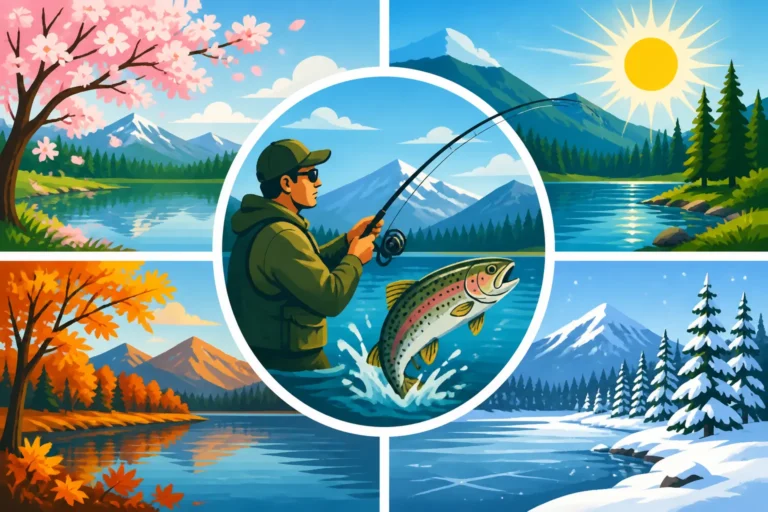
American Falls Reservoir offers good fishing opportunities throughout the year, but the bite varies significantly with the seasons.
- Spring (March-May): This is often a prime time for both trout and perch. As ice-out occurs, trout become very active, feeding heavily in shallower waters. Shore fishing can be excellent during this period. Perch also move shallower to spawn and feed, making them easier to locate. The water temperatures are rising, stimulating fish metabolism.
- Summer (June-August): Trout tend to move to deeper, cooler waters during the heat of summer. Trolling with downriggers or lead core line becomes critical to reach them. Perch can still be found in shallower, weedy areas in the mornings and evenings, but often retreat to deeper structure during the midday heat. Early morning and late evening fishing is often most productive.
- Fall (September-November): Many anglers consider fall to be one of the best times to fish American Falls. Trout become highly aggressive as water temperatures cool, feeding voraciously in preparation for winter. Trolling and casting spoons are very effective. Perch also school up tightly and can provide fast action, especially on transition breaks to deeper water.
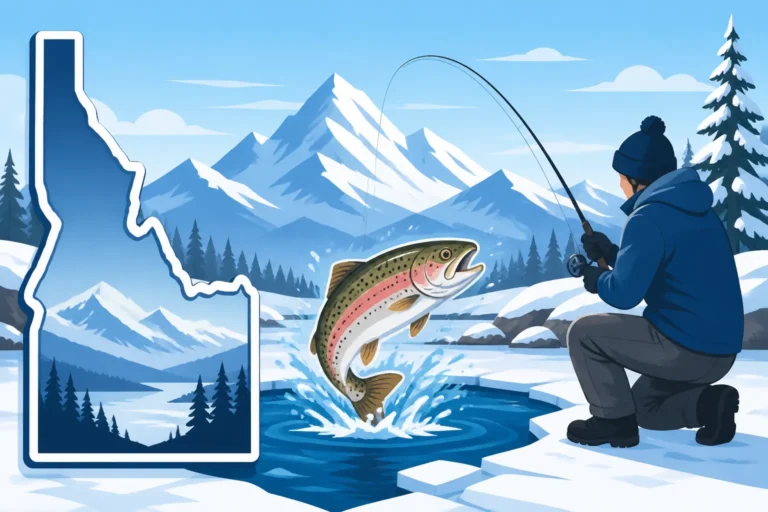
- Winter (December-February): Ice fishing is a popular activity on American Falls Reservoir, provided safe ice conditions prevail. Perch are the main target through the ice, often found concentrated in large schools over deeper humps and channels. Trout can also be caught through the ice, though less frequently. Always prioritize safety and check ice thickness before venturing out.
For a broader understanding of the yearly cycle, refer to the Idaho Fishing Season Dates and Limits.
Boat Ramps and Shoreline Access
American Falls Reservoir boasts several public access points that cater to different types of anglers. The most prominent is the American Falls Dam Recreation Area, which offers multiple boat ramps, ample parking, and excellent shoreline access near the town of American Falls. This area is a perennial favorite for both boat and shore anglers due to its easy access and proximity to the deeper river channel. There are designated camping areas here too, making it a great base for a multi-day trip.
Further downstream, Massacre Rocks State Park provides another fantastic option. While perhaps better known for its historical significance and hiking, the park also offers good fishing access, particularly for shore anglers targeting trout and smallmouth bass. There are specific pull-offs and trails leading to the water's edge. Other informal access points exist around the reservoir, especially along the numerous county roads that skirt the reservoir’s edges. However, be mindful of private property signs and always respect landowners. For those seeking more detailed information about public access, especially for varied species, checking out services like FishingBooker can sometimes reveal lesser-known, yet productive, spots as shared by local guides.
Navigating Regulations and Conservation
Fishing in Idaho comes with a responsibility to understand and abide by the rules. Regulations are in place to ensure sustainable fish populations and to protect the delicate ecosystems that support them. Ignorance of the rules is not an excuse, and violations can lead to fines, loss of fishing privileges, and even confiscation of gear. Taking the time to familiarize yourself with the current regulations is an essential part of being a responsible angler.
Important Rules to Remember
First and foremost, every angler 14 years of age and older needs an Idaho fishing license. There are different types of licenses available, including resident, nonresident, annual, and daily options. You can find all the details you need in our comprehensive Idaho Fishing License Guide or for specific costs, check out the Idaho Resident Fishing License Cost or Idaho Nonresident Fishing License Cost. Always carry your license with you while fishing.
Beyond licensing, American Falls Reservoir has specific rules regarding catch limits (bag limits and possession limits), length limits, and sometimes even tackle restrictions. For trout, there's usually a general statewide limit, but special regulations can apply to specific waters, so always verify the current year's Idaho Fishing Regulations brochure. For yellow perch, the limits are typically quite generous given their abundance, but it's crucial to know the precise numbers. For a general overview, you can refer to Idaho Fishing Regulations Explained. These regulations can change annually, so always make sure you have the most up-to-date information before you head out.
Practicing Responsible Angling
Conservation is everyone's responsibility. This means more than just following the rules; it's about making conscious choices to protect the fishery for future generations. If you're practicing catch and release, especially for larger trout, handle the fish as little as possible. Use wet hands to avoid removing their protective slime coat, and try to keep them in the water during release. De-hooking tools can minimize handling time. Avoid stressing the fish more than necessary, particularly during warmer months when oxygen levels might be lower.
Also, be mindful of your impact on the environment around the reservoir. Pack out all your trash, including discarded fishing line, which can be deadly to wildlife. Respect other anglers and users of the reservoir, and be aware of your wake if you're boating. Maintaining clean boating practices helps prevent the spread of invasive species, which can severely damage local ecosystems. Finally, consider contributing to conservation efforts, either through purchasing fishing licenses and permits or supporting local fishing organizations. Every little bit helps ensure that American Falls Reservoir remains a fantastic fishing destination for years to come.
| Species | Best Seasons | Primary Methods | Recommended Lures/Bait | Typical Habitat |
|---|---|---|---|---|
| Rainbow Trout | Spring, Fall, Summer (deep) | Trolling, Casting, Bait Fishing | Crankbaits (Rapala), Spoons (Kastmaster), PowerBait, Worms, Spinners (Wedding Ring) | Open water, drop-offs, old river channel, near dam |
| Yellow Perch | Spring, Fall, Winter (ice), Summer (early/late) | Jigging, Bait Fishing (bobber), Drop-shot | Small Jigs (1/16-1/8 oz), Worms, Minnows, Mealworms, Swedish Pimple | Weed beds, submerged brush, rocky points, deep humps, old creek channels |
| Cutthroat Trout | Spring, Fall, Summer (deep) | Fly Fishing, Trolling, Casting (subtle) | Small Streamers, Nymphs, Dry Flies, Small Spoons, Jerkbaits | Near river inlets, deeper main channel, cooler water areas |
Disclaimer
The information provided in this guide is for general informational purposes only and is subject to change. Fishing regulations, conditions, and fish behavior can vary significantly. Always consult the most current Idaho Fish and Game regulations and local advisories before planning your fishing trip to American Falls Reservoir. Fishing involves inherent risks; please exercise caution and prioritize safety on the water.