Best Coves on Palisades Reservoir
Standing on the shores of Palisades Reservoir, staring out at its massive expanse, can be truly breathtaking – but also a little intimidating for an angler. With over 79 miles of shoreline and numerous arms stretching into the Wyoming and Idaho wilderness, figuring out where to even drop a line, let alone find the "best" coves, feels like trying to find a needle in a very scenic haystack. This guide is here to cut through that overwhelm, helping you pinpoint the most productive and enjoyable coves on Palisades so you can spend less time guessing and more time catching.
Decoding Palisades Reservoir: Understanding Its Waters and Wildlife
Before we dive into specific coves, it’s really helpful to get a feel for Palisades itself. This isn't just any lake; it's a huge, dynamic body of water with characteristics that dictate where fish live and when they bite. Understanding its basic layout and primary inhabitants will give you a significant leg up, turning that intimidating expanse into a series of promising fishing zones.
The Vastness and Variability of Palisades
Palisades Reservoir, created by the damming of the Snake River, is a truly immense water body, covering over 16,000 acres at full pool. This sheer size means it's not a place you can just "wing it" and expect immediate success everywhere. It features numerous large arms like the Snake River arm, the Palisades Creek arm, and the Conant Creek arm, each offering slightly different environments. The frustration often comes from trying to cover too much water, feeling like you’re just casting blindly into the blue.
What makes Palisades even more variable is its fluctuating water levels, especially later in the season when irrigation demands draw the lake down. This can dramatically change shoreline access, submerge or expose structures, and shift fish patterns. A cove that was a hot spot in June might be completely different by August, with fish pushed into deeper channels or congregating around new cover. It pays to check current conditions with Idaho Fish and Game or local bait shops before heading out, saving you the headache of arriving at a favorite spot only to find it high and dry.
Key Fish Species to Target in Palisades
Palisades Reservoir is a diverse fishery, but a few species truly dominate and offer consistent action. Most anglers are primarily chasing trout and perch, and understanding their preferences will directly impact which coves you should target.
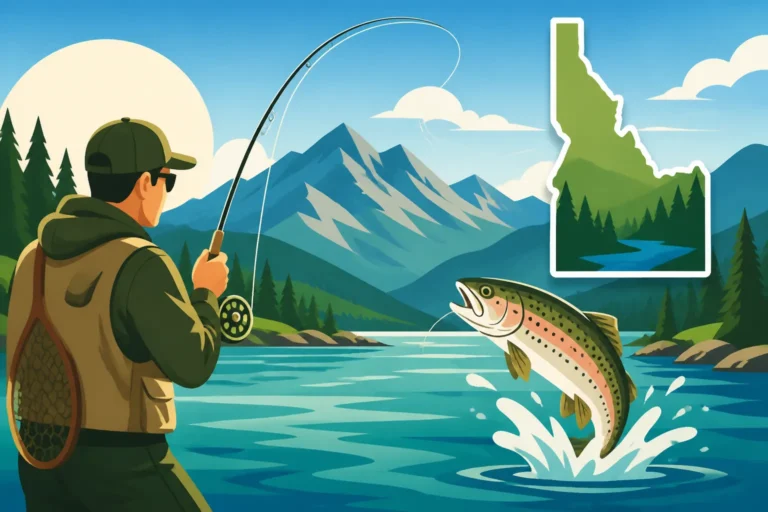
You'll find a healthy population of Yellowstone Cutthroat Trout, Rainbow Trout, and some Brown Trout in Palisades. The cutthroat are often native or wild-spawned within the system, making them a prized catch, especially in the upper arms of the reservoir where tributary streams provide excellent spawning habitat. Rainbow trout are frequently stocked, providing a robust fishery, especially in areas with good forage. Brown trout, while less common, can grow to impressive sizes and are often found lurking near submerged structure or rocky points, always a welcome surprise for those who target them. These trout species tend to prefer cooler, oxygenated water, which often means they'll be deeper in the summer or closer to inflowing creeks.
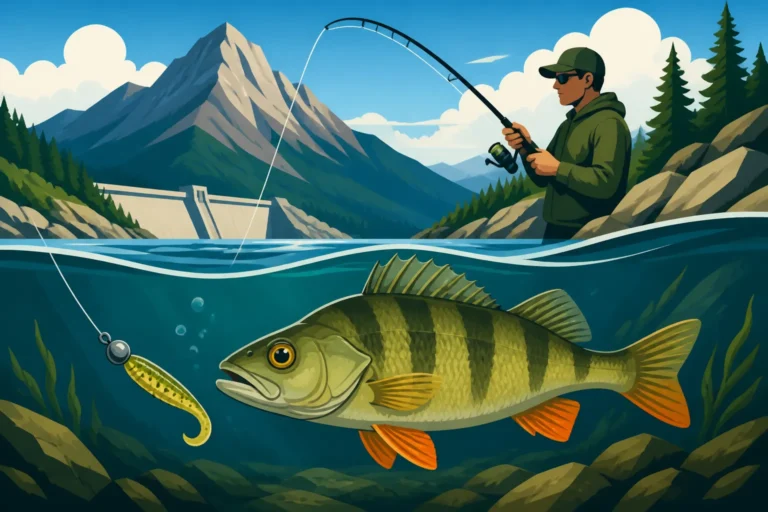
Beyond the trout, Yellow Perch are an absolute staple and a fantastic option for family fishing or when the trout bite is slow. These feisty panfish are abundant throughout the reservoir, particularly in areas with weed beds, submerged timber, or rocky bottoms where they can hide and ambush smaller prey. They’re relatively easy to catch, put up a fun fight, and are absolutely delicious on the dinner table. If you're looking for consistent action, especially for younger anglers, focusing on perch-rich coves can turn a slow day into a memorable one.
Prime Coves for Consistent Angling Success
Alright, let's get down to the brass tacks: where are you actually going to cast your line and have a good chance of hooking up? When people talk about the "best" coves on Palisades, they're usually thinking about places that consistently produce fish and offer decent access. These are the workhorses of the reservoir, good bets no matter if you're a seasoned pro or just getting your feet wet.
Targeting Trout in Accessible Coves
When it comes to trout, many of Palisades’ more accessible coves offer fantastic opportunities, particularly during the cooler months of spring and fall, or early mornings and late evenings in summer. The key is often finding areas where deeper water is relatively close to shore or where an inflowing creek creates a natural current and food source.
One of the most popular and productive areas is Conant Creek. This expansive arm of the reservoir offers numerous coves and bays, and the creek itself feeds directly into it, bringing nutrients and attracting baitfish. Many anglers find success trolling with Rapalas or spoons in the main channel of the Conant Creek arm, but don't overlook the smaller coves and points within this area. Casting from shore or a small boat into the calmer water of these coves, especially where there's some submerged timber or rocky structure, can yield excellent results for rainbow and cutthroat trout. Look for areas where the creek forms a delta, as these shallower, nutrient-rich spots are often feeding grounds. For those looking to refine their skills, knowing Idaho Trolling Techniques Guide can really make a difference here.
Another excellent area is around Palisades Creek, particularly the coves near the campground and boat ramp. These areas benefit from consistent stocking and are easily accessible, making them popular for both boat and shore anglers. The coves here often have a mix of rocky and gravel bottoms, providing good habitat for trout. Early morning casts with spinners like Mepps or Panther Martins, or drifting PowerBait or worms under a bobber, can be incredibly effective. The convenience of access here, coupled with a healthy trout population, makes it a reliable choice when you want to maximize your fishing time without venturing too far. If you're looking for more details on what to throw, check out the Best Bait and Lures for Idaho Fishing guide.
Finding Perch and Other Panfish Hotspots
If constant action and a tasty meal are your goals, then focusing on yellow perch is the way to go, and Palisades has some incredible coves for them. Perch often prefer shallower, warmer waters with plenty of cover, making them a great target for both boat and shore anglers.
The coves near the Palisades Dam often hold significant populations of perch. The dam area itself can have current, but the protected coves immediately adjacent tend to be calmer, collecting debris and growing submerged vegetation – perfect perch habitat. Jigging with small spoons, soft plastics, or even a simple worm on a hook near these structures can lead to non-stop action. These spots are particularly good later in the season when the water warms up, and perch become very active. You'll often find families and beginners having a blast here, reeling in perch after perch. It’s a real confidence booster for anyone new to Idaho Yellow Perch Fishing.
Further up the reservoir, the shallower bays and coves on the eastern side, particularly those with gradual slopes and mud or sand bottoms, are also prime perch territory. Areas like Squaw Creek or some of the smaller, unnamed coves between the main arms, especially those with some brush or rocks, can be fantastic. These coves tend to warm up quickly in the spring, signaling the start of the perch bite. Don’t be afraid to move around a bit within these larger coves until you find a school; once you do, you’re in for a treat. A medium-light spinning rod with 4-6 lb test line is usually all you need to have a great time.
| Cove/Area | Primary Target Species | Best Access Type | General Fishing Technique | Best Season | Notes |
|---|---|---|---|---|---|
| Conant Creek Arm (various coves) | Rainbow Trout, Cutthroat Trout, Perch | Boat, Shore | Trolling, Casting Spinners/Lures, Bait Fishing | Spring, Fall, Summer (early/late) | Numerous smaller coves, good for exploring. |
| Palisades Creek (campground coves) | Rainbow Trout, Cutthroat Trout | Shore, Small Boat | Bait Fishing, Casting Spinners | Spring, Summer, Fall | High accessibility, often stocked. |
| Dam Area Coves | Yellow Perch | Shore, Boat | Jigging, Bait Fishing | Summer, Early Fall | Great for consistent action, family-friendly. |
| Squaw Creek Coves | Yellow Perch, Rainbow Trout | Boat, Shore | Bait Fishing, Small Lures | Spring, Summer | Shallower, warmer water, good for panfish. |
| Snake River Arm (upper coves) | Cutthroat Trout, Brown Trout | Boat, Shore (remote) | Fly Fishing, Casting Spinners | Spring, Fall | More remote, less pressured, often clear water. |
Exploring Remote and Specialized Coves on Palisades
While the more popular coves offer consistent action, Palisades Reservoir also harbors hidden gems for those willing to put in a little extra effort. Whether you're seeking solitude, challenging fly-fishing opportunities, or a shot at a larger, more elusive trout, the reservoir’s more remote or deeper coves can deliver a truly rewarding experience.
Secluded Coves for Fly Fishing and Solitude
For fly anglers, or anyone simply craving peace and quiet away from the crowds, Palisades offers a bounty of secluded coves, particularly up the various arms. These spots are often less pressured and can offer exceptional opportunities for Idaho Cutthroat Trout Fishing Guide and rainbow trout, especially during prime hatch times.
Head further up the Snake River Arm or the Palisades Creek Arm into the more remote sections. As you move away from the main body of the reservoir, the landscape often transitions to steeper canyon walls and clearer water, sometimes with less boat traffic. The smaller coves and inlets here are perfect for a drift boat or kayak, allowing you to quietly approach rising fish. Look for seams and current breaks where feeder streams enter, or where submerged logs provide cover. Dry fly fishing can be phenomenal during caddis and mayfly hatches in late spring and early summer, but nymphing is often productive year-round. These remote coves require a bit more navigation, and knowing your way around a mapping app or a good old-fashioned paper map is key. Often, these are the kinds of spots that fishing guides listed on platforms like FishingBooker might know intimately.
The beauty of these secluded coves isn't just the fishing; it's the entire experience. Imagine casting a perfect fly presentation into a glassy cove, surrounded only by the sounds of nature, with the dramatic Teton Range in the distance. These are the moments that make an Idaho fishing trip truly unforgettable. You might have to hike a bit from a remote launch point or navigate some tricky waters, but the reward of unpressured fish and serene surroundings is well worth the effort. Just remember to pack everything you need, as you'll be a fair distance from any services.
Deepwater Coves for Mackinaw and Larger Trout
While not as renowned for lake trout (Mackinaw) as, say, Priest Lake, Palisades Reservoir does hold some truly massive trout, including larger rainbows and brown trout that often prefer the cooler, deeper reaches of the reservoir. Targeting these fish often means venturing into coves with significant depth and structure.
Look for coves with steep drop-offs or underwater humps, especially those near the main channel of the old Snake River bed. These are often found closer to the dam, or where the arms transition into the main reservoir. These deepwater environments are where larger predatory trout will hang out, ambushing smaller kokanee (if present) or perch. This isn’t a numbers game; it’s about targeting trophy fish. Techniques involve deep trolling with large crankbaits or spoons, or vertically jigging heavy spoons or soft plastics. Your fish finder becomes your best friend here, helping you locate structure and bait balls in the abyss. For a deep dive into catching big rainbows, consulting an Idaho Rainbow Trout Fishing Guide can provide invaluable insights.
Coves around the lower Snake River arm and the main lake body, particularly those with rockslides or rocky points that plunge directly into deep water, are prime candidates. For example, some of the steeper coves south of the dam, towards Alpine, can hold some real monsters. You'll need heavier gear than your typical trout setup – think medium-heavy rods, robust reels, and lines in the 10-20 lb range, especially if you're pulling large diving plugs or heavy jigs. It's a different kind of fishing, often requiring patience and specialized equipment, but the potential payoff of hooking into a truly giant trout is what keeps dedicated anglers coming back to these deep, dark places.
Essential Practicalities for Fishing Palisades Reservoir Coves
Having a list of promising coves is a great start, but getting to them, knowing what to bring, and understanding how the seasons impact the bite are equally crucial. Palisades Reservoir is a big place, and being prepared will make your trip much more enjoyable and successful, whether you're planning a quick day trip or a multi-day adventure.
Navigating Palisades: Boat Ramps and Access Points
Given its size, navigating Palisades Reservoir requires a good understanding of its various boat ramps and access points. Shore fishing is possible in many areas, but to truly explore the best coves, a boat is often essential.
The primary access points are generally found along Highway 26 and Highway 31. On the Idaho side, Palisades Creek Campground & Boat Ramp is a very popular spot, offering easy access to the central part of the reservoir and the aforementioned Palisades Creek coves. It's well-maintained and provides a good launch for various boat sizes. Further north, the Conant Creek Boat Ramp provides access to the extensive Conant Creek arm, a prime area for trout. On the Wyoming side, near Alpine, you’ll find several public access points and ramps that open up the lower end of the reservoir, including areas near the dam. However, remember that access points can be affected by water levels, particularly in late summer. Always check the current conditions before you go, especially if you're planning to launch a larger boat.
For those without a boat, many coves still offer excellent shore fishing. Areas around the Palisades Creek Campground, along the banks near the dam, and certain sections of the Snake River arm have decent public access. Pack light, wear comfortable hiking shoes, and be prepared to walk a bit to find your ideal spot. Sometimes, a simple float tube or kayak can open up even more shore-accessible coves, allowing you to paddle to nearby honey holes that larger boats can't reach. If you're considering a guided trip, many guides found through services like FishingBooker will already have the necessary boat and know the best launch points for your target species.
Essential Gear and Seasonal Considerations
The gear you bring and your understanding of how seasons affect fishing will dramatically influence your success in Palisades' coves. This isn't a "one-size-fits-all" fishery.
For trout, a medium-light spinning rod with 6-8 lb test is versatile enough for casting lures, bait fishing, or even light trolling. Bring an assortment of spoons (e.g., Kastmasters, Daredevils), spinners (e.g., Mepps, Panther Martin), and Rapala-style crankbaits. For bait, worms, PowerBait, and marshmallow/worm combos are always good options. Fly anglers will want a 5 or 6-weight rod with a floating line for dries and nymphs, and possibly a sinking tip line for streamers, especially in the larger, deeper coves. When thinking about Idaho Fishing Gear Guide by Season, remember that cold weather demands appropriate layering, and sun protection is paramount during the summer.
Seasonal changes are huge on Palisades.
- Spring Fishing in Idaho: As ice comes off, trout move into shallower coves to feed, making them very accessible to both shore and boat anglers. Perch also become very active. This is a prime time for casting lures or bait.
- Summer Fishing in Idaho: Trout will retreat to deeper, cooler waters, often in the deeper sections of coves or near current. Early morning and late evening are best. Perch, however, thrive in the warmer summer coves and can offer hot action throughout the day.
- Fall Fishing in Idaho: This is arguably the best time for trophy trout. As temperatures drop, big browns and rainbows become aggressive, moving into coves to feed before winter. Streamers and larger lures can be very effective.
- Winter Fishing in Idaho: Ice fishing on Palisades is popular, especially for perch. Look for coves that safely freeze over, and drill holes over submerged structure. Small jigs tipped with mealworms or cut bait are deadly. Always prioritize safety and check ice thickness.
Understanding these seasonal shifts, and adjusting your gear and techniques accordingly, will prevent a lot of frustration and lead to many more successful days chasing fish in the diverse coves of Palisades Reservoir.
Disclaimer
Please note that fishing regulations, water levels, and fish populations can change. Always consult the latest Idaho Fish and Game regulations before heading out. This guide provides general information and recommendations, and local conditions may vary.