Cascade Reservoir Perch Fishing
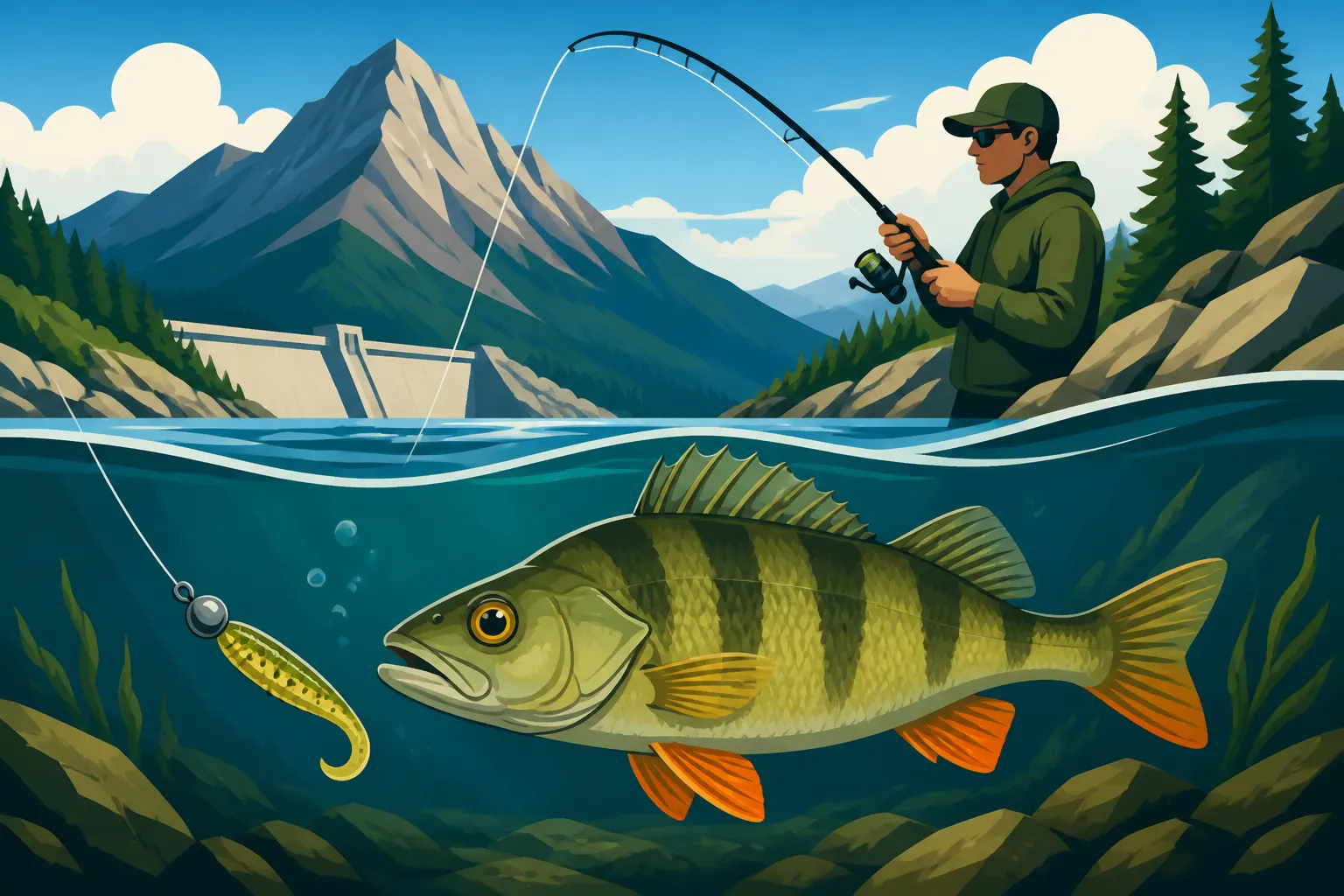
There's nothing quite like the feeling of finding a consistent, action-packed fishing spot, and for many anglers, especially families and those looking for a delicious meal, figuring out where to find reliable perch fishing can sometimes feel like a puzzle. While Cascade Reservoir often gets a lot of buzz for its formidable tiger muskie, the true unsung hero and a phenomenal fishery, especially for numbers and sheer fun, is its incredible population of yellow perch. This comprehensive guide is here to unravel the secrets of successfully targeting these feisty panfish, ensuring your next trip to Cascade is productive and memorable.
Why Cascade Reservoir Holds So Many Perch
Cascade Reservoir, nestled in Valley County, Idaho, is a prime example of a productive western reservoir. It’s a vast, diverse body of water that provides an ideal habitat for yellow perch to thrive, far beyond just being a notable spot for "Idaho Yellow Perch Fishing". Understanding why they do so well here is key to consistently finding them.
The Abundance Factor
The sheer volume of yellow perch in Cascade Reservoir isn't just a happy accident; it's a testament to the lake's rich ecosystem and specific management strategies. Perch are prolific spawners, and Cascade offers an abundance of shallow, vegetated areas and submerged timber that provide excellent spawning habitat in the spring. Once hatched, the fry have an immediate and plentiful food source, from zooplankton to insect larvae. This robust start to life means high survival rates and a constantly replenishing population.
Furthermore, Cascade Reservoir boasts a tremendous forage base. The perch themselves feed on smaller invertebrates, insects, and even smaller baitfish, while also serving as a crucial food source for larger predators like tiger muskie and trout. This balance within the food web, combined with the perch's rapid reproductive cycle, allows the population to remain incredibly strong. You’re not just hoping to catch one or two; you’re often looking at schools of hungry perch, which makes for exciting, non-stop action, perfect for introducing new anglers to the sport or keeping experienced ones thoroughly entertained. The average size often falls into the 8-10 inch range, but those coveted "jumbo" perch, sometimes stretching over 12 inches, are certainly present and provide an extra thrill.
Beyond the Muskie Hype
It's true, when you talk about Cascade Reservoir, the conversation often steers quickly to its well-known tiger muskie fishery. And for good reason – those toothy predators are a serious challenge and draw anglers from all over. However, focusing solely on muskie means overlooking one of Idaho's most consistently productive and universally enjoyable fishing experiences: perch fishing. While muskie fishing can be a game of patience, with long waits between bites, perch fishing is almost the exact opposite. It's about constant engagement, detecting subtle nibbles, and often reeling in fish after fish.
This consistency makes perch a fantastic target year-round. Unlike some species that become incredibly elusive during certain seasons, perch remain catchable throughout the warmer months and into the ice fishing season. This accessibility is a huge draw, offering a reliable outing when other species might be slow. Many local guides, even those specializing in larger game, often include perch fishing as a staple, especially for families or those seeking a higher catch rate. You might even find opportunities to book a guided trip specifically for panfish through services like FishingBooker, highlighting the popularity and reliability of Cascade's perch.
Best Spots and Structure for Perch Fishing
Finding perch in Cascade Reservoir isn't rocket science, but understanding their preferred habitats and movements through the seasons will drastically improve your success. They are creatures of structure, always looking for cover, food sources, and protection from predators.
Key Areas and Coves
Cascade Reservoir is a large body of water, covering over 26,000 acres, with numerous bays, points, and inlets. Knowing some of the historically productive areas can give you a significant head start.
- Near the Town of Cascade: The waters close to the town of Cascade often hold good numbers of perch, especially in the spring and fall. These areas tend to be shallower, warm up faster, and have more readily available forage. Look for public access points around the main town areas.
- Tamarack Resort Side: The bays and points along the western shore, particularly those near the Tamarack Resort area, are excellent. This side of the lake often has deeper drop-offs and a mix of submerged vegetation and timber, creating ideal ambush points for perch. Areas like Crown Point and Sugarloaf are popular among local anglers.
- Boulder Creek Arm: The Boulder Creek arm, located on the eastern side of the reservoir, is another hotspot. This area is known for its extensive submerged timber and varying depths, which concentrate perch throughout the year. The timber provides both cover and a rich habitat for the insects and smaller fish that perch prey upon.
- North and South Ends: The northern and southern ends of the reservoir, especially where the Payette River flows in and out, can be fantastic. These areas often have current breaks, shallow flats, and significant weed beds, which are magnets for baitfish and, consequently, perch.
Remember, perch are schooling fish. If you find one, chances are there are many more nearby. The key is to cover water until you locate a school, then focus your efforts on that specific area.
Reading the Water and Identifying Structure
Perch love structure. They use it for protection, to ambush prey, and to regulate their body temperature. Therefore, successfully "reading the water" and identifying these key structural elements is crucial for finding them.
- Weed Beds: Healthy weed beds, especially in depths of 5 to 15 feet, are perch magnets. They provide cover for small baitfish and invertebrates, which perch eagerly devour. Look for patchy weeds, as perch often patrol the edges and pockets within the growth.
- Submerged Timber and Brush Piles: Cascade Reservoir has a lot of submerged timber from its creation, and these old trees, stumps, and brush piles are prime habitat. Perch will congregate around these structures, especially on the side facing away from the current or wind, using them as ambush points. A good fish finder can be invaluable for locating these underwater forests.
- Rock Piles and Rubble: Rocky bottoms and scattered rock piles also hold perch, particularly if they are near deeper water or a drop-off. These areas can attract crayfish and other aquatic insects, providing a food source.
- Drop-offs and Ledges: Perch will often suspend along the edges of sharp drop-offs or ledges, moving up to shallower flats to feed and retreating to deeper water when spooked or during bright daylight hours. Finding these transitions from shallow to deep is often a recipe for success.
Using a quality fish finder can dramatically improve your ability to locate these submerged structures and even mark schools of fish. However, even without electronics, observing the shoreline for clues about underwater topography – like a rocky point extending into the water – can guide your efforts. During different seasons, perch will adjust their depth preferences, so understanding the general "Idaho Fishing Techniques Guide" for reading water can certainly help you adapt.
Essential Techniques and Tackle for Perch Fishing
Catching perch in Cascade Reservoir is often about finesse and understanding their feeding habits. They aren't usually aggressive predators that smash lures like a bass; instead, they often nibble and pick. Light tackle is key to detecting these subtle bites and maximizing the fun.
Tried-and-True Methods
There are several highly effective methods for enticing Cascade’s perch, each with its own advantages depending on the season and conditions.
- Jigging: This is arguably the most popular and effective method, especially during ice fishing season but also excellent from a boat. Vertical jigging involves dropping a small jig directly below your boat or ice hole and imparting a subtle up-and-down motion. Small metal jigs like Kastmasters, Swedish Pimples, or even teardrop-shaped tungsten jigs are fantastic. The key is to tip them with a small piece of bait (a maggot, worm, or perch eye – if legal) to add scent and appeal. The slight twitch and pause of the jig imitates a struggling baitfish or insect, often irresistible to perch.
- Slip Bobber Rigs: For a more relaxed but equally effective approach, especially from shore or a boat in calm conditions, a slip bobber rig is hard to beat. This setup allows you to present your bait at a precise depth, which is crucial when perch are holding at a specific level. A small bobber stop, bead, slip bobber, and a light jig or hook with a small weight are all you need. This rig lets the bait drift naturally, and the slip bobber signals even the lightest bite. It’s perfect for kids as well, as they can easily see when a fish is biting.
- Bottom Rigs: A simple bait-and-weight rig fished on the bottom can be very productive, especially when perch are hugging the lakebed. A small bait holder hook (size 8 or 10), a split shot or small sinker, and a piece of worm or minnow can be incredibly effective. Cast it out, let it sink, and let the bait sit naturally on the bottom, or slowly retrieve it with small pauses.
Regardless of the method, using ultra-light to light spinning tackle with 2-6 pound test line is highly recommended. The lighter line allows for better sensitivity, more natural bait presentation, and makes even an 8-inch perch feel like a trophy.
Bait and Lure Preferences
Perch are not overly picky, but certain baits and lures consistently outperform others. Choosing the right "Best Bait and Lures for Idaho Fishing" specific to perch can make a huge difference.
- Live Bait:
- Worms: Nightcrawlers, red wigglers, or even garden worms are classic perch baits. A small piece threaded onto a hook or jig provides irresistible scent and movement.
- Maggots (Waxies, Spikes): These small larvae are incredibly effective, especially for ice fishing or when perch are finicky. Their small size makes them perfect for tipping tiny jigs, and their constant wriggling action drives perch wild.
- Minnows: Small shiner or fathead minnows (check regulations for live bait restrictions and sourcing) can be deadly, especially for targeting larger perch. Hook them lightly through the lips or dorsal fin.
- Artificials:
- Small Soft Plastics: Tiny grubs, curly tail jigs, or tube jigs (1-2 inches) in white, chartreuse, or motor oil colors can be very effective when tipped with bait.
- Tiny Spoons and Blade Baits: Small spoons, like Kastmasters or Daredevils, and blade baits can imitate small baitfish. A slow lift-and-drop retrieve often triggers a strike.
- Tungsten Jigs: These dense jigs sink fast and are super sensitive, allowing you to feel even the lightest bite. They are particularly popular for ice fishing.
Experiment with different baits and colors on any given day, as perch preferences can change with water clarity, light conditions, and time of year. A general rule of thumb is brighter colors (chartreuse, orange) in cloudy water or low light, and more natural colors (brown, black, silver) in clear water or bright conditions.
Seasonal Strategies for Cascade Perch
Cascade Reservoir offers phenomenal perch fishing opportunities throughout the entire year, each season requiring slightly different tactics and targeting strategies. Knowing when and where to find them at different times is crucial to year-round success.
Spring and Summer Perch Patterns
As the ice recedes and water temperatures begin to climb, perch in Cascade Reservoir shift their behavior dramatically.
- Spring (Ice-out to early June): This is a prime time as perch move into shallower waters for spawning. Look for them in protected coves, along shoreline breaks, and in areas with submerged vegetation where the water warms up fastest. Depths of 5-15 feet are common. They're often hungry after the spawn, making them aggressive biters. Focus on casting small jigs tipped with worms or minnows, or drifting slip bobber rigs in these shallower zones. This is also a fantastic time to use a service like FishingBooker to find a local guide who can put you on the post-spawn bite.
- Summer (June to August): As the surface water heats up, perch generally retreat to deeper, cooler water. You'll find them concentrating around main lake points, submerged islands, ledges, and deep weed lines. They often suspend in the water column, particularly around the thermocline (the layer where water temperature changes rapidly). Focus your efforts in 15-30 feet of water, often deeper during midday and shallower during early morning and late evening. Trolling with small spoons or spinners, or vertical jigging with bait, can be effective. Using a fish finder to locate schools and suspended fish is incredibly helpful during this time. Remember that hot weather can affect where fish hold, so understanding "How Water Temperature Affects Idaho Trout Fishing" (which also applies to perch) can give you an edge.
Fall and Winter Perch Patterns (Ice Fishing)
The cooler months bring some of the most consistent and exciting perch fishing opportunities at Cascade, particularly through the ice.
- Fall (September to November): As water temperatures drop, perch become incredibly active, feeding aggressively to build up fat reserves for winter. They can be found in a wide range of depths, from shallow flats early in the fall to deeper main lake basins as winter approaches. Many anglers consider fall to be one of the best times to catch larger "jumbo" perch. Look for them concentrated around structure like submerged humps, rock piles, and deep weed lines. Both jigging and slip bobber fishing remain highly effective, and don't be afraid to experiment with slightly larger baits as perch are actively feeding.
- Winter (December to March): Cascade Reservoir is renowned as an ice fishing paradise, especially for perch. Once the ice is safely thick enough—remember, you need "How Thick Ice Needs to Be Before You Ice Fish" to ensure safety—anglers flock to the lake. Perch often school up in large numbers during winter, congregating over deep flats, along drop-offs, and near submerged timber in 20-50 feet of water. This is where "How to Ice Fish in Idaho" truly shines, focusing on vertical jigging with tiny tungsten jigs tipped with maggots or small pieces of cut bait. Using an ice fishing flasher or fish finder is almost essential for locating these schools and monitoring their reaction to your bait. Drifting from hole to hole, jigging actively, and then setting up once you find a school, is a common and productive strategy. The "How to Jig for Perch Through the Ice" technique is particularly effective here.
Here's a quick reference table to help visualize seasonal perch strategies:
| Season | Typical Depths (Feet) | Key Locations & Structure | Primary Techniques | Recommended Baits/Lures | Notes |
|---|---|---|---|---|---|
| Spring (Ice-out to early June) | 5-15 | Shallow coves, vegetated areas, shoreline breaks | Slip bobber, casting jigs, slow retrieve | Worms, small minnows, grubs, maggots | Post-spawn aggression, look for warming water. |
| Summer (June to August) | 15-30+ | Main lake points, deep ledges, thermocline | Vertical jigging, trolling, slip bobber at depth | Worms, minnows, small spoons, soft plastics | Deeper during day, shallower low light; fish finder helpful. |
| Fall (September to November) | 10-40 | Humps, rock piles, deep weed lines | Jigging, slip bobber, bottom rigs | Larger worms, minnows, soft plastics, blade baits | Aggressive feeding, good for jumbos, can be found shallow/deep. |
| Winter (Ice Fishing) | 20-50 | Deep flats, drop-offs, submerged timber | Vertical jigging (ice fishing specific), dead sticking | Tungsten jigs, maggots, small minnows | Schools concentrate, flashers/fish finders invaluable. |
For any fishing trip to Cascade Reservoir, make sure you're familiar with the current "Idaho Fishing Regulation Brochure and Proclamation". You'll also need an "Idaho Fishing License Guide" and understanding the "Idaho Fishing License Cost Guide" before heading out. Investing in the right "Idaho Fishing Gear Guide by Season" will also ensure you're prepared for whatever Cascade throws your way.
Disclaimer
Fishing conditions and regulations in Idaho can change. Always consult the latest Idaho Fish and Game regulations before heading out. This guide is for informational purposes only and does not guarantee fishing success. Be aware of weather conditions and practice safe boating and ice safety.