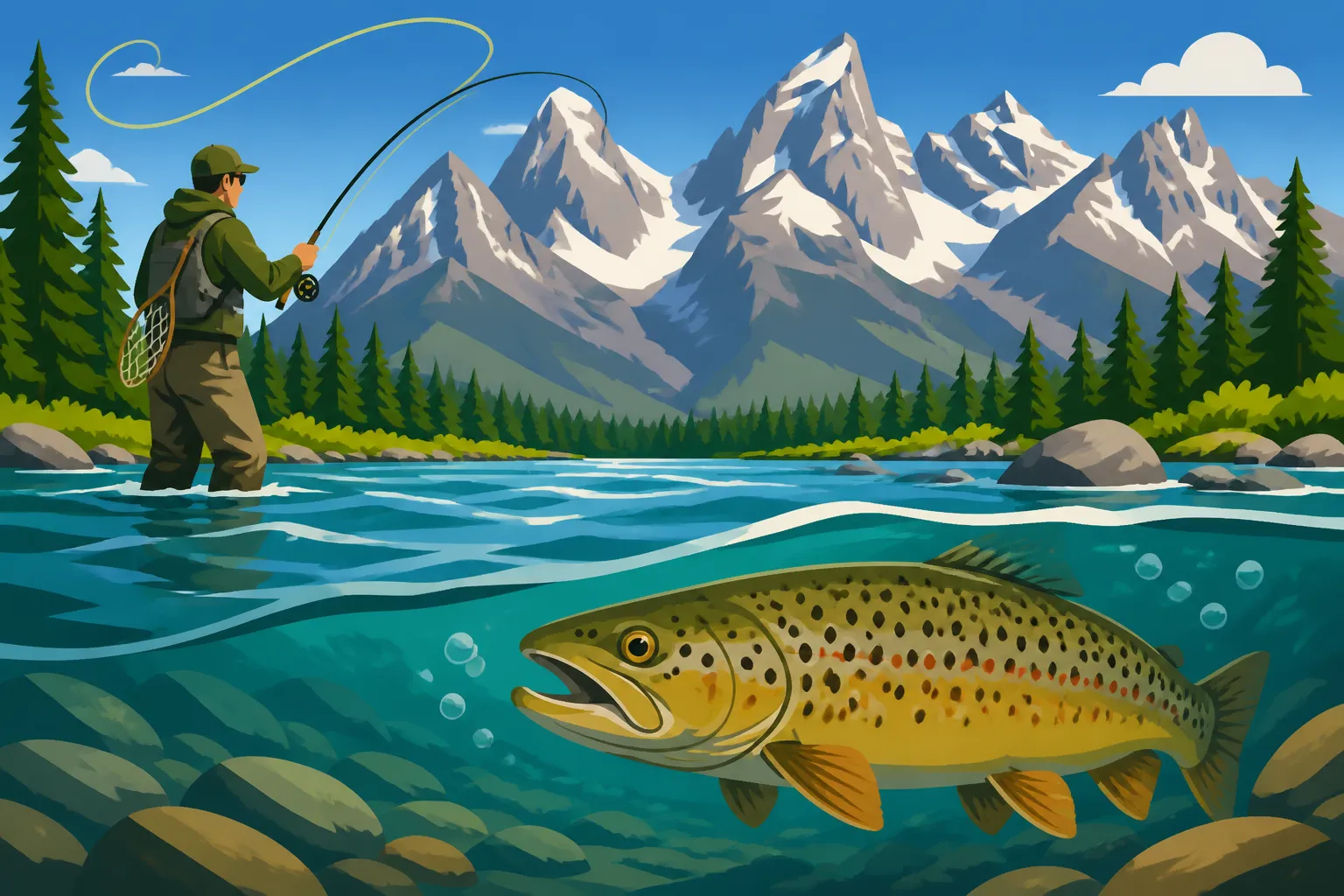
Best Stretch of the Teton River for Trout
For many anglers, the Teton River represents a piece of classic Idaho angling, yet pinpointing the exact "best" stretch can feel like searching for a hidden gem in a vast wilderness. With its diverse character, flowing from high mountain valleys through deep canyons and into sprawling agricultural lands, the Teton presents a unique challenge: where do you cast your line for the most rewarding trout fishing? This guide is designed to cut through the guesswork, offering a detailed breakdown of the Teton River's most productive and enjoyable stretches, giving you the insider knowledge you need for a successful and memorable trip.
Understanding the Teton River's Trout Fishery
The Teton River, often overshadowed by its more famous neighbor, the Snake River, holds its own as a premier trout fishery in Eastern Idaho. Originating in the Teton Range, this river carves a path through some of the most stunning landscapes, offering a variety of fishing experiences from technical fly water to more accessible stretches. Its unique hydrology and geography directly influence the trout populations and the best approaches for targeting them.
The Diverse Ecosystem and Its Trout
The Teton River begins its journey as a series of small, pristine spring creeks and high-elevation runoff in the Teton Valley, near towns like Driggs and Victor. Here, the water is cold, clear, and rich with aquatic insect life. As it flows downstream, it gathers strength, cutting through the dramatic Teton River Canyon before eventually meandering through more open, agricultural landscapes. This diverse journey creates a mosaic of habitats, each favoring different trout species and fishing styles.
In the upper reaches, you'll find healthy populations of native Westslope Cutthroat Trout, known for their vibrant colors and willingness to rise to a dry fly. These fish thrive in the clean, oxygenated water and benefit from the abundant insect life that includes various mayflies, caddis, and stoneflies. As the river progresses, especially into the middle sections and lower tributaries, you'll start encountering more Rainbow Trout and even some robust Brown Trout, particularly where the water might be slightly warmer or possess more structural diversity like deep pools and undercut banks. The Teton River’s health is a testament to its protected stretches and the efforts to maintain its natural flow, which are crucial for these sensitive fish populations. Understanding the nuances of the Teton River’s ecosystem is key to unlocking its fishing potential, and knowing the Idaho Fishing Regulations Explained is always your first step.
What to Expect: Species and Sizes
When you venture out on the Teton, you're primarily targeting three species of trout: Cutthroat, Rainbow, and Brown. Each offers a different angling experience and tends to inhabit specific types of water.
- Cutthroat Trout: These are often the stars of the upper Teton River, especially the pure-strain Westslope Cutthroat. They are typically found in the shallower, riffle-filled sections, and their eagerness to strike dry flies makes them a favorite among fly anglers. While not usually trophy-sized, a 14-18 inch cutthroat from the Teton is a beautiful fish and a strong fighter. For more specific guidance, you might want to consult an Idaho Cutthroat Trout Fishing Guide.
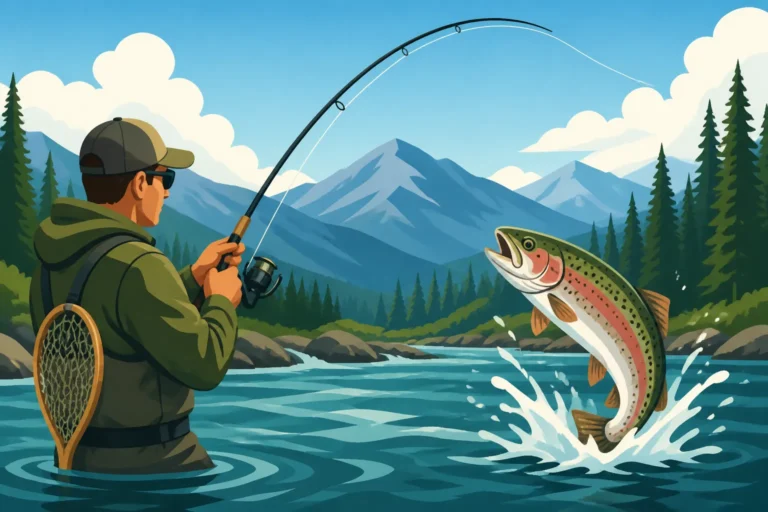
- Rainbow Trout: As you move into the middle and lower river, particularly in sections with more depth and current, rainbow trout become more prevalent. These fish are renowned for their acrobatic fights and strong runs. Teton rainbows can range from pan-sized youngsters to powerful fish in the 20-inch range, especially in the canyon and certain larger pools downstream.
- Brown Trout: Often the most elusive and largest trout in the Teton, brown trout prefer deeper, slower pools, complex cover, and often feed during low light conditions. Catching a large Teton River brown is a significant accomplishment. While not as abundant as cutthroats or rainbows, their presence adds an exciting element of potential trophy fishing. If you're specifically targeting these, our Idaho Brown Trout Fishing guide offers deeper insights.
The size of trout you can expect varies greatly by section and time of year. Generally, the upper river holds more numbers of smaller to medium-sized fish, while the deeper, more complex middle and lower stretches offer a chance at fewer but larger specimens. Remember that bag limits and regulations can vary by specific stretch, so always check the latest Idaho Fish and Game regulations.
Prime Upper Teton River Stretches
The upper Teton River, flowing through the Teton Valley between the picturesque towns of Victor, Driggs, and Tetonia, offers some of the most accessible and classic fly fishing experiences. This section is characterized by a meandering river course, often intimate and inviting, making it a fantastic destination for both wade and float fishing.
From Alta to the Canyon Mouth
This stretch of the Teton River, encompassing the water from just below the outflow of the Teton Dam site (near Alta) down to the entrance of the Teton River Canyon, is arguably one of the most productive and cherished sections for trout. Here, the river flows through a wide valley, creating a mix of riffles, runs, and slow pools, often lined with willows and cottonwoods that provide excellent cover for trout. Public access can be found at various points, including popular spots like the Bates Road access or by floating through sections that border public lands.
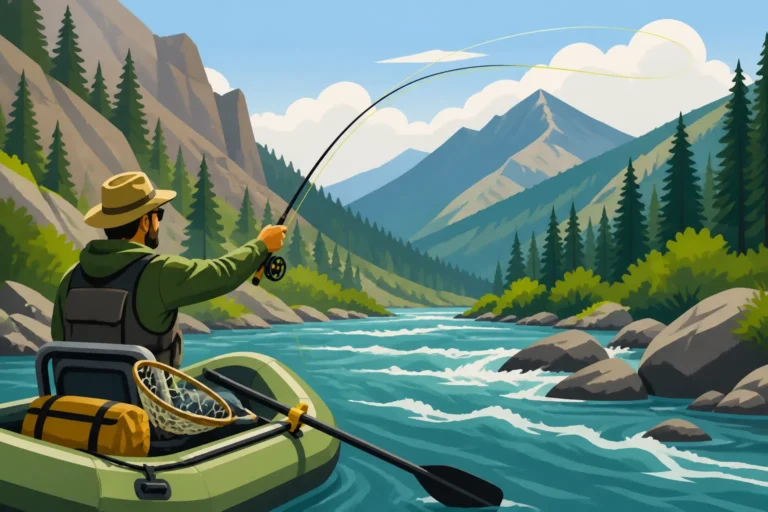
Anglers often find fantastic dry fly fishing opportunities here, especially during the prolific hatches of summer. Imagine standing knee-deep in crystal clear water, casting a well-imitated fly to a rising cutthroat under the shadow of the Tetons. It's a truly iconic experience. During late spring and early summer, caddis and various mayfly species like Pale Morning Duns (PMDs) and Green Drakes bring fish to the surface with enthusiasm. As summer progresses, terrestrials like hoppers, ants, and beetles become deadly, especially when drifted near the grassy banks. Many experienced anglers recommend using a long leader and tippet here, as the clear water and educated trout demand a subtle presentation. If you're planning a float trip, launching a drift boat or raft allows you to cover more water and access areas that are harder to reach by wading, often revealing untouched pockets of fish. This area is a strong contender for the Best Fishing Spots in Idaho for many fly fishing enthusiasts.
Fishing Near the Darby Canyon Area
Just a bit further upstream from the Teton River Canyon's immediate entrance, the river flows near Darby Canyon, offering a slightly different, often more secluded, angling experience. This area is characterized by a more pronounced current in places and a greater presence of larger rocks and boulders, creating more complex holding water for trout. Access here might require a bit more effort, sometimes involving a short hike or careful navigation through public easements.
The fish in the Darby Canyon vicinity tend to be a mix of robust cutthroats and increasing numbers of rainbow trout. Due to the slightly faster water and more structured bottom, nymphing can be incredibly effective, especially with patterns imitating stonefly nymphs, caddis larvae, or mayfly nymphs like Prince Nymphs or Copper Johns. However, don't discount the dry fly action, especially on overcast days or during evening hatches. The increased cover and deeper pockets also make this a prime location for throwing streamers, particularly if you’re looking to entice a larger brown trout that might be lurking near the bottom. The cooler water coming from the higher elevations ensures active fish throughout the summer months. For those seeking a more solitary experience away from the busier sections, the Darby Canyon area offers a rewarding challenge and incredible natural beauty, truly capturing the essence of the Idaho Fishing Techniques Guide.
Middle and Lower River Hotspots
As the Teton River moves beyond the wide-open Teton Valley, its character shifts dramatically, offering different challenges and rewards. The middle and lower sections traverse a mix of spectacular canyons and expansive agricultural landscapes, each providing distinct fishing opportunities.
The Canyon Section's Challenges and Rewards
The Teton River Canyon is a truly wild and stunning stretch. Immediately downstream from the Teton Valley, the river plunges into a deep, basalt-walled canyon, a remnant of the infamous Teton Dam collapse. This section is much more rugged and remote than the upper river, offering limited road access. Anglers typically access it by floating in drift boats or rafts, or by hiking in to specific points if they know the terrain well. The canyon walls create dramatic scenery and a sense of isolation that's hard to find elsewhere.
Fishing in the canyon can be incredibly rewarding, but it demands skill and preparedness. The currents are stronger, and the water often deeper, creating excellent habitat for larger trout. Both rainbow and brown trout thrive here, using the numerous rock ledges, deep pools, and turbulent seams as cover and feeding lanes. Dry fly fishing can still be excellent during major hatches, particularly stoneflies and large caddis. However, nymphing and streamer fishing often prove more consistent, allowing you to get your flies down to where the bigger fish are holding. Popular patterns include large stonefly nymphs, Woolly Buggers, and Sculpzillas. Navigation through the canyon requires experience; understanding Reading Water on Idaho's Rivers is paramount here. It's a physically demanding section, but the reward of a powerful, wild trout in this pristine setting is unmatched. Many guided trips offered through services like FishingBooker focus on this adventurous stretch for those who prefer to go with an expert.
Braided Channels and Agricultural Lands
After exiting the canyon, the Teton River transitions once again, spreading out into braided channels as it flows through more open agricultural land before eventually joining the Henry's Fork of the Snake River. This lower section of the Teton is very different from the upper valley or the canyon; the river becomes wider, often shallower in places, with more silty bottoms, and is flanked by private farmlands. Public access can be more limited, often relying on specific bridge crossings or designated access points.
While not as immediately iconic as the upper river, this stretch still holds good numbers of trout, particularly rainbow and brown trout that have grown large in the slower, food-rich waters. The braided nature means there are many channels to explore, some deeper than others, providing excellent opportunities for both wade and float fishing. Fly fishing here often involves longer casts to reach productive seams and structure. Indicator nymphing with attractor patterns or caddis pupa imitations can be very effective, especially in the slower runs. Spin anglers might find success with small spinners, spoons, or even bait, though checking specific regulations for bait use is crucial. During the late summer and fall, large terrestrials and streamer fishing can be particularly potent, especially during periods of lower light. Anglers often find that fishing this section requires more reconnaissance and adaptability, but it can yield some surprisingly large and healthy trout, making it a valuable part of the overall Idaho Fishing Season Calendar. It’s a great area for those who enjoy exploring and finding their own hidden pockets of fish, and FishingBooker can help you connect with local guides who specialize in navigating these intricate lower river sections.
Tactics and Timing for Teton Trout
Successful trout fishing on the Teton River, like any diverse fishery, hinges on adapting your tactics to the specific stretch of river and the prevailing conditions. Understanding what flies or lures to use and when to visit can make all the difference between a frustrating day and an unforgettable one.
Essential Flies and Lures for Each Section
The Teton River's varied ecosystem calls for a diverse tackle box. What works wonders in the clear, gentle flows of the upper valley might not be effective in the turbulent depths of the canyon.
Upper Teton River (Valley Sections):
- Dry Flies: This is prime dry fly territory, especially from late spring through early fall.
- Mayflies: Sizes #14-18 for PMDs, Baetis (Blue-Winged Olives), Green Drakes (larger, #10-12) during their hatches.
- Caddis: Tan, olive, and brown caddis patterns (#14-16) are staples, especially in the evenings.
- Terrestrials: Hoppers (tan, pink, yellow #8-12), ants (#16-18), and beetles (#14-16) are deadly from mid-summer through fall.
- Nymphs: When fish aren't rising, go subsurface.
- Attractors: Prince Nymphs, Copper Johns, Pheasant Tails (#14-18).
- Caddis Larvae/Pupae: Green Rock Worms, LaFontaine's Emergent Sparkle Pupa (#14-16).
- Stonefly Nymphs: Small golden stone patterns (#12-14) in faster riffles.
- Spin Fishing Lures (where permitted): Small, inline spinners (e.g., Panther Martin, Mepps) in sizes #0-1, or small spoons like Kastmasters, can be effective in deeper runs.
Middle Teton River (Canyon Section):
- Dry Flies: Larger, more robust patterns are often needed due to the faster currents.
- Stoneflies: Golden Stones, Salmonflies (#4-10) during their hatches (late spring/early summer).
- Large Drakes/Hoppers: Large attractor dries (#8-12).
- Nymphs: Essential for getting down to fish in strong currents.
- Stonefly Nymphs: Pats Rubber Legs, Girdle Bugs, large Kaufmann's Stone (#4-10).
- Heavy Mayfly Nymphs: Double-bead Pheasant Tails, Tungsten Surveyor (#12-16).
- Streamers: To tempt the larger browns and rainbows.
- Woolly Buggers: Black, olive, brown (#4-8).
- Sculpin Patterns: Sculpzillas, Sex Dungeons (#2-6).
- Spin Fishing Lures: Larger inline spinners or spoons, or even soft plastic swimbaits targeting larger fish in deep pools.
Lower Teton River (Braided/Agricultural Sections):
- Dry Flies: Similar to the upper river but presentation often needs to be more precise due to wary fish.
- Hoppers/Crickets: Large patterns (#6-10) are effective in late summer/fall.
- Callibaetis: During specific hatches in slower water (#14-16).
- Nymphs: Critical for slower, deeper runs.
- San Juan Worms, Squirmy Worms: Especially after rain or runoff.
- Caddis/Mayfly Nymphs: Versatile patterns like French Nymphs, Perdigons (#16-20).
- Streamers: For targeting larger brown trout in structured areas.
- Spin Fishing Lures: Deeper diving crankbaits or larger soft plastics can be effective for bass that might also be present in this section, as well as the trout.
For those looking to refine their fly selection, exploring resources like How to Fly Fish in Idaho can offer fantastic insights into local entomology and tying techniques.
Best Seasons and Conditions
Timing your trip to the Teton River is almost as important as your chosen stretch and technique. Each season offers unique opportunities and challenges. Consulting local resources or even looking up fishing reports on sites like FishingBooker can give you a real-time snapshot of conditions.
-
Spring (April – June): This is a transitional period. Early spring can offer fantastic nymphing as the water warms and fish become more active. Mid-to-late spring often brings runoff from snowmelt, making the river high and off-color. While challenging, runoff can concentrate fish and present opportunities for targeting them with large stonefly nymphs and streamers in calmer seams. As runoff recedes in late May/early June, the first major hatches (caddis, stoneflies) begin, signaling excellent dry fly fishing. This is when Idaho's Spring Runoff and How It Affects Fishing becomes particularly relevant.
-
Summer (July – August): Peak season on the Teton. Long days, consistent hatches of PMDs, Green Drakes, and a plethora of caddis, along with abundant terrestrials, make for incredible dry fly action. Water levels are generally stable and clear. While mid-day can sometimes slow down due to bright sun and heat, mornings and evenings are often phenomenal. This is the ideal time for classic Teton Valley dry fly fishing. However, expect more pressure, especially on weekends.
-
Fall (September – November): Often considered the "local's secret" season. As temperatures drop and crowds thin, the Teton can really shine. Terrestrial fishing remains strong into early fall, and prolific hatches of Baetis (Blue-Winged Olives) bring fish to the surface, especially on overcast days. Brown trout become more aggressive as they prepare for spawning, making streamer fishing a top tactic for big fish. Lower river sections can offer excellent opportunities for larger trout. Cooler weather and fewer bugs might mean you'll need to adapt to nymphing more frequently, but the reward can be substantial. Understanding the Best Time of Year to Fish in Idaho for specific species often points to these cooler shoulder seasons.
-
Winter (December – March): The Teton River doesn't entirely freeze over in all sections, particularly in the canyon and some lower stretches, offering limited but dedicated winter fishing. Focus shifts almost entirely to nymphing deep pools and slow runs with small midge patterns, tiny Baetis nymphs, and egg patterns. It's a challenging time, but if you're willing to brave the cold, you can find surprisingly active fish in specific holding water. Always prioritize safety in winter conditions.
To make an informed decision on when and where to go, a quick search on FishingBooker for guides operating on the Teton River can often yield valuable real-time advice on current conditions and hot spots.
| Stretch Category | Key Fish Species | Primary Access Type | Recommended Techniques | Unique Features | Average Fish Size (Inches) |
|---|---|---|---|---|---|
| Upper Teton (Valley) | Westslope Cutthroat, Rainbow Trout, some Brown Trout | Wade, Drift Boat, Shore | Dry Fly, Nymphing, Light Spin | Meandering, clear water, prolific hatches | 10-18 |
| Middle Teton (Canyon) | Rainbow Trout, Brown Trout, Cutthroat Trout | Drift Boat, Hike-in | Nymphing, Streamers, Larger Dry Flies | Rugged, deep pools, strong currents, isolation | 14-22 |
| Lower Teton (Braided) | Rainbow Trout, Brown Trout, Smallmouth Bass | Wade (limited), Float | Nymphing, Streamers, Terrestrial Dry Flies | Wider, braided channels, agricultural backdrop | 12-20 |
This table provides a quick reference for planning your Teton River adventure, but remember that conditions can change, and adaptability is always an angler's best friend.
Essential Gear and Preparation for a Teton Trip
Heading out to fish the Teton River, whether it's for a quick evening session or a multi-day adventure, requires more than just knowing where the fish are. Having the right gear and being well-prepared for Idaho's diverse conditions can significantly enhance your experience and success.
Rods, Reels, and Lines for Teton Trout
Choosing the right tackle for the Teton depends largely on which section you plan to fish and your preferred method. Versatility is key, as conditions can change rapidly.
Fly Fishing Setup:
- Rods:
- Upper and Lower River (Dry Fly/Nymphing): A 9-foot, 5-weight fast-action rod is the workhorse for much of the Teton. It offers enough backbone to handle wind and larger fish, yet is sensitive enough for delicate dry fly presentations. For a more delicate approach on smaller water or for strictly dry fly fishing, a 9-foot, 4-weight can be a joy.
- Canyon Section (Streamers/Heavy Nymphs): A 9-foot, 6-weight or even a 7-weight rod provides the extra power needed to cast larger, heavier flies and to control powerful fish in strong currents.
- Reels: A reliable reel with a smooth drag system that balances your rod is crucial. For trout, a large arbor reel is beneficial for quick line retrieval when a fish runs toward you.
- Lines:
- Weight-Forward Floating Line: This is your primary line for almost all Teton River situations, especially for dry flies and indicator nymphing.
- Sink-Tip Line: For dedicated streamer fishing in the canyon or deeper pools, a sink-tip line (like a 10-foot, 150-grain tip) will get your fly down quickly.
- Leaders and Tippet:
- Leaders: Tapered leaders from 7.5 to 9 feet are standard. Start with a 4X or 5X for dry flies and smaller nymphs on the upper river, and 3X or 2X for streamers and heavier nymph rigs in the canyon.
- Tippet: Always carry a spool of tippet in various sizes (from 2X to 6X) to adjust to conditions, fly size, and fish wariness. Fluorocarbon tippet is excellent for nymphs and streamers due to its invisibility and fast sink rate, while monofilament is preferred for dry flies.
Spin Fishing Setup:
- Rods: A 6.5 to 7-foot medium-light to medium-action spinning rod will cover most scenarios. This length provides good casting distance and enough sensitivity to feel subtle bites.
- Reels: A spinning reel in the 1000 to 2500 size range, spooled with 6-8 pound monofilament or fluorocarbon line, or 10-15 pound braided line with a fluorocarbon leader, is ideal.
- Lures: As mentioned, small inline spinners, spoons, and soft plastic swimbaits are good choices.
Remember, a good Idaho Fishing Gear Guide by Season can also offer more generalized advice on what to pack for your trip.
Wading Safety and River Etiquette
The Teton River offers fantastic wading opportunities, but safety should always be your top priority. The currents, especially in the canyon or after runoff, can be stronger than they appear, and the bottom can be slick and uneven.
- Wading Staff: A collapsible wading staff is an invaluable tool for stability, especially when crossing swift water or navigating slippery rocks. It provides a third point of contact and helps you gauge depth.
- Waders and Boots: Neoprene waders are excellent for cold weather, while breathable waders are more comfortable in warmer months. Always pair them with sturdy wading boots that have felt soles or studded rubber soles for grip. If you choose rubber, ensure they have good traction to prevent slips on slick rocks.
- Studded Boots: Consider boots with removable studs for added traction on extremely slick sections, particularly in the canyon.
- PFD (Personal Flotation Device): If you're floating in a drift boat or raft, or even wading in deep, swift water, wearing a PFD is a wise decision. Accidents can happen quickly, and a PFD can be a lifesaver.
- River Etiquette: The Teton River sees a fair amount of angling pressure, especially during peak season. Be respectful of other anglers, giving them plenty of space. If you're wading, try not to disturb fish that someone else might be working towards. If you're floating, communicate with wade anglers and give them ample room. Pack out all your trash, and consider participating in "Leave No Trace" principles. For those interested in understanding local guidelines, Idaho's Idaho Fishing Regulations Explained will always provide the most current information on conduct and practices.
For many, the appeal of the Teton River is its wild beauty and the chance to connect with nature. Being prepared, fishing responsibly, and respecting the environment ensures that this special place remains a prime fishery for generations to come.
Disclaimer
Please be aware that fishing regulations, access points, and river conditions can change frequently. Always consult the latest Idaho Fish and Game regulations and local advisories before planning your trip. This guide is for informational purposes only and does not constitute official advice.